A 120-pound person burns approximately 350 to 500 calories per hour during a Zumba class, depending on intensity, fitness level, and the specific format of the session. To put that in practical terms, if you weigh 120 pounds and attend a standard 40-minute Zumba class at moderate to high effort, you can expect to burn roughly 230 to 330 calories. That is a solid workout by any measure, though it falls on the lower end of the calorie ranges often advertised by Zumba marketing materials, which tend to quote figures based on heavier participants working at peak intensity.
A 2012 study sponsored by the American Council on Exercise tracked 19 healthy female Zumba participants between the ages of 18 and 22 and found they burned an average of 9.5 calories per minute during a 39-minute class, totaling about 369 calories per session. While that study did not isolate 120-pound participants specifically, its findings align with the general estimate that lighter individuals will land in the 350 to 500 calorie-per-hour range rather than the 600-plus figures sometimes cited online. This article breaks down exactly how body weight influences Zumba calorie burn, what the research actually says versus what gets exaggerated, how different Zumba formats compare, and what you can do to maximize your calorie expenditure at 120 pounds without resorting to guesswork or inflated claims.
Table of Contents
- How Many Calories Does a 120-Pound Person Actually Burn During Zumba?
- Why Zumba Calorie Claims Are Often Exaggerated and What the Research Really Shows
- How Different Zumba Formats Affect Calorie Burn at 120 Pounds
- Practical Ways to Maximize Calorie Burn in Zumba at a Lower Body Weight
- Common Mistakes When Estimating Zumba Calorie Burn
- How Zumba Compares to Other Cardio Options for a 120-Pound Person
- Setting Realistic Fitness Expectations at 120 Pounds
- Conclusion
- Frequently Asked Questions
How Many Calories Does a 120-Pound Person Actually Burn During Zumba?
The honest answer is that a 120-pound person burns fewer calories during Zumba than a heavier person performing the same routine at the same intensity. This is straightforward physics. A larger body requires more energy to move through space, which is why calorie burn estimates for Zumba typically span a wide range. For individuals in the 120 to 170-pound weight range, a full-intensity hour of Zumba burns approximately 350 to 650 calories. At 120 pounds, you are firmly at the lower end of that spectrum, and a realistic per-session estimate sits between 350 and 500 calories for a full 60-minute class. Research suggests that a difference of roughly 20 kilograms, or about 44 pounds, in body weight changes calorie burn by approximately 25 to 30 percent.
So if a 165-pound person burns 500 calories in an hour of Zumba, a 120-pound person doing the exact same choreography at the same effort level would burn closer to 350 to 375 calories. That is not a failing on your part. It simply reflects the metabolic reality that smaller bodies are more efficient movers, which is actually an advantage in nearly every other context of daily life. For comparison, a 120-pound person running at a moderate 10-minute mile pace burns roughly 400 to 450 calories per hour. A brisk walk covers about 200 to 250 calories in the same time frame. So Zumba, even at the lower end of the calorie range for lighter individuals, still delivers a meaningful cardiovascular workout that competes with other popular forms of exercise.

Why Zumba Calorie Claims Are Often Exaggerated and What the Research Really Shows
You have probably seen claims that Zumba burns 1,000 calories per hour. Those numbers are widely considered exaggerated and unsupported by research. The average person burns 450 to 700 calories per hour during Zumba, and that average skews toward individuals who weigh more than 120 pounds. When fitness brands or instructors cite extreme calorie figures, they are often pulling from self-reported data, inaccurate wrist-based heart rate monitors, or best-case scenarios involving very heavy participants working at maximum effort for a full 60 minutes without rest. The ACE-sponsored study remains one of the more reliable benchmarks available. Its finding of 9.5 calories per minute across a 39-minute session translates to roughly 370 calories for the class and about 570 calories if extrapolated to a full hour.
However, those participants were young, healthy women working at high intensity throughout the measured session. If you are older, less conditioned, or working at moderate intensity, your actual burn will be lower. And if you weigh 120 pounds, your burn will be lower still compared to someone who weighs 150 or 170 pounds performing at the same relative effort. The takeaway is not that Zumba is ineffective. It is that you should calibrate your expectations against credible data rather than promotional material. If you are using Zumba as part of a weight management plan and counting on burning 700 or 800 calories per class, you may be overestimating your calorie deficit by a significant margin. For a 120-pound person, planning around 350 to 450 calories per hour is a more conservative and accurate baseline.
How Different Zumba Formats Affect Calorie Burn at 120 Pounds
Not all Zumba classes are created equal when it comes to energy expenditure. Standard Zumba involves Latin-inspired dance moves at varying tempos, but the brand has expanded to include several distinct formats that differ meaningfully in intensity and muscle engagement. Zumba Toning incorporates light weights or toning sticks to add resistance, while Zumba High-Intensity Interval Training alternates between bursts of maximum effort and recovery periods. These higher-intensity formats burn the most calories, with estimates around 550 to 600 calories per hour for a person weighing approximately 154 pounds. For a 120-pound individual, those figures would scale down proportionally.
You might expect Zumba Toning or High-Intensity Zumba to push your burn closer to the 400 to 480 calorie-per-hour range, compared to 350 to 420 for a standard Zumba class. Aqua Zumba, which takes place in a pool, offers joint-friendly resistance training but typically results in a lower calorie burn because water buoyancy reduces the energy cost of movement even as it adds drag. A practical example: if you attend three standard Zumba classes per week at 120 pounds and burn an average of 380 calories per session, that totals roughly 1,140 calories per week from Zumba alone. Switching one of those sessions to a high-intensity format could add another 80 to 100 calories to that weekly total. These are not dramatic differences on a per-class basis, but over months of consistent training, format selection does add up.
Practical Ways to Maximize Calorie Burn in Zumba at a Lower Body Weight
Since body weight is the single largest variable in calorie expenditure and you cannot simply will yourself to weigh more, the most actionable lever you have is movement intensity. Zumba classes naturally include high-energy segments and lower-energy transitions, and many participants unconsciously dial back effort during the harder choreography. Committing fully to every jump, squat, and arm extension throughout the class can meaningfully increase your calorie burn without adding extra time. Heart rate is a useful proxy for effort. If you are not using a chest-strap heart rate monitor, consider investing in one, as wrist-based monitors tend to be less accurate during dance-based movements with frequent arm swings. Aim to keep your heart rate in the 70 to 85 percent of maximum range for the majority of the class.
For a 30-year-old weighing 120 pounds, that means sustaining a heart rate of roughly 133 to 162 beats per minute. If you find yourself consistently below that zone, you are leaving calories on the table. The tradeoff worth acknowledging is that pushing harder in every class increases injury risk and may not be sustainable long-term. A 120-pound person who attends four high-intensity Zumba sessions per week and burns 420 calories each time will accumulate 1,680 weekly calories from exercise. A person who attends three moderate sessions at 370 calories each, supplemented by one strength training day, may burn fewer total Zumba calories at 1,110 per week but will likely build more lean muscle, which gradually increases resting metabolic rate. The best approach depends on your goals, but diversifying your routine almost always wins over simply trying to maximize every Zumba session.
Common Mistakes When Estimating Zumba Calorie Burn
The most frequent error people make is trusting the calorie readout on a fitness tracker or smartwatch without question. These devices estimate calorie burn using algorithms that factor in heart rate, age, weight, and movement patterns, but their accuracy varies widely. Studies have shown that popular wrist-worn trackers can overestimate calorie expenditure by 20 to 40 percent during dance-based workouts, partly because arm movements can inflate heart rate readings and confuse accelerometer-based calculations. A second common mistake is conflating gross calories with net calories. Most calorie burn estimates, including the figures cited in this article, represent gross calories, meaning the total energy your body expends during the activity. But you would have burned some calories during that same time period even if you had been sitting on your couch.
For a 120-pound person, resting metabolic rate accounts for roughly 50 to 60 calories per hour. So if you burn 400 gross calories during a Zumba class, the net additional burn attributable to the exercise is closer to 340 to 350 calories. This distinction matters if you are calculating calorie deficits for weight loss. A third issue is ignoring the role of fitness adaptation. As you become more proficient at Zumba choreography, your body becomes more efficient at performing those movements, and your calorie burn for the same routine will gradually decrease. This is not a reason to abandon Zumba, but it is a reason to periodically increase intensity, try new formats, or supplement with other forms of exercise to maintain a progressive training stimulus.
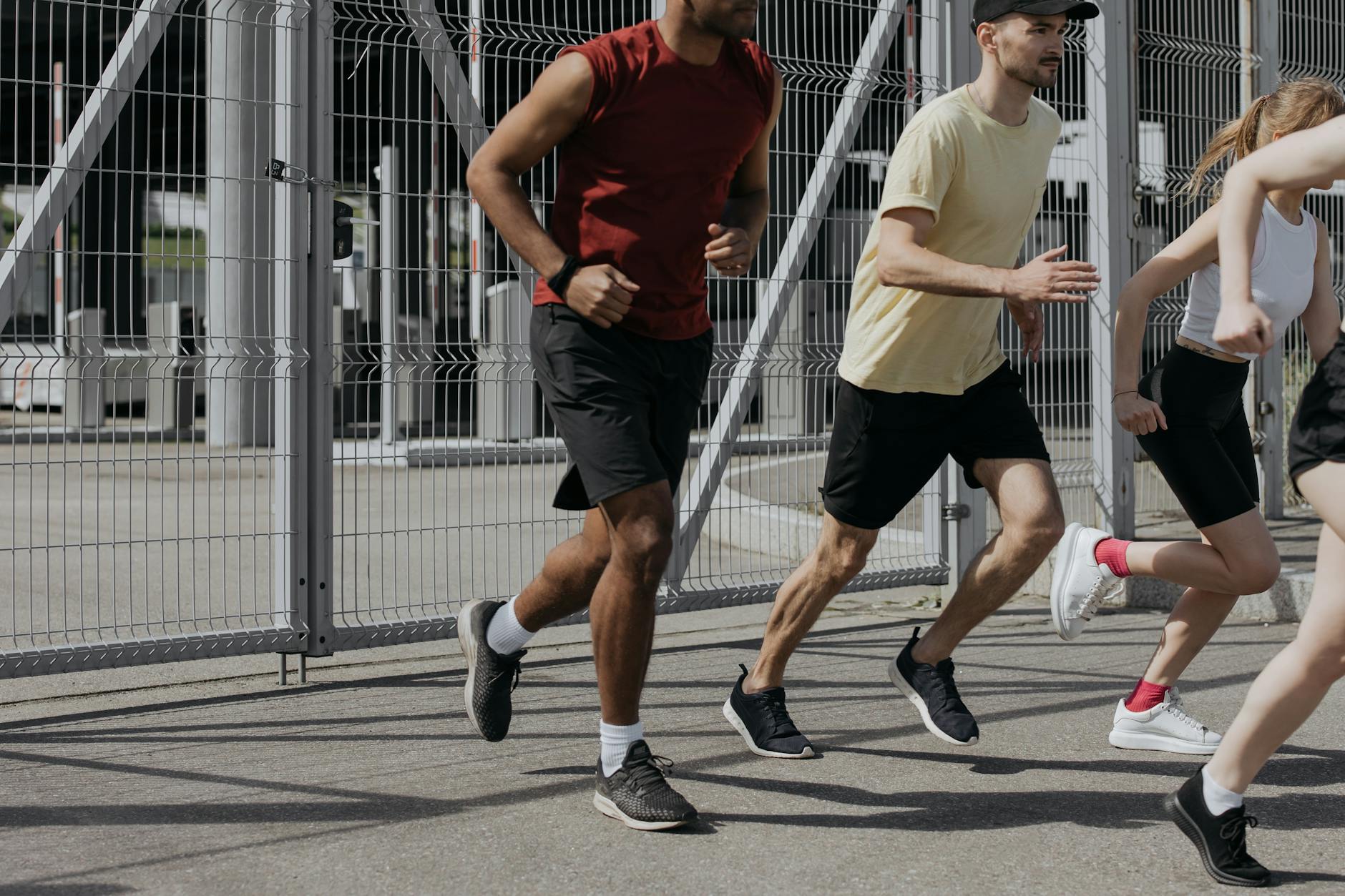
How Zumba Compares to Other Cardio Options for a 120-Pound Person
For context, a 120-pound person can expect to burn roughly 350 to 400 calories per hour cycling at a moderate pace, 400 to 450 calories running at a conversational pace, 250 to 300 calories on an elliptical at moderate resistance, and 200 to 250 calories walking briskly. Zumba’s estimated range of 350 to 500 calories per hour positions it competitively among moderate to vigorous cardio options, with the added benefit of being a social, music-driven activity that many people find easier to stick with than solo treadmill sessions.
The practical advantage of Zumba is adherence. A workout you enjoy and attend consistently will always outperform a theoretically superior exercise that you skip half the time. If you are a 120-pound person choosing between a Zumba class you love and a running routine you dread, the Zumba class will almost certainly produce better long-term results simply because you will actually show up for it.
Setting Realistic Fitness Expectations at 120 Pounds
If you weigh 120 pounds and your primary goal is calorie burn for weight management, it is worth accepting that you are working with a smaller metabolic engine than someone who weighs 160 or 180 pounds. This is not a disadvantage in any meaningful health sense. It simply means that the calorie surplus required to gain weight is smaller and the calorie deficit required to lose weight requires more precision.
Zumba is a valuable tool in that equation, but it works best when paired with accurate calorie tracking, realistic expectations, and a training plan that includes variety. Looking ahead, wearable technology and heart rate monitoring continue to improve in accuracy, which will give lighter individuals better real-time feedback on their actual calorie expenditure during Zumba and other group fitness classes. In the meantime, using the research-backed estimates in this article as your baseline and adjusting based on your own heart rate data and body composition changes over time is the most reliable approach available.
Conclusion
A 120-pound person can realistically expect to burn between 350 and 500 calories per hour during Zumba, with the exact number depending on class format, personal intensity, fitness level, and age. The ACE-sponsored research finding of 9.5 calories per minute during a Zumba session provides a credible anchor point, and lighter individuals should expect to fall at the lower end of published calorie ranges. Claims of 1,000 calories per hour are not supported by any peer-reviewed study and should be disregarded.
The most productive approach is to treat Zumba as one component of a broader fitness routine, track your heart rate for personalized feedback, and avoid relying on inflated calorie estimates when planning your nutrition. Zumba delivers genuine cardiovascular benefits, improves coordination, and offers a social exercise environment that supports long-term consistency. For a 120-pound person, that consistency matters far more than chasing an extra 50 calories per session.
Frequently Asked Questions
Is 350 calories per Zumba session enough to lose weight at 120 pounds?
Weight loss depends on your total calorie balance, not any single activity. Burning 350 calories three times per week through Zumba creates roughly a 1,050-calorie weekly deficit from exercise alone, which contributes to about a third of a pound of fat loss per week if your diet remains constant. Combined with modest dietary adjustments, this is a sustainable rate of progress.
Why do some Zumba calorie calculators show much higher numbers than 350 to 500 calories?
Many online calculators use generous MET values or assume maximum effort sustained for the entire session. They also often default to higher body weights. At 120 pounds, you should look for calculators that allow you to input your exact weight and select moderate rather than vigorous intensity for a more accurate estimate.
Does Zumba burn more calories than walking for a 120-pound person?
Yes, significantly. A 120-pound person burns approximately 200 to 250 calories per hour walking briskly, compared to 350 to 500 calories per hour during Zumba. That difference of roughly 150 to 250 additional calories per hour makes Zumba a substantially more time-efficient option for cardiovascular calorie burn.
Will I burn more calories as I get better at Zumba?
Actually, the opposite tends to happen. As your body adapts to the choreography and movement patterns, it becomes more efficient and burns fewer calories for the same routine. To counteract this, periodically increase your effort, try higher-intensity Zumba formats, or add variety with other forms of exercise.
Are Zumba Toning classes worth it for extra calorie burn at 120 pounds?
Zumba Toning and High-Intensity Zumba formats can add roughly 50 to 100 extra calories per hour compared to standard Zumba for a 120-pound person. The light resistance from toning sticks also provides modest strength benefits. Whether that is worth it depends on your goals, but the added variety alone can help prevent workout boredom and adaptation.