
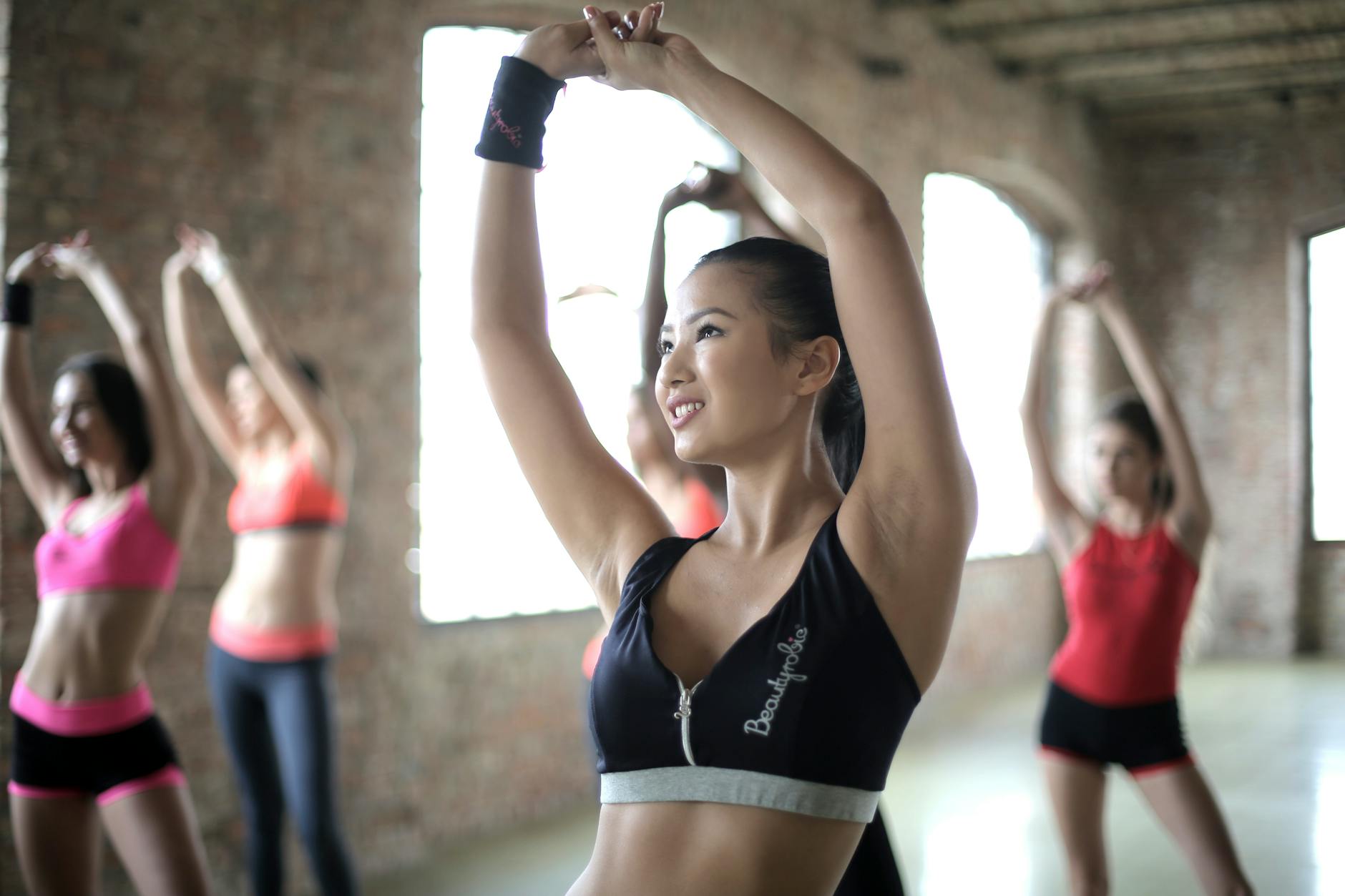
Most people walk into a Zumba class expecting a fun workout and a decent sweat. What they don’t expect is a session that quietly strengthens their bones, sharpens their memory, and may even reduce chronic pain. A 2012 study sponsored by the American Council on Exercise found that a standard 39-minute Zumba class burns an average of 9.5 calories per minute — roughly 369 calories per session — which puts it on par with moderate-to-vigorous cardio like jogging or cycling intervals. But calorie burn is honestly the least interesting thing Zumba has going for it. The lesser-known benefits are what make this format worth a closer look, especially if you’re a runner or endurance athlete searching for effective cross-training.
Research published in peer-reviewed journals has linked consistent Zumba practice to improved respiratory function, maintained bone mineral density, and measurable reductions in pain severity. These aren’t vague wellness claims — they’re outcomes from controlled trials with specific populations. This article breaks down the science behind those findings, covers the cardiovascular and mental health advantages, and addresses where Zumba fits (and where it doesn’t) in a serious fitness routine. Zumba is now practiced in over 180 countries, with roughly 15 million people taking classes weekly across 200,000 locations worldwide. That kind of adoption doesn’t happen on hype alone. So let’s look at what the research actually says.
Table of Contents
- What Are the Hidden Health Benefits of Zumba Most People Miss?
- How Zumba Stacks Up as Cardiovascular Training
- The Mental Health Case for Dance-Based Exercise
- Where Zumba Fits in a Runner’s Cross-Training Plan
- Balance, Fall Prevention, and the Aging Athlete
- The Social and Adherence Factor
- What the Research Still Needs to Address
- Conclusion
- Frequently Asked Questions
What Are the Hidden Health Benefits of Zumba Most People Miss?
The headline benefits — calorie burning, cardiovascular improvement, stress relief — get plenty of attention. But several clinically documented outcomes rarely make it into the marketing materials. A 12-week controlled trial of 55 inactive premenopausal women, ages 30 to 50, found that participants who attended 40-minute zumba classes three times per week maintained bone mineral density and actually increased it at the hip and legs compared to a sedentary control group. That study, published in PMC (PMID in PMC6358983), has real implications for women approaching menopause, when bone loss accelerates and osteoporosis risk climbs. For runners already loading their lower extremities, adding a lateral-movement format like Zumba could complement the bone-strengthening effects of impact exercise in directions that straight-line running doesn’t cover. Then there’s respiratory function.
An 8-week Zumba intervention in inactive women improved vital capacity and forced expiratory volume (FEV1), alongside improvements in body composition. That finding, published in PMC (PMC9819619), matters for anyone whose performance depends on efficient oxygen exchange — which is every runner and every cyclist. Improved FEV1 means you can push more air out of your lungs in one second, a direct marker of how well your respiratory system performs under load. Perhaps the most unexpected finding involves pain management. A 2016 systematic review (PMID 27317918) found that after a 12-week Zumba program, participants experienced a decrease in both pain severity and pain interference in daily activities. For people dealing with chronic pain conditions who’ve been told to stay active but find most exercise programs punishing, Zumba offers a format where the music and choreography serve as a genuine distraction mechanism. That’s not a small thing.

How Zumba Stacks Up as Cardiovascular Training
From a pure cardio standpoint, Zumba delivers. After 12 weeks of consistent classes, participants in multiple studies showed decreased resting heart rate and lower systolic blood pressure — two markers that any cardiologist would consider meaningful. These adaptations coincided with improved endurance, suggesting that the interval-like nature of Zumba choreography (alternating high-energy segments with recovery periods) trains the cardiovascular system in a way that mirrors structured interval work. ACE research also confirmed that Zumba Gold, the lower-impact version designed for older adults, elicits cardiovascular and metabolic responses sufficient to meet established exercise intensity guidelines for maintaining cardiorespiratory fitness. That’s a notable validation.
Many modified exercise programs for seniors fall short of the threshold needed to produce real cardiovascular adaptation, but Zumba Gold apparently clears that bar. For a 65-year-old who finds treadmill walking monotonous, that distinction matters. However, if your primary goal is building peak aerobic capacity for competitive running or cycling, Zumba alone won’t get you there. The work-to-rest ratios aren’t controlled enough, and the intensity is dictated by choreography rather than heart rate zones. A full 60-minute high-intensity Zumba class can burn between 350 and 1,000 calories depending on body weight, age, and effort level, but calorie burn doesn’t equal VO2max improvement. Think of Zumba as a solid aerobic maintenance tool or an active recovery option — not a replacement for structured threshold work or long runs.
The Mental Health Case for Dance-Based Exercise
The neurochemistry of Zumba is genuinely interesting. Like most vigorous exercise, it triggers the release of endorphins, dopamine, and serotonin — the trifecta responsible for reducing stress, anxiety, and depressive symptoms. But Zumba adds a layer that a solo treadmill session doesn’t: synchronized group movement set to music, which research in social psychology has separately linked to increased feelings of bonding and emotional well-being. A 2020 study found that dance-based exercise like Zumba improves cognitive function and reduces symptoms of anxiety and depression. For fibromyalgia patients specifically, Zumba and aerobic dance improved working memory, motor function, and depressive symptoms.
Consider someone managing fibromyalgia who dreads conventional exercise because of flare-up fears. A Zumba class offers enough variability in movement intensity that participants can self-regulate — pulling back during high-energy segments without feeling like they’ve failed the workout. That psychological safety net matters as much as the physiological benefit. The coordination demands of Zumba also function as a cognitive workout. Learning and repeating sequenced dance steps challenges hand-eye coordination and engages both hemispheres of the brain, requiring memory skills that a repetitive cardio format simply doesn’t. For older adults concerned about cognitive decline, this dual-task demand — moving the body while recalling choreography — is exactly the kind of stimulus that neurologists recommend.
Where Zumba Fits in a Runner’s Cross-Training Plan
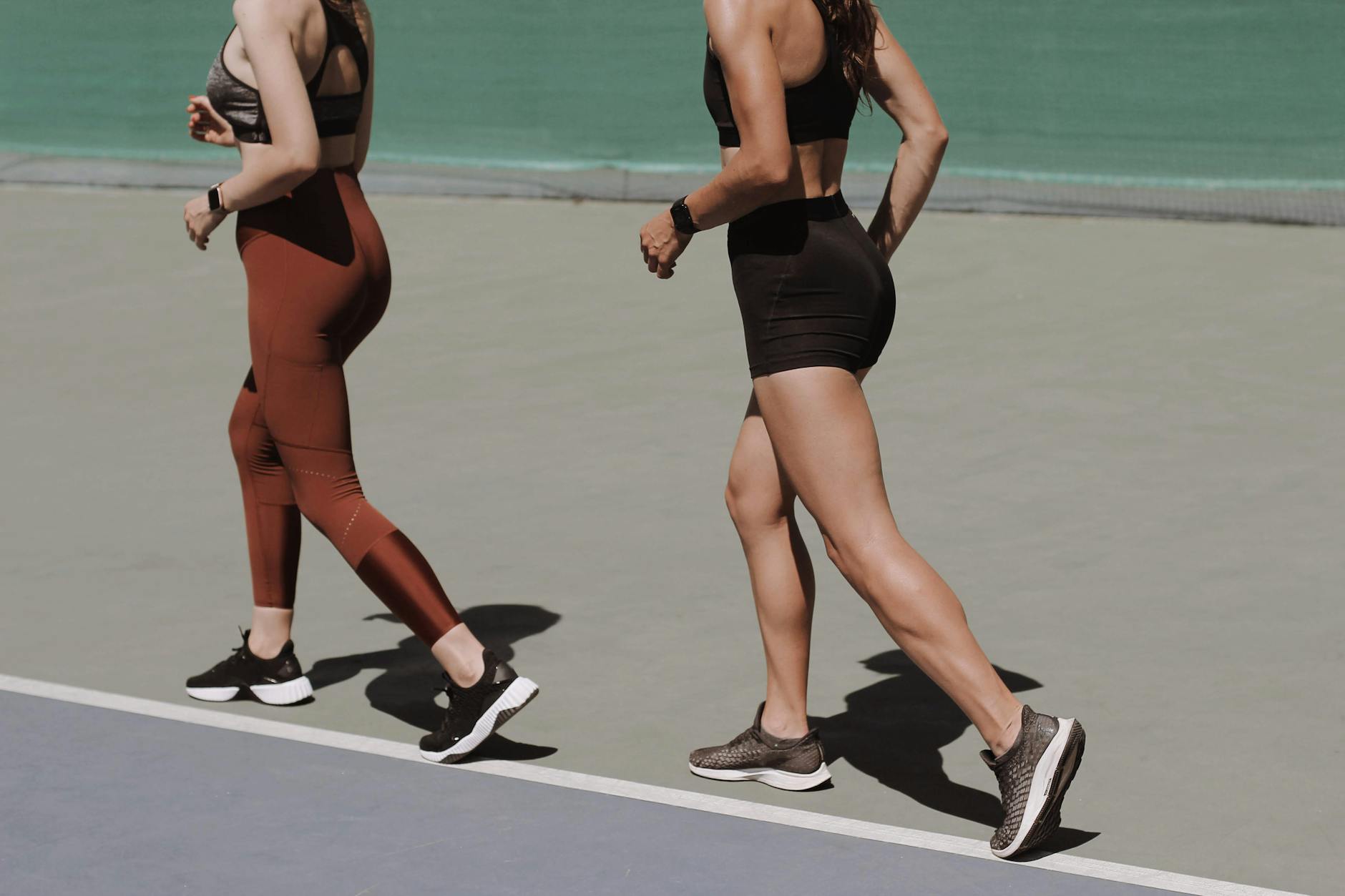
If you run three to five days per week, the question isn’t whether Zumba is good exercise — it’s whether it fills a gap your current routine doesn’t. The answer depends on what you’re missing. Runners tend to move in one plane of motion (sagittal — straight forward), which builds strength and endurance in a narrow movement pattern. Zumba choreography demands lateral shuffles, rotational steps, and multi-directional lunges, which load connective tissues and stabilizer muscles that running neglects. The tradeoff is specificity.
Every hour spent in a Zumba class is an hour not spent on a tempo run, a hill workout, or a long slow distance session. For recreational runners training for general fitness, that’s a worthwhile exchange — you gain mobility, coordination, and lateral stability while still maintaining cardiovascular conditioning. For someone peaking for a marathon, the calculus shifts. In that case, one Zumba session per week as active recovery might work, but two or three sessions would eat into training volume that matters more. A practical approach: use Zumba during base-building phases or recovery weeks when training intensity is deliberately reduced. A 2016 study on overweight women found that after a 12-week Zumba program, participants experienced significant reductions in body weight and BMI, which suggests it’s effective enough to maintain fitness during periods when you’re pulling back from high-impact training.
Balance, Fall Prevention, and the Aging Athlete
One benefit that deserves more attention from the running community is balance. Zumba’s dance sequences improve balance, posture, and coordination — qualities that erode naturally with age and contribute to fall risk. For runners over 50, a fall during a trail run or on an icy sidewalk can mean a broken wrist or hip. Anything that improves proprioception and reactive balance has direct protective value. Zumba Gold was specifically designed to address this, offering a slower-paced, lower-impact version of the standard format.
The choreography preserves the coordination challenge while reducing the joint stress that might sideline an older participant. SilverSneakers programs across the country offer Zumba Gold classes, making it accessible for seniors who might not feel comfortable in a standard high-energy class. The limitation here is honest: Zumba alone doesn’t build the kind of single-leg stability and eccentric strength that truly bulletproofs aging runners against falls and injuries. It should complement, not replace, targeted balance and strength work. If you’re over 60 and running regularly, a combination of Zumba for coordination and reactive balance, plus dedicated single-leg strength exercises like step-downs and Bulgarian split squats, covers more ground than either approach alone.
The Social and Adherence Factor
Exercise science has an uncomfortable truth: the most effective workout is the one people actually do consistently. Zumba’s retention rates are remarkably high compared to other group fitness formats, largely because participants report that it doesn’t feel like exercise. The global Zumba market was valued at $73.23 billion in 2023 and is projected to reach $149.2 billion by 2030 at a 5.1% compound annual growth rate.
That growth isn’t driven by clinical outcomes — it’s driven by the fact that people keep showing up. For someone who has abandoned three gym memberships and two running programs, Zumba’s low barrier to entry and high enjoyment factor might be the thing that finally makes regular exercise stick. And from a health outcomes perspective, 12 weeks of consistent Zumba beats 3 weeks of ambitious running followed by 9 weeks on the couch.
What the Research Still Needs to Address
Most Zumba studies share a few limitations worth noting. Sample sizes tend to be small — the bone density trial involved 55 women, and the respiratory study worked with a similarly modest group. Many studies also lack long-term follow-up beyond 8 to 12 weeks, so we don’t know whether benefits like improved FEV1 or maintained bone mineral density persist at 6 months or a year.
The pain management findings from the 2016 systematic review are promising but need replication with larger and more diverse populations. What would be genuinely useful is head-to-head research comparing Zumba to other dance-based and group fitness formats — not to declare a winner, but to understand which specific elements (music tempo, choreography complexity, group dynamics) drive the outcomes we’re seeing. Until that research exists, the practical takeaway is straightforward: Zumba delivers measurable cardiovascular, musculoskeletal, respiratory, and psychological benefits, and it does so in a format that people enjoy enough to maintain. For runners looking to diversify their training and protect their long-term health, that combination is hard to argue with.
Conclusion
Zumba’s familiar reputation as a fun, calorie-burning dance workout undersells what the research actually supports. Controlled trials have documented benefits ranging from maintained bone mineral density and improved lung function to reduced chronic pain and enhanced cognitive performance. For runners and endurance athletes, these findings point to a cross-training option that addresses movement patterns, stability demands, and physiological systems that linear cardio training tends to miss. The practical next step is simple: try a class.
Most gyms and community centers offer introductory sessions, and Zumba Gold provides an accessible entry point for older adults or anyone returning from injury. Treat it as a complement to your existing training rather than a replacement, schedule it during recovery phases or lower-volume weeks, and pay attention to how your balance, coordination, and overall mood respond over the first month. The calorie burn is a bonus. The benefits you didn’t know about are the real reason to stay.
Frequently Asked Questions
How many calories does a Zumba class actually burn?
According to a 2012 ACE-sponsored study, a standard 39-minute class burns about 9.5 calories per minute, totaling roughly 369 calories. A full 60-minute high-intensity session can burn between 350 and 1,000 calories depending on your body weight, age, and effort level.
Can Zumba improve bone density?
A 12-week controlled trial of 55 inactive premenopausal women found that those attending Zumba three times per week maintained bone mineral density and increased it at the hip and legs compared to a control group. However, these results were specific to premenopausal women, and more research is needed for other populations.
Is Zumba effective enough for serious runners?
Zumba works well as cross-training or active recovery but shouldn’t replace structured running workouts if you’re training for a specific race. It builds lateral stability, coordination, and cardiovascular maintenance without the specificity needed for peak running performance.
Does Zumba help with chronic pain?
A 2016 systematic review found that a 12-week Zumba program reduced both pain severity and pain interference in daily activities. It may be particularly useful for chronic pain sufferers who need an exercise format that keeps them engaged and allows self-regulation of intensity.
Is Zumba safe for older adults?
Zumba Gold was designed specifically for older and less active adults, offering lower-impact, slower-paced choreography. ACE research confirmed it meets exercise intensity guidelines for maintaining cardiorespiratory fitness, and its balance and coordination benefits can help reduce fall risk.
Can Zumba improve mental health?
Yes. Zumba triggers the release of endorphins, dopamine, and serotonin. A 2020 study found that dance-based exercise improves cognitive function and reduces anxiety and depression symptoms. For fibromyalgia patients, it has been shown to improve working memory, motor function, and depressive symptoms.
1 thought on “The Benefits of Zumba You Didn’t Know”
Comments are closed.