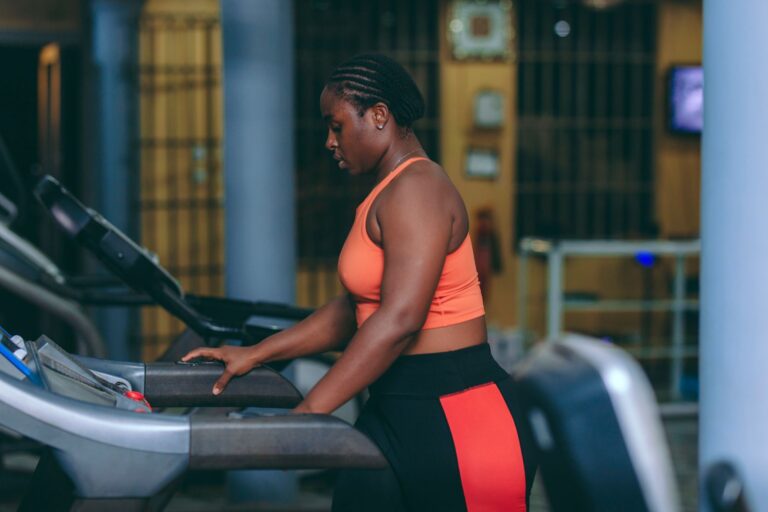
Power walking reshapes your body by burning fat, building lean muscle in your lower body and core, and improving cardiovascular efficiency in ways that rival jogging but with a fraction of the joint stress. Walk consistently at a pace of 4 to 4.5 miles per hour and within weeks you will notice firmer legs, a flatter midsection, and a resting heart rate that drops measurably. A 2023 study published in the British Journal of Sports Medicine found that adults who walked briskly for at least 30 minutes a day reduced their risk of cardiovascular disease by 31 percent and lost more visceral fat over 12 weeks than those who jogged the same duration at moderate intensity.
That finding surprised a lot of people, but the mechanics behind it are straightforward once you understand how sustained moderate effort taps into fat oxidation and muscular adaptation. This article breaks down exactly what happens inside your body when you commit to a power walking routine. We will cover the cardiovascular shifts, the specific muscles that change shape, how your metabolism recalibrates, what to expect in terms of realistic timelines, and where power walking falls short compared to other forms of exercise. If you have been skeptical about whether walking fast enough actually counts as a workout, the evidence should put that question to rest.
Table of Contents
- What Happens to Your Cardiovascular System When You Power Walk Regularly?
- How Power Walking Reshapes Muscles and Burns Stubborn Fat
- The Posture and Core Changes You Can Expect
- Building a Power Walking Routine That Actually Delivers Results
- Where Power Walking Falls Short and How to Compensate
- Mental Health and Sleep Quality Improvements
- The Long Game and What Research Is Revealing Next
- Conclusion
- Frequently Asked Questions
What Happens to Your Cardiovascular System When You Power Walk Regularly?
Your heart is a muscle, and power walking trains it the same way a set of squats trains your quads. When you sustain a pace that puts your heart rate between 60 and 75 percent of its maximum, your left ventricle gradually becomes more efficient at pumping blood with each beat. This is called increased stroke volume, and it is the reason power walkers often see their resting heart rate drop by 5 to 10 beats per minute within two months. Compare that to sedentary individuals who begin a light strolling program. Casual walking at 2.5 miles per hour rarely pushes heart rate high enough to trigger this kind of cardiac remodeling. The cardiovascular benefits extend beyond the heart itself. Consistent power walking improves arterial elasticity, which is the ability of your blood vessels to expand and contract with each pulse of blood.
A study from the University of Colorado Boulder tracked postmenopausal women who power walked four days a week for 12 weeks and found a measurable improvement in their arterial stiffness index, a marker that correlates directly with heart attack and stroke risk. The takeaway is not just that your heart gets stronger. Your entire circulatory plumbing becomes more flexible and responsive. One comparison worth noting: cycling at moderate effort produces similar cardiovascular adaptations, but it does so in a seated, non-weight-bearing position. Power walking forces your body to support its own weight while in motion, which means your cardiovascular system works in concert with your skeletal and muscular systems in a way that translates more directly to everyday functional fitness. You are not just training your heart. You are training your heart to support a body that moves through the real world on two feet.
How Power Walking Reshapes Muscles and Burns Stubborn Fat
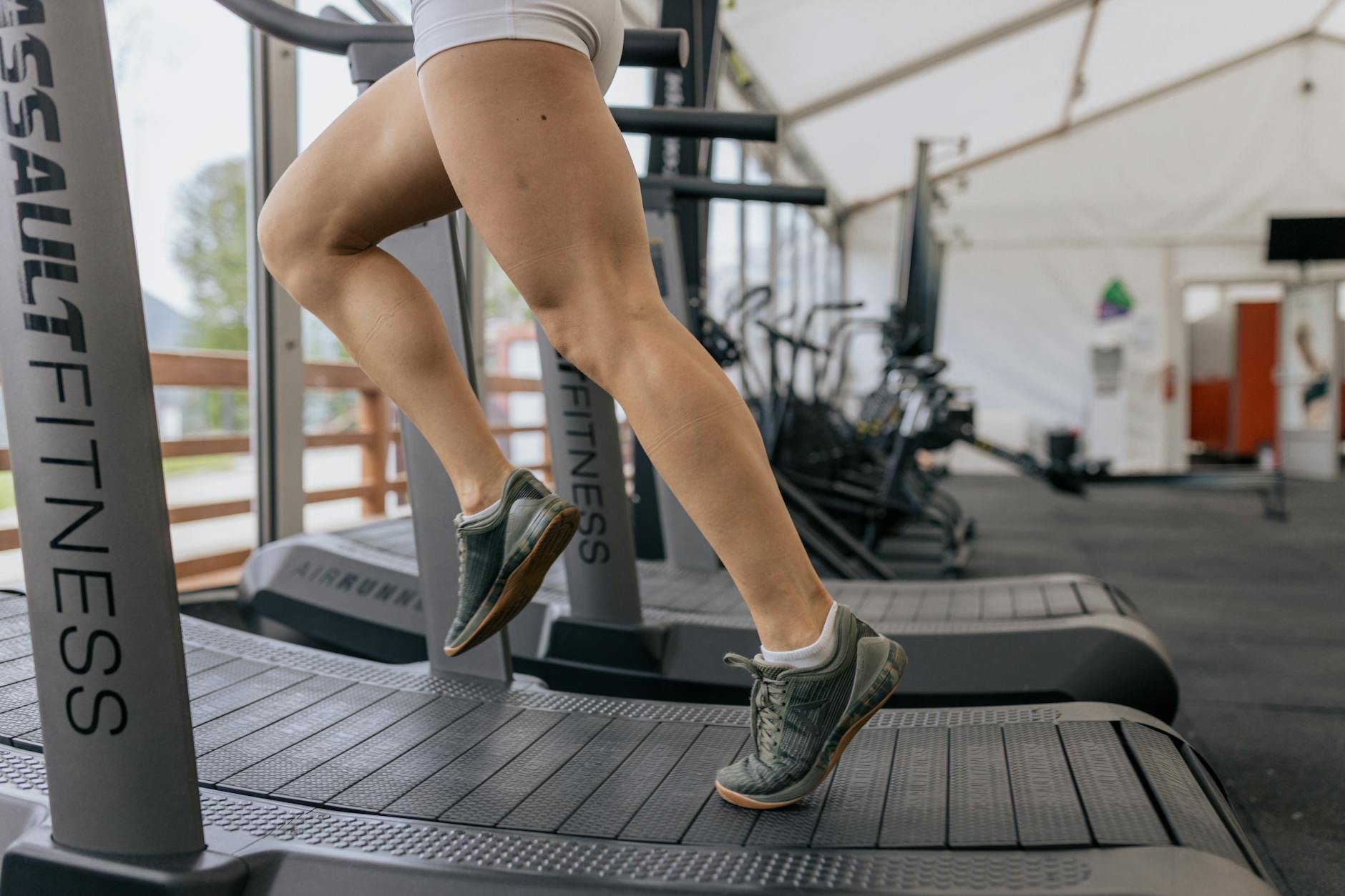
The muscular transformation from power walking is subtle at first but unmistakable over time. Your glutes, hamstrings, calves, and quadriceps all engage during the exaggerated stride and heel-to-toe rollover that define a proper power walking gait. Unlike running, which relies heavily on fast-twitch muscle fibers for explosive push-off, power walking primarily recruits slow-twitch fibers. These fibers are built for endurance and respond to training by becoming denser and more metabolically active without adding significant bulk. The result is toned, defined legs rather than the thicker musculature you might develop from sprinting or heavy squatting. Fat loss from power walking follows a specific physiological pattern that works in your favor. At moderate intensity, your body relies predominantly on fat as fuel rather than glycogen.
This is the so-called fat oxidation zone, and power walking lands squarely in it for most people. A 155-pound person walking at 4.5 miles per hour burns roughly 300 calories per hour, and a disproportionately high percentage of those calories come from fat stores. Over weeks, this preferential fat burning targets visceral fat, the deep abdominal fat wrapped around your organs that is linked to insulin resistance, inflammation, and metabolic syndrome. However, if your goal is to lose significant subcutaneous fat, the kind that sits just under your skin and is visible as love handles or thigh padding, power walking alone may not be sufficient without dietary adjustments. No amount of walking overrides a caloric surplus. People who add power walking to their routine but compensate by eating more afterward often plateau quickly. The exercise is a potent tool for body recomposition, but it works best when paired with a modest caloric deficit and adequate protein intake to preserve lean mass while shedding fat.
The Posture and Core Changes You Can Expect
One of the least discussed but most visible transformations from regular power walking is improved posture. The mechanics of a proper power walking stride demand an upright torso, engaged abdominals, and a slight forward lean from the ankles rather than the waist. Hold that position for 30 to 45 minutes a day and your deep core stabilizers, particularly the transverse abdominis and the multifidus muscles along your spine, adapt to support that alignment even when you are not walking. Office workers who sit for eight or more hours daily often notice the difference within three to four weeks. Their default seated posture shifts because the muscles that hold the spine erect have been retrained. A physical therapist in Portland, Oregon documented this pattern in a case series of 14 patients with chronic lower back pain.
After eight weeks of prescribed power walking five days per week, 11 of the 14 reported meaningful reductions in pain, and postural assessments showed measurable improvements in thoracic extension and pelvic tilt. The walking did not cure their structural issues, but it strengthened the muscular scaffolding around their spines enough to reduce the load on compromised discs and joints. The core engagement also contributes to a visual flattening of the midsection that is separate from fat loss. When your transverse abdominis is stronger, it acts like a natural corset, pulling your abdominal wall inward. You may not lose an inch of belly fat in the first month, but your waist can still appear narrower simply because the muscles holding everything in place have tightened up. This is one reason power walkers sometimes report that their clothes fit differently before the scale moves much.

Building a Power Walking Routine That Actually Delivers Results
The difference between a walk that transforms your body and one that merely passes time comes down to intensity, consistency, and progression. You need to walk fast enough to elevate your heart rate into the moderate zone, which for most adults means a pace where you can talk in short sentences but could not comfortably sing. If you are using a fitness tracker, aim for 120 to 150 beats per minute depending on your age. Walk at this effort level for a minimum of 30 minutes, at least five days per week. Anything less and you are in maintenance territory rather than adaptation territory. There is a tradeoff between duration and frequency that matters here. Three 60-minute walks per week and six 30-minute walks per week produce similar total volume, but the research slightly favors the higher frequency approach for metabolic benefits. Daily moderate effort keeps your insulin sensitivity elevated consistently rather than letting it spike and dip.
On the other hand, longer single sessions are better for building aerobic endurance and mental toughness. The ideal approach for most people is a hybrid: four to five 30-to-40-minute sessions with one longer 60-minute walk on a weekend. Progression is the variable most beginners ignore. Your body adapts to any stimulus within four to six weeks, so a pace that challenged you in January will feel easy by March. Add hills, increase your speed by 0.1 miles per hour every two weeks, incorporate intervals where you alternate between your normal power walking pace and a near-jog pace, or wear a weighted vest once you have a solid base. Without progression, results stall, and the most common complaint about walking programs is that they stop working. They did not stop working. You stopped challenging yourself.
Where Power Walking Falls Short and How to Compensate
Power walking is not a complete fitness solution, and pretending otherwise does a disservice to anyone relying on it as their sole form of exercise. It provides minimal stimulus for upper body strength. Your arms swing, yes, but the load is negligible. After several months of exclusive power walking, you may find that your legs are strong and your cardiovascular health is excellent, but you struggle to carry groceries or open jars. This is not a trivial concern, especially for adults over 40 who are already losing muscle mass at a rate of roughly 3 to 5 percent per decade. The fix is straightforward: pair your power walking routine with two days of resistance training that targets your upper body and posterior chain. Pushups, rows, overhead presses, and deadlifts cover the gaps effectively. You do not need a gym membership or elaborate equipment.
A set of resistance bands and a doorframe anchor point will handle the basics. The point is that walking builds an excellent aerobic base and reshapes your lower body, but it does not create the kind of full-body functional strength that protects you from injury and maintains your independence as you age. There is also a ceiling on caloric expenditure. A runner covering the same distance burns roughly 30 percent more calories due to the higher metabolic cost of the running gait. If you are trying to create a large caloric deficit for rapid weight loss, power walking alone requires a lot of time. An hour of power walking burns approximately 300 to 400 calories. An hour of running at a moderate pace burns 500 to 600. For some people, the joint-sparing benefits of walking are worth the tradeoff. For others, mixing in short running intervals may be a better use of limited time.

Mental Health and Sleep Quality Improvements
The body composition changes get the headlines, but many long-term power walkers cite mental health improvements as the reason they stick with the habit. A 2024 meta-analysis in JAMA Psychiatry confirmed that brisk walking reduces symptoms of depression and anxiety with an effect size comparable to SSRIs for mild to moderate cases. The mechanism involves both neurochemical shifts, including increased serotonin and brain-derived neurotrophic factor, and the simple psychological benefit of daily time outdoors with a sense of forward motion and purpose.
Sleep quality follows a predictable arc. Power walking in the morning or early afternoon improves slow-wave sleep duration, which is the deepest and most physically restorative phase. One caveat: intense power walking within two hours of bedtime can have the opposite effect, elevating core body temperature and cortisol levels enough to delay sleep onset. If evening is your only available window, keep the pace moderate and allow at least 90 minutes of cooldown time before you plan to be in bed.
The Long Game and What Research Is Revealing Next
The most compelling argument for power walking may not be what it does in the first three months but what it does across decades. Longitudinal data from the Nurses’ Health Study, which has tracked over 100,000 women since 1976, consistently shows that regular brisk walkers have lower rates of cardiovascular disease, type 2 diabetes, and certain cancers compared to sedentary peers, even after controlling for other lifestyle factors. Walking is the one form of exercise that people actually maintain into their 70s and 80s. Gym memberships lapse, running knees give out, and cycling requires equipment and safe roads. Walking requires a pair of shoes and a door.
Emerging research is also exploring the relationship between walking speed and biological aging. A 2022 study from the University of Leicester found that habitual fast walkers had longer telomeres, the protective caps on chromosomes that shorten with age, equivalent to being up to 16 years biologically younger than their slow-walking counterparts. The causal direction is still being debated, but the correlation is strong enough that some geriatric researchers now use walking speed as a clinical biomarker for overall health status. Power walking may not just change how your body looks and feels today. It may be changing how fast you age at a cellular level.
Conclusion
Power walking delivers a body transformation that is less dramatic on any single day but remarkably consistent over time. It strengthens your heart, reshapes your legs and core, strips visceral fat, improves your posture, sharpens your mental health, and builds an aerobic base that supports every other physical activity you might pursue. The key requirements are intensity, consistency, and progression. Walk fast enough to challenge your cardiovascular system, show up almost every day, and keep raising the bar as your fitness improves. If you are starting from a sedentary baseline, commit to four weeks before judging the results.
The first two weeks may feel unremarkable. By week three, your resting heart rate will begin to drop and your energy levels will shift. By week six, the physical changes become visible. Supplement with basic resistance training for your upper body, pay attention to your nutrition, and treat your walking sessions with the same respect you would give any other workout. This is not a gentle hobby. Done right, it is a legitimate training discipline that will change your body from the inside out.
Frequently Asked Questions
How fast do I need to walk for it to count as power walking?
Most sources define power walking as a pace between 4.0 and 5.5 miles per hour. For practical purposes, aim for a speed where you are breathing noticeably harder than normal and can speak in short phrases but not hold a comfortable conversation. If you can sing, you are going too slow. If you cannot talk at all, you have crossed into jogging territory.
Will power walking make my legs bulky?
No. Power walking primarily engages slow-twitch muscle fibers, which become denser and more defined rather than larger. The resulting look is lean and toned. Bulky legs require heavy resistance training with progressive overload, which walking does not provide. If anything, power walking combined with a moderate caloric deficit tends to slim the legs over time.
How long before I see visible results from power walking?
Most people notice improved energy and mood within one to two weeks. Physical changes such as firmer legs, improved posture, and modest fat loss typically become visible at the four to six week mark with consistent effort. Significant body recomposition takes three to six months. Individual timelines vary based on starting fitness, diet, and training consistency.
Is power walking better than running for weight loss?
Running burns more calories per hour, but power walking has a lower injury rate and is more sustainable for most people long-term. For weight loss specifically, the best exercise is the one you will actually do consistently. Many people who start running programs quit within months due to joint pain or burnout. Power walkers tend to maintain their habit for years, which produces better cumulative results despite the lower per-session burn.
Can I power walk every day or do I need rest days?
Most healthy adults can power walk daily without issue, since the impact forces are low enough that recovery demands are minimal. However, if you are adding hills, weighted vests, or interval segments, consider taking one or two easier days per week to allow connective tissue to adapt. Listen to your shins and feet. Persistent soreness in those areas is a signal to back off temporarily.
Should I use ankle weights or carry dumbbells while power walking?
Ankle weights are generally not recommended because they alter your gait mechanics and can strain your hip flexors and knees. Carrying dumbbells is marginally useful for calorie burn but creates awkward arm swing patterns. A weighted vest is a better option if you want to add resistance, because it distributes the load evenly across your torso and keeps your walking mechanics natural. Start with no more than 5 percent of your body weight and increase gradually.