

Stair climbing reshapes your body by simultaneously building lower-body muscle and driving serious cardiovascular adaptation, all without a gym membership or a single piece of equipment. Research analyzed by Harvard Health found that people who climb five or more flights of stairs daily are roughly 20 percent less likely to suffer a heart attack or stroke compared to those who skip the stairs entirely. A 2023 scoping review published in PMC confirmed that stair-climbing programs lasting eight weeks or longer produced measurable increases in VO2 max of 2 to 5 ml/kg/min, a meaningful bump in cardiorespiratory fitness that translates to real endurance gains whether you run, cycle, or just want to stop getting winded on a hike.
What makes stair climbing unusual among exercises is that it functions as both cardio and resistance training at the same time. Every step forces you to lift your entire body weight against gravity, recruiting your quadriceps, hamstrings, glutes, calves, and hip flexors in a single movement. That dual demand is why a 154-pound person burns approximately 223 calories in just 30 minutes of moderate stair climbing, roughly three times more than walking on flat ground at a slow pace. Beyond the calorie burn and the muscle engagement, this article covers how stair climbing affects your metabolic health, what the research says about bone density, and how little time you actually need to see results.
Table of Contents
- What Happens to Your Cardiovascular System When You Climb Stairs Regularly?
- How Stair Climbing Burns Calories and Changes Body Composition
- The Metabolic and Blood Sugar Benefits Most People Overlook
- How Much Stair Climbing Do You Actually Need?
- Bone Health, Joint Considerations, and Who Should Be Careful
- Why Runners Should Think of Stairs as Specific Strength Work
- The Case for Stairs as a Lifetime Fitness Habit
- Conclusion
- Frequently Asked Questions
What Happens to Your Cardiovascular System When You Climb Stairs Regularly?
Your heart responds to stair climbing the way it responds to any vigorous demand: it adapts. The cardiac muscle grows more efficient at pumping blood, your resting heart rate drops over time, and your blood vessels maintain better elasticity. A 2025 randomized controlled trial confirmed that brief, intense stair climbing improved cardiorespiratory fitness and metabolic risk factors in inactive young men with obesity, suggesting that you do not need to be already fit to see cardiovascular benefits. The key finding across multiple studies is consistency. Climbing stairs a few times a week over several months produces the kind of vascular improvements that lower long-term disease risk. One particularly striking piece of research came out of McMaster University in 2021. In a randomized trial published in Frontiers in Sports and Active Living, patients with coronary artery disease performed just three 20-second bouts of vigorous stair climbing, three times per week. The results were comparable to traditional cardiac rehabilitation exercise in improving cardiorespiratory fitness.
That is worth pausing on. People with diagnosed heart disease got measurable benefit from a total of 60 seconds of stair climbing per session. For healthy runners and fitness enthusiasts looking to cross-train or supplement their mileage, the cardiovascular return on investment is hard to beat. The comparison to other forms of cardio matters here. Running remains king for building aerobic endurance over long durations, and cycling is easier on the joints. But stair climbing compresses a large cardiovascular stimulus into a short time window because of its high intensity. Fast-paced stair climbing carries a MET value of 9.3, which puts it in the same metabolic neighborhood as running at a moderate pace. If you are short on time, few activities deliver as much cardiovascular stress per minute.

How Stair Climbing Burns Calories and Changes Body Composition
Stair climbing burns approximately 8 to 11 calories per minute depending on your body weight and how fast you move. At a slow pace, the MET value sits around 4.5. Pick up the speed and it jumps to 9.3, meaning fast climbing burns more than twice the calories of slow climbing. that spread matters because it gives you a wide intensity dial to turn. A brisk walk up the office stairwell is decent exercise. A hard effort up ten flights is a genuine workout that will leave most people gasping. The body composition changes go beyond the calorie math.
The 2023 PMC scoping review found that stair-climbing exercise groups showed significant reductions in body weight, BMI, and waist circumference compared to control groups. Health research estimates reported by VOA News suggest that even climbing just two flights of stairs per day can lead to approximately six pounds of weight loss over a year. That number may sound modest, but it represents a near-zero time investment. For runners managing their weight during an off-season or injury layoff, adding stair climbing is one of the easiest ways to maintain a caloric deficit without pounding the pavement. However, stair climbing alone will not produce dramatic body recomposition if your diet is working against you. Like any exercise, its calorie burn can be quickly offset by excess intake. And if your primary goal is upper-body muscle or significant hypertrophy in any muscle group, stairs will not get you there. The stimulus is heavily biased toward the lower body, and while it builds functional strength and muscular endurance, it is not a substitute for progressive resistance training with heavier loads if size is the goal.
The Metabolic and Blood Sugar Benefits Most People Overlook
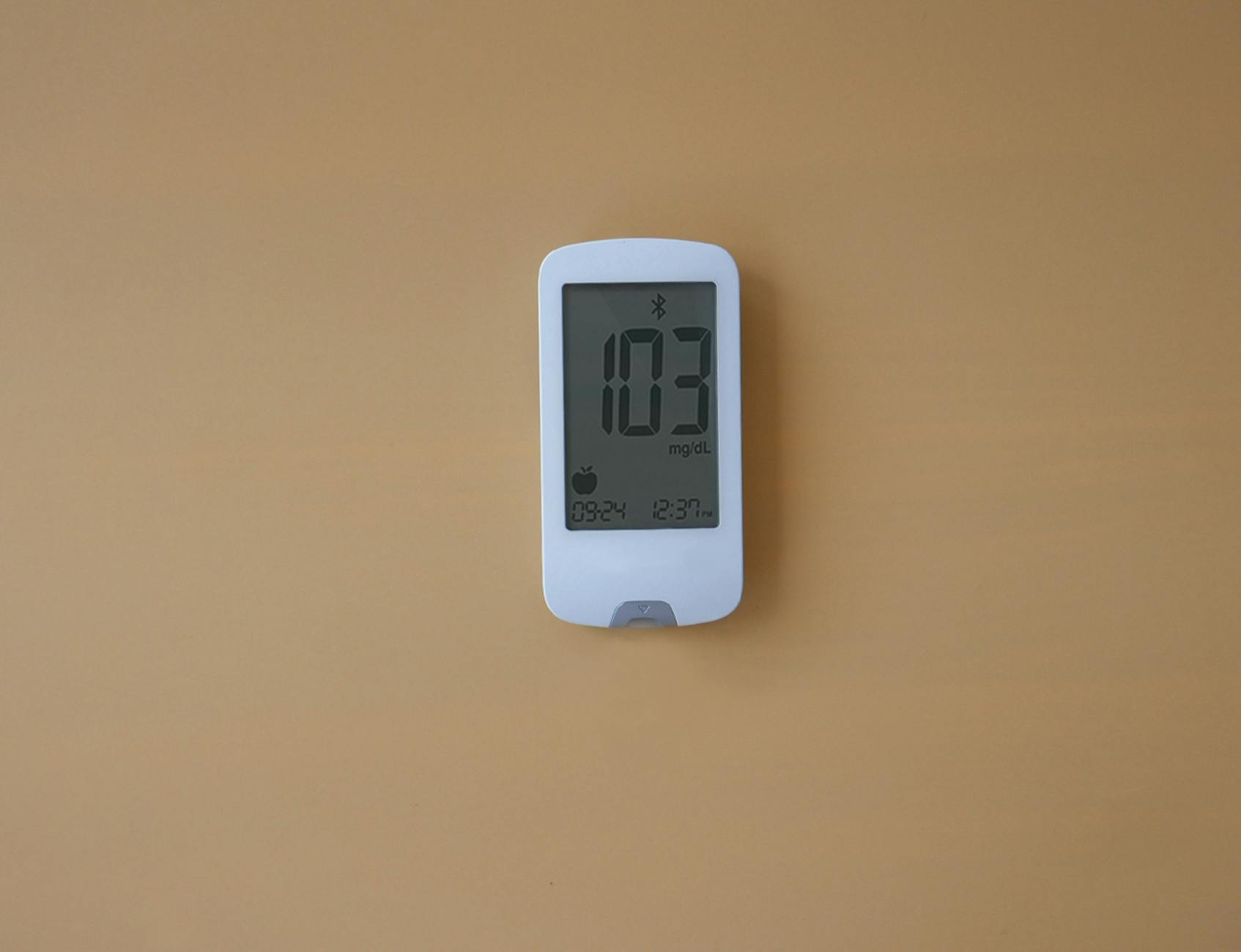
Stair climbing does more than strengthen your heart and burn calories. It also influences how your body processes glucose, manages cholesterol, and regulates blood pressure. A 2016 study found that climbing stairs in three-minute bouts after meals lowered blood sugar levels in people with Type 2 diabetes. That is a practical finding with real daily application: taking the stairs after lunch at work is not just good general advice, it is a targeted intervention that blunts postprandial glucose spikes. The broader metabolic picture is equally compelling.
The 2023 PMC scoping review reported significant improvements in cardiometabolic risk markers across stair-climbing interventions, including blood pressure, cholesterol, glucose levels, and lipid profiles. A separate 2021 study published in PMC found that daily stair climbing is associated with decreased risk for metabolic syndrome, the cluster of conditions that includes high blood sugar, excess abdominal fat, and abnormal cholesterol levels, all of which multiply your risk for heart disease and stroke. For runners and endurance athletes, these metabolic benefits are a bonus layer on top of the cardiovascular and muscular gains. But they are arguably more important for people who are just beginning to exercise or who have been sedentary. Stair climbing offers a metabolic reset that does not require learning any new skills or buying any equipment. If you work in a building with stairs, you already have the infrastructure.
How Much Stair Climbing Do You Actually Need?
The research points to a surprisingly low threshold. McMaster University researchers reported in 2019 that just three flights of stairs, climbed three times per day during work breaks, was enough to boost fitness in otherwise sedentary individuals. That adds up to roughly nine flights spread across an eight-hour workday, an amount that fits easily into bathroom breaks and trips to a different floor. The barrier to entry is about as low as it gets. Compare that to the time demands of other effective workouts. A solid running session requires changing clothes, warming up, running for 20 to 45 minutes, cooling down, and possibly showering. A stair session can take 60 seconds.
The tradeoff is that running builds aerobic capacity across a broader range of intensities, teaches your body to sustain effort over longer durations, and recruits slightly different muscle activation patterns. Stair climbing is not a replacement for a distance run, but it is a powerful complement. For someone training for a hilly race, stair work builds the specific leg strength and power needed for climbs without adding impact volume that risks injury. The five-flights-per-day threshold from the Harvard Health analysis is worth remembering as a practical benchmark. That is roughly 50 to 70 stairs, depending on the building. Most people pass that many stairs in a day if they simply stop defaulting to elevators. The shift from elevator to stairs is one of the rare behavioral changes that costs virtually nothing in time and produces measurable health returns.
Bone Health, Joint Considerations, and Who Should Be Careful
Stair climbing is a weight-bearing exercise, which means it loads your skeleton in ways that stimulate bone maintenance and growth. Research in postmenopausal women found that stair climbing was associated with higher hip and whole-body bone mineral density, reducing osteoporosis risk. For a population at elevated risk of fractures, that is a meaningful protective effect. Runners already get bone-loading stimulus from impact, but stair climbing adds a different vector of force, particularly through the hip joint, which is one of the most common fracture sites in older adults. The limitation is that stairs are not kind to everyone’s joints.
People with existing knee pain, patellar tendinopathy, or significant cartilage degeneration may find that the repetitive deep flexion of stair climbing aggravates their symptoms, especially on the descent. Going down stairs actually places greater compressive force on the knee than going up, so if you have knee issues, you may benefit from climbing up and taking the elevator down. That is not a failure of the exercise. It is a practical modification that preserves the cardiovascular and muscular benefits while managing joint stress. Anyone with a balance disorder, significant orthopedic limitations, or uncontrolled cardiovascular disease should consult a physician before starting a stair-climbing program, particularly at high intensity. The McMaster trial with coronary artery disease patients was conducted under medical supervision, and those results should not be interpreted as blanket permission for unsupervised vigorous exercise in clinical populations.

Why Runners Should Think of Stairs as Specific Strength Work
Hill repeats are a staple of distance running training, and stair climbing is essentially a concentrated version of the same stimulus. The glute and quad engagement during stair ascent mirrors the muscle demands of a steep uphill run, but with a shorter stride and more vertical displacement per step. Competitive runners who add two stair sessions per week often notice improved power on climbs and better finishing kicks, because the stairs build the kind of muscular endurance that translates directly to the final miles of a race when form starts to break down.
A practical example: running coach Jack Daniels has long advocated for hill work as a way to build strength without the injury risk of heavy squats. Stairs offer a similar benefit with even more control over intensity. You can walk them for recovery, jog them for tempo-like effort, or sprint them for VO2 max intervals. The versatility is hard to match in any other single-location exercise.
The Case for Stairs as a Lifetime Fitness Habit
Most exercise routines eventually hit a logistical wall. Gym memberships lapse, running injuries force layoffs, equipment breaks down. Stairs are permanent infrastructure. They exist in office buildings, parking garages, apartment complexes, public parks, and stadiums. The cost is zero.
The learning curve is nonexistent. And the research consistently shows that the minimum effective dose is low enough that almost anyone can fit it into a normal day. As the population ages and sedentary lifestyles become more entrenched, stair climbing may prove to be one of the most efficient public health interventions available. The 2024 European Journal of Preventive Cardiology data continues to reinforce the cardiovascular benefits, and ongoing trials are exploring applications in diabetes management, cognitive health, and post-surgical rehabilitation. For anyone reading this who already runs or trains regularly, stairs are a complementary tool. For anyone who does not exercise at all, stairs are one of the most forgiving places to start.
Conclusion
Stair climbing transforms the body across nearly every measurable dimension of fitness. It strengthens the heart, builds lower-body muscle, burns calories at a rate comparable to running, improves blood sugar regulation, supports bone density, and requires no equipment or financial investment. The research is consistent and growing: five flights a day reduces cardiovascular disease risk by about 20 percent, brief intense sessions improve VO2 max in as little as eight weeks, and even modest daily stair use can lead to meaningful fat loss over a year. The practical takeaway is simple.
Take the stairs. Do it consistently. If you are a runner, treat stair sessions as targeted strength work for hills and late-race power. If you are new to exercise, start with two or three flights a day and build from there. The dose required for meaningful health benefits is smaller than most people assume, and the accessibility of stairs means the only real barrier is the decision to bypass the elevator.
Frequently Asked Questions
How many flights of stairs should I climb per day for health benefits?
Research analyzed by Harvard Health suggests five or more flights per day is associated with roughly a 20 percent reduction in cardiovascular disease risk. However, McMaster University research shows that even three flights, three times a day, is enough to improve fitness in sedentary individuals. Start where you are and build gradually.
Is stair climbing better than running for weight loss?
Stair climbing burns approximately 8 to 11 calories per minute, which is comparable to moderate-paced running. Fast stair climbing has a MET value of 9.3, similar to running. However, most people can sustain a run for longer than they can sustain stair climbing at high intensity, so total calorie burn per session often favors running. The best choice depends on your time, joint tolerance, and preferences.
Can stair climbing replace leg day at the gym?
Stair climbing builds functional lower-body strength and muscular endurance in the quads, glutes, hamstrings, calves, and hip flexors. However, it does not provide the progressive overload needed for significant muscle hypertrophy. If your goal is building larger muscles, stairs should complement, not replace, weighted resistance training.
Is it bad for your knees to climb stairs every day?
For people with healthy knees, daily stair climbing is generally safe and beneficial. However, those with existing knee conditions like patellar tendinopathy or cartilage degeneration may experience aggravation, particularly during descent. A common modification is to climb up and take the elevator down, which preserves most of the cardiovascular and muscular benefits while reducing joint stress.
Does stair climbing help with blood sugar control?
Yes. A 2016 study found that climbing stairs in three-minute bouts after meals lowered blood sugar levels in people with Type 2 diabetes. The 2023 PMC scoping review confirmed significant improvements in glucose levels and other cardiometabolic markers across multiple stair-climbing interventions.