Cycling reshapes your body in ways that few other exercises can match, building lean muscle through your lower body, strengthening your cardiovascular system, and burning fat while placing remarkably little stress on your joints. Within the first few weeks of consistent riding, most people notice their quads and glutes firming up, their resting heart rate dropping, and their clothes fitting differently around the waist and thighs. A 155-pound person cycling at a moderate pace burns roughly 260 calories in 30 minutes, and that caloric expenditure adds up fast when you ride several times a week.
But the transformation goes well beyond weight loss. Cycling changes your body composition, your lung capacity, your hormonal balance, and even your mental health. Someone who starts commuting by bike four days a week will likely see measurable changes in VO2 max within six to eight weeks, along with reduced blood pressure and improved cholesterol ratios. This article covers what happens to your muscles, your cardiovascular system, your metabolism, and your joints as you build a cycling habit, along with honest caveats about what cycling alone cannot do.
Table of Contents
- What Happens to Your Muscles When You Cycle Regularly?
- How Cycling Reshapes Your Cardiovascular System Over Time
- Body Composition Changes and Fat Loss From Cycling
- Building an Effective Cycling Routine for Physical Transformation
- Joint Health, Injury Risks, and What Cycling Cannot Fix
- Mental Health and Hormonal Effects of Regular Riding
- Long-Term Body Adaptations and What to Expect After a Year
- Conclusion
- Frequently Asked Questions
What Happens to Your Muscles When You Cycle Regularly?
The primary muscles cycling targets are the quadriceps, hamstrings, glutes, and calves, with secondary engagement of the hip flexors and core stabilizers. Unlike heavy squatting or leg pressing, cycling builds muscular endurance rather than maximal strength. your legs develop a lean, defined appearance rather than the bulk you might associate with powerlifting. This is because cycling relies on thousands of repeated, moderate-resistance contractions per ride rather than a handful of heavy ones. A typical hour-long ride involves roughly 5,000 pedal strokes, and each one recruits those muscle groups through a full range of motion. Compared to running, cycling places far greater emphasis on the quadriceps during the downstroke and the hamstrings during the upstroke, particularly if you use clipless pedals that allow you to pull as well as push. Runners tend to develop more balanced calf and hip flexor engagement, while cyclists often see disproportionate quad development.
This is worth knowing because it means cycling alone can create muscular imbalances. Riders who neglect their hamstrings and glutes relative to their quads are more prone to knee tracking issues and lower back discomfort over time. Your core also adapts, though less dramatically than your legs. Maintaining a stable position on the saddle, especially during climbs or sprints, requires sustained engagement of your abdominals and lower back muscles. Riders who log serious mileage often develop noticeable definition through the obliques. However, cycling is not a substitute for dedicated core training. The stabilization demands are real but limited compared to exercises like planks, deadlifts, or even swimming.

How Cycling Reshapes Your Cardiovascular System Over Time
Your heart is a muscle, and cycling trains it aggressively. Regular riding increases stroke volume, meaning your heart pumps more blood per beat, which is why your resting heart rate drops as fitness improves. A sedentary adult might have a resting heart rate around 72 beats per minute. After three to six months of consistent cycling, that number can drop into the low 50s or even high 40s. This is not a trivial change. A lower resting heart rate is one of the strongest markers of cardiovascular health and is associated with reduced risk of heart attack, stroke, and all-cause mortality. Cycling also expands your capillary network. Your body responds to the sustained aerobic demand by growing new blood vessels in the working muscles, improving oxygen delivery and waste removal at the cellular level.
This adaptation is part of why trained cyclists recover faster between efforts. A study published in the British Medical Journal found that regular cycling cut the risk of cardiovascular disease by 46 percent compared to non-cycling commuters. However, if you have an existing heart condition or a family history of cardiac events, you should get medical clearance before starting a high-intensity cycling program. Zone 2 riding, the conversational pace that feels sustainable, delivers most of the cardiovascular benefits without the risks that come with pushing into threshold territory too soon. The lung adaptations are equally significant. While cycling does not increase total lung capacity, it dramatically improves your ventilatory efficiency, meaning you extract more oxygen per breath. Your intercostal muscles and diaphragm strengthen, and your body becomes better at matching ventilation to metabolic demand. This is why a hill that left you gasping in month one feels manageable by month four, even if your legs have not gotten much stronger.
Body Composition Changes and Fat Loss From Cycling
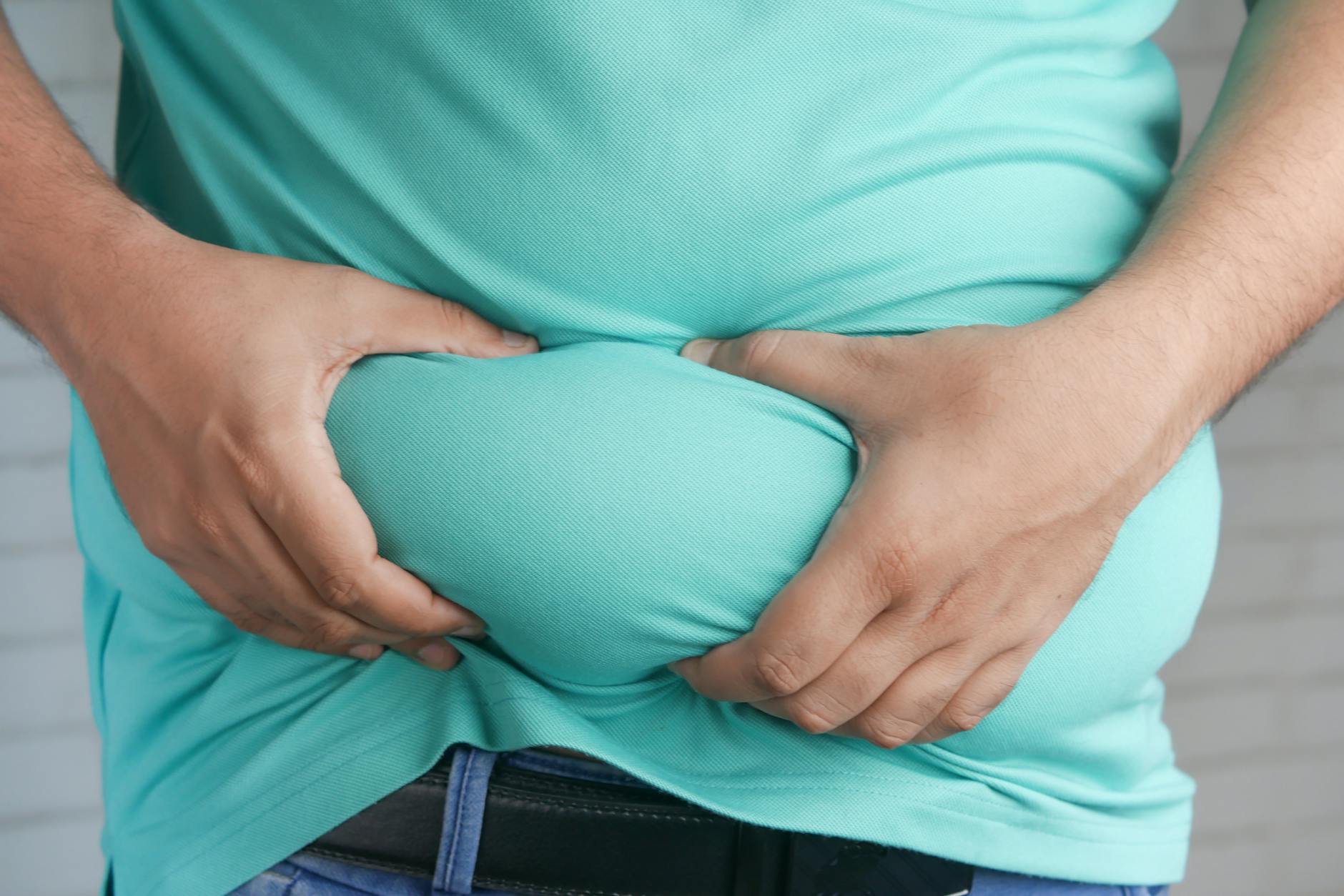
Cycling is one of the most effective activities for shifting body composition because it allows you to sustain a calorie-burning effort for long periods without the joint impact that sidelines many runners. A 180-pound rider doing a moderately vigorous 60-minute ride burns approximately 650 to 700 calories. Over a week of four rides, that is nearly 2,800 calories, enough to create a meaningful deficit without dietary changes. Combine that with even modest adjustments to eating habits, and fat loss becomes consistent. The body composition shift is often more dramatic than the scale suggests. Cycling simultaneously builds muscle in the legs and glutes while burning visceral and subcutaneous fat, so someone might lose only five pounds on the scale but drop a full pant size.
This is particularly true for people who are new to exercise or returning after a long break. The initial recomposition phase, where fat decreases and muscle increases at roughly the same rate, can last several months. There is an important caveat here. Long rides stimulate appetite, sometimes dramatically. Many new cyclists find themselves overeating after rides because they overestimate their calorie burn or because the hormonal response to endurance exercise genuinely spikes hunger. If fat loss is a primary goal, shorter, higher-intensity sessions like intervals or tempo rides can be more effective than long, slow efforts because they create a significant afterburn effect without triggering the same level of compensatory eating. Tracking your intake for a few weeks while establishing a cycling routine is a practical way to make sure the effort on the bike is not being canceled out in the kitchen.
Building an Effective Cycling Routine for Physical Transformation
The most common mistake new cyclists make is riding at the same moderate intensity every time they get on the bike. This approach yields diminishing returns after the first month or two. A more effective strategy follows a polarized training model: roughly 80 percent of your rides should be at a low, conversational intensity, and 20 percent should include structured high-intensity work like intervals, hill repeats, or tempo blocks. This distribution, borrowed from elite endurance coaching, maximizes both aerobic base development and the metabolic stress that drives body composition changes. For someone riding four days a week, that might look like three easy rides of 45 to 90 minutes and one session with something like six intervals of four minutes at a pace where talking is difficult, separated by three-minute recovery spins. The easy rides build your aerobic engine and capillary density, while the hard session pushes your lactate threshold higher and generates a stronger post-exercise metabolic response.
Compared to doing four moderate rides, this approach produces faster fitness gains and more noticeable body changes, though it requires genuine discipline on the easy days. Riding easy when you feel good is harder than it sounds. Indoor versus outdoor cycling is another tradeoff worth understanding. Indoor trainers and spin bikes eliminate coasting, stop signs, and downhills, meaning you pedal continuously and can accumulate more training stress per minute. A 45-minute indoor session often delivers the equivalent workload of a 75-minute outdoor ride. But outdoor riding builds bike handling, engages more stabilizing muscles, and provides the mental health benefits of being outside. Most people do best with a mix, using the trainer for structured interval work and saving outdoor rides for longer endurance efforts and the sheer enjoyment that keeps the habit alive.
Joint Health, Injury Risks, and What Cycling Cannot Fix
Cycling’s low-impact nature is one of its greatest selling points, and for people with knee osteoarthritis, shin splints, or stress fractures, it can be a way to maintain fitness when running is off the table. The circular pedal motion loads the knee joint without the repetitive ground impact that damages cartilage over time. Orthopedic specialists frequently recommend cycling as a rehabilitation activity for this reason. However, low impact does not mean no impact, and cycling creates its own injury patterns. The most common overuse injuries are patellar tendinitis from improper saddle height, IT band syndrome from cleat misalignment, and lower back pain from an aggressive riding position held for too long. A bike fit, done by a qualified fitter rather than just eyeballed from a YouTube video, is the single best investment a new cyclist can make.
A few millimeters of saddle adjustment can mean the difference between comfortable riding and a chronic knee problem. There is also a limitation that cycling enthusiasts sometimes resist hearing: cycling does very little for your upper body or your bone density. Because it is non-weight-bearing, cycling does not stimulate the osteoblast activity that strengthens bones the way running, jumping, or resistance training does. Long-term cyclists who do nothing else can actually develop lower bone density than sedentary adults, particularly in the spine and hips. This is not a reason to avoid cycling, but it is a strong reason to supplement it with two or three sessions per week of weight-bearing exercise or resistance training. Even basic bodyweight work like push-ups, lunges, and planks can offset this gap.

Mental Health and Hormonal Effects of Regular Riding
The psychological transformation from cycling often surprises people as much as the physical one. Aerobic exercise at moderate intensity triggers the release of endorphins, serotonin, and brain-derived neurotrophic factor, a protein that supports the growth of new neural connections. A 2019 study in The Lancet Psychiatry, drawing on data from over 1.2 million Americans, found that cycling was among the top three exercise types associated with the fewest days of poor mental health per month. Cycling outdoors amplifies these benefits.
The combination of rhythmic physical effort, changing scenery, and exposure to natural light creates a potent mood-regulating effect. Anecdotally, many people who begin bike commuting report that the morning ride replaces their need for coffee as a mental wake-up, and the evening ride serves as a decompression buffer between work stress and home life. The hormonal picture matters too. Regular cycling reduces cortisol levels over time, improves insulin sensitivity, and in men, has been shown to maintain testosterone levels better than sedentary aging. The old myth that cycling reduces testosterone or impairs reproductive health has been largely debunked by large-scale studies, though prolonged pressure from a poorly fitted saddle remains a legitimate comfort concern.
Long-Term Body Adaptations and What to Expect After a Year
After 12 months of consistent cycling, the changes are systemic. Your resting heart rate will be substantially lower, your VO2 max will have improved by 10 to 20 percent depending on your starting fitness, and the muscles of your lower body will be visibly leaner and more defined. Most people also report improved sleep quality, more stable energy levels throughout the day, and a fundamentally different relationship with their body and what it can do. Looking forward, the growing availability of power meters and smart trainers is making structured training accessible to recreational riders in a way that was reserved for professionals a decade ago.
Tracking watts per kilogram gives you a precise, objective measure of fitness that the scale alone never could. Whether your goal is completing a century ride, commuting year-round, or simply staying healthy into your 60s and beyond, cycling offers a sustainable path that adapts with you. The body you build on the bike is not just about aesthetics. It is a more efficient, more resilient machine, built one pedal stroke at a time.
Conclusion
Cycling transforms your body through a combination of muscular development in the lower body, dramatic cardiovascular improvement, favorable body composition shifts, and meaningful mental health benefits. The changes begin within weeks and compound over months, making it one of the most time-efficient and joint-friendly forms of exercise available. The key principles are simple: ride consistently, vary your intensity, get a proper bike fit, and supplement with some form of resistance training to address the gaps cycling leaves in upper body strength and bone density. If you are just starting, commit to three rides a week for eight weeks before judging the results.
Use a mix of easy rides and one harder session. Pay attention to saddle comfort and bike position early, before bad habits create overuse injuries. And do not obsess over the scale. The mirror, your resting heart rate, and how you feel climbing a flight of stairs will tell you far more about the transformation underway than any number on a bathroom scale.
Frequently Asked Questions
How long does it take to see body changes from cycling?
Most people notice firmer legs and improved energy within two to three weeks of riding three or more times per week. Visible body composition changes, like a leaner waistline and more defined quads, typically become apparent around the six- to eight-week mark. Cardiovascular improvements, measured by resting heart rate, can show up even sooner.
Will cycling make my legs bulky?
For the vast majority of riders, no. Cycling builds lean, endurance-oriented muscle rather than bulk. The high-repetition, moderate-resistance nature of pedaling favors slow-twitch muscle fiber development. You would need to combine cycling with heavy resistance training and a significant caloric surplus to develop large leg mass.
Is cycling better than running for weight loss?
Neither is categorically better. Cycling allows longer sessions with less joint stress, which can mean higher total calorie expenditure per week for people who cannot tolerate frequent running. Running burns slightly more calories per minute at equivalent effort levels. The best choice is the one you will actually do consistently.
Can cycling give you abs?
Cycling engages your core stabilizers, but it will not build visible abdominal definition on its own. Visible abs are primarily a function of low body fat percentage, which cycling can help achieve, combined with direct core strengthening exercises that cycling does not adequately provide.
How does cycling affect your body shape compared to swimming?
Cycling primarily develops the lower body, particularly the quads and glutes, creating a lean, tapered leg appearance. Swimming distributes muscle development more evenly across the upper and lower body, with particular emphasis on the shoulders, lats, and back. Combining the two covers more muscle groups than either alone.
Does cycling reduce belly fat specifically?
No exercise targets belly fat specifically. However, cycling is highly effective at reducing overall body fat, and visceral abdominal fat tends to respond well to sustained aerobic exercise. Studies have shown that regular moderate-intensity cycling significantly reduces waist circumference over a 12-week period, even without dietary changes.