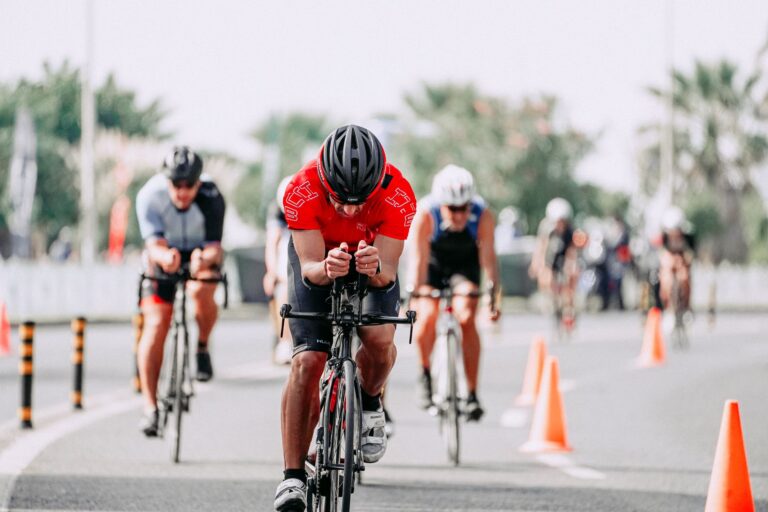
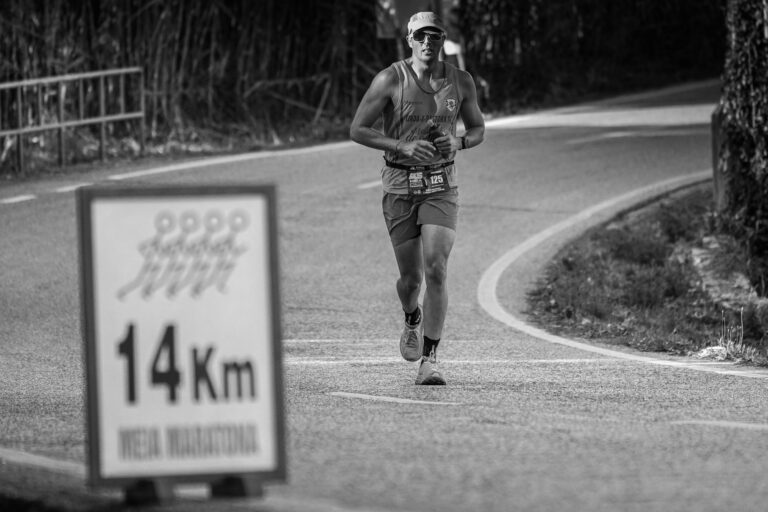
Recovering after a fartlek session comes down to three priorities in the first 30 minutes: rehydrate with electrolytes, consume a mix of carbohydrates and protein, and keep your legs moving with a proper cooldown walk or light jog. Fartlek training, with its unpredictable surges between high-intensity sprints and easy recovery jogs, taxes both your aerobic and anaerobic energy systems simultaneously, which means your body faces a more complex recovery demand than it would after a steady-state run. A runner who finishes a 40-minute fartlek on a hilly trail, for instance, has burned through glycogen stores at uneven rates across different muscle fiber types and generated more metabolic waste than someone who ran the same duration at a constant pace. Beyond the immediate post-run window, recovery from fartlek workouts involves managing delayed-onset muscle soreness, restoring nervous system balance, and planning your next training session with enough buffer to avoid compounding fatigue.
Because fartlek blends speed work with endurance in a single session, many runners underestimate how much recovery it actually requires — treating it like a regular easy run rather than the legitimate speed session it is. This article covers the physiological demands that make fartlek recovery unique, specific nutrition and hydration strategies, sleep and soft tissue work, how to structure the days after a fartlek, and the warning signs that you haven’t recovered enough before your next hard effort. The good news is that fartlek recovery doesn’t require anything exotic. It requires consistency with fundamentals and an honest assessment of how hard your body actually worked, which is often harder than most runners admit.
Table of Contents
- Why Does Fartlek Training Demand a Different Recovery Approach?
- The 30-Minute Recovery Window After a Fartlek Session
- How Active Cooldowns Accelerate Fartlek Recovery
- Structuring the 24 to 48 Hours After a Fartlek Workout
- Warning Signs That You Haven’t Recovered From Your Fartlek
- Foam Rolling, Massage, and Soft Tissue Work After Fartlek Training
- Building Long-Term Fartlek Recovery Into Your Training Plan
- Conclusion
- Frequently Asked Questions
Why Does Fartlek Training Demand a Different Recovery Approach?
fartlek places a distinct demand on your body because it recruits a broader spectrum of muscle fibers than either pure interval training or steady-state running. During a traditional interval session on the track, you know exactly when the hard efforts start and stop, and your body can anticipate the stress. Fartlek, by contrast, involves spontaneous surges — sprinting to a lamppost, pushing hard up a hill, then settling back to a shuffle — which means your neuromuscular system never fully settles into a rhythm. This constant shifting between energy systems produces higher levels of blood lactate variability and greater overall central nervous system fatigue than a predictable workout of equal duration. Research published in the Journal of Strength and Conditioning Research has shown that variable-intensity exercise produces greater post-exercise oxygen consumption (EPOC) than steady-state exercise at the same average intensity.
In practical terms, your metabolism stays elevated longer after a fartlek, and your muscles face more micro-damage from the repeated accelerations and decelerations. Compare this to a tempo run, where the sustained effort is taxing but mechanically consistent — your stride doesn’t change dramatically. In a fartlek, the biomechanical shifts between sprinting and jogging stress tendons, connective tissue, and stabilizer muscles in ways that accumulate quietly and show up as stiffness 24 to 48 hours later. The takeaway is that you should treat a fartlek as a quality session, not a fun jog with some pickups. Your recovery plan should reflect the intensity of your surges, not just the average pace your watch displays. A 45-minute fartlek where you hit several near-maximal efforts needs recovery closer to what you’d give a track workout than what you’d give an easy aerobic run.
The 30-Minute Recovery Window After a Fartlek Session
The first half hour after finishing a fartlek is when your body is most primed to begin repairing itself. Glycogen synthase, the enzyme responsible for restoring muscle glycogen, is most active immediately post-exercise. Consuming 1.0 to 1.2 grams of carbohydrate per kilogram of body weight within this window, paired with 20 to 30 grams of protein, kickstarts muscle repair and tops off depleted fuel stores. For a 70-kilogram runner, that’s roughly 70 to 85 grams of carbs — the equivalent of a banana, a handful of pretzels, and a glass of chocolate milk. However, if your fartlek was on the shorter or less intense side — say, 20 minutes with only moderate surges — you don’t need to obsess over immediate refueling. The 30-minute window matters most when glycogen depletion is significant, which typically happens during sessions lasting 45 minutes or longer with genuinely hard efforts.
Forcing a big post-run meal after a light fartlek can actually cause GI discomfort without meaningful recovery benefit. The key is proportionality: match your refueling to the actual demand of the session, not to a blanket rule you read on the internet. Hydration deserves equal attention. Weigh yourself before and after a few fartlek sessions to gauge your typical sweat loss. For every pound lost, aim to drink roughly 16 to 24 ounces of fluid in the hours following. Plain water works for shorter sessions, but if your fartlek lasted over an hour or took place in heat, an electrolyte drink with sodium and potassium will restore what sweat stripped away more effectively.
How Active Cooldowns Accelerate Fartlek Recovery
One of the most effective and most skipped recovery strategies is the active cooldown. Walking or jogging at a very easy pace for 10 to 15 minutes after your last fartlek surge helps clear lactate from working muscles, gradually lowers your heart rate, and prevents blood from pooling in your legs. A study from the International Journal of Sports Medicine found that active recovery reduced blood lactate concentrations by up to 25 percent more than passive rest in the same time frame. In practice, this means resisting the urge to stop your watch and collapse onto the grass after your final hard pickup. Instead, drop to a pace so slow it barely qualifies as jogging — think of it as a shuffle with just enough momentum to keep your legs turning over.
A concrete example: if you’ve been doing fartlek surges in a park, use the walk back to your car or your front door as a deliberate cooldown. Add dynamic stretching at the end — leg swings, walking lunges, gentle high knees — rather than static holds, which are better reserved for later in the day when your muscles have had time to settle. The cooldown also serves a neurological purpose. Fartlek demands rapid-fire decision making about pace changes, and your sympathetic nervous system stays activated during those surges. An easy cooldown gives your parasympathetic system a chance to reassert itself, bringing down cortisol levels and transitioning your body from a state of stress into a state of repair.

Structuring the 24 to 48 Hours After a Fartlek Workout
The day after a fartlek should not be another hard session. This sounds obvious, but the informal nature of fartlek — it doesn’t feel as “official” as a track workout — tempts many runners into stacking it against tempo runs or long runs with insufficient recovery. A reasonable approach is to follow a fartlek day with either a full rest day or a very easy recovery run of 20 to 30 minutes at a pace where you could hold a conversation without any effort. The tradeoff is between active and passive recovery in this window. Active recovery — an easy jog, a swim, or cycling at low intensity — promotes blood flow and can reduce stiffness faster than sitting on the couch.
But passive recovery — actual rest, napping, doing nothing — gives your central nervous system a break that active recovery cannot. For runners over 40, or anyone doing more than three quality sessions per week, erring toward passive recovery the day after a fartlek often pays greater dividends. Younger runners or those with a strong aerobic base can usually handle an easy shakeout run the following day without issue. Sleep is the single most powerful recovery tool available, and it costs nothing. Aim for seven to nine hours the night after a fartlek, and if possible, keep your sleep environment cool — around 65 degrees Fahrenheit — since your body needs to lower its core temperature to enter the deep sleep stages where growth hormone release peaks and muscle repair accelerates.
Warning Signs That You Haven’t Recovered From Your Fartlek
Incomplete recovery from fartlek sessions is one of the most common contributors to overtraining syndrome in recreational runners, precisely because fartlek feels less formal than structured intervals. The warning signs are subtle at first: your easy runs start feeling harder than usual, your resting heart rate creeps up by five or more beats per minute over several days, and your motivation to train drops without an obvious reason. If you’re using a heart rate variability tracker, a sustained decrease in HRV over three or more days after a fartlek is a reliable signal that your autonomic nervous system hasn’t recovered. A specific red flag to watch for is performance stagnation or regression during your next quality session. If you did a fartlek on Tuesday and your Thursday tempo run feels sluggish with a higher heart rate at the same pace, you didn’t recover enough between the two.
The fix isn’t to push through — it’s to add an extra easy day or swap the next hard session for an easy aerobic run. Ignoring these signals and continuing to train hard is how minor fatigue compounds into injuries like shin splints, Achilles tendinopathy, or stress fractures. One limitation of subjective recovery assessment is that adrenaline and caffeine can mask fatigue. You might feel fine during the warmup of your next run, only to fall apart two miles in. Tracking objective metrics — resting heart rate, HRV, sleep quality scores — over time gives you a more honest picture than going by feel alone, especially during high-volume training blocks.
Foam Rolling, Massage, and Soft Tissue Work After Fartlek Training
Foam rolling after a fartlek can reduce perceived soreness and improve range of motion in the short term, though the research on its long-term recovery benefits remains mixed. A 2019 meta-analysis in Frontiers in Physiology found that foam rolling reduced delayed-onset muscle soreness (DOMS) when performed for 10 to 20 minutes post-exercise, with the greatest benefit seen in the calves, quads, and IT band — exactly the areas most stressed by fartlek’s acceleration-deceleration pattern.
Spend 60 to 90 seconds per muscle group, rolling slowly and pausing on tender spots rather than aggressively grinding back and forth. If you have access to a massage therapist, scheduling a session 24 to 48 hours after a particularly demanding fartlek can help. But avoid deep tissue massage within the first six hours post-run, as the inflammatory response is still doing useful repair work and aggressive manipulation can interfere with that process.
Building Long-Term Fartlek Recovery Into Your Training Plan
The smartest approach to fartlek recovery isn’t just what you do after each session — it’s how you position fartlek within your weekly and monthly training structure. Periodizing your fartlek intensity over a training cycle means that not every fartlek needs to be a leg-burning sufferfest. Some weeks, your fartlek should feature gentle surges at half-marathon effort with long recovery floats. Other weeks, especially during a sharpening phase, the surges can approach mile-race intensity.
This undulation gives your body recurring recovery opportunities built into the training plan itself. Looking forward, wearable technology is making individualized recovery prescription more accessible. Devices that track HRV, sleep stages, and training load can now suggest whether your body is ready for another fartlek or needs more easy running. While no device replaces self-awareness and coaching experience, combining objective data with subjective feel gives you the best shot at recovering well consistently — which, over months and years, is what separates runners who keep improving from runners who keep getting injured.
Conclusion
Recovering from a fartlek session requires recognizing it for what it is: a genuine speed workout wrapped in a more freeform structure. The essentials are a proper cooldown, timely nutrition and hydration, adequate sleep, and honest spacing between hard efforts. Foam rolling, active recovery, and objective tracking tools all play supporting roles, but none of them substitute for the basics of eating well, sleeping enough, and not doing another hard session before your body is ready.
The most important shift is mental. Stop thinking of fartlek as a casual run with some fast bits and start treating its recovery with the same respect you’d give to a track session. When you do, you’ll find that your next fartlek — and every other workout in your week — benefits from the compounding effect of consistently training from a recovered state rather than a fatigued one.
Frequently Asked Questions
How long should I rest between fartlek sessions?
Most runners should allow at least 48 hours between a fartlek and their next hard session. If you’re running high weekly mileage or are over 40, 72 hours is often more appropriate. The key indicator is whether your easy runs between sessions feel genuinely easy.
Is it okay to do a fartlek the day after a long run?
Generally, no. Both sessions create significant fatigue, and stacking them without recovery dramatically increases injury risk. Separate your long run and fartlek by at least two easy days, or place them at opposite ends of the training week.
Should I take an ice bath after a fartlek?
Cold water immersion can reduce soreness, but it may also blunt the adaptive training response if used routinely. Save ice baths for periods when you’re racing frequently and need to recover quickly between events. During normal training, let inflammation do its job.
Can I do strength training on the same day as a fartlek?
Light strength work focused on stability and mobility is fine later in the day. Heavy lifting, especially lower body, should be scheduled on a separate day or at least six hours apart to avoid compounding lower-limb fatigue.
How do I know if my fartlek was hard enough to require a dedicated recovery day?
If your surges reached 85 percent or more of your max heart rate, or if you did more than six hard pickups lasting 60 seconds or longer, treat it as a quality session requiring at least one easy day afterward. Shorter, gentler fartleks with moderate surges may only need a standard easy run the next day.