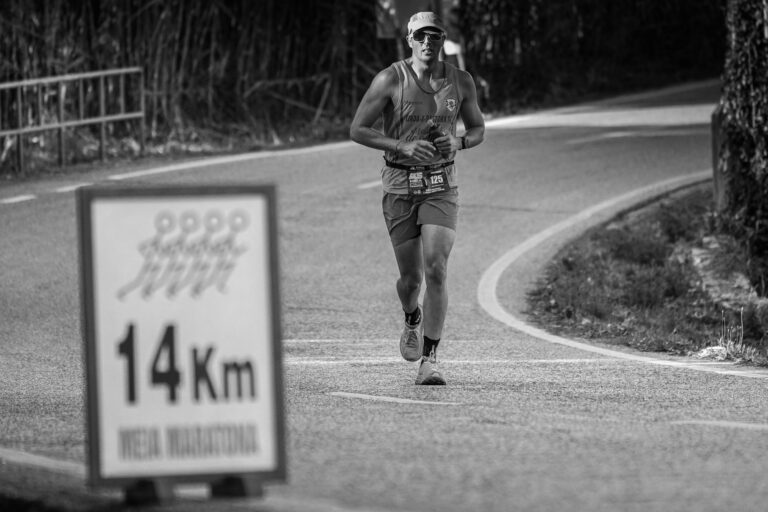
The most common fartlek mistakes that slow runners down are poor pacing, inadequate recovery between intervals, and skipping the warm-up entirely. These errors turn what should be a flexible, productive speed session into a slog that builds bad habits rather than fitness. A runner who sprints the first three bursts of a fartlek and then crawls through the remaining twenty minutes has not completed a speed workout — they have practiced falling apart, which is exactly the pattern that shows up on race day. Fartlek, Swedish for “speed play,” was invented by coach Gösta Holmér in the late 1930s as a way to blend continuous endurance running with bursts of faster-than-race-pace effort.
The format is deliberately unstructured compared to traditional interval training, which is part of its appeal — but that freedom also gives runners more room to sabotage themselves. A 2018 study published in Physiological Reports found that 40 days of interval training improved running economy across various effort levels, confirming that this style of training works when executed properly. The problem is execution. This article breaks down the specific fartlek mistakes that undermine your training, from going out too fast to falling into repetitive patterns, and offers concrete fixes grounded in coaching recommendations and current research.
Table of Contents
- What Are the Biggest Fartlek Mistakes That Slow Runners Down?
- Why Doing Fartlek Too Often Destroys Your Progress
- The Repetition Trap — When Your Fartlek Becomes Stale
- How to Structure Fartlek for Actual Improvement
- Consistency Problems and the Overtraining Boundary
- Neglecting the Mental Side of Speed Play
- Where Fartlek Fits in a Modern Training Plan
- Conclusion
- Frequently Asked Questions
What Are the Biggest Fartlek Mistakes That Slow Runners Down?
The single most damaging mistake is going out too fast. Inexperienced runners treat the first interval like a race start, hitting near-maximal effort within the first minute. The result is predictable: the quality of every subsequent interval drops, recovery jogs become walks, and the session ends early or limps to a finish. This trains exactly the wrong pacing instinct. On race day, these runners default to the same front-loaded pattern — fast start, gradual collapse. fartlek should teach your body to produce speed on demand throughout a run, not just at the beginning. The second major mistake is insufficient recovery between intervals. After a speed burst, the easy jog segment exists to let your heart rate drop and your legs clear metabolic waste so the next effort can be genuinely fast.
Cutting that recovery short — jogging only 30 seconds before launching into the next surge — means each interval is slower and sloppier than the last. For beginners, a solid starting ratio is one minute fast followed by two to three minutes easy. That sounds like a lot of easy running, and it is. That is the point. Compare this to the runner who does one minute on, one minute off from the start: by interval five, their “fast” pace is barely faster than their easy pace, and the entire workout has lost its training stimulus. A third foundational error is skipping the warm-up and cool-down. Jumping straight into high-intensity surges without preparing muscles and joints increases the risk of strains and sprains. Every fartlek session should begin with at least ten minutes of light jogging and some dynamic stretching — leg swings, high knees, lateral shuffles — before the first fast effort. The cool-down matters too: five to ten minutes of easy running helps flush lactate and signals your nervous system to begin recovery.

Why Doing Fartlek Too Often Destroys Your Progress
Speedwork should account for only about 20 percent of your total training volume. This is the 80/20 rule that governs most successful distance training programs, and fartlek is no exception. The remaining 80 percent should be genuinely easy running — conversational pace, low heart rate, aerobic base-building work. Runners who discover fartlek often fall in love with the intensity and start doing it three, four, even five days a week. The result is not faster running. It is burnout, chronic soreness, and overtraining syndrome. However, if you are running only three days a week total, the math changes.
One fartlek session out of three runs is 33 percent of your volume dedicated to intensity, which is higher than the recommended ratio. In that case, you might make one of your three runs a fartlek but keep the hard efforts short and moderate, reserving your truly fast work for weeks when your total volume is higher. The guideline of one to two fartlek sessions per week assumes a runner logging at least four to five days of running. Context matters more than rigid rules. There is also the mistake of increasing volume and intensity simultaneously. Adding a mile to your long run while also adding a fartlek session in the same week is a recipe for injury. These should be progressed independently — build your mileage base first, then layer in speed work, or maintain mileage while increasing the difficulty of your fartlek intervals. Research published on ResearchGate in 2020 confirmed that fartlek training has a significant positive impact on muscular endurance among cross-country runners, but that benefit depends on the body having the structural resilience to absorb the training load.
The Repetition Trap — When Your Fartlek Becomes Stale
One of fartlek’s greatest strengths is its adaptability, yet many runners turn it into the same workout every time. They run the same route, sprint to the same lamp post, jog to the same mailbox, and repeat. after a few weeks, the body adapts to this specific stimulus and stops improving. This is the principle of accommodation — your physiology gets efficient at exactly the demands you place on it and stops making further adaptations. A runner training for a half marathon, for example, might do nothing but 30-second sprints with 90-second recoveries on flat pavement for months. They will get very good at 30-second sprints on flat pavement. They will not develop the sustained threshold capacity they need for miles 9 through 13 of their race.
Varying the duration, intensity, and environment of your fartlek efforts is not optional — it is how the workout continues to work. Run hills one day, trails the next. Do short bursts of 15 to 30 seconds in one session, then medium efforts of one to three minutes in the next, and longer surges of five-plus minutes on another day. Each duration targets a different energy system, and you need all of them. The terrain variable is particularly underused. A fartlek run on hilly trails forces different muscle recruitment patterns, develops proprioception, and builds strength that flat-road running never touches. If you have been doing every fartlek on the same neighborhood loop, the simplest improvement you can make is to drive to a different park.
How to Structure Fartlek for Actual Improvement
The work-to-rest ratio is where most runners need to start. Follow the 80/20 principle within the session itself: roughly 80 percent of the total run at easy pace, 20 percent at faster pace. For a 40-minute fartlek run, that means about 8 minutes of total hard effort spread across multiple intervals, with the remaining 32 minutes at easy effort including warm-up and cool-down. That distribution sounds conservative, and it is — conservatism is how you stay healthy enough to keep training. Compare two approaches. Runner A does a 40-minute fartlek with ten one-minute surges separated by two-minute recoveries, bookended by a warm-up and cool-down. Runner B does a 40-minute fartlek with twenty 30-second all-out sprints and 30-second jogs, no warm-up, no cool-down. Runner A accumulates 10 minutes of quality speed work at a sustainable effort, finishes feeling strong, and can do another session in two days.
Runner B accumulates 10 minutes of diminishing-quality sprints, finishes wrecked, needs four days to recover, and has trained their body to associate speed with suffering. Over a month, Runner A gets in eight quality sessions. Runner B gets in four mediocre ones. Progressive overload applies to fartlek just as it does to weight training. Start with shorter, less intense intervals and gradually increase duration and intensity as fitness improves. A beginner might start with six 30-second pickups in a 30-minute run. Four weeks later, they might do eight one-minute surges. The progression should feel natural, not forced. If you finish a fartlek session feeling like you could have done one or two more intervals, you have calibrated correctly.
Consistency Problems and the Overtraining Boundary
Lacking consistency is the quiet killer of fartlek progress. A runner who does three fartlek sessions one week, zero the next, two the following week, and then takes ten days off has not built any meaningful adaptation. The recommended frequency of one to two sessions per week needs to be maintained over months, not days. Physiological adaptations to speed work — improved lactate clearance, increased mitochondrial density, better neuromuscular coordination — take weeks of consistent stimulus to develop. The tension here is real: do fartlek too often and you overtrain; do it too inconsistently and you never adapt.
The solution is to treat fartlek as a fixed appointment in your weekly schedule rather than something you do when you feel energetic. If your training plan calls for one fartlek session on Wednesday, you do it on Wednesday regardless of whether you feel fast that morning. The quality of the effort will vary, and that is fine. The consistency of the stimulus is what drives adaptation. One caveat: if you are genuinely exhausted, sick, or nursing an injury, skipping the session is smarter than forcing it. Consistency means showing up most of the time, not destroying yourself every time.

Neglecting the Mental Side of Speed Play
Fartlek was designed as “speed play” for a reason — the unstructured format is supposed to develop a runner’s internal sense of pace and effort. Runners who plug in headphones, zone out, and mechanically alternate between fast and slow miss half the benefit. The mental skill of deciding in the moment to surge, hold, or back off is race-specific fitness that no structured interval session can replicate.
Try running a fartlek without a watch occasionally. Pick up the pace when a hill appears or when you feel a burst of energy. Slow down when your breathing gets ragged. This trains you to read your own body rather than relying on external cues, which is invaluable in races where GPS loses signal, mile markers are wrong, or conditions force you to abandon your planned pace.
Where Fartlek Fits in a Modern Training Plan
The future of fartlek training is not really about the workout changing — Holmér’s core concept from the 1930s remains sound. What is changing is how runners integrate it with other training data. Heart rate monitors, power meters, and recovery tracking tools allow runners to quantify what was always meant to be intuitive. Used well, these tools help runners identify whether their easy segments are actually easy and whether their hard efforts are genuinely stressing the right systems.
The runners who get the most out of fartlek are the ones who treat it as one tool among many rather than a magic bullet. It complements long runs, tempo work, and easy mileage. It does not replace any of them. When you stop making the common mistakes — poor pacing, inadequate recovery, monotonous patterns, inconsistent scheduling — fartlek becomes what it was always meant to be: the most enjoyable hard workout in your training week.
Conclusion
The mistakes that slow runners down in fartlek training are mostly mistakes of impatience. Going out too fast, cutting recovery short, doing speed work too frequently, and skipping the warm-up all share a common root: the belief that harder means better. It does not. Better means sustainable, consistent, and varied. Start with a proper warm-up, keep your work-to-rest ratio honest, and resist the urge to turn every session into an all-out effort.
Build your fartlek practice around one to two sessions per week with progressive overload over months. Vary your intervals, your terrain, and your effort levels. Follow the 80/20 distribution both within each session and across your total weekly training volume. If you do these things consistently, the research is clear: your running economy, muscular endurance, and race-day performance will improve. The speed will come. Give it the time it needs.
Frequently Asked Questions
How often should I do fartlek workouts each week?
One to two fartlek sessions per week is the standard recommendation, adjusted based on your overall training load and recovery needs. Speedwork of any kind should make up roughly 20 percent of your total training volume.
What is a good work-to-rest ratio for fartlek beginners?
Start with one minute of faster running followed by two to three minutes of easy jogging. This ratio ensures you recover enough between efforts to maintain quality throughout the session. As fitness improves, you can gradually shorten the recovery or lengthen the fast segments.
Can I do fartlek on a treadmill?
You can, but you lose some of the spontaneity that makes fartlek valuable. On a treadmill, you are adjusting speed with buttons rather than responding to terrain and internal cues. If the treadmill is your only option, try varying the incline as well as the speed to simulate outdoor conditions.
How is fartlek different from traditional interval training?
Traditional intervals use fixed distances or times with structured rest periods, usually on a track. Fartlek is unstructured — you choose when to surge and when to recover based on feel, landmarks, or loose time targets. This makes fartlek more adaptable but also easier to do incorrectly, since there is no prescribed structure to keep you honest.
Should I do fartlek during marathon training?
Yes, but the emphasis shifts toward longer surges at tempo or marathon pace rather than short sprints. A marathon-specific fartlek might include surges of three to five minutes at goal pace with equal recovery, which teaches your body to produce and sustain moderate speed over long durations.