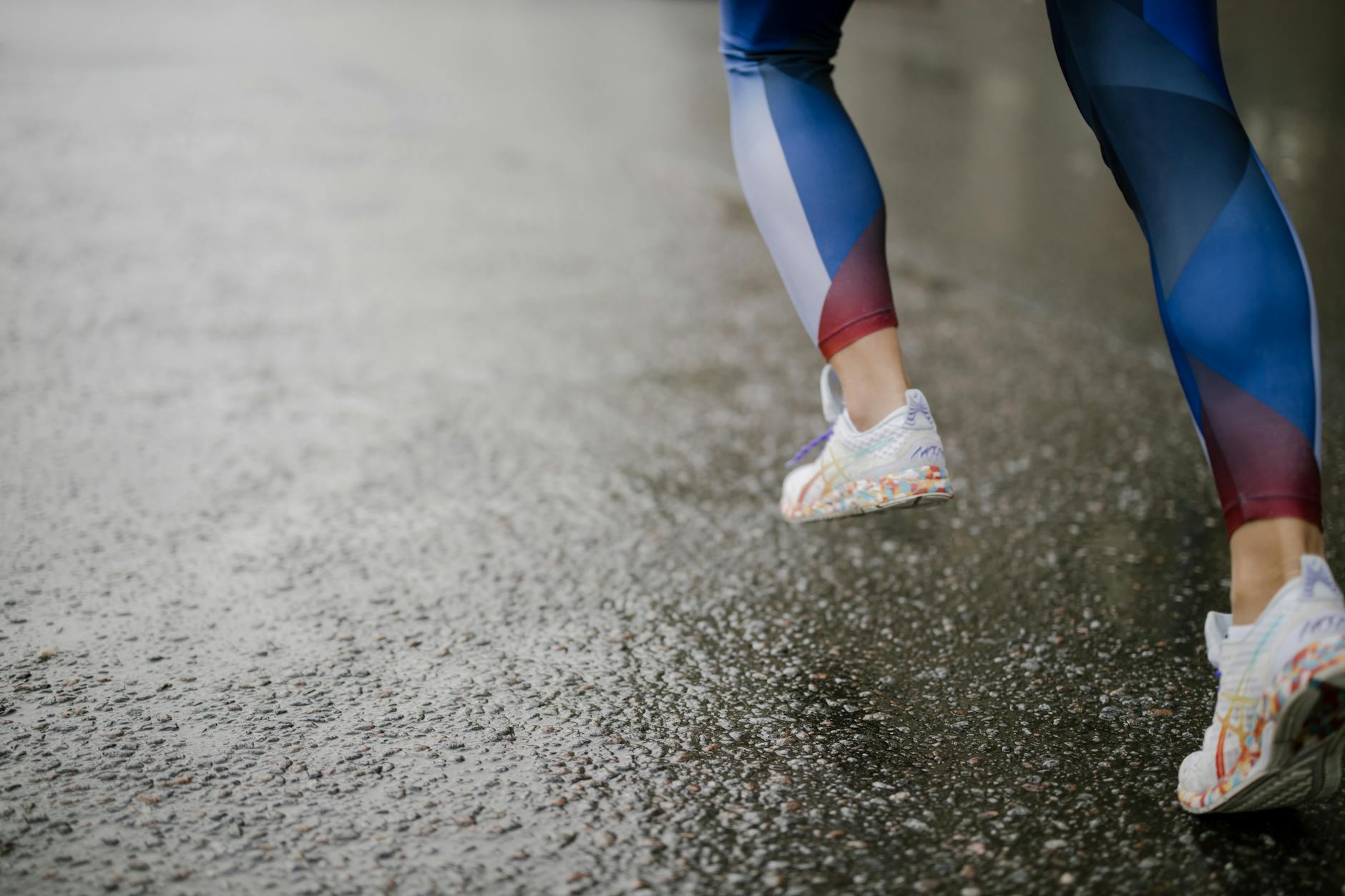
The right running shoes improve long run performance by reducing muscular fatigue, optimizing energy return, and protecting your joints from the repetitive impact of thousands of foot strikes over extended distances. When your shoes match your gait mechanics, foot shape, and the demands of your training surface, you spend less energy compensating for poor fit or inadequate support””energy that translates directly into maintained pace and reduced injury risk during those final, critical miles. A runner wearing shoes with appropriate cushioning for their body weight might finish a 20-mile training run with 15 percent less perceived leg fatigue compared to the same effort in worn-out or ill-fitted footwear.
Beyond the immediate performance benefits, proper shoe selection influences long-term durability as a runner. The cumulative stress of marathon training blocks””often 40 to 60 miles per week””creates micro-trauma that either heals adaptively or accumulates into overuse injuries depending partly on footwear choices. This article examines the biomechanical mechanisms behind shoe performance, how different shoe categories serve different purposes, the real impact of modern foam technologies, and practical guidance for selecting shoes that match your specific needs and running goals.
Table of Contents
- What Makes Running Shoes Essential for Long Distance Performance?
- How Cushioning Technology Affects Running Efficiency Over Miles
- The Role of Shoe Weight in Endurance Running
- How Proper Fit Prevents Fatigue During Long Runs
- Why Worn Shoes Hurt Long Run Performance
- Matching Shoe Type to Training Purpose
- How to Prepare
- How to Apply This
- Expert Tips
- Conclusion
- Frequently Asked Questions
What Makes Running Shoes Essential for Long Distance Performance?
Long distance running creates unique demands that separate it from shorter efforts. During a typical long run, a 150-pound runner generates approximately 250 tons of cumulative force through their legs, distributed across 15,000 to 20,000 individual foot strikes. Each impact sends shockwaves through the kinetic chain from ankle to hip, and the shoe serves as the primary interface managing that energy transfer. Unlike sprinting, where raw power and grip dominate, distance running rewards efficiency””the ability to maintain consistent mechanics mile after mile without excessive muscular compensation. The shoe’s midsole functions as both a shock absorber and an energy return system.
Traditional EVA foam cushioning primarily absorbs impact, converting kinetic energy into heat that dissipates without benefit to the runner. Modern performance foams like Pebax-based materials (Nike’s ZoomX, Saucony’s PWRRUN PB, Asics’ FF Turbo) return significantly more energy, essentially giving back a portion of each footstrike’s force as forward propulsion. Research from the University of Colorado found that certain super shoes reduced the metabolic cost of running by approximately 4 percent””a margin that represents roughly 2 to 3 minutes over a marathon distance for competitive runners. However, energy return alone does not determine shoe suitability. A lightweight racing flat with exceptional bounce may devastate a heavier runner’s joints over training distances, while a maximally cushioned daily trainer might feel sluggish and unresponsive for speed work. The essential quality is matching shoe characteristics to specific training purposes, runner biomechanics, and the particular demands of each session.
How Cushioning Technology Affects Running Efficiency Over Miles
cushioning serves dual purposes during long runs: protecting musculoskeletal structures from impact damage and maintaining consistent ground contact mechanics as fatigue accumulates. Fresh leg muscles naturally absorb shock through eccentric contractions, but as those muscles tire during extended efforts, more impact transfers to passive structures””bones, cartilage, tendons, and ligaments. Adequate midsole cushioning compensates for this muscular fatigue, essentially taking over shock absorption duties when the body’s natural systems begin failing. Stack height””the total thickness of material between foot and ground””has increased dramatically in recent years, with some maximalist shoes exceeding 40mm. Greater stack height generally provides more cushioning and potentially more energy return, but introduces tradeoffs in stability and ground feel.
Runners transitioning from traditional shoes to high-stack options often experience an adaptation period where proprioception feels compromised and ankle instability increases. However, if your long runs frequently exceed 15 miles and you weigh over 160 pounds, the protective benefits of higher-stack cushioning typically outweigh the stability concerns after a proper break-in period. The foam durability question matters significantly for long run performance. Most running shoe midsoles lose approximately 40 percent of their cushioning properties between 300 and 500 miles of use, though this varies by foam type and runner weight. Many runners continue using shoes well past their effective lifespan, experiencing gradually worsening performance and increased injury risk without recognizing the cause. Rotating between multiple pairs extends individual shoe life while ensuring consistently effective cushioning across training weeks.
The Role of Shoe Weight in Endurance Running
Every additional ounce on your feet costs measurable energy over distance. Research consistently demonstrates that 100 grams of shoe weight increases oxygen consumption by roughly 1 percent, creating a cumulative tax that compounds over hours of running. For perspective, the difference between a 10-ounce training shoe and a 7-ounce racing flat translates to approximately 1 minute saved over marathon distance for a 3:30 finisher””assuming no other variables change. This weight penalty explains the industry trend toward increasingly lighter shoes, but the equation includes important nuances. Lighter shoes typically achieve their weight savings through reduced cushioning, thinner uppers, or less durable outsole rubber.
A featherweight racing shoe that leaves your legs destroyed after 13 miles provides no net benefit over a slightly heavier option that preserves leg freshness. Elite runners often train in heavier, more protective shoes and reserve super-light racing flats for competition, banking the cumulative protection of training miles while capitalizing on race-day weight savings. The break-even calculation varies by individual. Heavier runners and those prone to impact-related injuries often find that sacrificing some weight savings for additional cushioning improves overall performance by preserving leg integrity. Conversely, lighter, efficient runners with resilient biomechanics may benefit from minimizing shoe weight even in training. Testing different weight categories during similar training efforts provides personalized data more valuable than general recommendations.
How Proper Fit Prevents Fatigue During Long Runs
Fit issues that feel minor during a 5-mile easy run become serious problems by mile 18. A slightly narrow toe box compresses the forefoot with each stride, forcing compensatory muscle activation that drains energy and creates hot spots. A heel that slips millimeters on each footstrike requires constant subtle correction from the lower leg muscles, accumulating fatigue that manifests as cramping or form breakdown late in runs. The difference between adequate fit and optimal fit compounds across thousands of repetitions. Foot dimensions change during running as blood flow increases and tissues swell””often increasing overall foot volume by half a size over 90 minutes of continuous activity.
Shoes fitted precisely at rest may become constrictive during long efforts, explaining why many experienced marathoners size up specifically for race shoes. The general guideline of one thumb’s width between longest toe and shoe end accounts for this dynamic expansion while preventing the excess movement that causes blisters. Width deserves equal attention to length. Running shoe lasts vary significantly between brands and even within brand lineups. A runner who measures standard D width might fit perfectly in one manufacturer’s regular width while needing wide options from another. Specialty running stores typically stock multiple width options and can assess fit while observing actual running gait rather than static standing posture.
Why Worn Shoes Hurt Long Run Performance
The visible wear on a running shoe’s outsole tells only part of the story. Internal midsole breakdown occurs invisibly as foam cells compress and lose resilience, reducing both cushioning protection and energy return properties. A shoe that appears externally sound may have lost 30 percent or more of its performance characteristics, compromising training quality and injury prevention without obvious warning signs. Common indicators of midsole degradation include increased post-run soreness without changes in training load, asymmetrical wear patterns on the outsole suggesting compensatory gait changes, and loss of the springy feel present when shoes were new.
However, many runners habituate to gradual degradation, failing to notice incremental changes until comparison with fresh shoes reveals the stark difference. This adaptation explains why runners sometimes report feeling dramatically faster or fresher immediately after new shoe purchases. The conservative recommendation of replacing shoes every 300-500 miles provides a useful baseline, but individual circumstances vary. Heavier runners compress foam faster, aggressive heel strikers wear outsoles more quickly, and trail running typically accelerates wear compared to road surfaces. Tracking shoe mileage through training logs or dedicated apps removes guesswork from replacement timing.

Matching Shoe Type to Training Purpose
Modern running shoe categories exist because different training stimuli require different footwear characteristics. Daily trainers prioritize durability and moderate cushioning for accumulating weekly mileage. Long run shoes emphasize enhanced cushioning and comfort for extended time on feet. Speed trainers incorporate propulsive elements for tempo and interval work. Racing flats or super shoes maximize performance for competition distances.
Attempting to use a single shoe for all purposes forces compromises in every direction. Racing in heavy daily trainers sacrifices performance potential; training in delicate racing flats accelerates wear and reduces protective cushioning when legs are already fatigued from previous efforts. Most serious runners maintain a rotation of at least two shoe types””a durable trainer for general mileage and a more responsive option for quality sessions and races. Budget constraints make rotation feel impractical for some runners, but the math often favors multiple pairs. Two pairs of $150 shoes worn in rotation will typically outlast three pairs of the same shoe worn consecutively, while providing better performance matching throughout training cycles. The upfront cost increases while the annual footwear expense often decreases.
How to Prepare
- **Assess your current shoes honestly.** Examine wear patterns, note where discomfort occurs during runs, and identify what you like or dislike about your existing footwear. This information guides productive conversations with fitting specialists.
- **Calculate your typical weekly mileage and long run distances.** Runners averaging 20 miles per week with 8-mile long runs have different needs than those covering 50 miles weekly with 20-mile efforts. Higher mileage generally justifies greater investment in cushioning and durability.
- **Document any injury history or chronic issues.** Previous Achilles problems, plantar fasciitis, IT band syndrome, or stress fractures all influence appropriate shoe selection. Some conditions improve with stability features; others respond better to neutral cushioned options.
- **Understand your foot dimensions beyond basic size.** Note whether you have wide or narrow feet, high or low arches, and any asymmetries between left and right. Specialty stores can measure these precisely, but arriving with general awareness accelerates the fitting process.
- **Set realistic budget expectations.** Quality long run shoes typically range from $130 to $180, with premium racing options exceeding $200. Warning: Selecting shoes primarily based on price often results in poor matches that underperform cheaper but better-fitted alternatives.
How to Apply This
- **Introduce new shoes gradually.** Even well-fitted shoes require adaptation time as your feet and legs adjust to different geometries and cushioning properties. Start with shorter, easier runs before trusting new shoes for key long run sessions.
- **Track shoe mileage from the first run.** Using a spreadsheet, training app, or simple log entry, record miles accumulated on each pair. This data removes uncertainty from replacement timing decisions.
- **Evaluate shoe performance across multiple conditions.** A shoe that feels perfect on cool morning asphalt may reveal weaknesses during hot afternoon runs or on wet surfaces. Test new shoes in varied circumstances before relying on them for goal races.
- **Reassess fit periodically.** Foot structure changes over years of running, and preferences evolve with experience. Annual fittings at specialty stores can identify whether your current shoe choices still match your needs.
Expert Tips
- Match stack height to terrain and distance””higher stacks excel on roads and long efforts but compromise stability on technical trails or in shorter races requiring quick turnover.
- Tie your shoes properly before each run; loose lacing that feels comfortable standing often allows excessive movement during running that accumulates into blisters or inefficiency.
- Avoid wearing new shoes for races without completing at least 30-50 miles of training in them first, regardless of how good they feel initially.
- Consider heel-to-toe drop (the height difference between heel and forefoot) when switching between shoe models; significant changes in drop require gradual adaptation to avoid Achilles or calf strain.
- Do not assume that the most expensive shoe is the best choice for your needs””fit, purpose matching, and individual biomechanics matter far more than price point or marketing claims.
Conclusion
Selecting appropriate running shoes for long distance training involves understanding the interplay between cushioning, weight, fit, and purpose matching. The ideal shoe reduces impact stress, returns energy efficiently, fits your specific foot dimensions, and suits the particular demands of your training. No single shoe excels for every runner or every purpose, making informed selection based on individual needs more valuable than following trends or recommendations designed for different runners.
Taking shoe selection seriously represents an investment in both performance and longevity as a runner. The miles spent in well-chosen footwear accumulate as productive training stress that builds fitness, while miles in inappropriate shoes often generate the kind of damage that interrupts training cycles and limits improvement. Applying the principles outlined here””understanding cushioning needs, respecting shoe lifespan, prioritizing fit, and matching shoes to training purposes””positions runners to extract maximum benefit from every long run effort.
Frequently Asked Questions
How long does it typically take to see results?
Results vary depending on individual circumstances, but most people begin to see meaningful progress within 4-8 weeks of consistent effort. Patience and persistence are key factors in achieving lasting outcomes.
Is this approach suitable for beginners?
Yes, this approach works well for beginners when implemented gradually. Starting with the fundamentals and building up over time leads to better long-term results than trying to do everything at once.
What are the most common mistakes to avoid?
The most common mistakes include rushing the process, skipping foundational steps, and failing to track progress. Taking a methodical approach and learning from both successes and setbacks leads to better outcomes.
How can I measure my progress effectively?
Set specific, measurable goals at the outset and track relevant metrics regularly. Keep a journal or log to document your journey, and periodically review your progress against your initial objectives.
When should I seek professional help?
Consider consulting a professional if you encounter persistent challenges, need specialized expertise, or want to accelerate your progress. Professional guidance can provide valuable insights and help you avoid costly mistakes.
What resources do you recommend for further learning?
Look for reputable sources in the field, including industry publications, expert blogs, and educational courses. Joining communities of practitioners can also provide valuable peer support and knowledge sharing.