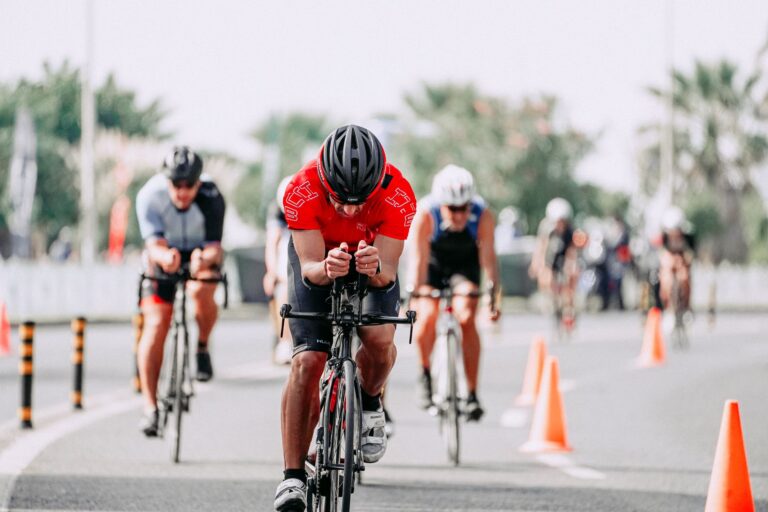
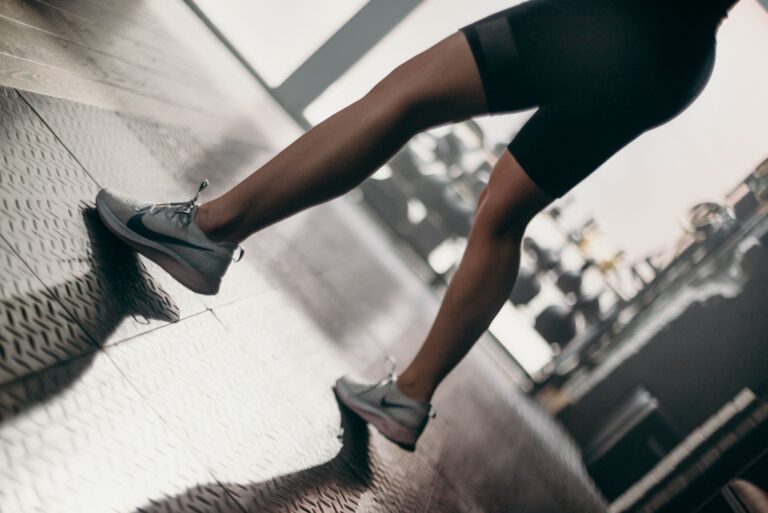
Cushioning in long-distance running shoes serves as the primary defense against the cumulative impact forces that would otherwise break down muscles, joints, and connective tissue over miles of repetitive footstrikes. A well-cushioned shoe absorbs and disperses the shock that travels through your body with each step””forces that can reach two to three times your body weight during running””allowing you to maintain form and reduce fatigue as distances increase. For a runner logging a marathon, this translates to roughly 40,000 individual impacts, making the difference between finishing strong and limping to the line often a matter of what sits between your foot and the pavement. Consider the contrast between running a half marathon in a racing flat versus a maximally cushioned trainer.
In the flat, many runners report significant quad soreness and joint stiffness by mile ten, while the same distance in a cushioned shoe often leaves legs feeling comparatively fresh. This is not merely perception””research has shown that adequate cushioning reduces the metabolic cost of running by decreasing the muscular effort required to stabilize joints upon landing. However, cushioning is not a simple “more is better” equation, and the wrong type or amount can actually work against you. This article examines how cushioning technology affects long-distance performance, the trade-offs between different foam types and stack heights, how to match cushioning to your running style and goals, and when less padding might actually serve you better. Whether you are training for your first marathon or your twentieth, understanding cushioning helps you make smarter choices about the shoes carrying you across those miles.
Table of Contents
- How Does Cushioning Affect Long-Distance Running Performance?
- The Science Behind Midsole Foam Technologies and Impact Protection
- Stack Height and Its Relationship to Cushioning Effectiveness
- Matching Cushioning Levels to Your Running Style and Body Type
- When Too Much Cushioning Becomes a Problem
- Cushioning Durability and Knowing When Protection Fades
- How to Prepare
- How to Apply This
- Expert Tips
- Conclusion
- Frequently Asked Questions
How Does Cushioning Affect Long-Distance Running Performance?
The relationship between cushioning and performance involves a delicate balance of energy absorption, energy return, and proprioceptive feedback. When your foot strikes the ground, the midsole foam compresses to absorb impact energy. Modern foams are engineered to return a percentage of that energy as the material rebounds, effectively giving you a small push with each stride. This energy return becomes increasingly valuable over long distances, where even marginal efficiency gains compound into meaningful time savings or reduced fatigue. Elite marathon shoes like the Nike Vaporfly series demonstrated this effect dramatically when they first appeared on the racing circuit. Studies published in Sports Medicine found that runners wearing these carbon-plated, highly cushioned shoes improved their running economy by approximately four percent compared to traditional racing flats.
For a three-hour marathoner, that efficiency gain could theoretically translate to seven or eight minutes””a massive difference at the competitive level. The combination of responsive foam and a rigid plate created a cushioning system that protected against impact while minimizing energy loss. However, cushioning affects different runners in different ways. Heavier runners typically benefit more from additional cushioning because they generate greater impact forces, while lighter runners may find excessive cushioning feels sluggish or unstable. Similarly, heel strikers rely more heavily on rearfoot cushioning, while forefoot strikers need adequate protection under the metatarsals. A shoe that enhances performance for one runner may hinder another, making personal testing essential despite manufacturer claims.
The Science Behind Midsole Foam Technologies and Impact Protection
Midsole foams have evolved dramatically from the simple EVA compounds that dominated running shoes for decades. Traditional EVA (ethylene-vinyl acetate) offered decent cushioning at low cost but packed out relatively quickly and provided limited energy return””typically around 50 to 60 percent. Modern super foams like Adidas Boost, Nike ZoomX, Saucony PWRRUN PB, and Asics FF Blast Turbo use different chemical compositions to achieve energy return rates exceeding 85 percent while maintaining durability over hundreds of miles. The mechanism works through the cellular structure of the foam. When compressed, closed-cell foams trap air within tiny pockets that resist deformation before springing back. TPU-based foams like Boost use expanded pellets fused together, creating a structure that compresses uniformly and rebounds efficiently.
PEBA-based foams like ZoomX take this further with even greater resilience and lighter weight, though often at the cost of durability. Each foam type offers a distinct ride feel””some softer and more pillowy, others firmer and more propulsive. Understanding these differences matters because the wrong foam type can work against your running mechanics. If you have a slow, shuffling stride and need stability, an overly soft foam may allow excessive foot movement and increase injury risk. Conversely, a fast turnover runner in a firm, unresponsive shoe wastes energy with each landing. Many runners discover through trial that they prefer different foam characteristics for easy runs versus tempo workouts versus race day, building a rotation that matches cushioning type to training purpose.
Stack Height and Its Relationship to Cushioning Effectiveness
Stack height””the total thickness of material between your foot and the ground””has increased significantly in recent years, with some maximalist shoes now exceeding 40 millimeters under the heel. This additional height allows for more foam, which theoretically provides more cushioning and protection. The trend has been so pronounced that World Athletics implemented rules capping stack height at 40mm for road racing shoes to prevent what they deemed unfair technological advantages. Greater stack height does offer benefits for long-distance running. More foam means more material available to absorb impact before it reaches your body, and the additional volume can accommodate both soft comfort layers and firmer responsive layers within the same shoe.
Runners recovering from injuries or those with joint sensitivity often find relief in maximally cushioned options like the Hoka Bondi or New Balance Fresh Foam More. However, increased stack height introduces significant trade-offs that every runner should consider. Taller shoes raise your center of gravity, potentially reducing stability on uneven surfaces or during lateral movements. They also decrease ground feel and proprioceptive feedback, which some runners find unsettling and which may increase injury risk for those with ankle instability. The added foam weight can offset efficiency gains from energy return, particularly in training shoes not optimized for speed. Many coaches recommend reserving maximum cushioning for recovery runs and choosing moderate stack heights for quality workouts where ground connection and responsiveness matter more.

Matching Cushioning Levels to Your Running Style and Body Type
Selecting appropriate cushioning requires honest assessment of your physical characteristics and running mechanics. Body weight plays an obvious role””a 180-pound runner generates substantially more impact force than a 130-pound runner at the same pace. Heavier runners generally need denser foam that resists bottoming out, while lighter runners can use softer foams without sacrificing stability. Ignoring this relationship often leads to either inadequate protection or a mushy, unstable ride. Running mechanics matter equally. Heel strikers land with the initial impact concentrated in the rearfoot, making heel cushioning critical.
The heel of most shoes contains the thickest foam and often incorporates gel or air pockets specifically for this purpose. Midfoot and forefoot strikers distribute impact more broadly, requiring cushioning positioned further forward. Observing your wear patterns on old shoes provides useful clues””heavy wear in one area suggests that zone experiences the most stress and deserves cushioning attention. For example, a compact 140-pound runner with an efficient midfoot strike may thrive in a relatively firm, low-stack shoe that provides adequate protection without excessive weight or instability. The same shoe might leave a 200-pound heel striker feeling every crack in the sidewalk. Running specialty stores with gait analysis can identify your strike pattern and suggest appropriate options, though self-observation””filming yourself running or checking shoe wear””works nearly as well. The goal is finding the minimum effective cushioning that protects you without adding unnecessary weight or compromising your natural movement patterns.
When Too Much Cushioning Becomes a Problem
The maximalist trend has obscured an important truth: excessive cushioning can actually increase injury risk and reduce running efficiency for certain individuals. Highly cushioned shoes change running mechanics in ways that are not always positive. Research has shown that runners unconsciously strike the ground harder in softer shoes, partially offsetting the cushioning benefit through increased impact force. This phenomenon, sometimes called the “cushioning paradox,” suggests that the body seeks a consistent level of impact feedback regardless of what covers the foot. Stability issues compound this problem. Very soft foams compress asymmetrically when loaded at an angle, allowing the foot to tilt inward or outward during the landing phase.
For runners with existing overpronation tendencies, maximally cushioned neutral shoes can exacerbate the problem by providing no resistance to excessive motion. The ankle and knee must then work harder to stabilize the body, potentially leading to overuse injuries in muscles and tendons not designed for that role. There are also legitimate arguments for less cushioning in certain contexts. Many running coaches advocate for occasional runs in minimal shoes or racing flats to strengthen foot muscles and improve proprioception. This stimulus encourages the intrinsic muscles of the foot to engage more actively, building resilience that protects against injury. The key limitation is that such training must be introduced gradually””jumping from maximally cushioned daily trainers to minimalist shoes invites stress fractures and Achilles problems. A sensible approach includes minimally cushioned shoes for short runs once or twice weekly while maintaining adequate protection for high-volume training.

Cushioning Durability and Knowing When Protection Fades
All midsole foams degrade with use, compression cycles, and time””even shoes sitting unworn in a closet slowly lose cushioning properties as the foam breaks down chemically. For actively used running shoes, most manufacturers cite a lifespan of 300 to 500 miles before cushioning degrades significantly. This range varies based on runner weight, running surfaces, storage conditions, and foam type. Signs that cushioning has degraded include visible compression lines in the midsole, uneven wear patterns, and subjective feelings of increased impact or fatigue on familiar routes. Many runners notice knee or hip soreness creeping back as shoes age””a signal that the foam is no longer adequately protecting joints.
The Adidas Boost foam, for example, typically maintains its properties well but shows compression wrinkles that indicate cellular breakdown. Nike ZoomX provides exceptional responsiveness but tends to compact faster than denser alternatives. Consider the case of a runner training for a fall marathon who logs 50 miles weekly through summer. After 10 weeks, those primary trainers have accumulated 500 miles and may be providing only a fraction of their original protection during the highest-mileage training phase. Smart runners often cycle multiple pairs to extend overall lifespan and ensure fresh cushioning is available for the most important workouts. Keeping a training log that tracks shoe mileage prevents the gradual adaptation that masks cushioning loss until an injury forces attention.
How to Prepare
- **Evaluate your current shoes honestly.** Examine wear patterns, midsole compression, and any discomfort you experience during or after runs. Note whether pain occurs early in runs (suggesting inadequate cushioning) or late (suggesting fatigue-related breakdown). Check the mileage on your shoes and whether they have passed the typical 300-500 mile window.
- **Document your running profile.** Record your weekly mileage, typical pace ranges, running surfaces, and any injury history. Runners averaging 40 miles weekly on concrete have different cushioning needs than those running 25 miles on trails. Previous injuries often indicate areas requiring extra protection””recurring shin splints may suggest insufficient impact absorption.
- **Identify your foot strike pattern.** Watch video of yourself running or have a knowledgeable friend observe. Alternatively, examine wear patterns on current shoes. Heel strikers need substantial rearfoot cushioning; forefoot strikers should prioritize metatarsal padding.
- **Determine your stability needs.** If you overpronate significantly, you may need cushioning paired with stability features””maximum cushioning in a neutral shoe could worsen your mechanics. A gait analysis or podiatrist consultation clarifies this requirement.
- **Establish your budget and rotation strategy.** Quality cushioned trainers range from $120 to $180, with super-foam options exceeding $200. Consider whether you need one versatile shoe or a rotation including cushioned trainers, uptempo shoes, and race-day options.
How to Apply This
- **Transition gradually to new cushioning levels.** If moving from minimal to maximal cushioning or vice versa, allow two to three weeks of shortened runs for your body to adapt. Dramatic cushioning changes alter your running mechanics and require muscular adaptation.
- **Match cushioning to workout purpose.** Use your most cushioned shoes for long runs and recovery days when impact protection matters most. Save firmer, more responsive options for tempo runs and speed work where ground feel improves performance.
- **Rotate multiple pairs when possible.** Alternating between two or three shoes with different cushioning characteristics extends the life of each pair while varying the stresses on your body. This rotation also provides backup when one pair wears out mid-training cycle.
- **Reassess cushioning needs seasonally.** Your requirements change with mileage fluctuations, weight changes, and injury patterns. A shoe perfect for 30-mile weeks may prove inadequate at 50 miles. Check in with your cushioning strategy at the start of each training cycle.
Expert Tips
- Reserve your freshest, most cushioned shoes for your longest training runs and races, even if this means running easy midweek miles in older pairs. The protection matters most when accumulated fatigue compromises your form.
- Do not select cushioning based on how shoes feel standing in a store. The requirements for walking and standing differ dramatically from running mechanics. Always test shoes with actual running before committing.
- Track mileage religiously on each pair of shoes using a training log or app. Cushioning degradation happens gradually, and subjective feel adapts along with it, masking the loss until injury occurs.
- If you experience new aches after switching shoes, give the new cushioning at least 50 miles before passing judgment. Your body needs adaptation time, and initial discomfort often resolves as muscles adjust to new loading patterns.
- Avoid wearing heavily cushioned running shoes as everyday casual footwear. The compression cycles from walking accumulate alongside running miles, reducing the cushioning available for actual training.
Conclusion
Cushioning represents one of the most consequential decisions in selecting long-distance running shoes, directly affecting injury risk, fatigue accumulation, and performance potential over extended miles. The right cushioning absorbs impact forces that would otherwise stress joints and muscles, returns energy to improve efficiency, and maintains protection across the hundreds or thousands of footstrikes that constitute any serious distance effort. Understanding that cushioning needs vary by body weight, running mechanics, training volume, and workout type allows you to make informed choices rather than following marketing trends.
Moving forward, approach shoe selection with your specific requirements in mind rather than accepting generic recommendations. Assess your current shoes honestly, identify your strike pattern and stability needs, and test options that match your profile. Build a rotation if possible, track mileage diligently, and retire shoes before cushioning fails completely. The miles ahead will feel measurably better when the foam beneath your feet suits your particular journey.
Frequently Asked Questions
How long does it typically take to see results?
Results vary depending on individual circumstances, but most people begin to see meaningful progress within 4-8 weeks of consistent effort. Patience and persistence are key factors in achieving lasting outcomes.
Is this approach suitable for beginners?
Yes, this approach works well for beginners when implemented gradually. Starting with the fundamentals and building up over time leads to better long-term results than trying to do everything at once.
What are the most common mistakes to avoid?
The most common mistakes include rushing the process, skipping foundational steps, and failing to track progress. Taking a methodical approach and learning from both successes and setbacks leads to better outcomes.
How can I measure my progress effectively?
Set specific, measurable goals at the outset and track relevant metrics regularly. Keep a journal or log to document your journey, and periodically review your progress against your initial objectives.
When should I seek professional help?
Consider consulting a professional if you encounter persistent challenges, need specialized expertise, or want to accelerate your progress. Professional guidance can provide valuable insights and help you avoid costly mistakes.
What resources do you recommend for further learning?
Look for reputable sources in the field, including industry publications, expert blogs, and educational courses. Joining communities of practitioners can also provide valuable peer support and knowledge sharing.