Breathable running shoes matter on long runs because they prevent the excessive heat and moisture buildup that leads to blisters, discomfort, and premature fatigue. When your feet are trapped in poorly ventilated shoes for 90 minutes or more, internal temperatures can rise by several degrees, sweat accumulates with nowhere to go, and the resulting friction creates hot spots that derail your training. A runner logging a two-hour long run in humid summer conditions, for example, can lose the equivalent of a cup of sweat through their feet alone””and without adequate ventilation, that moisture stays trapped against the skin, softening tissue and dramatically increasing blister risk. The difference between finishing a long run with healthy feet versus hobbling home with raw, damaged skin often comes down to shoe construction.
Breathable uppers made from engineered mesh allow air to circulate while wicking moisture away from the foot, keeping the internal environment cooler and drier. This isn’t merely about comfort during the run; it’s about protecting the structural integrity of your skin and reducing the metabolic cost of thermoregulation so you can maintain pace and form through those final miles. This article explores how foot temperature affects running performance, the science behind moisture management in footwear, what materials provide the best ventilation, and how to choose breathable shoes for different conditions. You’ll also find practical guidance on preparing your shoes and feet for long efforts, along with expert tips to maximize the benefits of proper ventilation.
Table of Contents
- How Does Breathability in Running Shoes Affect Long-Distance Performance?
- The Science of Moisture Management in Running Footwear
- What Materials Provide the Best Ventilation for Distance Running?
- Choosing Breathable Running Shoes for Different Conditions and Distances
- The Role of Sock Choice in Maximizing Shoe Breathability
- How to Prepare
- How to Apply This
- Expert Tips
- Conclusion
- Frequently Asked Questions
How Does Breathability in Running Shoes Affect Long-Distance Performance?
The connection between shoe breathability and performance becomes more pronounced as distance increases. during the first few miles, your body’s thermoregulation systems handle heat dissipation efficiently, but as you progress beyond an hour of continuous running, every system faces greater strain. Feet contain approximately 250,000 sweat glands””more per square inch than any other part of the body””and this concentrated output needs somewhere to go. Research on endurance athletes has shown that foot temperature can rise from a resting 30°C to over 40°C during extended activity, with poorly ventilated shoes accelerating this increase by trapping heat. The performance implications extend beyond discomfort.
When your body detects excessive peripheral heat, it diverts blood flow to the skin surface for cooling, reducing the oxygen available to working muscles. This thermoregulatory burden translates to increased heart rate at the same pace, earlier onset of fatigue, and reduced running economy. Compare two runners of equal fitness on a 15-mile training run: the one in breathable shoes maintains more stable core and peripheral temperatures, allowing them to sustain their target pace with less physiological strain. However, breathability alone doesn’t guarantee comfort or performance benefits. A highly ventilated shoe worn without moisture-wicking socks, or in conditions where debris can enter through the mesh, may create new problems while solving others. The system works best when shoes, socks, and environmental conditions are considered together.
The Science of Moisture Management in Running Footwear
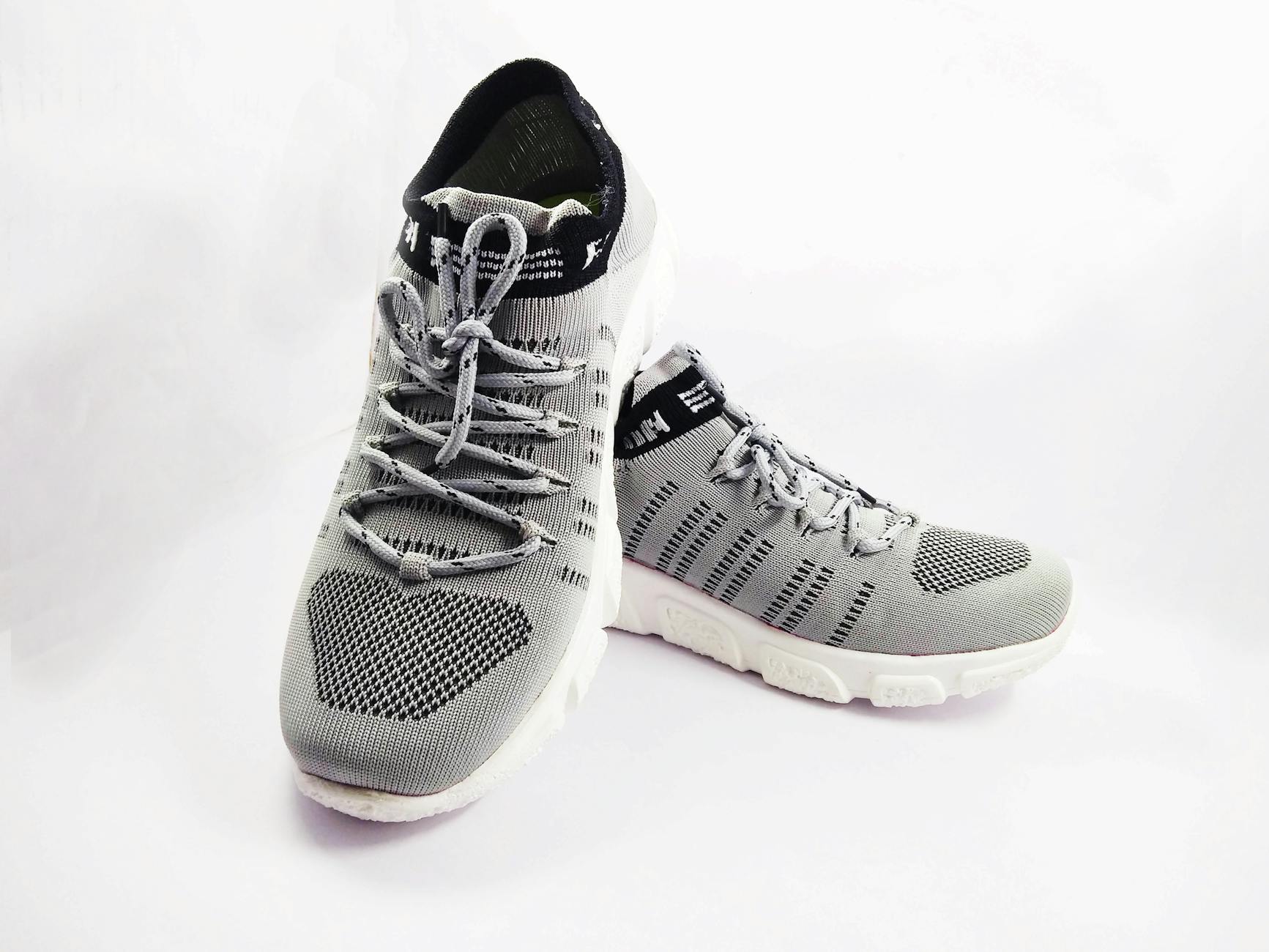
Understanding how moisture moves through a running shoe explains why some designs succeed while others fail. Modern breathable shoes rely on engineered mesh uppers with strategically placed ventilation zones. These materials work through a combination of convection””air moving through the mesh as your foot strikes and lifts””and wicking, where moisture transfers from your skin through your sock to the shoe’s upper, then evaporates into the surrounding air. The most effective designs position the most open mesh over areas of highest sweat production, typically the top of the forefoot and around the toes. The limitation of mesh breathability becomes apparent in certain conditions. When ambient humidity exceeds 80 percent, the moisture gradient between your foot and the outside air decreases significantly, reducing evaporation regardless of how porous the upper is.
Similarly, running through rain saturates the mesh from the outside in, temporarily eliminating any moisture-wicking benefit. In these scenarios, the advantage of breathable shoes shifts from active cooling to faster drying post-run, which still matters for preventing fungal growth and extending shoe lifespan. Material thickness plays a counterintuitive role in breathability. Some runners assume that thinner mesh always means better ventilation, but mesh density and weave pattern matter more than raw thinness. A tightly woven thin mesh may actually breathe worse than a thicker but more openly constructed alternative. This is why hands-on testing and real-world reviews often reveal differences that specifications alone cannot capture.
What Materials Provide the Best Ventilation for Distance Running?
The evolution of running shoe materials has produced several distinct approaches to breathability. Traditional mesh, made from woven or knitted nylon or polyester, remains common in budget and mid-range shoes. Engineered mesh, found in most premium running shoes, uses varying knit densities across different zones””tighter where support is needed, more open where cooling matters most. Knit uppers, popularized in the early 2010s, integrate the entire upper from a single piece of material with breathability built into the construction rather than added through perforations. Nike’s Flyknit and Adidas’s Primeknit represent two approaches to knit breathability that runners can compare directly.
Flyknit tends toward a tighter, more sock-like fit with breathability concentrated in specific zones, while Primeknit often features a more consistent, slightly looser weave throughout. For hot-weather long runs, the Primeknit construction typically offers marginally better overall ventilation, though the Flyknit’s secure fit may reduce friction-related issues for runners with narrower feet. Neither is objectively superior””the best choice depends on your foot shape, running conditions, and whether you prioritize cooling or fit. Newer materials incorporating graphene and phase-change polymers claim to actively cool the foot rather than simply allowing heat to escape. While initial testing shows promise, these technologies add cost and their real-world advantage over well-designed traditional mesh remains modest for most recreational runners. A $120 shoe with excellent engineered mesh will outperform a $80 shoe with basic mesh, but the jump to $200 specialized cooling materials yields diminishing returns.

Choosing Breathable Running Shoes for Different Conditions and Distances
Selecting the right level of breathability requires balancing ventilation against other factors like weather protection, durability, and support. For summer long runs in dry climates, maximum breathability should be the priority””look for shoes with large, open mesh panels and minimal overlays covering the forefoot. These shoes sacrifice some durability and weather resistance for superior cooling, a worthwhile tradeoff when conditions demand it. Runners training through variable seasons face a different calculation. A moderately breathable shoe with dense enough mesh to block light debris and provide some wind resistance offers year-round versatility. The tradeoff is accepting slightly warmer feet in summer to avoid needing completely separate shoes for winter running. For many runners covering 30 to 50 miles per week, owning two pairs””one maximally breathable for warm conditions, one more protective for cold or wet weather””makes sense both for foot health and for extending each shoe’s lifespan through rotation. Trail runners encounter a specific tension between breathability and protection. Highly ventilated trail shoes allow dirt, sand, and small debris to enter, potentially causing irritation over long distances. Gaiters solve this problem but add complexity and can trap some heat themselves. If your long trail runs traverse particularly dusty or sandy terrain, choosing a slightly less breathable upper with tighter mesh weave often prevents more discomfort than the reduced ventilation creates.
## Common Breathability Problems and How to Avoid Them Even well-designed breathable shoes can create issues when other elements of your running setup work against them. The most common problem is pairing high-performance mesh with cotton socks, which absorb and retain moisture rather than wicking it away. Cotton’s water retention can increase blister risk by 50 percent or more compared to synthetic or wool-blend running socks, completely negating the benefits of a breathable upper. This mistake is particularly common among newer runners who haven’t yet invested in proper running socks. Over-tightening laces represents another breathability killer that many runners overlook. When laces compress the mesh upper against your foot, airflow pathways close off and the convection that occurs during the gait cycle diminishes. Finding the balance between a secure fit and adequate ventilation requires experimentation””your shoes should stay in place without pressure points, but you should be able to slide a finger under the laces at the top of the foot. If you can’t, you’re likely sacrificing cooling for fit security that wasn’t necessary. A less obvious issue arises from aftermarket insoles. Many runners replace stock insoles with higher-volume options for additional cushioning or arch support. However, thicker insoles can press the foot upward against the mesh, reducing the air gap between foot and upper that allows convection to occur. If you need custom or upgraded insoles, look for versions with ventilation channels or perforations rather than solid foam construction.
The Role of Sock Choice in Maximizing Shoe Breathability
Socks serve as the critical interface between your skin and your shoe’s breathability features. Even the most ventilated shoe cannot compensate for socks that trap moisture against your feet. Technical running socks made from synthetic fibers like polyester, nylon, or CoolMax actively pull sweat away from the skin through capillary action, delivering it to the shoe’s upper where it can evaporate. Merino wool, while counterintuitive for warm weather, provides excellent moisture management while maintaining insulating properties when wet””useful for runners whose long runs span changing conditions.
The thickness of your socks also affects breathability. Thin racing-style socks minimize the barrier between your foot and the shoe’s ventilation, allowing maximum heat transfer. However, they also provide less cushioning and blister protection, creating a tradeoff similar to the shoe selection decision. For long runs specifically, a mid-weight technical sock often provides the best compromise””enough cushioning to prevent hot spots over two or more hours, thin enough to allow reasonable airflow, and wicking enough to manage accumulated moisture.

How to Prepare
- **Break in new shoes with shorter runs first.** Even highly breathable shoes need 30 to 50 miles before the upper fully conforms to your foot shape. Attempting your first long run in new shoes often causes friction points that wouldn’t occur once the materials have softened and adapted. Give yourself at least two weeks of regular runs before using new shoes for efforts over 90 minutes.
- **Clean mesh uppers regularly to maintain breathability.** Accumulated sweat residue, dirt, and salt deposits can clog mesh openings over time, reducing ventilation by 20 to 30 percent after just a few months of use. Hand wash uppers with mild soap and water every few weeks, then air dry completely before your next run. Avoid machine washing, which can damage mesh structure.
- **Apply anti-chafe products to known problem areas.** Even with excellent breathability, long runs create conditions for friction. Applying body glide or similar products to your toes, heel, and any areas prone to hot spots adds a protective layer that complements your shoe’s moisture management.
- **Choose socks the night before and check for wear.** Worn socks with thinning fabric or compressed cushioning provide less protection than new pairs. Rotate your running socks and retire any showing significant wear before they cause problems during a long run.
- **Test your full setup in training conditions.** Warning: don’t introduce any new equipment element””shoes, socks, lacing technique, or insoles””on race day or during your most important long runs. Test everything together during lower-stakes training runs to identify issues while you still have time to adjust.
How to Apply This
- **Start with dry feet and dry shoes.** Even if you’ve run earlier in the day, ensure your shoes have fully dried before a long run. Starting with residual moisture accelerates further moisture buildup and puts you at a disadvantage from mile one. If rotating shoes, allow at least 24 hours between wears for complete drying.
- **Adjust lacing during the run if needed.** Your feet swell during long runs, sometimes by half a shoe size or more. Looser lacing in the forefoot area allows this expansion while maintaining breathability. Practice quick lacing adjustments during training so you can make them efficiently without breaking stride for long.
- **Use water strategically for cooling.** When passing aid stations or water fountains during hot-weather runs, pouring small amounts of water over your shoes can provide evaporative cooling that supplements natural breathability. However, completely soaking your shoes creates waterlogged conditions that cause problems””a quick splash is sufficient.
- **Monitor for early warning signs.** Hot spots, tingling, or unusual warmth in specific areas signals developing problems. Addressing these early””by adjusting lacing, repositioning your sock, or briefly stopping to dry your feet””prevents minor irritation from becoming serious blisters that end your run.
Expert Tips
- Choose your most breathable shoes for runs over 90 minutes, especially in temperatures above 65°F, when accumulated heat and moisture create the greatest performance impact.
- Do not prioritize breathability over fit or support””a slightly less ventilated shoe that matches your foot shape will outperform a maximally breathable shoe that creates friction points.
- Rotate between at least two pairs of running shoes to ensure complete drying between runs, preserving both breathability function and overall shoe lifespan.
- Consider time of day for summer long runs””early morning humidity may actually make shoe breathability less effective than dry afternoon heat, despite lower temperatures.
- Replace running shoes before mesh integrity degrades, typically between 300 and 500 miles””stretched or thinned mesh may appear more open but often has reduced structural support that changes fit and increases friction.
Conclusion
Breathable running shoes matter on long runs because they address the compounding challenges of heat and moisture that intensify as distance increases. By facilitating airflow and moisture evaporation, properly ventilated footwear keeps feet cooler, drier, and less susceptible to blisters and hot spots that can derail training. The science supports what experienced runners have long known: what happens inside your shoes during hours of running directly affects both performance and recovery.
Making breathability work for your long runs requires attention beyond just shoe selection. Pairing ventilated shoes with technical socks, maintaining mesh cleanliness, ensuring proper fit without over-tightening, and adjusting to conditions all contribute to the overall result. By treating breathability as one essential component of a complete system, you position yourself for more comfortable, more successful long runs regardless of weather or distance.
Frequently Asked Questions
How long does it typically take to see results?
Results vary depending on individual circumstances, but most people begin to see meaningful progress within 4-8 weeks of consistent effort. Patience and persistence are key factors in achieving lasting outcomes.
Is this approach suitable for beginners?
Yes, this approach works well for beginners when implemented gradually. Starting with the fundamentals and building up over time leads to better long-term results than trying to do everything at once.
What are the most common mistakes to avoid?
The most common mistakes include rushing the process, skipping foundational steps, and failing to track progress. Taking a methodical approach and learning from both successes and setbacks leads to better outcomes.
How can I measure my progress effectively?
Set specific, measurable goals at the outset and track relevant metrics regularly. Keep a journal or log to document your journey, and periodically review your progress against your initial objectives.
When should I seek professional help?
Consider consulting a professional if you encounter persistent challenges, need specialized expertise, or want to accelerate your progress. Professional guidance can provide valuable insights and help you avoid costly mistakes.
What resources do you recommend for further learning?
Look for reputable sources in the field, including industry publications, expert blogs, and educational courses. Joining communities of practitioners can also provide valuable peer support and knowledge sharing.