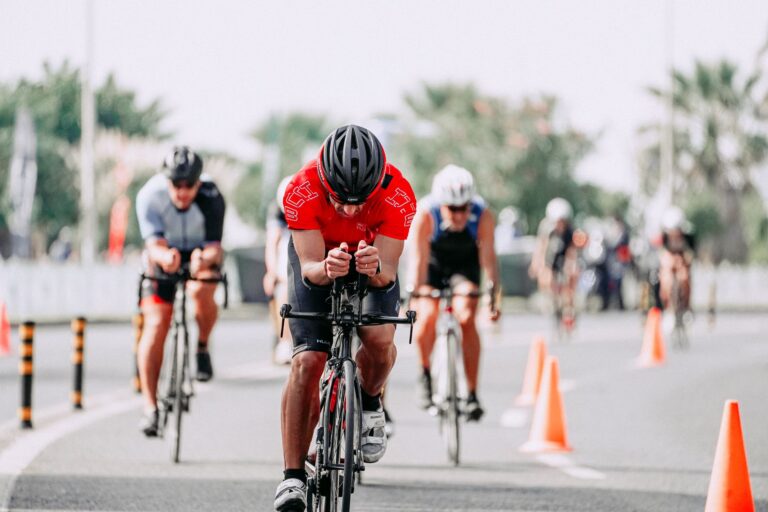
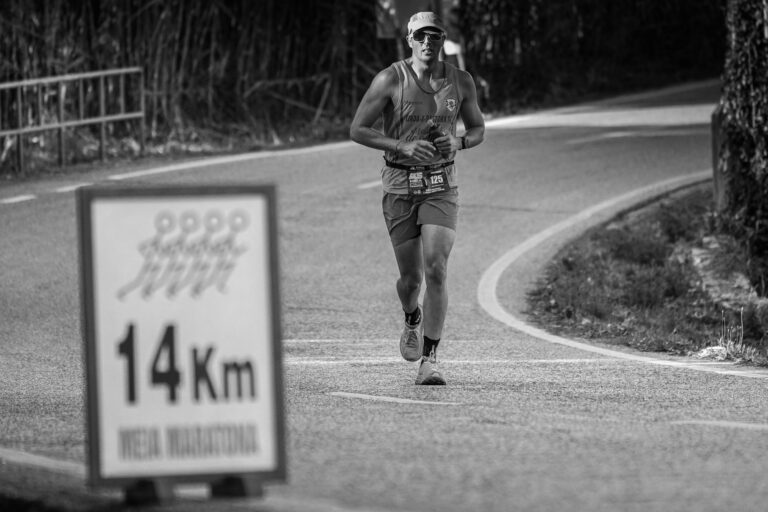
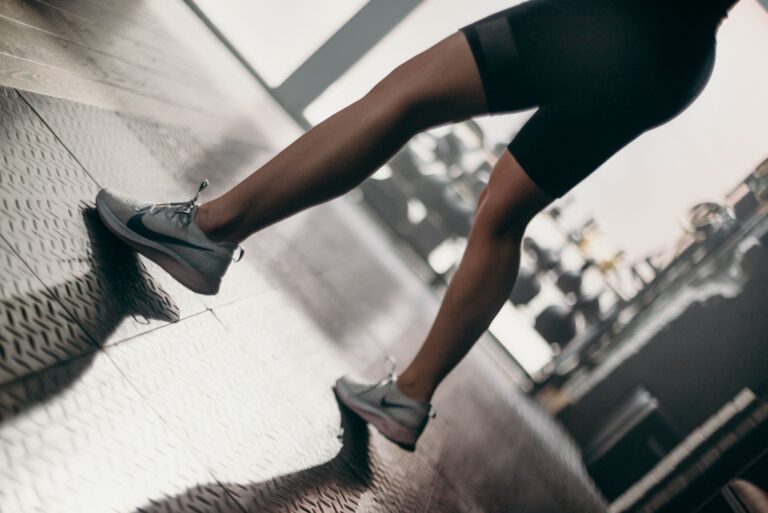
The running shoes that best protect your knees on longer runs are those with adequate cushioning in the midsole, proper stability features matched to your gait, and a heel-to-toe drop that complements your natural running mechanics. Shoes like the Brooks Glycerin, ASICS Gel-Nimbus, and Hoka Clifton have earned reputations among distance runners for their knee-friendly designs, combining responsive foam technology with enough structure to reduce the cumulative impact stress that leads to joint pain over high-mileage efforts. The key is not simply buying the most cushioned shoe available, but rather finding the right combination of support and shock absorption for your individual biomechanics.
A runner training for a marathon might find that switching from a minimal shoe to a well-cushioned trainer reduces their post-run knee soreness dramatically, while another runner with the same symptoms might need a stability shoe to correct overpronation that has been loading their knee joints unevenly. This variability explains why no single shoe works universally, and why understanding the relationship between shoe features and knee protection matters more than brand loyalty. This article covers the science behind how running shoes affect knee stress, what specific features to look for when shopping, how different foot strikes and gait patterns change your shoe requirements, and practical guidance for testing and selecting shoes that will keep your knees healthy through long training cycles and races.
Table of Contents
- What Makes Running Shoes Protect Your Knees During Longer Runs?
- Understanding Heel Drop and Its Effect on Knee Stress
- How Shoe Weight and Stack Height Influence Long-Run Comfort
- Matching Shoe Stability to Your Pronation Pattern
- Common Mistakes That Undermine Knee Protection in Running Shoes
- The Role of Rotating Multiple Pairs for Knee Health
- How to Prepare
- How to Apply This
- Expert Tips
- Conclusion
- Frequently Asked Questions
What Makes Running Shoes Protect Your Knees During Longer Runs?
The primary mechanism by which running shoes protect knees is impact attenuation, the reduction of ground reaction forces that travel up through the leg with each footstrike. During a long run, a 150-pound runner generates roughly 250 pounds of force with every step, and over the course of a 20-mile training run, that adds up to millions of pounds of cumulative stress on the joints. Midsole foams like Nike ZoomX, Adidas Boost, and Saucony PWRRUN+ are engineered to absorb and return this energy in ways that reduce the peak forces reaching the knee. However, cushioning alone does not guarantee knee protection. Research from the British Journal of Sports Medicine suggests that shoes providing guidance, helping control excessive foot motion, may be equally important for runners who overpronate or supinate.
When the foot rolls inward or outward excessively, the tibia rotates in ways that place shearing forces on the knee cartilage and ligaments. A shoe with appropriate stability features counteracts this rotation, keeping the knee tracking in a healthier alignment throughout the gait cycle. The comparison between maximum cushioning shoes and stability shoes illustrates this tension. A neutral runner with efficient mechanics might thrive in a plush, high-stack trainer like the New Balance Fresh Foam More, while a runner with moderate overpronation wearing the same shoe could experience increased knee pain because the soft foam allows their foot to roll inward unchecked. Getting a gait analysis at a specialty running store helps determine which category applies to you.
Understanding Heel Drop and Its Effect on Knee Stress
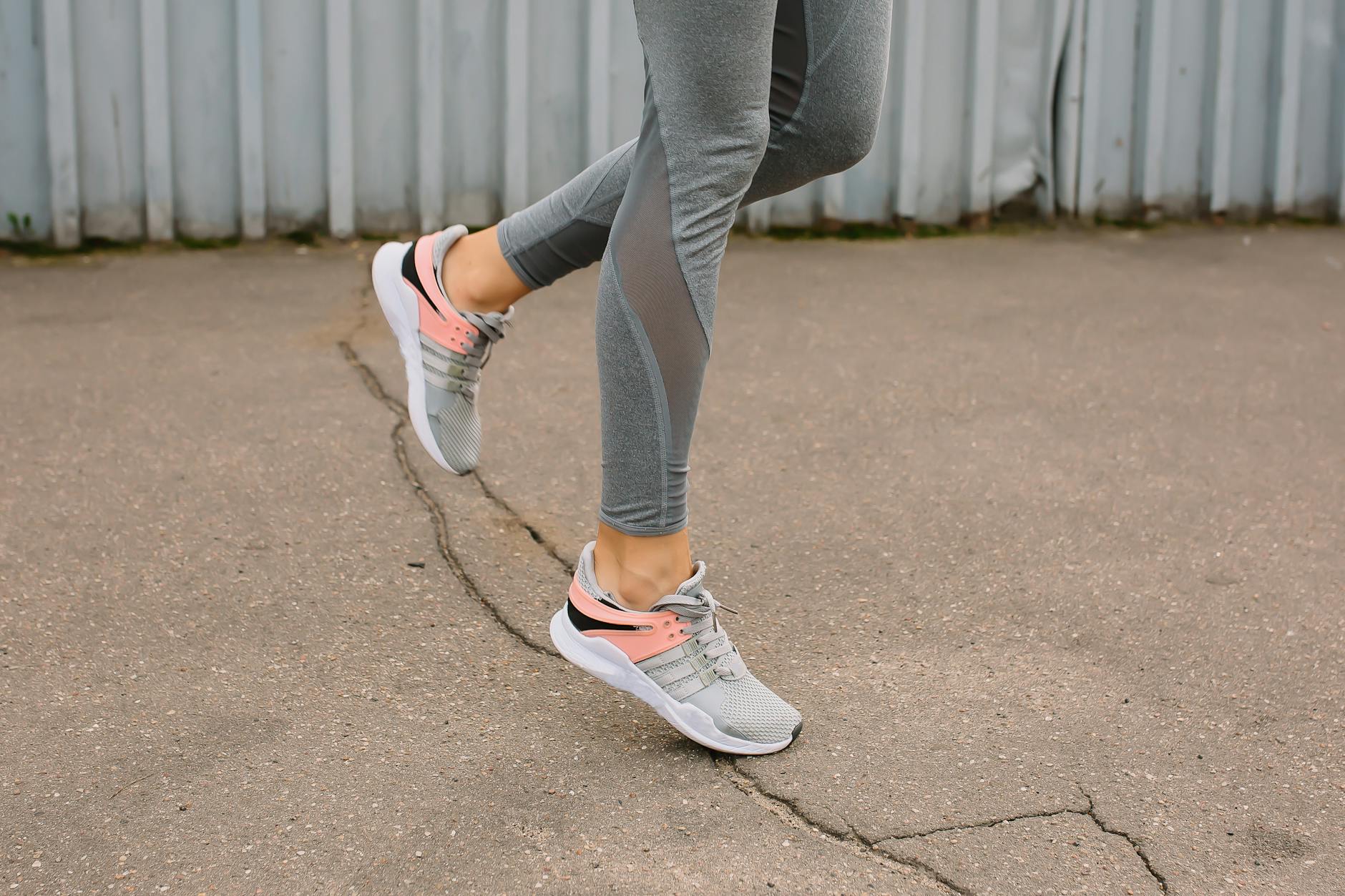
Heel-to-toe drop, the difference in height between the heel and forefoot of a shoe, significantly influences how impact forces distribute through the lower body. Traditional running shoes feature drops of 10-12 millimeters, which encourage a heel-striking pattern and shift stress toward the knees. Lower-drop shoes in the 4-8 millimeter range promote a more midfoot or forefoot strike, which transfers more of the impact to the calves and Achilles tendons while reducing knee loading. For runners already experiencing knee pain, transitioning to a lower-drop shoe can provide relief, but this approach comes with an important warning.
Suddenly switching from a 12mm drop to a 4mm drop often leads to calf strains and Achilles tendinitis because these structures are not conditioned for the increased workload. The recommended approach involves a gradual transition over 6-8 weeks, alternating between your old shoes and the new lower-drop pair while slowly increasing the proportion of miles in the new shoes. Some runners find that a moderate drop around 6-8 millimeters offers the best compromise, reducing knee stress compared to high-drop shoes while not demanding extreme adaptations from the posterior chain. The Saucony Kinvara at 4mm and the Brooks Ghost at 12mm represent opposite ends of the spectrum, with shoes like the ASICS Novablast at 8mm occupying the middle ground that works well for many runners concerned about knee health.
How Shoe Weight and Stack Height Influence Long-Run Comfort
Stack height refers to the total amount of material between your foot and the ground, and this measurement has increased dramatically since Hoka introduced maximalist designs in the early 2010s. Higher stacks of 30-40 millimeters provide more foam to absorb impact, which theoretically reduces joint stress, but the relationship is not perfectly linear. Beyond a certain point, additional cushioning can reduce proprioception, your foot’s ability to sense the ground and make micro-adjustments, potentially leading to less stable landings. The Hoka Bondi exemplifies the high-stack approach with 37mm of foam underfoot, and many runners with arthritic knees or previous injuries swear by its protective feel.
A 55-year-old runner recovering from meniscus surgery might find that the Bondi allows them to complete 15-mile runs that were impossible in lower-stack shoes. Yet competitive runners often choose moderate-stack shoes for long runs, reasoning that the weight penalty of maximalist cushioning, typically 10-12 ounces versus 8-9 ounces, adds fatigue that compounds over distance. The tradeoff becomes clear when considering that every extra ounce in a shoe increases the metabolic cost of running by approximately one percent. Over a three-hour long run, heavier shoes contribute to overall fatigue, which can cause form breakdown and actually increase knee stress late in the effort. Finding the minimum effective cushioning for your body, rather than automatically choosing the most cushioned option, often yields better outcomes.
Matching Shoe Stability to Your Pronation Pattern
Pronation describes the inward rolling motion of the foot during the gait cycle, and while some degree of pronation is natural and serves as a shock-absorbing mechanism, excessive pronation creates rotational forces that stress the knee. Stability shoes and motion control shoes address this through firmer foam sections on the medial side of the midsole, dual-density constructions, or guide rails that limit inward foot motion without stopping it entirely. For a runner with moderate overpronation, a shoe like the Brooks Adrenaline GTS or ASICS GT-2000 provides enough structure to maintain healthy knee tracking without feeling rigid or unnatural. These shoes have proven particularly effective for runners who develop medial knee pain or IT band issues when using neutral trainers.
The correction happens passively with each step, reducing the cumulative stress that would otherwise build up over long distances. However, stability features can cause problems if mismatched to your gait. A neutral runner placed in a motion control shoe will be pushed into supination, the opposite movement pattern, which creates its own set of problems including lateral knee pain and ankle instability. This is why video gait analysis or pressure plate testing at specialty stores provides valuable information before committing to a shoe category. Over-correcting pronation is nearly as harmful as leaving it uncorrected.
Common Mistakes That Undermine Knee Protection in Running Shoes
One of the most frequent errors runners make is keeping shoes too long, continuing to train in them after the midsole foam has lost its resilience. Most running shoes provide effective cushioning for 300-500 miles, depending on the runner’s weight, gait efficiency, and the surfaces they run on. Beyond this point, the foam compresses permanently and no longer attenuates impact effectively, even though the upper may still look relatively new. A runner who tracks mileage carefully can often trace the onset of knee pain to shoes that have exceeded their functional lifespan. Another common mistake involves choosing shoes based on appearance or brand preference rather than biomechanical fit. A sleek-looking racing flat might appeal aesthetically but offers minimal knee protection for long training runs.
Similarly, buying whatever shoe is on sale often leads to poor matches between foot type and shoe construction. The $40 saved on a clearance shoe can easily result in physical therapy bills or lost training time from injury. Runners also frequently underestimate the importance of proper sizing. Shoes that are too small cause the foot to function inefficiently, often increasing pronation as the toes grip against the front of the shoe. Shoes that are too large allow excessive movement within the footbed, reducing the effectiveness of stability features. Most experts recommend leaving a thumbnail’s width between the longest toe and the end of the shoe, and trying shoes on late in the day when feet are slightly swollen from normal activity.

The Role of Rotating Multiple Pairs for Knee Health
Running shoe rotation, the practice of alternating between two or more pairs of shoes, has gained support both from coaching wisdom and emerging research. A 2015 study in the Scandinavian Journal of Medicine and Science in Sports found that runners who rotated among multiple shoe types had a 39 percent lower injury rate than those who used a single pair. The theory suggests that varying the mechanical stimulus to the legs prevents repetitive strain patterns from building up.
A practical rotation might include a stability shoe for easy runs, a lighter neutral trainer for tempo workouts, and perhaps a trail shoe for off-road sessions. Each shoe loads the knee slightly differently, preventing the exact same stress pattern from recurring day after day. For example, a runner who develops patellar tendon irritation from their primary trainers might find that alternating with a lower-drop shoe allows the tendon to recover while still maintaining training volume.
How to Prepare
- Track your current shoe mileage and any pain patterns you notice during or after runs, noting whether discomfort appears at specific distances, paces, or times of day.
- Record information about your current shoes including the model, heel drop, stack height, and whether they are neutral or stability shoes, which helps establish a baseline for comparison.
- Research specialty running stores in your area that offer gait analysis services, prioritizing those with trained staff and treadmill-based video assessment rather than just pressure plate readings.
- Consider any history of knee injuries or surgeries, as this information helps store staff and medical professionals make appropriate recommendations about support levels and cushioning.
- Prepare to spend adequate time trying multiple options, wearing your running socks and ideally arriving later in the day when your feet have expanded to their typical running size.
How to Apply This
- During your gait analysis, ask the staff to explain what they observe about your pronation, footstrike location, and any asymmetries between your left and right sides, as understanding your own mechanics helps you evaluate future shoe choices independently.
- Test candidate shoes on a treadmill for at least several minutes at your typical easy run pace, paying attention to how the shoe feels during the midstance and push-off phases rather than just initial comfort.
- If possible, take advantage of return policies that allow actual outdoor running before committing, since treadmill feel does not perfectly replicate road or trail conditions.
- After purchasing, introduce new shoes gradually over two to three weeks, mixing them with your previous pair rather than switching completely, which allows your body to adapt while providing a comparison of how your knees respond.
Expert Tips
- Replace running shoes based on mileage rather than appearance, with most runners needing new shoes every 300-500 miles depending on body weight and running surfaces.
- Do not assume that more cushioning automatically means better knee protection, as some runners experience increased knee strain in very soft shoes that allow excessive foot motion.
- Consider orthotic inserts for runners with structural issues like flat feet or high arches, as these can enhance the knee-protective properties of any shoe.
- Test shoes in the afternoon or evening when feet are at their largest, mimicking the foot expansion that occurs during long runs.
- Pay attention to the break-in period, as most shoes require 20-30 miles before the foam fully adapts to your gait and provides optimal performance.
Conclusion
Protecting your knees on longer runs requires more than simply buying expensive shoes with flashy technology. The fundamental requirements are adequate cushioning matched to your running volume and body weight, appropriate stability features aligned with your pronation pattern, and a heel drop that works with your natural gait mechanics. Understanding these elements and how they interact with your individual biomechanics allows you to make informed decisions rather than relying on marketing claims or generic recommendations.
Moving forward, consider getting a professional gait analysis if you have not already, track your shoe mileage carefully, and pay attention to the signals your body sends during and after long runs. When knee discomfort appears, examine your shoes first, checking both the mileage and whether the style still matches your current needs. With proper attention to footwear selection and timely replacement, most runners can train for marathons and ultras while keeping their knees healthy for decades of running.
Frequently Asked Questions
How long does it typically take to see results?
Results vary depending on individual circumstances, but most people begin to see meaningful progress within 4-8 weeks of consistent effort. Patience and persistence are key factors in achieving lasting outcomes.
Is this approach suitable for beginners?
Yes, this approach works well for beginners when implemented gradually. Starting with the fundamentals and building up over time leads to better long-term results than trying to do everything at once.
What are the most common mistakes to avoid?
The most common mistakes include rushing the process, skipping foundational steps, and failing to track progress. Taking a methodical approach and learning from both successes and setbacks leads to better outcomes.
How can I measure my progress effectively?
Set specific, measurable goals at the outset and track relevant metrics regularly. Keep a journal or log to document your journey, and periodically review your progress against your initial objectives.
When should I seek professional help?
Consider consulting a professional if you encounter persistent challenges, need specialized expertise, or want to accelerate your progress. Professional guidance can provide valuable insights and help you avoid costly mistakes.
What resources do you recommend for further learning?
Look for reputable sources in the field, including industry publications, expert blogs, and educational courses. Joining communities of practitioners can also provide valuable peer support and knowledge sharing.