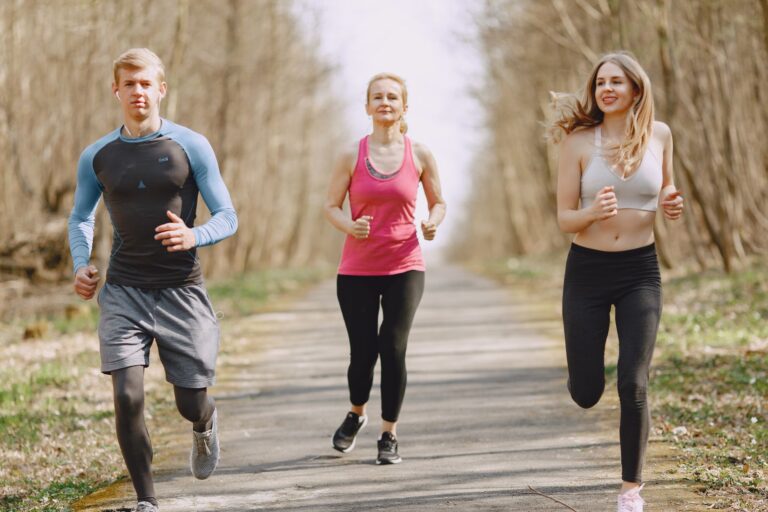
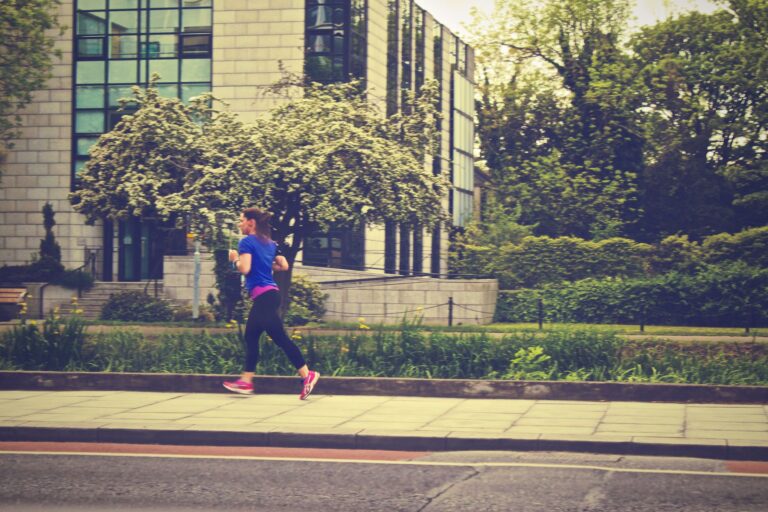
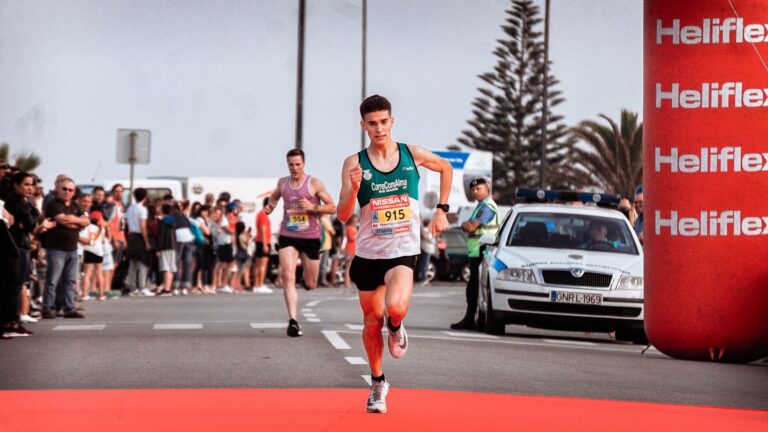
Cushioning in running shoes serves as your primary defense against the repetitive impact forces that accumulate over a 7-mile run, absorbing roughly 40-60% of the shock that would otherwise travel directly through your joints, muscles, and connective tissues. At seven miles, the average runner takes approximately 10,000 to 12,000 steps, with each footstrike generating forces equal to two to three times their body weight””meaning a 160-pound runner experiences cumulative impact loads approaching 250 tons over the course of a single run. Adequate cushioning disperses this energy across a broader surface area and over a longer time period, reducing peak stress on the feet, ankles, knees, and hips.
Consider a runner transitioning from a minimalist shoe to a well-cushioned trainer for their weekly 7-mile route: many report that the deep fatigue in their calves and the sharp ache in their metatarsals diminish significantly within just a few sessions. This isn’t merely about comfort””though that matters””but about managing the mechanical load that compounds mile after mile. Without sufficient cushioning, runners risk stress fractures, plantar fasciitis, and joint inflammation that can sideline training for weeks. This article explores the specific mechanisms by which cushioning protects runners at the 7-mile distance, examines when more cushioning isn’t necessarily better, discusses the role of different foam technologies, and provides practical guidance for selecting and maintaining cushioned footwear for mid-distance running.
Table of Contents
- What Makes Cushioning Essential for 7-Mile Running Performance?
- How Midsole Technology Affects Impact Absorption at Mid-Distance
- The Relationship Between Cushioning and Running Economy on Longer Runs
- Selecting Cushioning Levels Based on Running Surface and Terrain
- Why Over-Cushioning Can Create Problems for Some Runners
- How Body Weight Influences Cushioning Requirements
- How to Prepare
- How to Apply This
- Expert Tips
- Conclusion
- Frequently Asked Questions
What Makes Cushioning Essential for 7-Mile Running Performance?
The 7-mile distance occupies a demanding middle ground in running“”long enough to generate significant cumulative stress but short enough that runners often maintain a faster pace than they would during longer efforts. This combination creates a scenario where impact forces are both frequent and relatively high in magnitude. Research from the American College of Sports Medicine indicates that runners at moderate paces (roughly 8-9 minutes per mile) experience ground reaction forces averaging 2.5 times body weight, which translates to substantial mechanical stress over 10,000-plus footstrikes. Cushioning materials work by deforming upon impact and then slowly returning to their original shape, converting kinetic energy into heat rather than allowing it to transfer into the runner’s skeletal system.
Modern midsole foams like EVA, TPU-based compounds, and nitrogen-infused materials each accomplish this through different mechanisms, but the end result is similar: a measurable reduction in the rate at which force is applied to the body. This “loading rate” reduction is particularly significant because studies suggest that high loading rates””rather than total force alone””correlate more strongly with running injuries. Compare a runner completing 7 miles in racing flats with minimal cushioning versus the same runner in a max-cushioned trainer: accelerometer data typically shows 20-30% higher peak tibial shock in the racing flat. Over a single run, this difference might feel manageable. Over weeks of consistent training, it becomes the difference between healthy adaptation and overuse injury.
How Midsole Technology Affects Impact Absorption at Mid-Distance
The midsole represents the functional heart of shoe cushioning, and its composition determines not just the amount of shock absorption but also its quality and durability. Traditional EVA foam, still common in budget and mid-range shoes, provides adequate cushioning initially but compresses permanently over time, losing approximately 40% of its shock-absorbing capacity by 300-400 miles. For a runner logging three 7-mile runs per week, this means noticeable degradation within four to five months. Newer foam technologies address this limitation through different approaches. TPU-based foams like Adidas Boost or Saucony PWRRUN+ maintain their resilience significantly longer, often lasting 500-600 miles before substantial breakdown.
Nike’s ZoomX foam prioritizes energy return, giving runners a sensation of propulsion that can reduce perceived effort during longer efforts. However, higher energy return often comes with reduced pure cushioning””the foam compresses more deeply, which some runners interpret as less protection rather than more responsiveness. The critical caveat for 7-mile runners: maximum cushioning isn’t automatically optimal. Runners with efficient biomechanics and strong lower-leg musculature sometimes find that ultra-cushioned shoes actually increase energy expenditure because the soft platform requires additional stabilization effort. If you notice that your calves fatigue faster or your cadence drops in heavily cushioned shoes, you may benefit from a more moderate midsole stack height””typically 25-30mm rather than the 35mm-plus found in maximalist designs.
The Relationship Between Cushioning and Running Economy on Longer Runs
Running economy””the oxygen cost of maintaining a given pace””becomes increasingly important as distance increases. By mile five of a 7-mile run, accumulated fatigue means that any inefficiency in your gait or equipment extracts a growing toll. Cushioning affects running economy through two competing mechanisms: shock absorption reduces the muscular work required to dampen impact, but the compression and rebound cycle of soft foams demands energy that a firmer surface would not. Studies from the University of Colorado’s Locomotion Lab demonstrate that reducing shoe mass by 100 grams typically improves running economy by about 1%, but adding cushioning that reduces loading rate can offset this relationship.
The net effect depends on individual factors including body mass, foot strike pattern, and running speed. Heavier runners generally benefit more from cushioning because absolute impact forces scale with mass, while lighter runners may prioritize shoe weight and responsiveness. A practical example illustrates this tradeoff: a 180-pound runner found that switching from a lightweight trainer (8 oz, 22mm stack) to a cushioned daily trainer (10 oz, 32mm stack) slowed their easy 7-mile runs by approximately 15 seconds per mile while substantially reducing next-day soreness. For this runner, the recovery benefit outweighed the modest pace reduction. A 130-pound training partner made the opposite choice, finding that the lighter shoe allowed faster training paces without injury consequences.
Selecting Cushioning Levels Based on Running Surface and Terrain
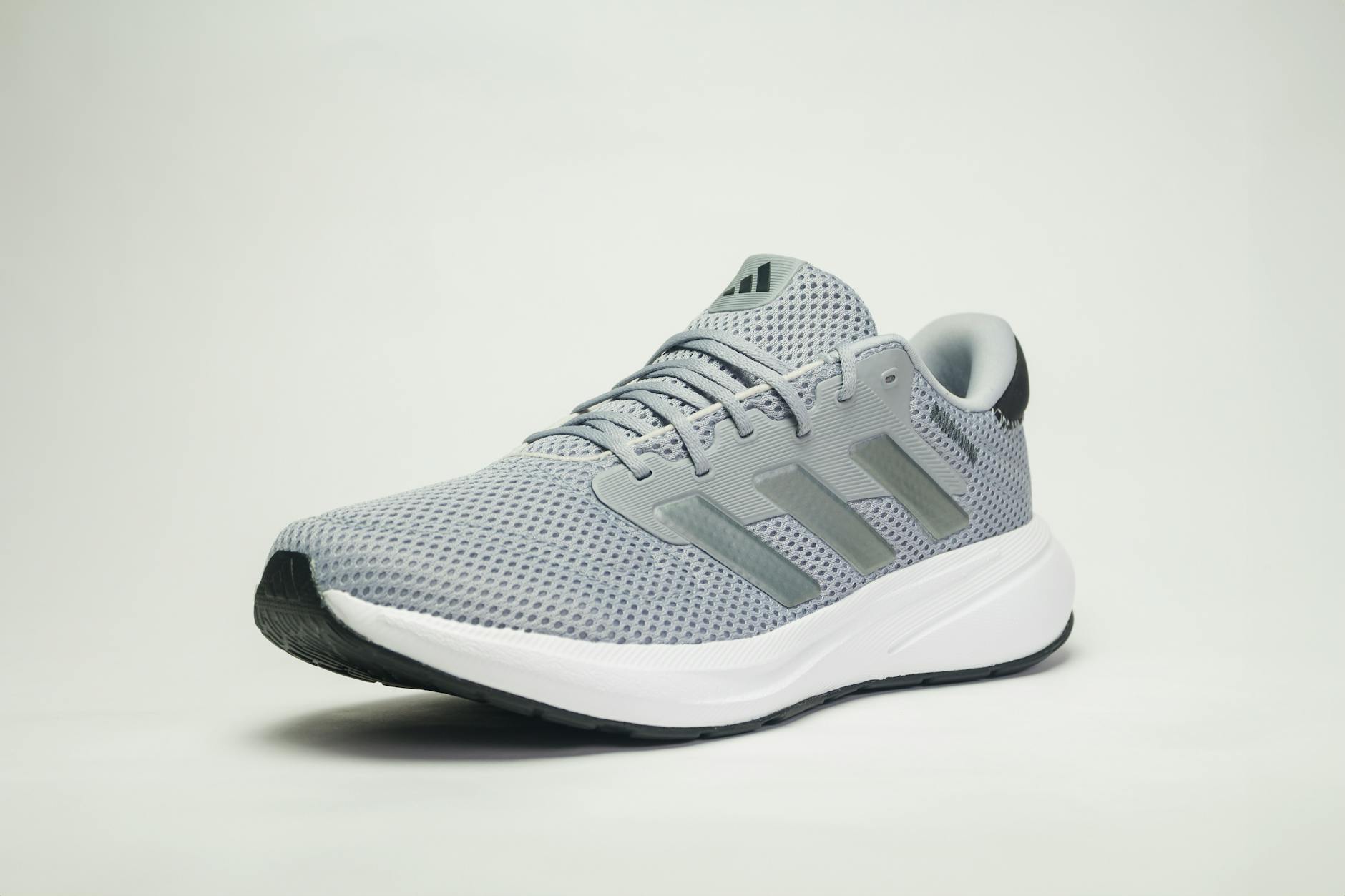
The surface beneath your feet fundamentally alters cushioning requirements. Asphalt and concrete surfaces offer essentially zero compliance, meaning the shoe’s midsole must provide all shock absorption. Trail surfaces, by contrast, contribute natural cushioning through soil compression, leaf litter, and surface irregularity””though they also introduce stability challenges that may argue against maximum cushioning. For runners completing 7-mile routes primarily on roads, cushioned trainers with stack heights of 28-35mm represent a reasonable starting point.
Those running on well-groomed dirt paths or crushed gravel can often use slightly less cushioned options without penalty. Mixed-surface routes””common for runners who combine road and trail segments””present the most complex decision, as the shoe must handle both hard pavement and variable terrain. One specific consideration often overlooked: bridge surfaces and concrete sidewalks are typically harder than asphalt roadways. A runner whose 7-mile route includes significant sidewalk or bridge mileage experiences meaningfully higher impact forces than GPS data might suggest based on total distance alone. This runner might benefit from cushioning levels more typically associated with longer distances.
Why Over-Cushioning Can Create Problems for Some Runners
The assumption that more cushioning always equals better protection doesn’t hold under scrutiny. Research published in the British Journal of Sports Medicine found that injury rates among runners in maximalist cushioned shoes were not significantly lower than those in traditional footwear””and some studies suggest potential increases in certain injury types. The reasons involve both biomechanics and sensory feedback. Highly cushioned shoes raise the foot’s center of mass relative to the ground, increasing leverage forces at the ankle and potentially contributing to lateral instability.
Runners with weak hip stabilizers or those prone to overpronation may find that excessive cushioning amplifies rather than reduces problematic movement patterns. Additionally, the reduced ground feel in max-cushioned shoes can disrupt the proprioceptive feedback that helps runners adjust their gait in response to fatigue or terrain changes. The warning signs that you may have too much cushioning include: ankle instability or frequent minor “rolling” sensations, increased hip or IT band discomfort despite softer landings, and a sensation of working harder than expected to maintain pace. If these symptoms appear after transitioning to more cushioned shoes, consider stepping back to a moderate cushioning level rather than continuing to add foam beneath your feet.

How Body Weight Influences Cushioning Requirements
Heavier runners experience proportionally greater impact forces with each footstrike, making cushioning selection particularly consequential. A 200-pound runner generates roughly 600 pounds of force per footstrike at typical training paces, while a 130-pound runner generates approximately 390 pounds””a 54% difference that compounds dramatically over 7 miles. Shoe cushioning that adequately protects the lighter runner may bottom out repeatedly under the heavier runner, providing inconsistent and inadequate protection.
Most shoe manufacturers design their standard cushioning for runners between 140-180 pounds. Runners above this range should consider shoes marketed specifically for additional cushioning or “max cushion” categories, while lighter runners may find that moderate cushioning levels provide adequate protection without the inefficiency penalties of excessive foam. A 210-pound runner recently reported that switching from a standard cushioned trainer to a model with 40% denser foam eliminated chronic knee pain that had plagued his 7-mile long runs for months.
How to Prepare
- **Rotate between two pairs of cushioned trainers**, alternating each run day to allow foam recovery time between sessions. Midsole materials require 24-48 hours to fully decompress after a run, and continuous daily use accelerates cushioning breakdown. Using a single pair for back-to-back 7-mile runs can reduce effective cushioning by 15-20% on the second day.
- **Track mileage on each pair using a running app or simple log**. Most cushioned trainers maintain optimal protection for 300-500 miles depending on foam type and runner weight. Replace shoes before visible wear appears on the outsole, as midsole degradation typically precedes outsole breakdown.
- **Test new cushioned shoes on shorter runs first**, completing at least 20-30 miles before using them for 7-mile efforts. This break-in period allows minor fit issues to emerge without compromising a key training run and lets your neuromuscular system adapt to the shoe’s specific cushioning characteristics.
- **Store shoes at room temperature away from direct heat sources**. Heat accelerates EVA foam degradation significantly””leaving shoes in a hot car trunk after summer runs can reduce cushioning lifespan by months.
- **Inspect midsoles monthly by pressing firmly with your thumb**. Fresh cushioning should compress and rebound immediately; foam that holds a visible impression for more than a second has lost significant protective capacity.
How to Apply This
- **Assess your current cushioning needs honestly** by evaluating factors including body weight, typical running surfaces, injury history, and recovery capacity. Runners with previous stress fractures or joint issues generally benefit from erring toward more cushioning, while injury-free runners with efficient biomechanics may perform better with moderate levels.
- **Match cushioning to workout purpose** rather than using identical shoes for all runs. Reserve your most cushioned trainers for easy and recovery runs where protection matters more than speed; consider lighter, more responsive options for tempo runs and intervals where the 7-mile distance occurs at higher intensity.
- **Pay attention to how your legs feel 24-48 hours after 7-mile runs** as a feedback mechanism for cushioning adequacy. Persistent deep muscle fatigue, joint aching, or bone tenderness may indicate insufficient cushioning, while unexpected calf tightness or hip discomfort might suggest excessive cushioning creating stabilization demands.
- **Adjust cushioning seasonally if your routes change**. Winter running on frozen ground or summer running on heat-softened asphalt alters effective surface compliance, and your optimal cushioning level may shift accordingly.
Expert Tips
- Consider your weekly mileage total, not just individual run length, when selecting cushioning levels””a runner doing three 7-mile runs per week has different cumulative stress than someone doing one 7-mile run among shorter outings.
- Do not assume that more expensive shoes provide better cushioning; foam technology and stack height matter more than price point, and some budget shoes use excellent cushioning materials.
- Replace cushioned shoes based on mileage rather than time, but do replace shoes that have sat unused for over 18 months, as foam compounds degrade even without use.
- Test shoes later in the day when feet have swollen slightly, ensuring the fit accommodates the foot expansion that occurs during 7-mile runs.
- Avoid transitioning directly from minimal cushioning to maximum cushioning; instead, increase gradually over 3-4 weeks to allow your biomechanics to adapt without creating new strain patterns.
Conclusion
Cushioning serves a critical protective function during 7-mile runs, absorbing impact forces that would otherwise accumulate to damaging levels across thousands of footstrikes. The right amount of cushioning depends on individual factors including body weight, running surface, biomechanical efficiency, and injury history””making blanket recommendations less useful than thoughtful self-assessment. Modern foam technologies offer meaningful performance improvements over previous generations, but the proliferation of options also requires runners to understand what they’re actually getting from different cushioning approaches.
The practical path forward involves selecting cushioning appropriate to your specific circumstances, maintaining shoes properly to preserve their protective capacity, and remaining attentive to the feedback your body provides after mid-distance efforts. When cushioning is well-matched to your needs, 7-mile runs can serve as productive training stimuli that build fitness without extracting excessive physical cost. When cushioning is inadequate or excessive, the same distance becomes a source of unnecessary strain that compromises recovery and raises injury risk.
Frequently Asked Questions
How long does it typically take to see results?
Results vary depending on individual circumstances, but most people begin to see meaningful progress within 4-8 weeks of consistent effort. Patience and persistence are key factors in achieving lasting outcomes.
Is this approach suitable for beginners?
Yes, this approach works well for beginners when implemented gradually. Starting with the fundamentals and building up over time leads to better long-term results than trying to do everything at once.
What are the most common mistakes to avoid?
The most common mistakes include rushing the process, skipping foundational steps, and failing to track progress. Taking a methodical approach and learning from both successes and setbacks leads to better outcomes.
How can I measure my progress effectively?
Set specific, measurable goals at the outset and track relevant metrics regularly. Keep a journal or log to document your journey, and periodically review your progress against your initial objectives.
When should I seek professional help?
Consider consulting a professional if you encounter persistent challenges, need specialized expertise, or want to accelerate your progress. Professional guidance can provide valuable insights and help you avoid costly mistakes.
What resources do you recommend for further learning?
Look for reputable sources in the field, including industry publications, expert blogs, and educational courses. Joining communities of practitioners can also provide valuable peer support and knowledge sharing.