Long runs require different running shoes because the biomechanical demands on your feet change dramatically after the first 60 to 90 minutes of running. As fatigue sets in, your foot strike patterns shift, your arch support weakens, and the cumulative impact forces exceed what everyday trainers are designed to handle. A shoe that feels perfectly adequate during a 5K can leave you with blisters, joint pain, or even stress fractures when you push past 10 miles. For example, a runner training for a marathon might notice that their lightweight tempo shoes, which work beautifully for speed sessions, leave their feet aching and their knees sore after a two-hour training run because those shoes lack the cushioning and structural support needed for extended efforts.
The distinction matters more than many runners realize. Your feet can swell by as much as half a shoe size during long efforts, your muscles lose their ability to absorb shock efficiently, and your running form inevitably deteriorates as miles accumulate. Dedicated long-run shoes address these challenges with additional midsole cushioning, wider toe boxes, and more durable outsole materials that maintain their protective qualities even as you fatigue. This article covers how to identify when your current shoes fall short for distance work, what specific features to look for in a long-run shoe, how rotation between different shoes extends the life of your footwear and reduces injury risk, and practical guidance for building a shoe rotation that matches your training plan.
Table of Contents
- What Makes Long Runs Harder on Your Feet Than Short Runs?
- The Cushioning Breakdown: Why Midsole Materials Fail Over Distance
- How Foot Swelling Changes Your Shoe Requirements During Long Efforts
- Building a Shoe Rotation for Different Training Demands
- When Standard Long-Run Shoe Advice Does Not Apply
- The Role of Midsole Geometry in Long-Run Performance
- How to Prepare
- How to Apply This
- Expert Tips
- Conclusion
- Frequently Asked Questions
What Makes Long Runs Harder on Your Feet Than Short Runs?
The physics of distance running create a compounding stress problem that short runs simply do not replicate. During each mile of running, your feet absorb roughly 110 tons of cumulative force. By mile 15, that total exceeds 1,650 tons of impact on each foot. Your muscles, tendons, and the foam compounds in your shoes all degrade under this sustained load. A study from the American College of Sports Medicine found that runners experience measurable changes in gait mechanics after approximately 45 minutes of continuous running, including increased ground contact time and reduced ankle stiffness, both of which alter how force distributes through the foot. The fatigue effect creates a vicious cycle.
As your stabilizing muscles tire, your foot pronates more with each step, which places additional strain on structures that were already working hard. This explains why many runners develop issues like plantar fasciitis or IT band syndrome primarily during their longest weekly runs rather than during shorter efforts at faster paces. The speed of a 5K actually distributes force differently than the prolonged, repetitive motion of a long run, meaning shoes optimized for racing often provide inadequate protection for training distances. Compare the experience of running 3 miles in racing flats versus 18 miles in the same shoes. The first scenario leaves most runners feeling fine, while the second frequently results in bruised toenails, hot spots on the soles of the feet, and significant post-run soreness. The shoes did not change, but the demands exceeded their design parameters.
The Cushioning Breakdown: Why Midsole Materials Fail Over Distance
Modern running shoe midsoles use foam compounds engineered to compress under impact and then rebound to their original shape. This energy return system works well when the foam has time to recover between compressions, but during continuous running, the material heats up, loses resilience, and provides progressively less protection. Laboratory testing shows that EVA foam, still common in budget and midrange shoes, loses approximately 40 percent of its shock absorption capacity after 30 minutes of continuous compression cycles at running temperatures. Newer foam technologies like Nike’s ZoomX, Saucony’s PWRRUN PB, and Adidas Lightstrike Pro maintain their properties longer, but even these premium materials experience degradation during extended efforts. The practical implication is that the cushioning you feel during the first mile is not the cushioning you receive during mile 12.
Long-run specific shoes typically use denser, more resilient foam compounds that sacrifice some initial softness for sustained performance. However, if you weigh under 140 pounds and have efficient running mechanics, you may not need maximally cushioned long-run shoes. Lighter runners generate less impact force per step, and those with good form maintain better shock absorption through muscular engagement. The optimal cushioning level depends on your body weight, running surface, pace, and individual biomechanics. Heavier runners or those with previous impact-related injuries benefit most from dedicated long-run cushioning.
How Foot Swelling Changes Your Shoe Requirements During Long Efforts
Feet swell during running due to increased blood flow, fluid accumulation, and temperature elevation within the shoe. Research published in the Journal of Foot and Ankle Research measured average increases of 0.5 to 1.0 centimeter in foot length and similar expansion in width during runs exceeding 90 minutes. This swelling means a shoe that fits correctly at the start of a long run becomes progressively tighter, leading to black toenails, blisters, and numbness in the forefoot. Experienced marathoners often purchase their long-run shoes a half size larger than their everyday trainers specifically to accommodate this expansion.
The extra room seems excessive when lacing up for a run but becomes essential two hours later. A runner who wears size 10 daily trainers might find that a size 10.5 long-run shoe prevents the toe box compression that previously caused toenail damage during 18-mile training runs. The toe box shape matters as much as overall size. Brands like Altra and Topo Athletic design their shoes with anatomically shaped toe boxes that mirror the natural spread of the foot, providing swelling room without requiring you to size up. Traditional tapered toe boxes, common in performance-oriented shoes, accommodate swelling poorly regardless of length adjustments.
Building a Shoe Rotation for Different Training Demands
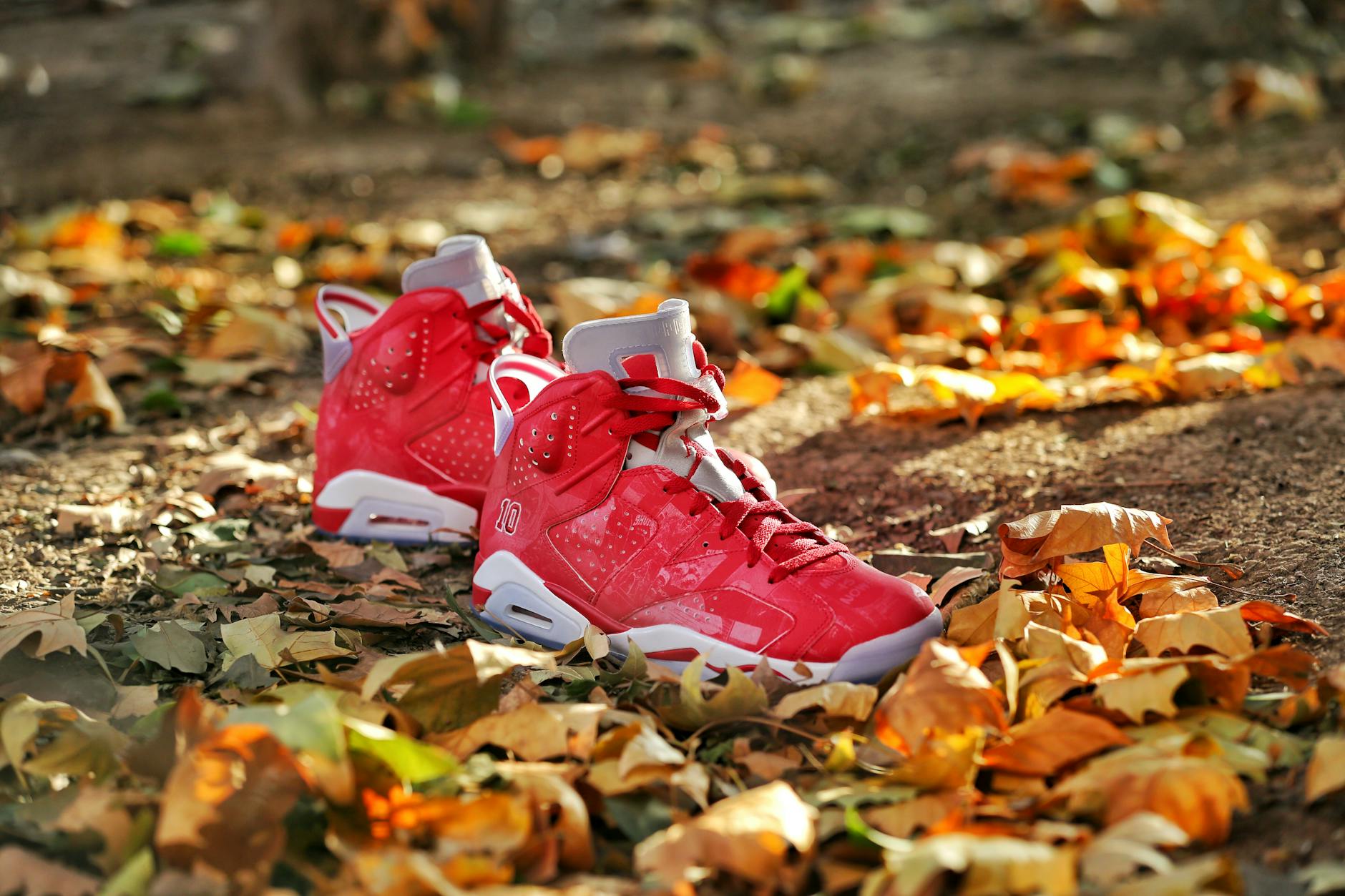
A well-planned shoe rotation extends the life of each pair while reducing injury risk by varying the stress patterns on your feet and legs. The basic framework includes at least three categories: long-run shoes with maximum cushioning and durability, daily trainers with moderate cushioning and versatility, and speed shoes with minimal weight and maximum responsiveness. Rotating between these categories prevents the repetitive stress that occurs when the same structures absorb impact in identical patterns day after day. The tradeoff with rotation involves cost and complexity.
Maintaining three or more pairs of running shoes requires a larger upfront investment, though each pair lasts longer because no single shoe accumulates all your mileage. A runner logging 40 miles per week might expect a single pair of trainers to last three to four months, while the same runner rotating between three pairs could extend each shoe’s life to eight or ten months. Consider the difference between a rotation built around one premium shoe versus a rotation using multiple mid-tier options. A single $180 shoe replaced every 400 miles costs more annually than two $120 shoes alternated and replaced at 500 miles each. The budget approach provides variety and durability benefits while reducing per-mile footwear costs.
When Standard Long-Run Shoe Advice Does Not Apply
Certain running styles and physiological factors require modifications to conventional long-run shoe recommendations. Forefoot strikers, for example, concentrate impact on the ball of the foot rather than the heel, meaning extra heel cushioning provides minimal benefit while forefoot stack height becomes critical. These runners may find that shoes marketed as long-run options feel awkward because the cushioning sits in the wrong location. Trail runners face different demands than road runners during long efforts. Soft, uneven surfaces naturally provide some shock absorption, but they also require more lateral stability and foot protection from rocks and roots.
A maximally cushioned road long-run shoe on technical trails becomes a liability, with the soft midsole creating instability on uneven terrain. Trail-specific long-run shoes balance cushioning with firmer midsole compounds and more aggressive outsole traction. Runners with significant overpronation or flat feet should approach maximalist cushioning cautiously. Highly cushioned shoes with soft midsoles can allow excessive foot motion, potentially worsening pronation-related issues. These runners often need long-run shoes that combine cushioning with stability features like medial posts or guide rails, even though pure stability shoes are less common in the maximum cushioning category.

The Role of Midsole Geometry in Long-Run Performance
Beyond cushioning materials, the geometric design of the midsole affects how long runs feel and whether your form deteriorates as fatigue accumulates. Rocker geometry, where the sole curves upward at the toe and heel, encourages a forward rolling motion that reduces the muscular effort required to push off with each step. This design becomes increasingly valuable as miles accumulate and your calves and Achilles tendons fatigue.
The Hoka Bondi and Brooks Glycerin both incorporate rocker geometries, though their implementations differ noticeably. The Bondi uses a more pronounced late-stage rocker that assists toe-off, while the Glycerin employs a gentler curve throughout the transition. Runners recovering from Achilles tendinopathy often prefer aggressive rocker profiles that minimize tendon strain, while those with forefoot issues may find gentler curves more comfortable.
How to Prepare
- **Assess your current long-run problems.** Track where discomfort develops during extended efforts. Note whether issues appear in your feet, ankles, knees, or hips, and at what mileage they typically begin. This information guides which shoe features to prioritize.
- **Measure your feet late in the day after activity.** Feet swell throughout the day and after exercise, so sizing yourself in the morning leads to shoes that fit too tightly during runs. Visit a running store in the afternoon or after a short run for the most accurate fit assessment.
- **Research shoes matching your identified needs.** Use the problems catalogued in step one to filter options. Toe box blisters suggest prioritizing width, heel pain indicates cushioning needs, and arch fatigue points toward support requirements.
- **Test options on a treadmill or with a return policy.** Most specialty running stores allow treadmill testing. Online retailers like Running Warehouse and Zappos offer generous return windows for lightly used shoes. Never commit to a long-run shoe without testing it beyond the parking lot.
- **Break in new shoes gradually before long efforts.** Wear new shoes for short runs of 3 to 5 miles for at least two weeks before attempting distances beyond 10 miles. This allows both the shoe and your feet to adapt. Warning: many runners have ruined race-day experiences by wearing inadequately broken-in shoes for marathons or other goal events.
How to Apply This
- **Designate specific shoes for runs exceeding 90 minutes.** Keep these shoes exclusively for long efforts to preserve their cushioning properties and to build mental associations between the footwear and the sustained focus long runs require.
- **Match shoe features to your long-run surfaces.** If your long runs occur primarily on trails, asphalt, concrete, or treadmills, select shoes engineered for that specific surface. The cushioning needs for each surface differ substantially.
- **Replace long-run shoes based on time rather than just mileage.** The midsole foam degrades both from use and from age. A shoe worn only for weekend long runs may look fresh after a year but could have lost significant cushioning capacity due to foam breakdown over time. Consider replacing long-run shoes every 12 to 18 months regardless of total mileage.
- **Adjust shoe selection seasonally.** Cold weather stiffens midsole foam and reduces cushioning effectiveness, potentially requiring a more cushioned option in winter months. Hot weather can accelerate foam softening and increase foot swelling, making toe box room more critical during summer.
Expert Tips
- Lace your long-run shoes loosely across the midfoot and tightly only at the top two eyelets to accommodate swelling while maintaining heel lockdown.
- Store long-run shoes at room temperature between uses because heat from car trunks or garages degrades midsole foam faster than normal aging.
- Do not wear your long-run shoes for non-running activities, as casual walking compresses the foam without the dynamic loading it was designed for, reducing effective lifespan.
- Consider heel-toe drop when selecting long-run shoes, as higher drops (10-12mm) often suit heel strikers better while lower drops (4-6mm) favor midfoot and forefoot patterns. Switching drop significantly between short and long runs can create Achilles strain.
- Avoid using brand-new long-run shoes for any run exceeding 10 miles until you have completed at least 30 to 40 miles in them during shorter efforts.
Conclusion
Long runs impose fundamentally different demands on running shoes than shorter training efforts. The extended duration causes midsole materials to lose cushioning capacity, feet to swell beyond normal sizing, and fatiguing muscles to require more external support from footwear. Addressing these challenges requires either dedicated long-run shoes or at minimum a shoe rotation strategy that accounts for the unique stresses of distance work.
The investment in proper long-run footwear pays returns through reduced injury risk, more comfortable training, and better performance when it matters most. Start by honestly evaluating where your current shoes fail during long efforts, then systematically address those weaknesses through informed shoe selection and consistent rotation practices. Your feet absorb the burden of every mile you run. Give them equipment matched to the task.
Frequently Asked Questions
How long does it typically take to see results?
Results vary depending on individual circumstances, but most people begin to see meaningful progress within 4-8 weeks of consistent effort. Patience and persistence are key factors in achieving lasting outcomes.
Is this approach suitable for beginners?
Yes, this approach works well for beginners when implemented gradually. Starting with the fundamentals and building up over time leads to better long-term results than trying to do everything at once.
What are the most common mistakes to avoid?
The most common mistakes include rushing the process, skipping foundational steps, and failing to track progress. Taking a methodical approach and learning from both successes and setbacks leads to better outcomes.
How can I measure my progress effectively?
Set specific, measurable goals at the outset and track relevant metrics regularly. Keep a journal or log to document your journey, and periodically review your progress against your initial objectives.
When should I seek professional help?
Consider consulting a professional if you encounter persistent challenges, need specialized expertise, or want to accelerate your progress. Professional guidance can provide valuable insights and help you avoid costly mistakes.
What resources do you recommend for further learning?
Look for reputable sources in the field, including industry publications, expert blogs, and educational courses. Joining communities of practitioners can also provide valuable peer support and knowledge sharing.