The best cushioned running shoes for long distance training combine substantial midsole foam with responsive energy return, and current standouts include the ASICS Gel-Nimbus 26, New Balance Fresh Foam More v4, Hoka Bondi 8, Brooks Glycerin 21, and Nike Invincible 3. These models share a common trait: they prioritize protection over speed, using foam stacks ranging from 35mm to over 40mm to absorb the repetitive impact of high-mileage weeks. A runner logging 50 miles per week, for example, places roughly 40,000 footstrikes on their body weekly, making adequate cushioning not a luxury but a necessity for sustainable training. The cushioned shoe category has evolved dramatically since the early 2010s, when maximalist designs from Hoka first challenged the minimalist trend.
Today’s options span a wide spectrum from plush, sink-in softness to firmer, more propulsive platforms. Understanding where your needs fall on that spectrum determines whether you thrive in a shoe or fight against it. Someone training for their first marathon might prioritize forgiving cushion, while an experienced ultrarunner may need something that remains stable after hour five. This article examines why cushioning matters for distance training, how different foam technologies perform over various mileages, and what tradeoffs accompany heavily cushioned designs. You will learn how to evaluate cushioning relative to your weight, gait, and weekly volume, plus practical guidance for rotating shoes to extend their lifespan and protect your body.
Table of Contents
- What Makes Cushioned Running Shoes Essential for Long Distance Training?
- How Midsole Foam Technology Affects Distance Running Performance
- Selecting the Right Stack Height for Your Training Volume
- Comparing Popular Cushioned Trainers for Marathon Preparation
- Understanding Cushioning Degradation and Replacement Timing
- The Role of Heel-to-Toe Drop in Cushioned Running Shoes
- How to Prepare
- How to Apply This
- Expert Tips
- Conclusion
- Frequently Asked Questions
What Makes Cushioned Running Shoes Essential for Long Distance Training?
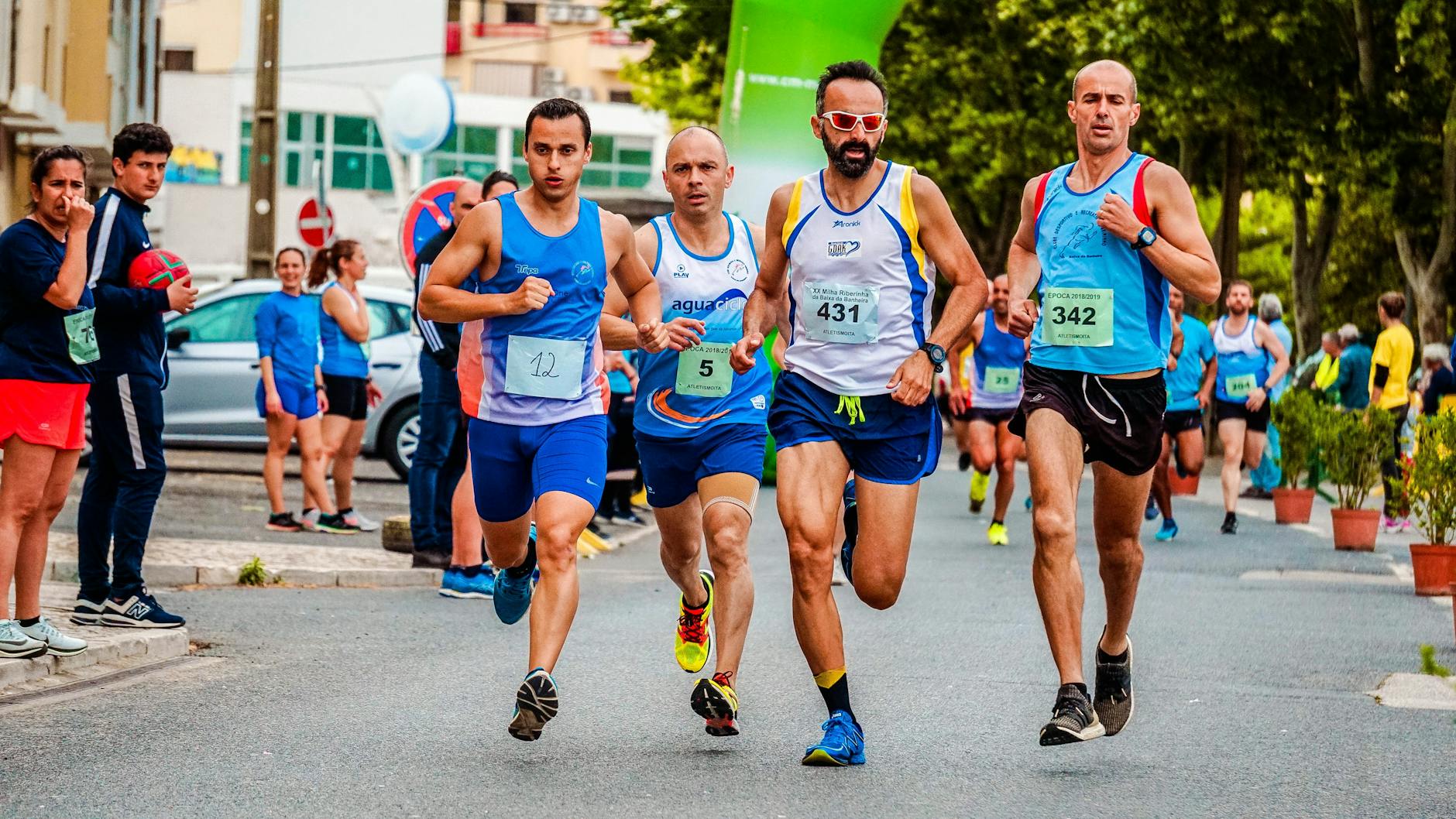
Long distance training imposes cumulative stress that short runs simply do not replicate. A single mile generates impact forces between 1.5 and 3 times a runner’s body weight with each footstrike, multiplied across roughly 1,500 steps per mile. During a 15-mile long run, that translates to over 22,000 impacts, each transmitting force through the foot, ankle, knee, and hip. Cushioned midsoles serve as the primary buffer between pavement and skeleton, dissipating energy that would otherwise accelerate fatigue and joint wear. The distinction between adequate and inadequate cushioning often reveals itself after mile 10, when muscular fatigue compromises the body’s natural shock absorption. Fresh legs can handle firmer surfaces and shoes; tired legs cannot.
This explains why many runners finish long efforts with sore feet, aching knees, or hip tightness despite feeling fine at the halfway point. Shoes like the Hoka Mach X or Saucony Triumph 21 address this by maintaining consistent energy absorption even as the runner’s form deteriorates. However, more cushioning is not universally better. Excessive softness can destabilize the foot, requiring additional muscular effort to control motion and potentially creating different injury patterns. Runners with efficient, neutral gaits typically tolerate maximum cushion well, while those with significant pronation may find that soft platforms amplify instability. The goal is matching cushion level to individual biomechanics and training demands rather than defaulting to the thickest option available.
How Midsole Foam Technology Affects Distance Running Performance
Modern running shoe cushioning relies primarily on two foam categories: EVA-based compounds and newer engineered foams like Nike ZoomX, Adidas Lightstrike Pro, and Saucony PWRRUN PB. Traditional EVA offers reliable cushioning at low cost but compresses over time, losing 20-30 percent of its responsiveness within 250-300 miles. Engineered foams maintain their properties significantly longer, often providing consistent performance through 400-500 miles, which matters substantially for runners investing in premium models. Energy return percentages have become a marketing focal point, with some foams advertising 85-90 percent return rates. These figures require context: they measure how much energy the foam gives back relative to compression force under laboratory conditions, not how much propulsive benefit a runner actually perceives. A shoe with 88 percent energy return may feel entirely different from another with the same rating depending on foam geometry, stack height, and how a runner’s footstrike interacts with the platform.
The Brooks Glycerin GTS, for instance, uses DNA LOFT v3 foam rated highly for return but feels decidedly softer and less snappy than Nike’s ZoomX at similar return percentages. The practical limitation involves weight and ground feel tradeoffs. Foams optimized for maximum cushioning often add 30-50 grams per shoe compared to firmer alternatives. For elite runners chasing personal bests, that weight penalty matters; for recreational runners prioritizing joint protection over pace, it rarely does. Similarly, thick midsoles reduce proprioceptive feedback from the ground, making technical trails or uneven surfaces more challenging to navigate safely. Cushioned road shoes should generally stay on roads.
Selecting the Right Stack Height for Your Training Volume
Stack height””the total thickness of midsole material beneath the foot””directly correlates with available cushioning but also influences stability, flexibility, and running economy. Current maximalist trainers range from 35mm to over 40mm in stack height, compared to 25-30mm for traditional trainers. Higher stacks place the foot further from the ground, raising the center of gravity and creating longer lever arms that must be controlled through the stance phase. Runners logging 40-plus miles weekly typically benefit from higher stacks because accumulated impact demands more protection. A study from the British Journal of Sports Medicine found that higher-volume recreational runners experienced 52 percent fewer running-related injuries when using footwear with enhanced cushioning compared to conventional shoes.
However, runners with a history of ankle sprains or lateral instability may find that stacks above 35mm compromise their proprioception enough to increase injury risk rather than reduce it. Individual response varies considerably. As a practical guideline, stack height selection should account for running surface, body weight, and weekly mileage together. A 140-pound runner averaging 30 miles weekly on smooth pavement can thrive in moderate cushioning around 32-35mm. A 185-pound runner logging 60 miles weekly on mixed surfaces often needs 38mm or more to maintain tissue health. Starting with moderate cushioning and increasing only if soreness or fatigue patterns indicate inadequate protection represents a safer approach than defaulting to maximum cushion without clear need.
Comparing Popular Cushioned Trainers for Marathon Preparation
Marathon training demands shoes capable of performing across varied sessions: easy recovery runs, tempo workouts, and progression long runs all stress footwear differently. The ideal cushioned trainer handles 6-mile easy days as capably as 20-mile efforts without creating blisters, hot spots, or breakdown patterns during the 16-20 week buildup. Several current models have established strong reputations for this specific use case. The ASICS Gel-Nimbus 26 combines FF Blast Plus cushioning with traditional GEL units at heel and forefoot, creating a hybrid system that remains consistent across varied paces. Its 266-gram weight is moderate for the category. The New Balance Fresh Foam More v4 goes maximalist at 42mm stack height with a rocker geometry that encourages efficient turnover despite the substantial platform.
The Hoka Bondi 8 remains the category benchmark for plush feel, though some runners find its softness saps energy during faster segments. The Nike Invincible 3 uses ZoomX foam throughout for exceptional bounce but runs $180, testing whether foam quality justifies premium pricing. The tradeoff central to all these options involves versatility versus specialization. A supremely cushioned daily trainer excels at protecting the body during high mileage but typically cannot double as a workout shoe for intervals or tempo runs. Most serious marathoners maintain a rotation: one maximally cushioned trainer for easy and long runs, one lighter responsive trainer for workouts, and possibly race-day carbon-plated shoes for the event itself. Attempting to cover all sessions with a single heavily cushioned model compromises training quality during faster efforts.
Understanding Cushioning Degradation and Replacement Timing
Running shoe cushioning does not fail suddenly; it degrades gradually in ways runners often fail to notice because adaptation happens mile by mile. The foam cells that provide shock absorption slowly compress and lose their ability to rebound, while outsole rubber wears through high-contact zones. Most cushioned trainers reach functional end-of-life between 300-500 miles, though individual variation based on runner weight, gait, and running surfaces can extend or shorten this range substantially. Recognizing degradation requires attention to feel rather than visual appearance. The primary warning sign is increased post-run soreness in joints or muscles that previously felt fine””a signal that reduced cushioning is transmitting more impact force into tissues. Runners may also notice decreased bounce or responsiveness, feeling like they are running “into” the shoe rather than “on” it.
Tracking mileage in a running log or app like Strava allows objective monitoring; replacing shoes preemptively at 400 miles prevents the slow onset of overuse problems that result from running on dead foam. A critical warning: heavily cushioned shoes often look perfectly functional while providing substantially reduced protection. The midsole may show no visible compression while having lost 30 percent of its shock absorption. Outsoles wear visibly, but midsoles wear invisibly. Runners who replace shoes based on outsole appearance rather than midsole mileage frequently run 100-200 miles on inadequate cushioning before switching. Weight-tracking can help identify degradation””shoes that have gained significant dirt and moisture weight or lost measurable midsole height are approaching replacement time.
The Role of Heel-to-Toe Drop in Cushioned Running Shoes
Heel-to-toe drop, the height difference between heel and forefoot midsole thickness, influences how cushioning interacts with running form. Traditional running shoes feature 10-12mm drops that accommodate heel striking, while lower drops of 4-6mm encourage midfoot contact. Most cushioned trainers maintain moderate drops of 8-10mm as a compromise, though Hoka models typically run lower at 4-5mm despite their substantial stack heights.
Drop affects load distribution through the kinetic chain. Higher drops shift impact emphasis toward the heel and reduce strain on the Achilles tendon and calf complex, benefiting runners with histories of Achilles tendinitis or calf tightness. Lower drops distribute load more evenly across the foot but require adequate calf and ankle mobility to avoid overloading tissues unaccustomed to the position. A runner switching from 10mm drop shoes to 4mm drop Hokas should transition gradually over several weeks rather than immediately logging long runs in the new geometry.
How to Prepare
- **Calculate your current weekly mileage and projected training volume.** If preparing for a marathon, plan for peak weeks 30-50 percent higher than current volume. Cushioning needs increase with mileage, so buy for projected training load, not current habits.
- **Assess your injury history and current problem areas.** Knee pain often benefits from maximum cushioning; ankle instability may require more moderate stacks with better ground feel. Document where you consistently experience post-run soreness.
- **Get a gait analysis from a specialty running store.** Neutral runners can wear most cushioned options; moderate overpronators may need stability versions (like ASICS Gel-Kayano or Brooks Glycerin GTS) that combine cushion with medial support. Severe overpronators should consult a sports medicine professional before choosing maximally cushioned models.
- **Identify your running surfaces.** Cushioned road shoes perform poorly on technical trails where proprioception matters. If you split time between road and trail, consider separate shoes for each rather than compromising with one multi-surface option.
- **Establish a realistic budget.** Premium cushioned trainers range from $150-180; mid-tier options from $120-150 often provide 80 percent of the cushioning technology at lower cost. However, the most common mistake is buying based on price alone””a $110 shoe that breaks down at 250 miles costs more per mile than a $160 shoe lasting 450 miles.
How to Apply This
- **Start with one pair for easy and long runs.** Break in the new shoes over 2-3 weeks of lower-intensity running before using them for efforts longer than 90 minutes. This allows both the shoes and your feet to adapt to each other.
- **Maintain a training log that tracks shoe mileage.** Apps like Strava allow you to assign shoes to activities and monitor cumulative miles. Set a reminder to evaluate cushioning feel at 300 miles and plan replacement by 450-500 miles.
- **Build a two-shoe rotation if training exceeds 35 miles weekly.** Alternating between cushioned trainers allows foam to recover between runs””research suggests 24-48 hours of rest restores some energy return properties””and extends overall shoe lifespan by roughly 30 percent.
- **Monitor body response during the first month.** New cushioning characteristics require adaptation; some initial calf or foot fatigue is normal. Persistent new pain patterns indicate the shoe may not suit your biomechanics regardless of its category reputation.
Expert Tips
- Rotate multiple pairs of cushioned trainers rather than running every session in the same shoe. This practice extends individual shoe lifespan and may reduce injury rates by varying the mechanical stresses on your body.
- Do NOT wear your cushioned trainers for non-running activities like gym work, walking errands, or yard work. Standing and walking in running shoes compresses midsole foam without the recovery time that running allows between footstrikes.
- Store shoes at room temperature away from direct heat or sunlight. Foam compounds degrade faster when exposed to high temperatures, meaning shoes left in hot car trunks lose cushioning properties prematurely.
- Clean shoes with cold water and air dry only. Machine washing and especially machine drying damages adhesives and accelerates foam breakdown””a single dryer cycle can reduce remaining mileage life by 10-15 percent.
- Replace shoes based on mileage and feel, not calendar time. A shoe worn twice weekly over two years accumulates fewer miles than one worn daily for six months. Mileage matters; age alone does not unless storage conditions were poor.
Conclusion
Selecting cushioned running shoes for long distance training requires matching foam technology, stack height, and shoe geometry to your specific body weight, weekly volume, and biomechanical needs. The best options””models like the ASICS Gel-Nimbus, New Balance Fresh Foam More, Hoka Bondi, and Nike Invincible””provide substantial midsole protection while maintaining enough responsiveness for sustained efforts. Understanding that cushioning degrades invisibly over 300-500 miles allows you to replace shoes before inadequate protection manifests as overuse injuries.
The practical path forward involves honest assessment of your training demands, professional gait analysis if available, and commitment to tracking shoe mileage rather than guessing. Build a rotation if your weekly volume justifies it, reserve cushioned trainers specifically for running, and pay attention to how your body responds over the first month in new shoes. Cushioning technology continues advancing, but the fundamental principle remains constant: appropriate impact protection makes sustainable high-mileage training possible without accumulating the tissue damage that derails progress.
Frequently Asked Questions
How long does it typically take to see results?
Results vary depending on individual circumstances, but most people begin to see meaningful progress within 4-8 weeks of consistent effort. Patience and persistence are key factors in achieving lasting outcomes.
Is this approach suitable for beginners?
Yes, this approach works well for beginners when implemented gradually. Starting with the fundamentals and building up over time leads to better long-term results than trying to do everything at once.
What are the most common mistakes to avoid?
The most common mistakes include rushing the process, skipping foundational steps, and failing to track progress. Taking a methodical approach and learning from both successes and setbacks leads to better outcomes.
How can I measure my progress effectively?
Set specific, measurable goals at the outset and track relevant metrics regularly. Keep a journal or log to document your journey, and periodically review your progress against your initial objectives.
When should I seek professional help?
Consider consulting a professional if you encounter persistent challenges, need specialized expertise, or want to accelerate your progress. Professional guidance can provide valuable insights and help you avoid costly mistakes.
What resources do you recommend for further learning?
Look for reputable sources in the field, including industry publications, expert blogs, and educational courses. Joining communities of practitioners can also provide valuable peer support and knowledge sharing.