Half marathon training starts with the right pair of running shoes because every step of your 13.1-mile journey depends on proper foot support, cushioning, and biomechanical alignment. The wrong shoes don’t just cause discomfort””they create a cascade of problems that compounds over hundreds of training miles, from blisters and black toenails to shin splints, plantar fasciitis, and knee pain that can derail your race entirely. A runner training for a spring half marathon who starts in worn-out cross-trainers, for example, may feel fine during week one’s easy three-milers but develop IT band syndrome by week six when long runs hit eight miles, forcing a painful decision between pushing through injury or abandoning the goal. Selecting the right pair involves more than grabbing a popular model off the shelf.
You need shoes matched to your foot shape, gait pattern, running surface, and weekly mileage””factors that vary significantly between individuals. A neutral runner with high arches needs entirely different support than an overpronator with flat feet, even if both are targeting the same finish line. This article covers how to identify your foot type and gait, what features matter most in half marathon training shoes, when to replace them, and how to avoid the common fitting mistakes that sabotage new runners. We’ll also examine the relationship between shoe selection and injury prevention, breaking down practical steps to find your ideal training partner.
Table of Contents
- Why Do Running Shoes Matter So Much for Half Marathon Training?
- Understanding Your Foot Type and Gait Pattern
- Matching Shoe Categories to Your Biomechanics
- The Critical Importance of Proper Fit
- How Many Miles Before Your Shoes Need Replacing
- Breaking In New Shoes During Training
- How to Prepare
- How to Apply This
- Expert Tips
- Conclusion
- Frequently Asked Questions
Why Do Running Shoes Matter So Much for Half Marathon Training?
The average half marathon training plan spans 10 to 12 weeks and accumulates between 150 and 300 total running miles before race day. During each mile, your feet strike the ground approximately 1,400 to 1,700 times, absorbing impact forces of two to three times your body weight with every landing. Running shoes serve as the primary shock absorption system between that repetitive force and your joints, muscles, and connective tissue. Unlike walking shoes or general athletic trainers, running-specific footwear incorporates midsole foam technology designed for forward momentum and energy return. Modern midsole materials like EVA foam, TPU-based compounds, and nitrogen-infused cushioning systems compress under impact and spring back to propel you forward.
A shoe designed for court sports or weightlifting lacks this specialized cushioning geometry and will leave you feeling flat and fatigued during longer training runs. The consequences of poor shoe selection are measurable. Studies published in the British Journal of Sports Medicine have found that runners in inappropriate footwear experience injury rates up to 30 percent higher than those in properly fitted shoes. However, “appropriate” doesn’t mean the most expensive or most cushioned option””it means the shoe that matches your individual mechanics. An overly cushioned maximalist shoe can actually destabilize a runner who needs more ground feel, while a minimalist shoe can overwhelm someone who requires more protection.
Understanding Your Foot Type and Gait Pattern
Before evaluating any shoe, you need to understand two fundamental aspects of your running mechanics: arch type and pronation pattern. Your arch type””high, neutral, or flat””determines how your foot distributes weight during the stance phase of running. The wet test provides a rough starting point: wet your foot, step on a paper bag, and examine the imprint. A very narrow middle section suggests high arches, a moderate curve indicates neutral arches, and a full imprint without much curve points to flat feet. Pronation describes how your foot rolls inward after landing. Neutral pronation involves a controlled 15-degree inward roll that efficiently absorbs shock.
Overpronation means excessive inward rolling, common in flat-footed runners, which stresses the ankles and knees. Supination, or underpronation, involves insufficient inward roll, typical in high-arched runners, reducing natural shock absorption. Running specialty stores often offer free gait analysis using treadmill cameras that capture your pronation pattern in slow motion. However, gait analysis has limitations. If you’re tested while fatigued from a morning run or in the afternoon when your feet have swollen, results may differ from a fresh morning assessment. Your running form also changes as training progresses””a beginner’s gait in week one may look different from their form in week eight after their running economy improves. Consider getting reassessed mid-training cycle if something feels off.
Matching Shoe Categories to Your Biomechanics
Running shoes fall into three primary categories based on stability features. Neutral shoes offer cushioning without corrective elements, suited for runners with efficient pronation who don’t need guidance. Stability shoes incorporate medial posts or guide rails that resist excessive inward rolling, helping overpronators maintain better alignment. Motion control shoes provide maximum support and rigidity for severe overpronators or heavier runners who need significant correction. Within each category, you’ll encounter subcategories based on cushioning level. Maximalist shoes feature thick midsoles, often 30mm or more, providing substantial protection for high-mileage training on hard surfaces.
Traditional cushioning lands around 22 to 28mm, balancing protection with ground feel. Minimalist options below 20mm prioritize natural foot movement but demand stronger intrinsic foot muscles and more gradual mileage buildup. The tradeoff between cushioning and proprioception is significant. A heavily cushioned shoe absorbs more impact but reduces your foot’s ability to sense the ground and make micro-adjustments, which some research suggests may alter running mechanics in ways that shift stress to different structures. Meanwhile, a firmer shoe provides better ground feedback but less protection. For half marathon training specifically, most runners benefit from moderate cushioning that handles long run volumes without completely disconnecting them from terrain feedback.
The Critical Importance of Proper Fit
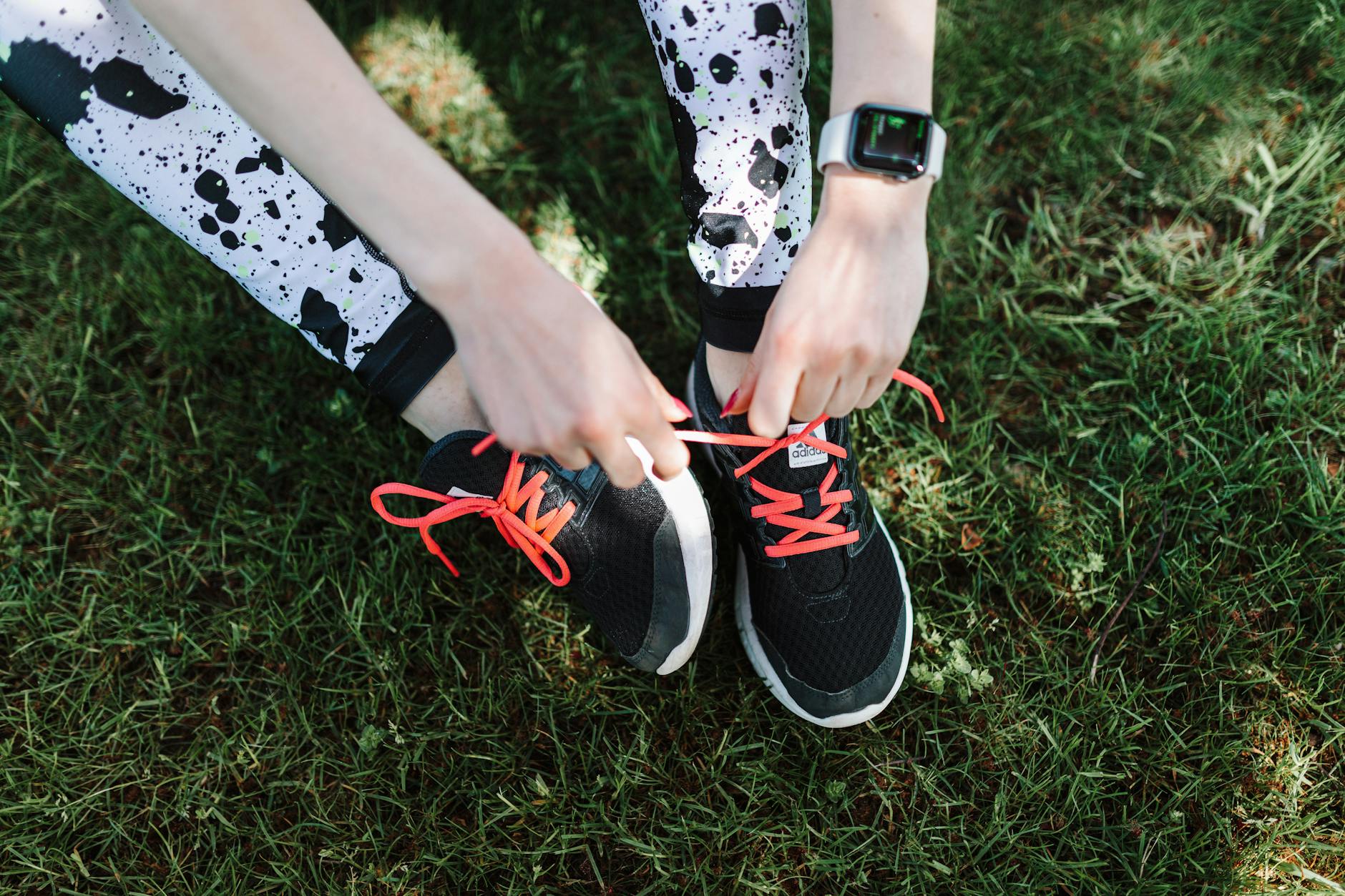
Fit supersedes brand, price, and technology in determining shoe effectiveness. A perfectly engineered shoe that doesn’t fit your foot becomes a liability. Your running shoes should fit about a half size to full size larger than your dress shoes because feet swell during running, particularly on longer efforts. There should be approximately a thumb’s width of space between your longest toe and the end of the shoe when standing. Width matters as much as length.
Standard shoes come in medium width, but many runners need wide or narrow options to avoid pinching or excessive movement. Your heel should feel secure without slipping when you run, and the midfoot should feel snug but not constricting. Try shoes in the afternoon when your feet are naturally more swollen, wear the socks you’ll train in, and jog around the store rather than just walking. For example, a runner with Morton’s toe””where the second toe extends beyond the big toe””may find that standard length fitting leaves the second toe cramped against the shoe’s end, leading to bruising and eventual toenail loss during training. This runner might need a half size up or a brand with a roomier toe box design, like Altra or certain New Balance models, even if their overall foot length would suggest a smaller size.
How Many Miles Before Your Shoes Need Replacing
Most running shoes maintain their structural integrity and cushioning effectiveness for 300 to 500 miles. This range varies based on your weight, running surface, gait efficiency, and the specific shoe construction. Heavier runners compress midsole foam faster. Trail running grinds down outsoles more quickly. Overpronators who stress the medial side heavily may see asymmetric breakdown.
For half marathon training averaging 20 to 25 miles per week over a 12-week program, you’ll accumulate roughly 240 to 300 miles””potentially reaching the lower threshold of shoe life. If you’re starting with shoes that already have 100 or 200 miles on them, you may need a fresh pair mid-training or risk running your peak long runs and race itself in compromised footwear. Watch for warning signs: visible midsole creasing, uneven outsole wear, cushioning that feels flat compared to when shoes were new, or new aches that weren’t present earlier in training. A useful comparison test is trying a new pair of the same model alongside your current shoes””if the difference in cushioning feels dramatic, your old pair is past its prime. Don’t wait until shoes visibly fall apart; internal cushioning degrades before external damage becomes obvious.
Breaking In New Shoes During Training
Never race in shoes you haven’t trained in. The rule of thumb suggests putting at least 30 to 50 miles on new shoes before race day to ensure compatibility with your feet and running mechanics. This break-in period allows the shoe to conform slightly to your foot shape and gives you time to identify any fit issues before they become race-day disasters. Timing your shoe purchase matters.
If you’re following a 12-week plan, buying new shoes around weeks three to four gives you adequate break-in time while ensuring they’re fresh enough to maintain cushioning through race day. Starting brand-new shoes in week one of training also works, but switching shoes in the final two weeks before racing is risky””even minor fit differences can cause blisters over 13.1 miles. Rotating between two pairs during training offers multiple benefits: shoes have 24 to 48 hours to decompress between runs, extending their lifespan, and you expose your feet to slightly different movement patterns, potentially reducing repetitive stress injuries. However, if budget is a concern, one well-fitted pair is better than two poorly-fitted options.
How to Prepare
- **Assess your current injury history and running mechanics.** Note any recurring pain patterns from previous running””knee pain, shin splints, plantar issues””and where on your current shoes you see the most wear. This information helps shoe fitters make informed recommendations rather than generic suggestions.
- **Research specialty running stores in your area.** Big-box sporting goods stores often lack staff trained in gait analysis and shoe fitting. Dedicated running shops typically offer free assessments and have staff who are runners themselves, understanding nuances that casual salespeople miss.
- **Schedule your fitting appointment strategically.** Visit in the afternoon when feet are naturally swollen to their running size. Avoid going immediately after a long run when feet may be abnormally fatigued and swollen, potentially leading to oversized selections.
- **Bring your current running shoes and training socks.** Wear patterns on old shoes reveal valuable information about your gait. Your fitting should occur in the same socks you’ll train in, as sock thickness affects fit.
- **Prepare a budget with flexibility built in.** Quality training shoes typically cost between $120 and $180. Going cheaper often means sacrificing durability or cushioning technology that matters over half marathon distances. Warning: avoid letting price alone drive your decision. A $90 shoe that doesn’t match your biomechanics will cost you more in the long run through injury time and replacement pairs than a $150 shoe that fits properly.
How to Apply This
- **Start with shorter, easy-paced runs during the first week.** Even well-fitted shoes need gradual introduction. Run two to three miles initially, checking for hot spots, heel slippage, or toe cramping, before progressing to longer efforts.
- **Track your shoe mileage from day one.** Use a running app or simple spreadsheet to log miles on your training shoes. This objective data tells you when you’re approaching the 300 to 500-mile replacement window, rather than relying on guesswork.
- **Evaluate shoe performance across different run types.** Note how shoes feel during long runs versus tempo workouts versus recovery jogs. A shoe might feel fine at recovery pace but reveal inadequate support at faster training paces when your form is more dynamic.
- **Reassess fit at the training midpoint.** Around weeks five or six, honestly evaluate whether your shoes still feel right. Training adaptations sometimes shift gait patterns, and early blisters or discomfort may have settled or worsened. This is your window to address issues before peak training weeks.
Expert Tips
- Test shoes on the surface you’ll most commonly train on if possible. A shoe that feels perfect on a store’s treadmill may behave differently on concrete sidewalks or asphalt roads where most half marathon training occurs.
- Do not buy shoes based solely on appearance, brand loyalty, or what elite runners wear in advertisements. Professional athletes have personalized shoe contracts and custom modifications unavailable to recreational runners.
- Replace laces if factory laces are too short or too slick to stay tied. This minor modification prevents the frustration of stopping mid-run to retie and the tripping hazard of loose laces.
- Consider your running schedule when purchasing. If you run early mornings in low light, shoes with reflective elements add meaningful safety without sacrificing performance.
- When shoe brands update popular models, fit and feel often change despite the same name. Don’t assume next year’s version of your favorite shoe will work identically””always try updated versions before bulk purchasing.
Conclusion
Half marathon training success fundamentally depends on starting with appropriate footwear matched to your biomechanics, foot shape, and training volume. The right shoes don’t guarantee a personal record, but the wrong shoes reliably produce injuries, discomfort, and abandoned training plans. Investing time in proper gait analysis, professional fitting, and intentional shoe selection pays dividends across every training mile.
As you begin or continue your half marathon journey, treat shoe selection as a foundational training decision rather than an afterthought. Track your mileage, recognize replacement warning signs, and break in new shoes well before race day. Your finish line experience depends significantly on the thousands of steps taken during preparation””and every one of those steps deserves proper support.
Frequently Asked Questions
How long does it typically take to see results?
Results vary depending on individual circumstances, but most people begin to see meaningful progress within 4-8 weeks of consistent effort. Patience and persistence are key factors in achieving lasting outcomes.
Is this approach suitable for beginners?
Yes, this approach works well for beginners when implemented gradually. Starting with the fundamentals and building up over time leads to better long-term results than trying to do everything at once.
What are the most common mistakes to avoid?
The most common mistakes include rushing the process, skipping foundational steps, and failing to track progress. Taking a methodical approach and learning from both successes and setbacks leads to better outcomes.
How can I measure my progress effectively?
Set specific, measurable goals at the outset and track relevant metrics regularly. Keep a journal or log to document your journey, and periodically review your progress against your initial objectives.
When should I seek professional help?
Consider consulting a professional if you encounter persistent challenges, need specialized expertise, or want to accelerate your progress. Professional guidance can provide valuable insights and help you avoid costly mistakes.
What resources do you recommend for further learning?
Look for reputable sources in the field, including industry publications, expert blogs, and educational courses. Joining communities of practitioners can also provide valuable peer support and knowledge sharing.