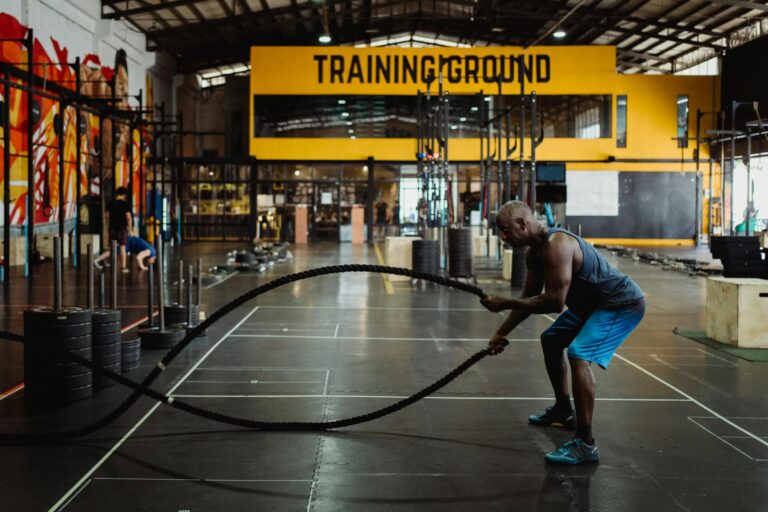
If you’re tracking your fitness on a smartwatch or following official health guidelines, here’s what you need to know: strength training does not count as intensity minutes. The American Heart Association and CDC treat aerobic exercise and muscle-strengthening activities as two separate, distinct components of a complete fitness program. This distinction confuses many people, especially runners who assume their resistance work is contributing to their weekly intensity minutes—but it isn’t. The good news is that strength training remains equally important to your health; it just operates on its own track, with its own frequency recommendations, apart from the intensity minutes you’re accumulating through running, cycling, or other cardio activities.
The reason for this separation is biomechanical and physiological. Intensity minutes specifically measure aerobic activity—where your heart rate elevates and you’re working at moderate to vigorous effort to improve cardiovascular fitness. A weight training session might elevate your heart rate, but the primary benefit comes from muscle adaptation, not aerobic conditioning. Your Apple Watch or Garmin might show elevated heart rate during strength training, but official health agencies don’t count this toward your weekly intensity minutes because the mechanisms of benefit are fundamentally different. Understanding this distinction helps you build a program that actually meets health guidelines rather than gaming your metrics.
Table of Contents
- Why Strength Training and Aerobic Intensity Are Counted Separately
- What Counts as Intensity Minutes (And What Doesn’t)
- Why Strength Training Remains Essential Despite Not Counting as Intensity Minutes
- The Correct Frequency and Volume for Strength Training
- How Your Fitness Tracker Confuses the Picture
- The 2026 Update That Reframed Strength Training for Everyone
- Building Your Actual Program with Both Components
- Conclusion
Why Strength Training and Aerobic Intensity Are Counted Separately
When the CDC and American Heart Association established their physical activity recommendations, they created two parallel tracks because they address different health needs. Aerobic exercise builds cardiovascular endurance, improves heart and lung function, and burns significant calories during the activity. muscle-strengthening activities build bone density, prevent age-related muscle loss, improve metabolic health, and enhance functional fitness—the ability to perform everyday tasks. A person could have excellent cardiovascular fitness but poor muscle strength, or vice versa. Both matter, but they’re not interchangeable.
For runners, this distinction becomes practical. If you run three times a week and accumulate 150 minutes of moderate intensity, you’ve met your aerobic guidelines. But you still haven’t addressed the muscle-strengthening requirement, which calls for moderate or greater intensity activities involving all major muscle groups on two or more days per week. A typical strength training session—even one that elevates your heart rate—doesn’t fulfill that aerobic requirement. Similarly, a heart-pounding CrossFit session that combines cardio and weights might count toward intensity minutes for the aerobic component, but only the aerobic portion of the workout gets logged; the strength component is separate credit.

What Counts as Intensity Minutes (And What Doesn’t)
intensity minutes accumulate through sustained aerobic effort: running, cycling, swimming, elliptical work, rowing machine sessions, or any activity where you maintain an elevated heart rate for continuous periods. The guidelines specify moderate intensity (you can talk but not sing) or vigorous intensity (you can’t say more than a few words). A 20-minute run at a pace where you’re working hard qualifies. A 30-minute steady bike ride qualifies.
A strength training session, even a challenging one, does not—because intensity minutes measure aerobic conditioning, not muscular effort. This is where smartwatch algorithms often mislead users. Your Apple Watch might show that a 30-minute weight training session “counts” because your heart rate elevated during the workout. But Apple Watch cannot track individual repetitions or measure biomechanical load; it only measures session-level intensity based on elevated heart rate. The device isn’t distinguishing between “my heart rate is up because I’m doing aerobic exercise” and “my heart rate is up because I’m resting between heavy sets.” The official health guidelines are more precise: intensity minutes require sustained aerobic effort, not just elevated heart rate from any source.
Why Strength Training Remains Essential Despite Not Counting as Intensity Minutes
The separation doesn’t diminish strength training’s importance—if anything, it’s undersold by runners who think of it as optional supplemental work. The 2026 American College of Sports Medicine guidelines represent the first major update to resistance training recommendations since 2009, synthesizing 137 systematic reviews with over 30,000 participants. The key finding: transitioning from no resistance training to any form of resistance training produces the most meaningful health gains. You don’t need advanced periodization or sophisticated programming; the health benefit comes from simply starting.
For runners specifically, strength training addresses weaknesses that running alone creates. Running is highly specific: it strengthens your legs in particular patterns but leaves your upper body, core stability, and muscle balance neglected. A runner might have excellent cardiovascular fitness but poor shoulder stability, weak glutes, or an underdeveloped posterior chain. Strength training corrects these imbalances, improves running economy, reduces injury risk, and maintains the muscle mass that naturally declines with age. Missing this component while pursuing aerobic fitness is like building an engine without reinforcing the chassis.

The Correct Frequency and Volume for Strength Training
Official recommendations specify that adults should perform muscle-strengthening activities at moderate or greater intensity involving all major muscle groups on two or more days per week. The effective rep range is 8 to 12 repetitions per set—meaning you pick a weight where you can complete the reps with effort, approaching (but not necessarily reaching) failure. One set per exercise, done properly, is sufficient for health benefits. This isn’t elite athletic programming; it’s the baseline for maintaining muscle function and bone density. Two sessions per week is the minimum recommendation, but this refers to frequency, not total volume.
A Monday-Thursday strength program touches all major muscle groups twice per week. A full-body session twice weekly works. An upper-lower split with two sessions per muscle group works. What matters is consistency and covering all major groups—chest, back, shoulders, arms, core, hips, and legs. A runner might do this with 15 minutes of focused resistance work twice weekly, or a more elaborate program; the health benefits emerge from both approaches. The gap many people leave is training zero days per week, and that’s where the largest health improvement comes from addressing it.
How Your Fitness Tracker Confuses the Picture
Apple Watch and similar devices create persistent confusion around this distinction because they log “strength training” as a workout type without distinguishing whether it contributes to intensity minutes. The device is honest about its limitation—it cannot count individual repetitions because it lacks the biomechanical sensors to measure load or rep ranges. It instead measures whether your heart rate elevated. A high-intensity interval session mixing sprints and burpees will register intense metrics. A deliberate strength training session with long rest periods won’t, even though it’s fulfilling a different health requirement.
This technological limitation means runners shouldn’t rely on their watch to verify whether they’re meeting strength recommendations. Instead, they should track this separately—logging what they did, what days, and whether it hit all major muscle groups. Your intensity minutes will accumulate naturally through running; your strength requirement won’t appear as a metric on your watch. A practical approach is a simple checkbox: Monday strength session (all groups), Wednesday running 35 minutes (intensity), Thursday strength session (all groups), Saturday running 45 minutes. That structure covers both requirements without needing your watch to validate the strength component.
The 2026 Update That Reframed Strength Training for Everyone
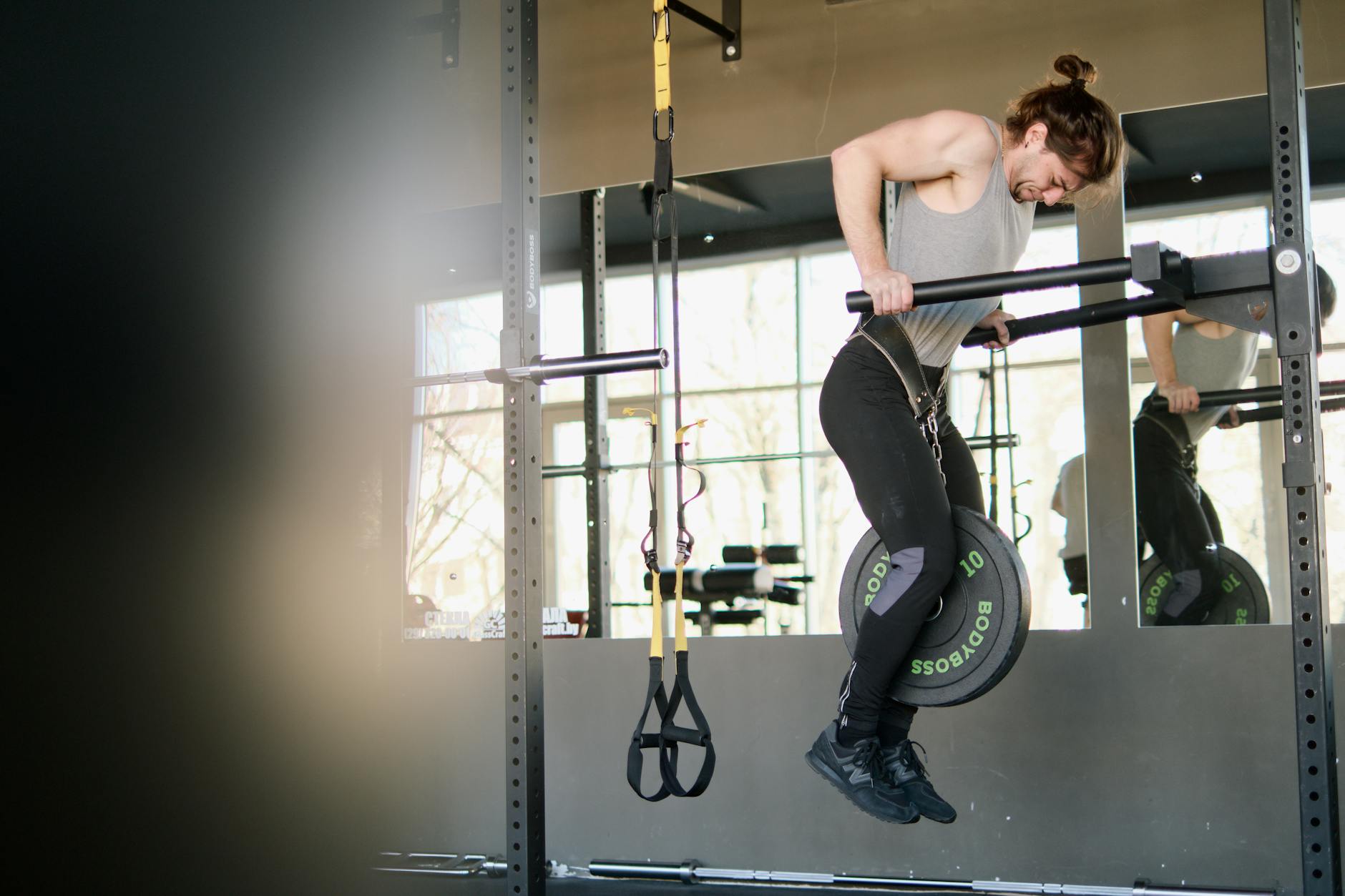
In April 2026, the American College of Sports Medicine released its landmark resistance training guidelines—the first comprehensive update in 17 years. The synthesis of all available evidence produced several surprising simplifications. The most important: any resistance training improves health significantly. Bodyweight exercises, resistance bands, dumbbells, machines, or barbells all work. Three sets per exercise isn’t better than one set for general health.
Advanced periodization isn’t necessary. The message shifted from “here’s the optimal program” to “here’s the baseline, and any program above zero produces real benefit.” This framing matters because it removes the common excuse that strength training is too complicated or time-consuming. The guidelines don’t require expensive equipment, a gym membership, or a detailed program. A 15-minute session at home with bodyweight and a resistance band, done twice weekly, fulfills the requirement. The old concern that casual strength training wouldn’t move the health needle is gone; the evidence shows it does. For runners, this means a simple routine—push-ups, lunges, squats, rows—added twice weekly is sufficient to address the strength component while they continue accumulating intensity minutes through running.
Building Your Actual Program with Both Components
The practical program for someone interested in running while meeting all health guidelines requires modest weekly commitment. Aim for 150 minutes of moderate-intensity aerobic activity (achievable with three 50-minute runs or five 30-minute sessions), plus two strength sessions involving all major muscle groups. That’s roughly four to five training days per week. If you already run three times weekly for fitness, you’re halfway there; adding two 20-minute strength sessions completes the picture.
The sessions don’t compete for recovery if structured appropriately—strength work on non-running days, or strength before a running day if scheduling demands it. Looking forward, expect fitness tracking to improve in distinguishing these components. Wearables are developing better sensors for resistance training recognition, though they’ll never count reps as accurately as manual logging. In the meantime, runners benefit from accepting this distinction and programming accordingly: treat intensity minutes as a metric your watch will log, and strength training as something you’ll need to track separately with a simple record. The 2026 ACSM guidelines give you permission to keep strength training simple—the health gain comes from doing it, not from perfecting it.
Conclusion
Strength training does not count as intensity minutes, but that doesn’t make it optional or secondary. Official health guidelines treat aerobic activity and muscle-strengthening work as two separate requirements because they produce different physiological benefits. Runners often overlook this distinction, accumulating impressive intensity minute totals while neglecting the strength component that prevents injury and maintains muscle health. The 2026 ACSM guidelines confirm that any consistent strength training—simple, modest programs included—delivers real health benefits, removing the excuse that it’s too complicated.
Start with a straightforward approach: maintain your running for intensity minutes, and add two 15 to 20-minute strength sessions per week hitting all major muscle groups. This dual approach meets all health guidelines, supports running performance, and builds the foundation for healthy aging. Your fitness tracker will validate your intensity minutes; you’ll validate your strength training by simply showing up twice a week. That distinction, once accepted, makes building a complete fitness program straightforward.