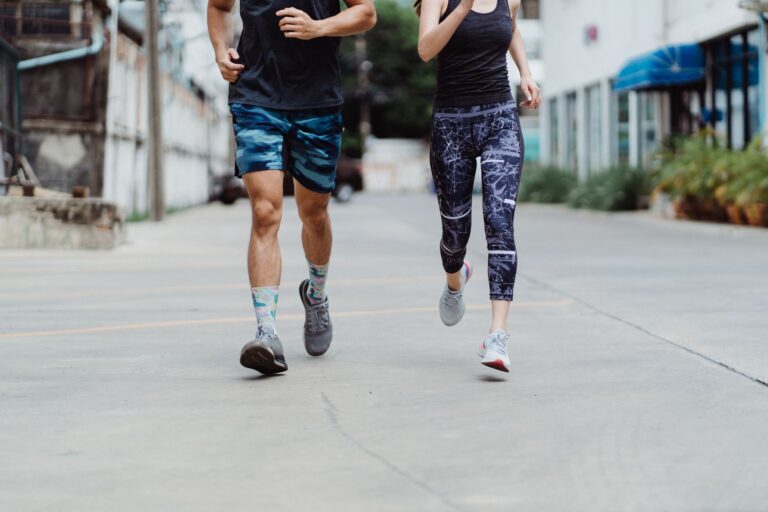
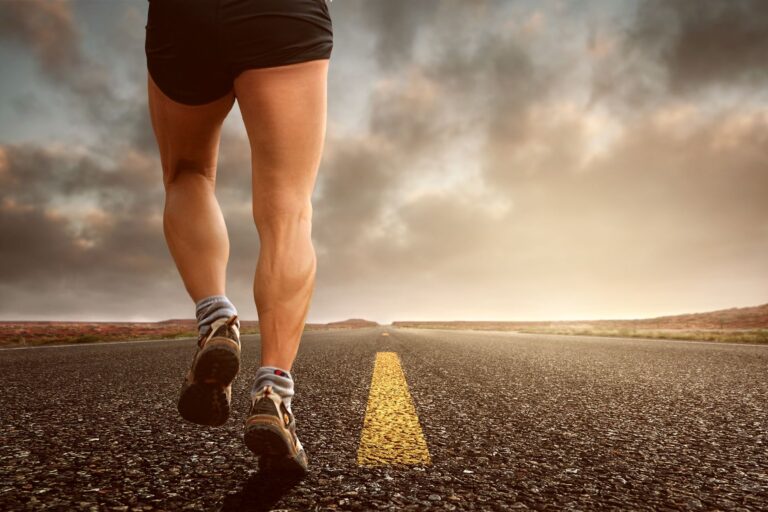
Road running shoes work perfectly well on treadmills and are, in fact, the most suitable shoe type for indoor belt running. The cushioned midsoles, flexible forefoot construction, and smooth outsole patterns designed for pavement translate directly to treadmill use, where the belt surface mimics asphalt without the irregularities. A runner who trains outdoors in a pair of neutral road shoes like the Brooks Ghost or ASICS Gel-Nimbus can step onto a treadmill wearing those same shoes and expect identical support, cushioning response, and fit characteristics. The practical reality is that most recreational runners use their road shoes interchangeably between outdoor routes and gym treadmills without any performance penalty.
For example, a marathon trainee completing long runs outside on weekends and interval sessions on a treadmill during winter months would find no mechanical reason to switch footwear between environments. The treadmill belt actually creates less friction and impact than concrete, meaning road shoes often last longer when used primarily indoors. This article examines the specific advantages and potential drawbacks of using road running shoes on treadmills, including how cushioning performs on belt surfaces, when trail or racing shoes might cause problems, temperature considerations unique to indoor running, and maintenance factors that affect shoe longevity. Understanding these details helps runners make informed decisions about their footwear rotation.
Table of Contents
- Are Road Running Shoes the Best Option for Treadmill Running?
- How Treadmill Belts Affect Road Shoe Cushioning and Wear Patterns
- Temperature and Ventilation Challenges for Road Shoes Indoors
- When to Use Dedicated Treadmill Shoes Versus Your Regular Road Pair
- Common Problems When Wearing Trail or Specialty Running Shoes on Treadmills
- Adjusting Your Road Shoe Fit for Extended Treadmill Sessions
- How to Prepare
- How to Apply This
- Expert Tips
- Conclusion
- Frequently Asked Questions
Are Road Running Shoes the Best Option for Treadmill Running?
Road running shoes represent the optimal choice for treadmill workouts because their design priorities align precisely with treadmill demands. The smooth, consistent surface of a treadmill belt requires no aggressive tread pattern for grip, no rock plates for protection, and no lateral stability features for uneven terrain. Road shoes prioritize forward propulsion efficiency and cushioning comfort, which is exactly what treadmill running requires. The cushioning compounds in road shoes, whether EVA foam, TPU-based materials like Adidas Boost, or nitrogen-infused foams like Nike ZoomX, respond consistently to the predictable impact patterns of belt running. When comparing road shoes to alternatives, the differences become clear.
trail running shoes, with their aggressive lugs and stiffer outsoles, create unnecessary friction against the smooth belt and can feel clunky during the consistent turnover of treadmill running. Racing flats and carbon-plated super shoes technically work on treadmills, but their reduced durability and higher price point make them impractical for regular training use. Cross-training shoes lack sufficient heel-to-toe cushioning for sustained running efforts, and minimalist shoes provide no mechanical advantage on an already forgiving surface. However, the “road shoe on treadmill” recommendation assumes the runner has properly fitted shoes for their gait pattern and foot shape. A stability road shoe prescribed for overpronation works just as well indoors as outdoors, while a neutral runner in a motion control shoe will experience the same problems regardless of surface. The treadmill does not change individual biomechanical needs.
How Treadmill Belts Affect Road Shoe Cushioning and Wear Patterns
The treadmill belt introduces cushioning variables that differ from outdoor surfaces in ways both beneficial and potentially misleading. Most commercial and home treadmills include deck suspension systems that absorb impact before it reaches the runner’s legs, effectively adding a cushioning layer beneath the shoe. This means a road shoe with moderate cushioning, such as the Saucony Kinvara or New Balance FuelCell Rebel, may feel adequately protective on a treadmill while proving insufficient on concrete roads. Runners who train exclusively indoors sometimes select lighter, less cushioned road shoes than they would tolerate outside. Wear patterns on treadmill-used road shoes develop differently than outdoor-used pairs.
The consistent direction of belt movement creates uniform abrasion across the forefoot and heel, without the lateral scuffing that occurs during outdoor turns and directional changes. Outsole rubber tends to wear more evenly, and midsole compression happens symmetrically. Many runners find their treadmill-dedicated shoes lasting 100 to 200 miles longer than identical pairs used on roads and sidewalks. However, if a runner uses a low-quality treadmill with minimal deck cushioning, or an older machine with worn belt suspension, the impact forces can actually exceed outdoor running on softer surfaces like asphalt. Commercial gym treadmills vary significantly in maintenance quality, and runners experiencing unusual joint discomfort on specific machines should consider that the equipment, not their shoes, may be the problem.
Temperature and Ventilation Challenges for Road Shoes Indoors
Indoor treadmill running creates thermal conditions that affect road shoe performance differently than outdoor use. Gym environments typically maintain temperatures between 68 and 75 degrees Fahrenheit with limited airflow at ground level, while the runner generates significant metabolic heat during sustained efforts. Road shoe uppers designed to breathe in moving outdoor air may trap heat against the foot when the runner remains stationary relative to the surrounding air. The result is often increased foot sweating and interior moisture accumulation that accelerates foam breakdown and creates odor issues.
Engineered mesh uppers common in modern road shoes like the Nike Pegasus or HOKA Clifton perform better in treadmill conditions than synthetic leather overlays or denser knit materials. Runners who train extensively indoors should prioritize upper breathability when selecting road shoes, even if it means accepting less water resistance, a non-factor for treadmill use. Removable insoles that can be extracted for drying between sessions extend shoe freshness considerably. For example, a runner completing five treadmill sessions per week during winter months will saturate their road shoes with sweat far faster than a runner using the same shoes for three outdoor runs weekly. Rotating between two pairs of road shoes, allowing 48 hours of drying time between uses, prevents moisture damage and bacterial growth that shortens shoe lifespan.
When to Use Dedicated Treadmill Shoes Versus Your Regular Road Pair
The decision between dedicating a road shoe pair exclusively to treadmill use versus using outdoor shoes interchangeably involves practical tradeoffs. Dedicated treadmill shoes remain cleaner, dry faster between sessions, and don’t track outdoor debris onto the belt surface. Gym policies at some facilities require clean-soled indoor footwear, making dedicated shoes mandatory rather than optional. Runners who train at home on personal treadmills have more flexibility but still benefit from maintaining separate pairs for longevity tracking purposes. Mileage tracking becomes complicated when a single pair serves both treadmill and outdoor duty.
Treadmill miles cause less outsole wear but equivalent midsole compression, making visual inspection unreliable for determining replacement timing. Runners using one pair interchangeably should track total miles across both environments and replace shoes based on cushioning feel rather than outsole appearance. A road shoe that looks nearly new after 300 indoor miles may have compressed midsole foam equivalent to 400 outdoor miles. The counterargument favors using outdoor road shoes on treadmills without special consideration. For runners completing fewer than 20 weekly miles total, or those who mix indoor and outdoor sessions throughout each week based on weather, maintaining separate shoe rotations adds expense and complexity without proportional benefit. The simplest approach for moderate-volume recreational runners is using road shoes wherever convenient and replacing them on a consistent schedule regardless of surface mix.
Common Problems When Wearing Trail or Specialty Running Shoes on Treadmills
Trail running shoes cause specific problems on treadmill belts that road shoes avoid entirely. The aggressive rubber lugs designed to grip mud, rocks, and loose dirt create excessive friction against the smooth belt surface, generating heat at the outsole and potentially damaging both the shoe rubber and the belt material. Trail shoes also tend toward stiffer midsole construction for underfoot protection, which reduces the natural flexion needed for efficient treadmill running mechanics. Runners who train extensively on trails and then move indoors for winter months should invest in road shoes rather than adapting their trail footwear. Carbon-plated racing shoes present different concerns.
While they function mechanically on treadmills, their expensive construction and limited durability, typically 150 to 250 miles, makes them impractical for regular training use. The propulsive benefits of carbon plate technology occur primarily at faster paces, and the plates provide no advantage during easy-effort treadmill sessions that constitute most indoor training. Runners should also avoid using old, worn-out road shoes as designated treadmill footwear based on the assumption that indoor running is “easier” on equipment. Compressed midsole foam provides inadequate cushioning regardless of surface, and the consistent impact pattern of treadmill running concentrates stress on already degraded materials. If a shoe is too worn for outdoor use, it’s too worn for indoor use as well.

Adjusting Your Road Shoe Fit for Extended Treadmill Sessions
Foot dimensions change during extended treadmill running in ways that may require different sizing or lacing adjustments compared to outdoor use. The combination of constant motion, heat accumulation, and sweat production causes feet to swell more predictably during indoor sessions, particularly beyond the 45-minute mark. Road shoe fits that feel perfect for 30-minute outdoor runs may create toe crowding or hotspots during hour-long treadmill efforts.
Some runners benefit from sizing up a half-size for treadmill-dedicated road shoes or selecting wider width options than their outdoor pairs. Lacing techniques become more important for treadmill comfort because the consistent biomechanical pattern offers no variation to relieve pressure points. Heel lock lacing prevents slippage without overtightening the forefoot, while skip-lacing over sensitive areas reduces dorsal foot pressure during high-repetition strides. Runners experiencing numbness or tingling during treadmill sessions should experiment with lacing adjustments before assuming their road shoe model is unsuitable.
How to Prepare
- **Clean outsoles thoroughly** by wiping away any outdoor debris, small rocks, or sticky substances with a damp cloth. Embedded gravel can damage treadmill belts and create inconsistent footing during runs.
- **Inspect the outsole for wear patterns** that might affect grip on the belt surface. Smooth, worn areas are acceptable for treadmill use, but peeling rubber or separating outsole sections create safety concerns.
- **Remove and air out insoles** if the shoes have been stored or used recently. Starting a treadmill session with dry insoles reduces bacterial growth and moisture-related foam degradation.
- **Check lace condition and tension** to ensure secure fit without pressure points. Replace frayed or overstretched laces before they break mid-workout.
- **Verify midsole cushioning** by pressing firmly on the heel and forefoot. Midsoles that compress easily without rebounding have exceeded useful lifespan regardless of outsole appearance.
How to Apply This
- **Designate your treadmill shoes intentionally** rather than defaulting to whichever pair is convenient. Whether using dedicated indoor shoes or rotating outdoor pairs through treadmill duty, make the decision deliberately and track mileage accordingly.
- **Assess cushioning needs based on treadmill quality** at your training location. Well-maintained commercial gym treadmills with responsive decks allow for lighter, faster road shoes, while older or budget home units may require more cushioned options to compensate for stiff platforms.
- **Schedule shoe rotation and drying time** into your training week. Avoid back-to-back sessions in the same pair when possible, and store treadmill shoes in ventilated areas rather than enclosed gym bags.
- **Monitor for fit changes** during indoor sessions specifically. Note any new hotspots, numbness, or discomfort that occurs only on treadmills, and adjust lacing or sizing before problems become injuries.
Expert Tips
- Select road shoes with mesh uppers and minimal overlays for treadmill use to maximize airflow and reduce heat buildup during indoor sessions.
- Replace treadmill-dedicated road shoes based on mileage and cushioning feel rather than outsole appearance, since belt surfaces cause minimal visible wear while still compressing midsole foam.
- Do not use trail running shoes on treadmills even for short sessions, as the aggressive lug pattern creates friction, generates heat, and may damage both the shoe outsole and the treadmill belt.
- Consider purchasing previous-year road shoe models at discounted prices for dedicated treadmill use, since indoor running doesn’t require the latest performance features and color options.
- Loosen treadmill shoe lacing slightly compared to outdoor fits to accommodate predictable foot swelling during extended indoor sessions in climate-controlled environments.
Conclusion
Road running shoes remain the most practical and effective footwear choice for treadmill running, offering appropriate cushioning, suitable outsole traction, and proper biomechanical support for belt surfaces. The controlled indoor environment allows road shoes to perform consistently while experiencing less wear than on outdoor surfaces, making existing outdoor training shoes fully suitable for indoor use without modification or replacement.
Runners benefit most by understanding how treadmill conditions differ from outdoor running, particularly regarding temperature, cushioning interaction with deck suspension, and fit adjustments for extended sessions. Maintaining dedicated treadmill shoes or carefully rotating outdoor pairs, prioritizing breathable uppers, and replacing shoes based on midsole condition rather than outsole appearance optimizes both performance and equipment investment for indoor training.
Frequently Asked Questions
How long does it typically take to see results?
Results vary depending on individual circumstances, but most people begin to see meaningful progress within 4-8 weeks of consistent effort. Patience and persistence are key factors in achieving lasting outcomes.
Is this approach suitable for beginners?
Yes, this approach works well for beginners when implemented gradually. Starting with the fundamentals and building up over time leads to better long-term results than trying to do everything at once.
What are the most common mistakes to avoid?
The most common mistakes include rushing the process, skipping foundational steps, and failing to track progress. Taking a methodical approach and learning from both successes and setbacks leads to better outcomes.
How can I measure my progress effectively?
Set specific, measurable goals at the outset and track relevant metrics regularly. Keep a journal or log to document your journey, and periodically review your progress against your initial objectives.
When should I seek professional help?
Consider consulting a professional if you encounter persistent challenges, need specialized expertise, or want to accelerate your progress. Professional guidance can provide valuable insights and help you avoid costly mistakes.
What resources do you recommend for further learning?
Look for reputable sources in the field, including industry publications, expert blogs, and educational courses. Joining communities of practitioners can also provide valuable peer support and knowledge sharing.