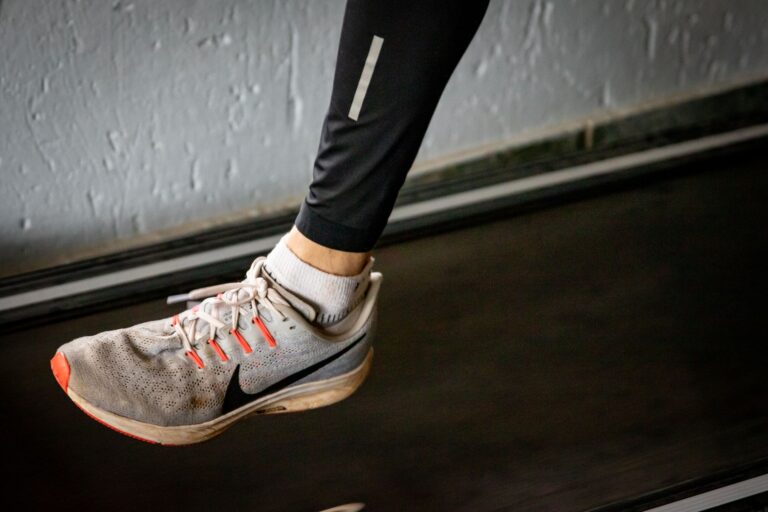
The best outdoor running shoes for uneven surfaces combine aggressive tread patterns, reinforced midsole protection, and a lower heel-to-toe drop to keep you stable and injury-free on trails, gravel paths, and rough terrain. Unlike road running shoes designed for predictable pavement, shoes built for uneven ground prioritize grip, proprioception, and lateral stability over cushioned comfort. A runner tackling rocky mountain trails needs fundamentally different footwear than someone logging miles on smooth asphalt””the stakes include rolled ankles, stone bruises, and falls that can end a season.
Choosing the right shoe depends on the specific type of uneven terrain you encounter most often. A runner navigating wet root-covered forest trails needs different traction than someone crossing loose desert scree. The wrong choice can leave you slipping on wet rocks or feeling every sharp stone through an inadequate rock plate. This article covers the key features that matter most for irregular terrain, how to match shoe characteristics to specific surface types, the tradeoffs involved in trail-specific designs, and practical guidance for testing and selecting shoes that will perform when the ground gets unpredictable.
Table of Contents
- What Makes Running Shoes Perform on Uneven Outdoor Surfaces?
- Essential Tread Patterns for Trail Running Stability
- Ankle Support and Lateral Stability Features
- Matching Shoe Selection to Specific Terrain Types
- The Role of Stack Height and Ground Feel
- How to Prepare
- How to Apply This
- Expert Tips
- Conclusion
- Frequently Asked Questions
What Makes Running Shoes Perform on Uneven Outdoor Surfaces?
The foundation of any trail-capable shoe lies in its outsole design. Lugs””the raised rubber protrusions on the bottom of trail shoes“”provide grip by digging into soft surfaces and creating friction against hard ones. Deeper lugs of 4-6mm work best on muddy or loose terrain, while shallower lugs around 2-3mm offer better performance on packed dirt and rock slabs. The spacing between lugs matters equally; widely spaced lugs shed mud effectively but may feel unstable on rock, while closely spaced patterns grip well on technical terrain but clog quickly in wet conditions. Midsole construction differs significantly from road shoes when stability over variable terrain is the goal. Many trail shoes incorporate a rock plate””a thin, semi-rigid layer between the outsole and midsole that distributes pressure from sharp objects.
This protection comes with a tradeoff: rock plates reduce ground feel and can make shoes feel less responsive. Runners accustomed to minimalist footwear often find heavily plated shoes feel disconnected from the terrain. Brands like Altra and Topo Athletic offer models with optional or removable rock plates, letting runners customize protection based on conditions. The heel-to-toe drop””the height difference between the heel and forefoot””trends lower in trail shoes designed for technical terrain. A drop of 4-8mm places runners in a more neutral position that improves balance during rapid foot placement adjustments. However, runners transitioning from high-drop road shoes (10-12mm) should make this change gradually, as the reduced drop places additional strain on the Achilles tendon and calf muscles.
Essential Tread Patterns for Trail Running Stability
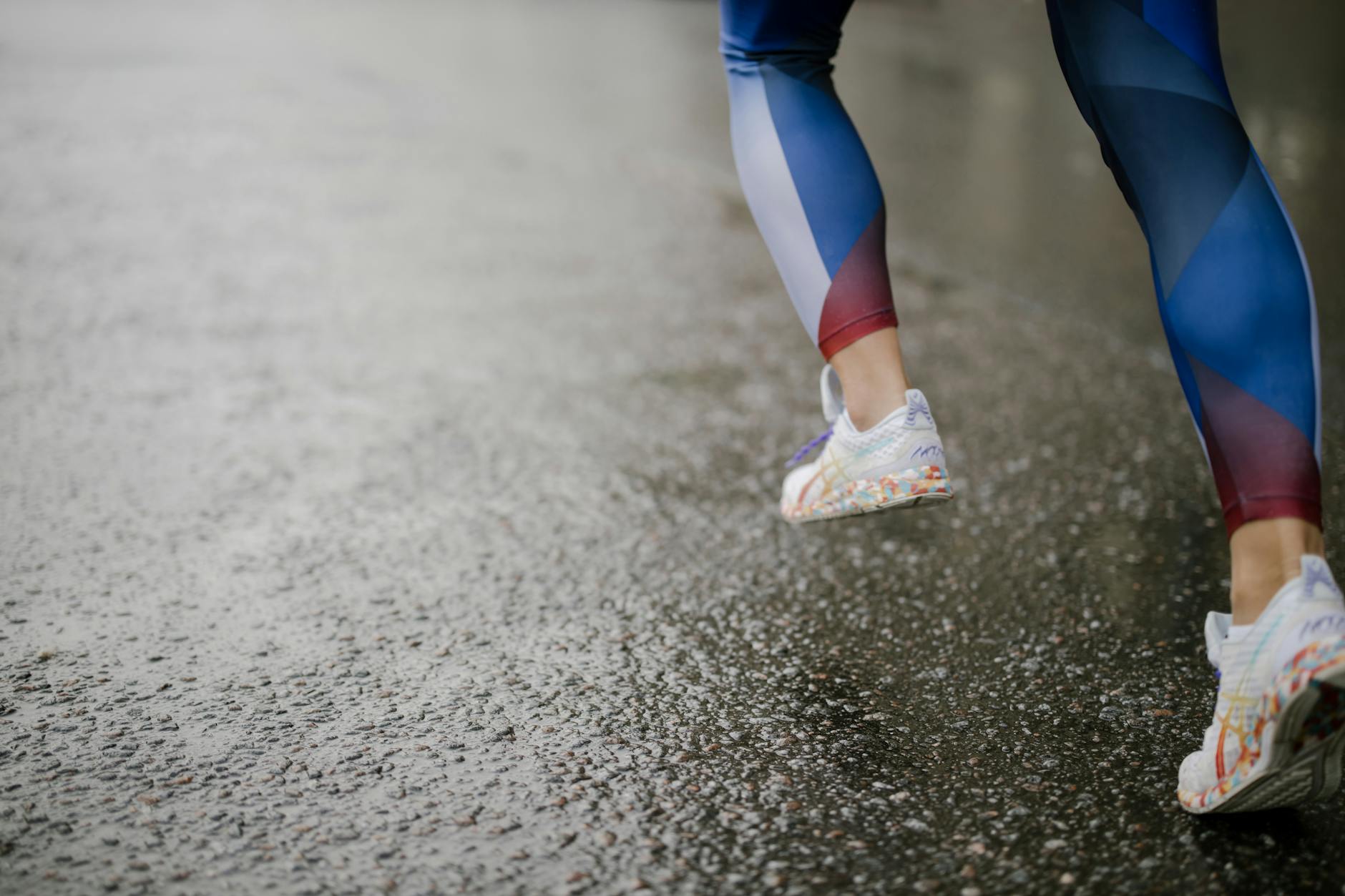
Tread geometry varies dramatically based on intended terrain, and understanding these differences prevents purchasing a shoe poorly matched to your running environment. Multidirectional lug patterns””where protrusions angle in various directions””provide consistent grip during the lateral movements common on switchbacks and uneven footing. Shoes designed specifically for mountain running often feature chevron-shaped lugs angled to bite during both uphill and downhill running. Rubber compound hardness presents another consideration often overlooked by new trail runners. Softer rubber compounds grip better on wet rock and technical terrain but wear faster on abrasive surfaces like gravel and hardpack.
The Vibram Megagrip compound found on many premium trail shoes represents a middle ground, offering reasonable durability alongside strong wet traction. However, if your regular routes involve significant road or sidewalk sections connecting trailheads, a softer compound will degrade noticeably within a few hundred miles. Some manufacturers now offer terrain-specific outsole designs within the same shoe model. Salomon’s Contagrip series includes variants optimized for mud, rock, or mixed conditions. This specialization means no single shoe excels everywhere””a reality that serious trail runners accept by maintaining multiple pairs for different conditions. A shoe that dominates on Pacific Northwest mud may prove dangerously slick on Utah slickrock.
Ankle Support and Lateral Stability Features
Contrary to popular belief, high-top designs that restrict ankle movement have largely fallen out of favor in modern trail running. Current approaches to lateral stability focus on heel cup construction, upper materials, and platform width rather than ankle immobilization. A firm heel counter””the rigid insert surrounding the heel””prevents the foot from shifting during off-camber running, while a wider outsole platform increases the base of support during unexpected surface changes. Upper construction materials balance protection against debris with the flexibility needed for natural foot movement.
Durable overlays in high-wear areas resist abrasion from rocks and roots, while engineered mesh allows ventilation. Gaiter attachment points, found on many trail-specific models, allow runners to add protective sleeves that prevent small stones and dirt from entering the shoe””a feature that becomes essential on sandy or gravelly terrain. The specific example of the Hoka Speedgoat series illustrates modern stability approaches effectively. These shoes use a wide platform, substantial heel counter, and moderate stack height to create inherent stability without restricting ankle articulation. However, runners with a history of chronic ankle instability may still benefit from external support like ankle braces or taping, particularly on highly technical terrain where shoe design alone cannot prevent injury.
Matching Shoe Selection to Specific Terrain Types
Different uneven surfaces demand specific feature priorities, and mismatching shoes to terrain creates problems ranging from discomfort to genuine safety hazards. Rocky mountain trails with frequent exposure require maximum rock protection and aggressive grip, making shoes with substantial rock plates and hard rubber compounds ideal. Forest trails with root exposure and variable footing need responsive midsoles that allow quick weight shifts alongside moderate tread depth. Desert running on loose sand and hardpack presents a comparison worth examining. Loose sandy terrain benefits from deeper lugs that can dig in for purchase, but those same lugs create instability on the hardpack sections common in desert environments. Shoes designed for desert ultramarathons””like those favored at the Marathon des Sables””often compromise with moderate 4mm lugs and reinforced uppers that resist sand infiltration. Runners training primarily in desert conditions should prioritize breathability and sand protection over maximum grip. Wet conditions complicate every terrain type and often require dedicated wet-weather shoes. Sticky rubber compounds designed for rock climbing influence many wet-terrain trail shoes, providing grip that standard rubber cannot match on slick surfaces. The tradeoff appears in durability; these softer compounds wear quickly on dry, abrasive surfaces. Runners in consistently wet climates like the Pacific Northwest may find the durability sacrifice worthwhile, while those in drier regions should reserve soft-compound shoes for wet-day use only.
## Common Fit Problems and How to Avoid Them Trail shoes require different fit considerations than road shoes, and applying road shoe fitting experience directly often leads to problems on technical terrain. The toe box needs additional room””roughly a thumb’s width between the longest toe and the shoe end””to accommodate foot swelling and the toe spread that occurs during downhill running. Insufficient toe room leads to black toenails and blisters on longer efforts, problems that worsen as fatigue compromises running form. Width across the forefoot matters more in trail shoes than heel fit for most runners. A secure heel with an overly narrow forefoot creates instability by preventing the natural toe splay that improves balance on uneven ground. Brands vary significantly in forefoot width; Altra and Topo Athletic build around anatomically wide toe boxes, while Salomon and La Sportiva tend toward narrower European lasts. Trying shoes from multiple manufacturers often reveals fit preferences that remain consistent across different models. One warning deserves emphasis: many trail shoes feel stable in store environments but reveal fit problems only on actual terrain. Carpeted surfaces and treadmills cannot replicate the lateral forces encountered on trails. If possible, purchase from retailers offering generous return policies or test shoes on short trail runs before committing to longer efforts. A shoe that slips at the heel during a 20-minute test run will cause blisters during a two-hour trail session.
The Role of Stack Height and Ground Feel
Stack height””the total amount of material between foot and ground””creates a fundamental tradeoff between protection and proprioception that runners must navigate based on personal preference and terrain demands. High-stack shoes like the Hoka Tecton X3 place substantial foam between the runner and surface, absorbing impact but reducing the sensory feedback that helps runners adjust foot placement. Low-stack options like the Altra Lone Peak prioritize ground feel at the cost of long-run comfort.
Consider the example of a runner transitioning from road ultramarathons to mountain trail running. The cushioning that felt protective during 50-mile road races may become a liability on technical terrain, where each foot placement requires processing information about surface angle, stability, and grip. Many experienced trail runners accept more impact sensation in exchange for better terrain awareness, particularly on routes requiring constant attention to footing.

How to Prepare
- **Document your primary terrain.** Spend two to three weeks noting the specific surfaces you encounter: packed dirt, loose gravel, rock slabs, mud, roots, or mixed conditions. The dominant terrain type should drive your shoe selection priorities.
- **Measure your feet in the afternoon.** Feet swell throughout the day, and measurements taken in the morning will yield shoes that fit too tightly during actual running. Stand while measuring to capture the foot spread that occurs under weight.
- **Assess your current shoes.** Examine the wear patterns on existing running shoes. Heavy wear on the lateral edge suggests different stability needs than wear concentrated on the medial side. Bring worn shoes to a specialty running store for staff evaluation.
- **Identify your non-negotiables.** Decide before shopping which features matter most: maximum grip, rock protection, drainage for water crossings, gaiter compatibility, or minimal weight. Having clear priorities prevents being swayed by marketing for features you do not need.
- **Research return policies.** Not all retailers allow returns on shoes worn outdoors. Identify stores offering trail-test return policies before shopping, as in-store evaluation cannot replicate real terrain conditions.
How to Apply This
- **Start with short, familiar routes.** First outings in new trail shoes should cover terrain you know well, allowing attention to focus on how the shoes perform rather than navigation or safety concerns.
- **Gradually increase technical difficulty.** Progress from buffed trails to more challenging surfaces over several weeks, giving both the shoes and your feet time to adapt to new movement patterns.
- **Relace for specific conditions.** Trail shoes often benefit from adjusted lacing””tighter through the midfoot for technical descents, looser near the toes for long climbs. Learn multiple lacing patterns and adjust based on terrain.
- **Rotate with other shoes.** Using a single pair for all running accelerates wear and prevents adaptation to varying levels of support. Alternating between two or more trail shoes extends lifespan and builds more versatile foot strength.
Expert Tips
- Try shoes with the socks you actually run in; sock thickness significantly affects fit in trail shoes where precision matters.
- Do not select shoes primarily based on weight savings; a few grams rarely matters, but inadequate protection or grip creates real problems.
- Replace trail shoes based on outsole wear rather than mileage alone, as terrain abrasiveness varies dramatically.
- Consider drainage if your routes involve stream crossings; mesh uppers without waterproof membranes dry faster than waterproof alternatives.
- Test potential shoes on a decline surface in the store; heel slippage during downhill simulation indicates fit problems that will worsen on actual trails.
Conclusion
Selecting running shoes for uneven outdoor surfaces requires matching specific terrain demands to shoe characteristics rather than seeking a single all-purpose solution. Tread pattern, rock protection, stack height, and fit considerations differ meaningfully from road shoe priorities, and understanding these differences prevents both injury and frustration. The ideal trail shoe sacrifices some cushioned comfort for stability, grip, and the ground feel that allows rapid adjustment to variable surfaces.
Moving forward, assess your most common terrain, prioritize features accordingly, and accept that optimal performance on rough ground requires different footwear than pavement running. Consider maintaining multiple pairs for different conditions if your running takes you across varied terrain types. The investment in proper trail footwear pays dividends in both injury prevention and the confidence needed to run technical terrain effectively.
Frequently Asked Questions
How long does it typically take to see results?
Results vary depending on individual circumstances, but most people begin to see meaningful progress within 4-8 weeks of consistent effort. Patience and persistence are key factors in achieving lasting outcomes.
Is this approach suitable for beginners?
Yes, this approach works well for beginners when implemented gradually. Starting with the fundamentals and building up over time leads to better long-term results than trying to do everything at once.
What are the most common mistakes to avoid?
The most common mistakes include rushing the process, skipping foundational steps, and failing to track progress. Taking a methodical approach and learning from both successes and setbacks leads to better outcomes.
How can I measure my progress effectively?
Set specific, measurable goals at the outset and track relevant metrics regularly. Keep a journal or log to document your journey, and periodically review your progress against your initial objectives.
When should I seek professional help?
Consider consulting a professional if you encounter persistent challenges, need specialized expertise, or want to accelerate your progress. Professional guidance can provide valuable insights and help you avoid costly mistakes.
What resources do you recommend for further learning?
Look for reputable sources in the field, including industry publications, expert blogs, and educational courses. Joining communities of practitioners can also provide valuable peer support and knowledge sharing.