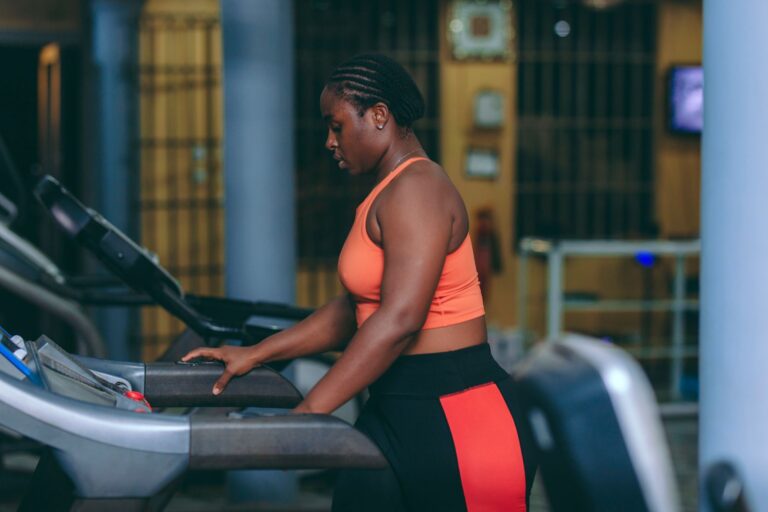
Neutral running shoes perform differently on a treadmill compared to road running, and understanding these differences can help you decide whether one pair can serve both purposes or whether you need surface-specific footwear. The short answer is that neutral shoes generally work well for both surfaces, but the treadmill’s cushioned belt reduces impact forces by approximately 15-20 percent, meaning your neutral shoes will feel softer and more forgiving indoors than they do on asphalt or concrete. A runner wearing the same neutral trainer might notice their legs feel fresher after a 10K on the treadmill compared to the same distance on pavement, even at identical paces. The biomechanical demands also shift between surfaces.
Road running requires your shoes to handle varied terrain, camber changes, and harder landings, while treadmill running presents a consistent, predictable surface that pulls your foot backward with the belt motion. This means the wear patterns, cushioning breakdown, and stability requirements differ in ways that matter for both performance and injury prevention. For example, a neutral shoe with moderate cushioning might feel adequately protective on a treadmill but leave your joints fatigued after repeated road sessions. This article examines how neutral shoes respond to each running environment, what to look for when selecting shoes for mixed use, and when it makes sense to have dedicated pairs for indoor and outdoor training.
Table of Contents
- Do Neutral Shoes Provide Enough Support for Both Treadmill and Road Running?
- How Treadmill Belt Mechanics Affect Neutral Shoe Performance
- Impact Forces and Cushioning Requirements Across Surfaces
- Selecting Neutral Shoes for Mixed Indoor and Outdoor Training
- Common Problems When Using the Same Neutral Shoes on Both Surfaces
- Outsole Wear Patterns and Shoe Longevity Considerations
- How to Prepare
- How to Apply This
- Expert Tips
- Conclusion
- Frequently Asked Questions
Do Neutral Shoes Provide Enough Support for Both Treadmill and Road Running?
Neutral shoes are designed for runners with efficient gait mechanics who don’t require motion control or stability features. On a treadmill, these shoes typically provide ample support because the belt’s give reduces the corrective forces your foot and ankle must generate. The controlled environment means fewer lateral movements and no uneven surfaces that might expose weaknesses in a neutral design. Road running presents a different challenge. The unforgiving nature of asphalt and concrete transfers more impact energy through the shoe and into your musculoskeletal system.
Neutral shoes handle this well for runners with proper mechanics, but the same shoe that feels supportive during a treadmill tempo run might reveal subtle instabilities during a road session with curbs, potholes, and crowned surfaces. A runner who overpronates slightly might not notice the issue on a treadmill but could develop medial knee pain after consistent road miles in neutral footwear. The comparison comes down to surface forgiveness. Treadmills compensate for some of the shock absorption your shoes would otherwise need to provide, while roads demand more from both the midsole cushioning and your body’s natural shock absorption systems. If you run primarily on a treadmill and occasionally hit the roads, a well-cushioned neutral shoe can serve both purposes. However, if road running constitutes the majority of your mileage, you may want a neutral shoe with more robust cushioning than you’d need for treadmill-only use.
How Treadmill Belt Mechanics Affect Neutral Shoe Performance
The treadmill belt introduces a unique mechanical element that changes how your neutral shoes interact with the running surface. Unlike road running where you push off a stationary surface, the treadmill belt moves beneath you, effectively pulling your foot backward during the stance phase. This reduces the amount of horizontal force your shoe must generate for propulsion and can make the same neutral shoe feel more responsive than it does on pavement. This belt-assisted motion also affects how the shoe’s outsole wears. Road running creates heel-to-toe wear patterns based on your individual strike pattern and push-off mechanics.
Treadmill running tends to produce more even wear across the outsole because the belt’s movement reduces the scraping and grinding forces that accelerate rubber breakdown. Runners who split their training between surfaces often notice their shoes look newer on the bottom than their road-only equivalents at similar mileages. However, if you’ve adapted your gait specifically to treadmill running, transitioning to roads in the same neutral shoes can feel jarring. The lack of belt assistance means you’ll need to generate more propulsive force, and runners sometimes describe this as the road feeling “sticky” or their shoes feeling “dead” compared to treadmill use. This perception doesn’t indicate anything wrong with the shoes””it reflects the different biomechanical demands of each surface.
Impact Forces and Cushioning Requirements Across Surfaces
Ground reaction forces differ substantially between treadmill and road running, with implications for how much cushioning your neutral shoes need to provide. Research indicates that treadmill running generates peak impact forces roughly 10-20 percent lower than road running at equivalent speeds, primarily due to the belt’s slight give and the deck’s built-in suspension system. A runner experiencing two to three times their body weight in peak force on roads might see that number closer to 1.8 to 2.5 times body weight on a treadmill. This difference matters for neutral shoe selection because cushioning that feels adequate on a treadmill may prove insufficient on roads.
A lightweight neutral trainer with modest foam density could work perfectly for interval sessions on the treadmill but leave you with sore joints after a long road run. The cumulative effect becomes more pronounced over high-mileage weeks””a difference that might be imperceptible over 20 miles per week could become significant at 40 or 50 miles. For example, a runner training for a road marathon on a treadmill might select a neutral shoe based on how it feels during indoor long runs, only to discover during outdoor race-pace workouts that the cushioning breaks down faster than expected. The solution isn’t necessarily to avoid treadmill training but to test your race shoes on roads periodically and consider whether your indoor trainer needs more cushioning than your treadmill sessions suggest.

Selecting Neutral Shoes for Mixed Indoor and Outdoor Training
Choosing a single neutral shoe for both treadmill and road running requires prioritizing versatility over surface-specific optimization. The ideal dual-purpose neutral shoe typically features moderate to high cushioning, durable rubber outsoles, and enough midsole foam to handle road impacts without feeling overly soft on the treadmill. Shoes with softer, more responsive foams like nitrogen-infused EVA or PEBA-based materials tend to adapt well to both surfaces. The tradeoff involves weight and responsiveness. A heavily cushioned neutral shoe that protects your joints on roads may feel sluggish during fast treadmill intervals.
Conversely, a lightweight neutral racer that shines on the treadmill might not provide enough protection for road recovery runs. Most runners using one shoe for both surfaces find a moderate weight range””typically 8.5 to 10 ounces for men’s shoes and 7 to 8.5 ounces for women’s””offers the best compromise. Outsole durability deserves particular attention for mixed-use shoes. Some neutral trainers feature exposed foam sections on the outsole to reduce weight, which works fine on treadmills but wears rapidly on abrasive road surfaces. If you plan to accumulate significant road mileage, look for full rubber coverage on high-wear areas, even if it adds a few grams to the overall weight.
Common Problems When Using the Same Neutral Shoes on Both Surfaces
Several issues emerge when runners don’t account for surface differences in their neutral shoe selection or rotation. The most common problem involves underestimating cushioning needs””shoes that feel protective on a treadmill may contribute to overuse injuries when used primarily on roads without adequate recovery. Runners sometimes blame their training load when the real culprit is insufficient impact protection for the harder surface. Another frequent issue involves altered gait patterns. The treadmill encourages a slightly different running form than outdoor running, and neutral shoes that accommodate treadmill mechanics may not support road-running biomechanics equally well.
Some runners develop a shorter, quicker stride on treadmills and a longer, more forceful stride on roads, which places different demands on the shoe’s stability and cushioning systems. A neutral shoe that works for one pattern might not suit the other. Warning: If you notice new aches or pains when transitioning your neutral shoes from treadmill to road use, don’t assume you simply need to adapt. The discomfort may indicate that your shoes lack adequate cushioning or support for road impacts. Persistent pain warrants either changing shoes or consulting a sports medicine professional rather than running through it.

Outsole Wear Patterns and Shoe Longevity Considerations
Neutral shoes wear differently on treadmills and roads, and understanding these patterns helps you assess when replacement is needed. Road running typically produces asymmetric wear concentrated at the heel’s lateral edge and the forefoot’s medial edge, reflecting the natural inward roll of the gait cycle. Treadmill running creates more uniform wear because the belt’s backward movement reduces the grinding forces that create distinct wear patches. This difference means a neutral shoe used primarily on a treadmill may retain its outsole integrity longer than the midsole cushioning remains effective.
You might see a shoe that looks nearly new on the bottom but has compressed significantly in the heel, reducing its shock absorption capacity. Conversely, road-only shoes often display obvious outsole wear before the midsole fully breaks down, giving clearer visual cues for replacement. For runners who use the same neutral shoes on both surfaces, tracking mileage becomes more important than visual inspection. Most neutral trainers maintain adequate cushioning and support for 300 to 500 miles, depending on the runner’s weight, gait, and the shoe’s construction quality. A runner covering half their miles on treadmills might push toward the higher end of that range, while a heavier runner doing primarily road work should lean toward earlier replacement.
How to Prepare
- **Break in your shoes on the treadmill first.** The softer surface allows the midsole foam to begin conforming to your foot mechanics without the aggressive compression that road running causes. Start with two or three easy treadmill runs of 20-30 minutes before taking new neutral shoes onto roads.
- **Test road performance within the return window.** Most running shoe retailers offer 30-60 day return policies. Use this period to verify that your neutral shoes feel adequately cushioned on roads, not just on the treadmill where you may have tried them initially.
- **Establish a cleaning routine for treadmill use.** Gym treadmills accumulate dust and debris that can work into your shoe’s mesh upper and outsole grooves. Wipe down your shoes after indoor sessions to prevent premature material breakdown.
- **Check the outsole for road-specific wear patterns weekly.** Even if you split time between surfaces, road running wears specific areas faster. Catching uneven wear early allows you to rotate shoes or adjust form before compensating mechanics cause injury.
- **Replace based on cushioning feel, not outsole appearance.** The common mistake is waiting until the rubber wears through. On mixed-use shoes, the midsole often degrades before visible outsole damage appears, especially if you log more treadmill than road miles. If your joints feel more impact than they did when the shoes were new, it’s time to replace regardless of how the bottom looks.
How to Apply This
- **Identify your primary surface and buy accordingly.** If 70 percent or more of your running happens on one surface, optimize for that environment. You can still use the shoes on the secondary surface, but prioritize performance where you spend most of your time.
- **Add one cushioning level above your treadmill preference for road-heavy use.** If you typically choose moderate cushioning for treadmill running, consider maximum cushioning for road-focused training. The extra foam compensates for the surface’s reduced give.
- **Assess outsole coverage before purchasing.** Turn the shoe over and examine how much rubber covers the midsole. For mixed or road-primary use, look for full rubber coverage on the heel and forefoot, even if similar models exist with exposed foam sections.
- **Consider maintaining two pairs in rotation.** If budget allows, using separate neutral shoes for treadmill and road running allows surface-specific optimization and extends each pair’s usable life by alternating impact and recovery.
Expert Tips
- Match your shoe’s stack height to your primary surface””higher stacks provide more cushioning for roads, while lower stacks offer better ground feel for treadmill speed work.
- Do not use heavily worn neutral shoes on roads just because they still feel fine on the treadmill; the cushioning may be more degraded than the softer surface reveals.
- Rotate between two or more neutral shoes even if you run only on treadmills, as midsole foam needs 24-48 hours to fully recover its cushioning properties between runs.
- Pay attention to how your neutral shoes feel during the last two miles of long runs””this is when cushioning breakdown becomes most apparent and when surface differences matter most.
- Consider the gym environment’s temperature when selecting treadmill shoes, as some foam compounds stiffen in air-conditioned spaces and soften in warmer home gyms, affecting ride feel and cushioning.
Conclusion
Neutral running shoes can serve both treadmill and road running effectively, but the surfaces place different demands on cushioning, outsole durability, and stability features. The treadmill’s inherent give reduces impact forces and allows for lighter, less cushioned shoes, while road running requires more robust protection and durable rubber coverage. Understanding these differences helps you select shoes that perform well across environments or decide when maintaining separate pairs makes sense.
For most recreational runners splitting time between surfaces, a moderately cushioned neutral shoe with full rubber outsoles represents the best single-shoe solution. More competitive or high-mileage runners may benefit from surface-specific selections that optimize performance and protection for their primary training environment. Whatever your approach, track mileage carefully and replace shoes based on how they feel rather than how they look, since treadmill use can mask cushioning degradation that becomes apparent only on harder surfaces.
Frequently Asked Questions
How long does it typically take to see results?
Results vary depending on individual circumstances, but most people begin to see meaningful progress within 4-8 weeks of consistent effort. Patience and persistence are key factors in achieving lasting outcomes.
Is this approach suitable for beginners?
Yes, this approach works well for beginners when implemented gradually. Starting with the fundamentals and building up over time leads to better long-term results than trying to do everything at once.
What are the most common mistakes to avoid?
The most common mistakes include rushing the process, skipping foundational steps, and failing to track progress. Taking a methodical approach and learning from both successes and setbacks leads to better outcomes.
How can I measure my progress effectively?
Set specific, measurable goals at the outset and track relevant metrics regularly. Keep a journal or log to document your journey, and periodically review your progress against your initial objectives.
When should I seek professional help?
Consider consulting a professional if you encounter persistent challenges, need specialized expertise, or want to accelerate your progress. Professional guidance can provide valuable insights and help you avoid costly mistakes.
What resources do you recommend for further learning?
Look for reputable sources in the field, including industry publications, expert blogs, and educational courses. Joining communities of practitioners can also provide valuable peer support and knowledge sharing.