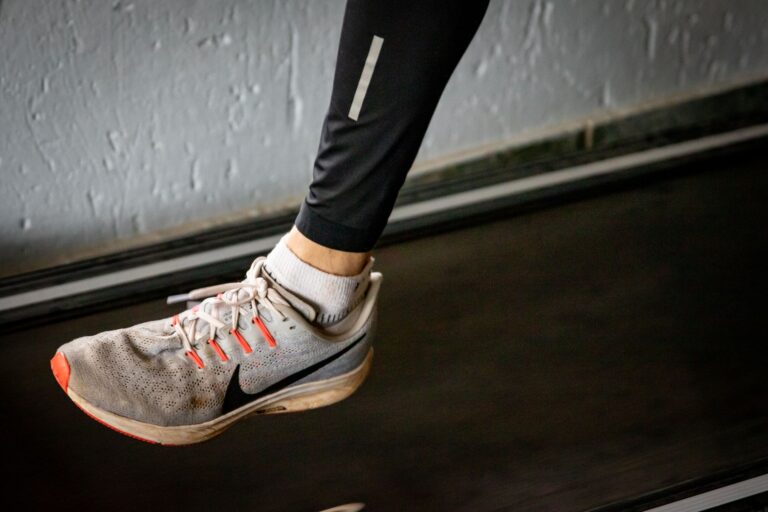
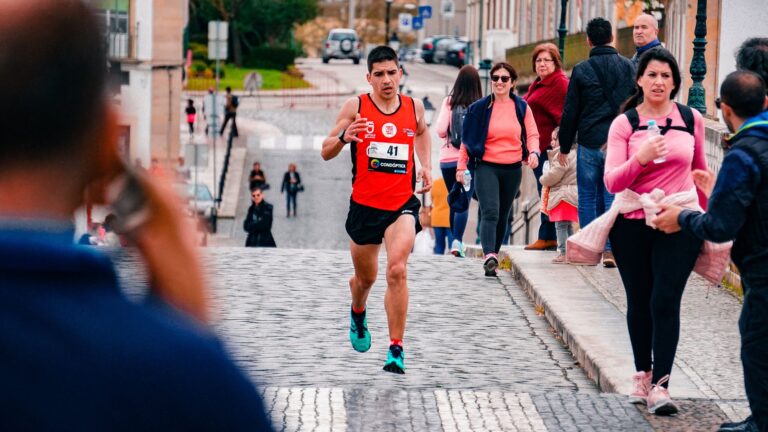
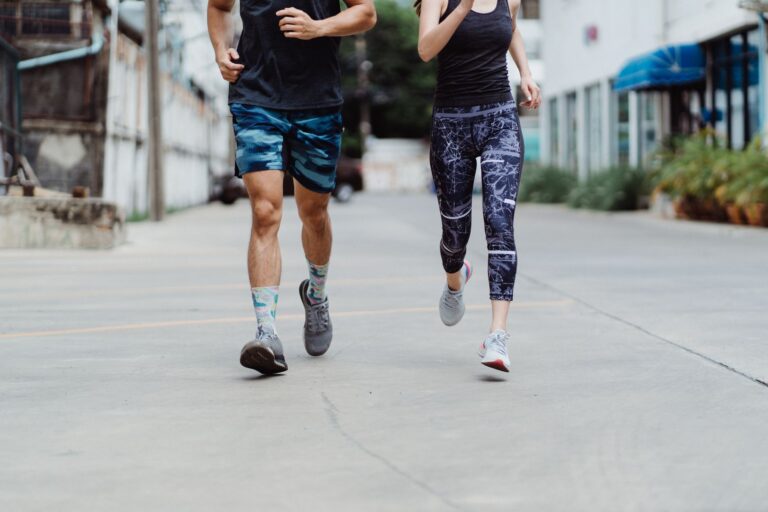
No, road running shoes are not overkill for the treadmill””they’re actually the most practical choice for most runners. The cushioning, support, and fit characteristics that make road shoes effective on pavement translate directly to treadmill running, and there’s no compelling reason to purchase separate footwear for indoor workouts. A runner who logs 30 miles weekly, split between outdoor routes and treadmill sessions, gains nothing by switching shoes when they move indoors. The belt surface is softer than asphalt, but your feet still strike, roll, and push off the same way regardless of where you’re running. The confusion around this question stems from the assumption that treadmill running is fundamentally different enough to require specialized equipment.
While the surface differs, your biomechanics remain largely unchanged. Your gait cycle, pronation pattern, and foot strike don’t know whether you’re running through your neighborhood or staring at a gym wall. What matters is that your shoes fit properly, provide appropriate support for your foot type, and have adequate cushioning for your training volume. This article explores why road shoes work perfectly well on treadmills, examines cases where you might consider alternatives, and helps you understand what actually matters when choosing footwear for indoor running. We’ll also address durability concerns, temperature considerations, and how to maximize the lifespan of your running shoes across different surfaces.
Table of Contents
- Why Do Runners Question Whether Road Shoes Work on Treadmills?
- What Makes Treadmill Running Easier on Shoes Than Road Running?
- Does the Treadmill Belt Affect Shoe Grip and Traction?
- How Should You Choose Shoes If You Run Both Indoors and Outdoors?
- When Might Different Shoes Actually Make Sense?
- How Temperature and Environment Affect Shoe Performance Indoors
- How to Prepare
- How to Apply This
- Expert Tips
- Conclusion
- Frequently Asked Questions
Why Do Runners Question Whether Road Shoes Work on Treadmills?
The question persists because marketing has created categories for nearly every running scenario””trail shoes, track spikes, cross-training shoes, minimalist shoes, and maximalist shoes. When faced with distinct environments like outdoor roads versus indoor belts, runners naturally wonder if they need another specialized tool. This categorization instinct makes sense for genuinely different activities. Trail shoes with aggressive lugs serve a real purpose on muddy single-track, just as track spikes enhance performance on a rubberized oval. But the road-to-treadmill transition doesn’t involve the same dramatic surface changes. Consider the actual difference in running surfaces.
Concrete registers around 10 on a hardness scale where softer is better for joints, while asphalt comes in around 6-7. A quality treadmill belt typically measures between 2-4 on the same scale, making it significantly more forgiving than any outdoor surface. This means the cushioning in your road shoes is actually working less hard on a treadmill than it does outside. If anything, you could argue that treadmill runners need less shoe, not more specialized footwear. The comparison reveals something important: road running shoes are engineered for the hardest surfaces runners commonly encounter. A shoe designed to protect your joints on concrete for 10 miles can certainly handle a padded belt for 30 minutes. The grip pattern on road shoes, while designed for pavement, provides more than adequate traction on treadmill belts, which are engineered to be slightly grippy without being sticky.

What Makes Treadmill Running Easier on Shoes Than Road Running?
treadmill surfaces absorb more impact than any paved road, which means your shoes face less repetitive stress per mile logged indoors. The deck beneath most commercial treadmill belts contains shock-absorbing materials specifically designed to reduce joint strain. This cushioned surface means your midsole foam compresses less dramatically with each stride, potentially extending shoe life when you split miles between indoor and outdoor running. Studies on impact forces show that treadmill running can reduce ground reaction forces by 15-20 percent compared to concrete. However, if you run exclusively on treadmills, your shoes may actually wear faster in specific areas due to the consistent surface. Outdoor running presents varying terrain””slight hills, cambers, surface textures””that distributes wear across the entire outsole.
Treadmill running’s uniform surface can concentrate wear in the same spots stride after stride. Runners who notice premature wear under the ball of the foot or heel should examine whether their treadmill gait has become overly repetitive. Rotating between two pairs of shoes, even for treadmill-only training, helps mitigate this pattern. The heat factor deserves mention here. Treadmill belts generate friction heat, and your shoes don’t benefit from the cooling airflow they’d receive outdoors. Some runners notice their shoes feel warmer during long treadmill sessions, which can slightly accelerate foam breakdown over time. This effect is minimal for most recreational runners but becomes relevant for those logging high weekly mileage exclusively indoors.
Does the Treadmill Belt Affect Shoe Grip and Traction?
Road shoe outsoles feature rubber compounds and tread patterns designed to grip pavement in wet and dry conditions. These same characteristics work effectively on treadmill belts, which are manufactured from textured rubber materials intended to provide consistent traction. you won’t hydroplane on a treadmill, and you don’t need the aggressive lugs of trail shoes to maintain footing. The moderate tread depth of road shoes provides exactly the right amount of friction for belt running. Some runners actually prefer using lighter racing flats or minimally cushioned shoes on treadmills, reasoning that the softer surface compensates for reduced shoe cushioning. This approach works for some athletes but creates injury risk for others.
A runner who transitioned to racing flats for all treadmill work experienced calf strains within three weeks because the reduced heel-to-toe drop changed his gait mechanics. The lesson: changing shoe types requires gradual adaptation regardless of surface. The one traction consideration specific to treadmills involves worn-out shoes. Outsoles that have lost their tread depth pose minimal risk outdoors, where natural friction keeps feet planted. On a moving belt, slick outsoles can occasionally slip, particularly during speed intervals or when sweat drips onto the belt surface. If your road shoes have worn smooth, they’ve reached retirement age for both surfaces.
How Should You Choose Shoes If You Run Both Indoors and Outdoors?
The most practical approach is selecting one quality pair of road running shoes and using them for both environments. This strategy simplifies your running routine, ensures consistent feel across workouts, and distributes wear more evenly than designating indoor and outdoor shoes. When you visit a specialty running store for a fitting, focus on finding shoes that match your gait, provide appropriate support, and feel comfortable during a test jog. The question of where you’ll run matters far less than how you run. If budget allows and you run high mileage, maintaining two pairs of the same shoe model makes sense””not because one is for treadmills and one for roads, but because shoe rotation extends overall lifespan.
Midsole foam needs 24-48 hours to fully recover its cushioning properties after a run. Alternating between pairs gives each shoe recovery time, potentially extending the usable life of each pair by 30-40 percent. Both pairs can serve both purposes interchangeably. The tradeoff with owning multiple running shoes involves tracking mileage across pairs and ensuring you retire them appropriately. Most road shoes maintain their protective cushioning for 300-500 miles, depending on runner weight, gait efficiency, and shoe construction. A runner splitting 40 weekly miles between two pairs will get roughly four to six months from each, compared to two to three months from a single pair used exclusively.
When Might Different Shoes Actually Make Sense?
Certain scenarios do warrant different footwear for treadmill running, though these situations remain exceptions rather than rules. Runners recovering from specific injuries sometimes benefit from maximum-cushion shoes during treadmill sessions, where the controlled environment and added surface absorption support healing. A physical therapist might recommend a highly cushioned trainer for treadmill rehab work while the runner continues using stability shoes for outdoor routes. Minimalist running enthusiasts occasionally use treadmills as training grounds for barefoot-style running, taking advantage of the softer surface to build foot strength before transitioning outdoors. This approach has merit but requires caution.
The limitation here is significant: even on forgiving surfaces, jumping into minimalist shoes without proper adaptation causes injuries. Calf muscles, Achilles tendons, and foot structures need months of gradual transition regardless of running surface. Another exception involves runners who do significant treadmill incline work. Walking or running at steep grades changes foot positioning and can cause heel slippage in shoes designed for flat-ground running. Some athletes find that trail shoes, with their more aggressive heel counters and lockdown features, stay put better during extended incline sessions. This applies mainly to those doing dedicated incline training, not occasional hill intervals.
How Temperature and Environment Affect Shoe Performance Indoors
Indoor running environments lack the temperature regulation of outdoor conditions, which affects both your body and your shoes. Gym treadmill areas often run warm, and the absence of wind means no convective cooling for your feet. Mesh uppers, common in road running shoes, provide adequate ventilation for most indoor sessions, but runners with particularly sweaty feet may find their shoes becoming saturated during longer workouts.
Excessive moisture breaks down shoe materials faster and creates hygiene issues. A runner training for a marathon entirely on treadmills noticed significant odor problems and foam degradation by month two of training. The solution involved removing insoles after each run to dry separately, using moisture-wicking socks, and occasionally treating shoes with antibacterial spray. These practices extend shoe life and maintain a more pleasant running experience regardless of whether your shoes also see outdoor use.
How to Prepare
- **Evaluate your current running shoes** by checking midsole compression, outsole wear patterns, and overall structural integrity. Press your thumb into the midsole foam””if it doesn’t spring back quickly, cushioning has degraded. Check for visible creasing in the midsole material, which indicates breakdown.
- **Assess your weekly mileage split** between indoor and outdoor running. If you run more than 25 miles weekly, consider maintaining two pairs of the same shoe for rotation. If you run under 15 miles weekly, a single pair serves both purposes effectively.
- **Get professionally fitted** at a specialty running store if you haven’t been fitted within the past two years or if you’ve experienced any injury. Your gait may have changed, and shoe technology evolves constantly. A proper fitting session should include gait analysis on a treadmill””conveniently, the shoes they recommend will work perfectly on that same surface at home.
- **Check your running socks** since footwear performance depends on what goes inside the shoes. Moisture-wicking, properly fitted running socks prevent blisters and reduce sweat accumulation that accelerates shoe breakdown. Cotton socks create problems on any surface.
- **Establish a shoe tracking system** using your training log app or a simple note on your phone. Record when you started using each pair and track cumulative mileage. Most shoes should be retired between 300-500 miles regardless of where those miles accumulated.
How to Apply This
- **Start using your current road shoes on the treadmill immediately** if you’ve been avoiding them for indoor runs. There’s no adaptation period needed””the same shoes that protect your feet outside work identically inside. Run your normal workout without any modification to pace, distance, or form.
- **Monitor for any comfort differences** during your first few treadmill sessions in road shoes. Note whether you feel any hot spots, slippage, or unusual pressure points. These issues indicate fit problems that exist regardless of surface, not incompatibility with treadmill running.
- **Track mileage from both indoor and outdoor runs** toward your shoe replacement threshold. Create a combined total rather than separate counts. When your shoes approach 300-400 miles combined, begin looking for replacement pairs.
- **Implement post-run shoe care** particularly after sweaty treadmill sessions. Remove insoles, loosen laces fully, and allow shoes to air dry in a well-ventilated area. Never put running shoes in dryers or near direct heat, which destroys midsole foam and upper materials.
Expert Tips
- **Don’t buy “treadmill-specific” shoes** marketed by some brands””these are typically lower-quality options taking advantage of the misconception that indoor running requires different footwear. Your road shoes already do the job.
- **Rotate the direction you face on the treadmill** occasionally during recovery jogs to distribute wear more evenly across your outsoles. This sounds odd but prevents the concentrated wear patterns that treadmill running creates.
- **Clean treadmill belt residue from your shoes monthly** using a damp cloth. Treadmill belts accumulate dust, lubricant residue, and debris that transfers to outsoles and can affect grip on outdoor surfaces.
- **Avoid running in brand-new shoes exclusively on treadmills** for the break-in period. New shoes need varied surfaces and natural terrain irregularities to mold properly to your feet. Do your first 20-30 miles outdoors before adding treadmill work.
- **Don’t keep separate “nice” shoes for outdoor running** while using older pairs indoors. This backward approach puts worn-out cushioning under your feet during controlled treadmill sessions where you could actually test the limits of fresh shoes safely.
Conclusion
Road running shoes serve treadmill running just as effectively as they serve their named purpose. The cushioning, support, and traction designed for pavement perform identically””arguably better””on softer treadmill surfaces. Most runners need only one pair of quality running shoes to handle both indoor and outdoor training, saving money and simplifying their running setup. The surface beneath the belt doesn’t change your biomechanics enough to require specialized footwear.
Focus your attention on finding properly fitted shoes that match your gait and training goals, then use them wherever your runs take you. Track your mileage, retire shoes appropriately based on distance rather than appearance, and implement basic care practices to extend shoe life. If you have budget for multiple pairs, use them in rotation for recovery benefits rather than surface-specific purposes. Your feet, your shoes, and your wallet will all benefit from this straightforward approach to running footwear.
Frequently Asked Questions
How long does it typically take to see results?
Results vary depending on individual circumstances, but most people begin to see meaningful progress within 4-8 weeks of consistent effort. Patience and persistence are key factors in achieving lasting outcomes.
Is this approach suitable for beginners?
Yes, this approach works well for beginners when implemented gradually. Starting with the fundamentals and building up over time leads to better long-term results than trying to do everything at once.
What are the most common mistakes to avoid?
The most common mistakes include rushing the process, skipping foundational steps, and failing to track progress. Taking a methodical approach and learning from both successes and setbacks leads to better outcomes.
How can I measure my progress effectively?
Set specific, measurable goals at the outset and track relevant metrics regularly. Keep a journal or log to document your journey, and periodically review your progress against your initial objectives.
When should I seek professional help?
Consider consulting a professional if you encounter persistent challenges, need specialized expertise, or want to accelerate your progress. Professional guidance can provide valuable insights and help you avoid costly mistakes.
What resources do you recommend for further learning?
Look for reputable sources in the field, including industry publications, expert blogs, and educational courses. Joining communities of practitioners can also provide valuable peer support and knowledge sharing.