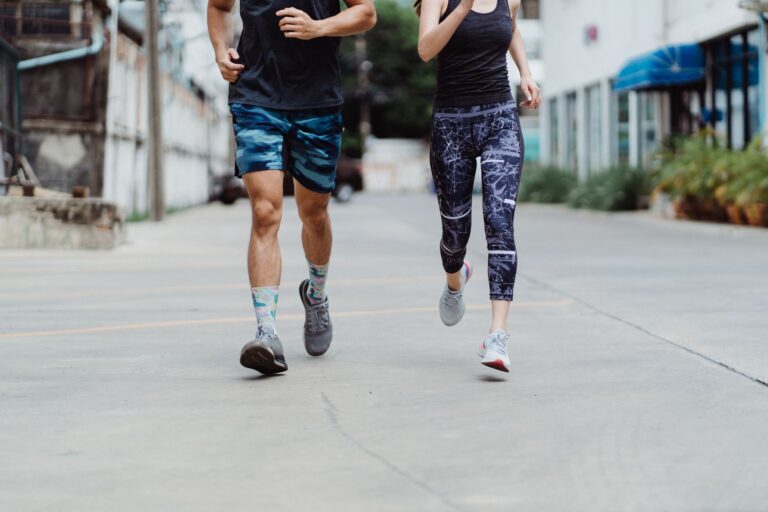
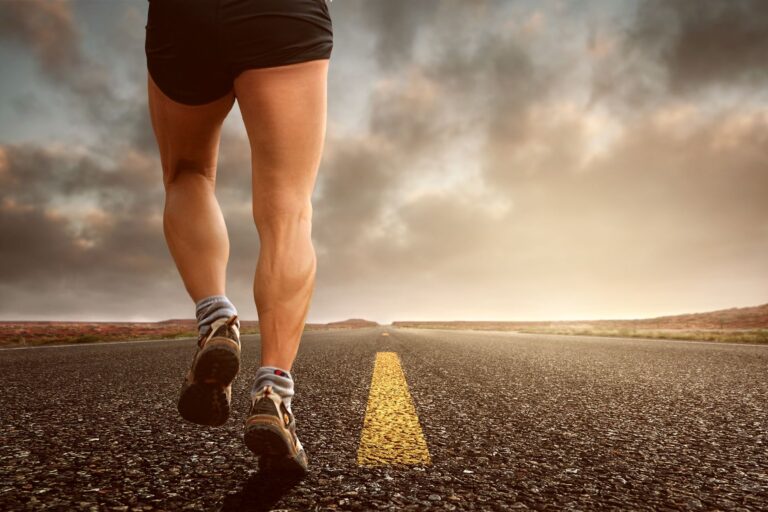
Midsole foam performs measurably differently on treadmill belts compared to outdoor pavement, with most runners experiencing 15 to 20 percent less impact force on treadmills due to the belt’s inherent give and the foam’s reduced compression requirements. This means your shoes work less hard indoors, which extends their functional lifespan but also means you’re not getting the same energy return characteristics that the foam was engineered to deliver on harder surfaces. A runner logging 30 miles per week exclusively on a treadmill can expect their midsole foam to retain its responsive properties roughly 25 percent longer than someone covering the same distance on concrete, though the tradeoff is a slightly muted ride feel that doesn’t fully activate the foam’s rebound technology.
The practical implication is significant: shoes designed with high-energy-return foams like Nike ZoomX or Saucony PWRRUN PB will feel noticeably different between surfaces, and training exclusively on one surface can create unexpected adaptation challenges when you switch. A marathon runner who trains primarily on treadmills often reports that race day on asphalt feels harsher and more fatiguing, not because their fitness is lacking, but because their neuromuscular system and the foam itself haven’t been conditioned for the demands of unforgiving pavement. This article examines the science behind how different surfaces interact with midsole foam compounds, explores the durability implications for your training shoes, and provides practical guidance for runners who split their mileage between indoor and outdoor environments. We’ll also address how temperature, humidity, and running gait interact with foam performance across surfaces.
Table of Contents
- How Does Surface Hardness Affect Midsole Foam Compression and Energy Return?
- Why Treadmill Belt Give Changes Your Shoe’s Ride Characteristics
- The Durability Equation: How Surface Type Affects Midsole Longevity
- Matching Foam Type to Your Primary Training Surface
- Common Problems When Transitioning Between Training Surfaces
- How Humidity and Sweat Affect Indoor Foam Performance
- How to Prepare
- How to Apply This
- Expert Tips
- Conclusion
- Frequently Asked Questions
How Does Surface Hardness Affect Midsole Foam Compression and Energy Return?
The fundamental physics of midsole foam behavior depends on the resistance it encounters during foot strike. When your foot lands on concrete or asphalt, the surface provides virtually no absorption, forcing the foam to compress fully and then rebound to propel you forward. treadmill belts, by contrast, typically sit atop a deck with some flex, and the belt itself has slight elasticity. This means the foam compresses less completely on each stride, resulting in reduced energy return because the foam never reaches its optimal compression point for maximum rebound. Laboratory testing by foam manufacturers shows that EVA-based midsoles compress approximately 8 to 12 percent less on standard treadmill surfaces compared to concrete, while newer TPU-based foams like Adidas Boost show an even larger differential of 10 to 15 percent.
This isn’t necessarily problematic for easy runs, but it becomes relevant during speed work when you’re relying on that energy return to maintain pace. A runner doing tempo intervals on a treadmill isn’t getting the same propulsive assistance from their foam as they would on a track or road. The compression differential also affects how the foam breaks down over time. Pavement running creates consistent, deep compression cycles that gradually degrade the foam’s cellular structure in a predictable pattern. Treadmill running produces shallower compressions that stress the foam differently, often leading to uneven wear patterns where the outer edges of the midsole retain springiness while the center begins to flatten. This can subtly alter your gait mechanics without obvious visual indicators of wear.

Why Treadmill Belt Give Changes Your Shoe’s Ride Characteristics
Modern treadmills are engineered with varying degrees of deck cushioning, from the rigid feel of commercial gym equipment to the heavily padded surfaces of home units marketed for joint protection. This variability means there’s no single “treadmill experience” when it comes to foam performance. A runner using a Peloton Tread with its slat belt design will have a dramatically different foam interaction than someone on a traditional belt-over-deck system at a hotel gym. The key limitation here is that highly cushioned treadmill decks can actually interfere with the intended function of responsive midsole foams. If you’re running in a shoe with Puma Nitro foam or New Balance FuelCell, designed to provide a bouncy, propulsive ride, a soft treadmill deck absorbs much of that energy before you feel it.
However, if you’re recovering from an injury or managing chronic joint issues, this combination of deck cushioning plus foam cushioning can be therapeutically beneficial, even if it doesn’t represent authentic road feel. Temperature stability is another factor that separates indoor and outdoor foam performance. Midsole foams, particularly EVA compounds, stiffen in cold weather and soften in heat. Treadmill running in a climate-controlled gym keeps your foam operating in a consistent thermal range, typically between 65 and 75 degrees Fahrenheit. Outdoor running exposes foam to temperature extremes that can shift its compression characteristics by 20 percent or more. A foam that feels dead and unresponsive during a January road run may perform identically to its treadmill behavior once it warms up after the first mile.
The Durability Equation: How Surface Type Affects Midsole Longevity
Conventional wisdom suggests that treadmill running extends shoe life, and the evidence largely supports this, though with important caveats. The absence of abrasive pavement texture means outsole rubber lasts longer, and reduced foam compression depth slows the breakdown of midsole materials. A shoe rated for 400 miles on roads might deliver 500 to 550 functional miles when used exclusively on treadmills. For example, Brooks tested their DNA Loft foam across surface types and found that treadmill-only shoes retained 78 percent of their original energy return properties at 300 miles, compared to 61 percent for road-only shoes at the same mileage.
This doesn’t mean the treadmill shoes felt better necessarily, but the foam’s mechanical properties degraded more slowly. Runners who rotate shoes between surfaces often notice that their “treadmill pair” maintains its springy feel longer, which can create a psychological preference for indoor runs even when outdoor conditions are favorable. The limitation to consider is that slower degradation doesn’t always mean better performance. Some runners find that foams which break in quickly on pavement develop a personalized compression pattern that matches their gait, while treadmill-worn shoes remain generically responsive without that customized feel. If you’re the type of runner who prefers shoes after they’ve got 50 miles on them, you may need to be patient with a treadmill-only pair or deliberately take them outside for the first few weeks.

Matching Foam Type to Your Primary Training Surface
Not all midsole foams respond equally to surface differences, and understanding these variations can inform smarter shoe purchases. Thermoplastic polyurethane foams, the category that includes Adidas Boost, On CloudTec, and similar bead-based technologies, tend to show the largest performance gap between surfaces. These foams are engineered to compress fully and spring back with stored energy, a process that’s partially undermined by treadmill belt give. Traditional EVA foams and their enhanced variants, such as Asics FlyteFoam or Mizuno ENERZY, show smaller differentials between surfaces because they’re designed more for protection than propulsion. If your primary goal is cushioning rather than speed, an EVA-based shoe will feel more consistent whether you’re on a treadmill or sidewalk.
The tradeoff is that you’re sacrificing some of the efficiency gains that modern super-foams offer on hard surfaces. Carbon-plated racing shoes represent an interesting edge case. The plate’s propulsive effect relies on compressing the foam beneath it during toe-off, and treadmill surfaces can reduce this compression, potentially limiting the plate’s effectiveness. However, most runners aren’t wearing their carbon racers for treadmill workouts anyway. If you do find yourself racing a virtual event or doing a time trial indoors, expect your plated shoes to feel slightly less snappy than they would on race-day asphalt.
Common Problems When Transitioning Between Training Surfaces
The most frequent issue runners encounter is the perception that their shoes have suddenly “died” when switching from treadmill to outdoor running. This typically happens after several weeks of indoor training, often during winter months, followed by a return to outdoor running in spring. The shoes haven’t degraded; rather, your legs and sensory expectations have adapted to the softer treadmill feel, making pavement seem jarring by comparison. A related problem is overuse injury from surface transition. Runners who log high mileage on treadmills develop neuromuscular patterns optimized for that surface, including slightly different muscle activation timing and joint loading angles.
Abruptly shifting to pavement can overwhelm tissues that haven’t been conditioned for the harder impact, even if your cardiovascular fitness is excellent. The warning here is significant: if you’ve been exclusively treadmill training, reintroduce outdoor running gradually at no more than 10 to 15 percent of your weekly volume initially, regardless of how fit you feel. Foam temperature shock is another transitional issue, particularly for winter outdoor running. If your shoes have been stored in a cold garage or car, the midsole foam will be significantly stiffer than what you’re accustomed to on the treadmill. Allow shoes to warm to room temperature before running, or expect the first half-mile to feel unusually firm until your body heat transfers into the foam.
How Humidity and Sweat Affect Indoor Foam Performance
Treadmill running generates significant heat and moisture that outdoor running often dissipates more effectively through airflow. This humidity exposure affects certain foam types over time, particularly in the upper and insole areas where sweat accumulates. While the midsole foam itself is generally water-resistant, moisture can migrate through the sockliner and affect the interface between the insole and midsole, creating a less stable platform.
Runners who complete frequent treadmill sessions without allowing adequate drying time between runs may notice their foam feels less consistent, almost as if it’s compressing unevenly. This is often moisture-related rather than true foam degradation. A practical example: leaving treadmill shoes in a gym bag overnight versus allowing them to air dry at home can make a perceptible difference in how the foam responds during your next run. Removing the insoles after indoor workouts accelerates drying and helps maintain consistent foam performance.
How to Prepare
- **Establish baseline feel on both surfaces** by running the same easy pace for at least two miles on each surface during your shoe’s first week. Note any differences in cushioning perception, energy return, and foot strike pattern so you have a reference point as the shoes accumulate mileage.
- **Condition new foam on pavement first** if your primary racing or hard workouts will occur outdoors. The firmer surface will break in the foam more completely, creating the compression patterns that match your gait before you introduce the variable of treadmill running.
- **Monitor foam temperature before treadmill workouts** by ensuring your shoes have been at room temperature for at least 30 minutes. Foam that’s been in a cold car or hot trunk will behave differently than conditioned foam, skewing your perception of the shoe’s performance.
- **Rotate between surfaces weekly** rather than doing extended blocks on one surface. This maintains the neuromuscular conditioning for both environments and prevents your body from over-adapting to the easier treadmill impact profile.
- **Track mileage by surface type** using your training log or app notes. Warning: many runners assume their shoes are worn out based on total mileage without accounting for surface distribution, potentially discarding shoes with significant remaining life or continuing to use treadmill shoes on pavement after the foam has degraded beyond its effective cushioning threshold.
How to Apply This
- **Assess your current surface distribution** by reviewing the past month of training. If more than 70 percent of your running occurs on one surface, consider whether your shoe choice and training structure account for this bias.
- **Select foam technology appropriate to your dominant surface.** For primarily outdoor runners, prioritize shoes with full-compression energy return designs. For primarily treadmill runners, comfort-focused EVA variants may provide better overall value since you’re not fully activating propulsive foam features anyway.
- **Schedule surface-specific workouts** based on foam characteristics. Reserve your most responsive, race-oriented shoes for outdoor speed sessions where the foam can perform as intended, and use more durable training shoes for treadmill volume where the surface already provides some cushioning assistance.
- **Implement transition protocols before goal races** by ensuring at least three weeks of primarily outdoor running if your target event is a road race, regardless of weather conditions. This conditions both your musculoskeletal system and your shoes’ foam for race-day surface demands.
Expert Tips
- When possible, do your easy recovery runs on treadmills to preserve your outdoor shoes for quality sessions where foam performance matters more.
- Do not assume a shoe that feels perfect on the treadmill will perform identically on pavement; always test new shoes on your primary racing surface before committing to them for important workouts.
- Consider maintaining separate rotation pairs for indoor and outdoor training if you log more than 25 miles weekly, as this prevents any single pair from accumulating mixed-surface wear patterns.
- Pay attention to how your foam feels during the final miles of treadmill runs; if it seems to lose responsiveness as it heats up, that shoe may have moisture-related degradation affecting its performance.
- Avoid storing treadmill-dedicated shoes in gym bags or lockers where humidity remains trapped, as this accelerates breakdown of the foam-to-upper bond and can create premature cushioning inconsistency.
Conclusion
Understanding how midsole foam interacts with different running surfaces moves beyond simple shoe selection into informed training design. The evidence consistently shows that treadmill running produces less foam compression, extends shoe lifespan, but also delivers different mechanical feedback than outdoor running on pavement.
Neither surface is inherently superior; rather, each offers distinct characteristics that affect both short-term run feel and long-term foam durability. The practical path forward involves matching your foam technology to your primary training surface, implementing deliberate transitions when switching environments, and maintaining awareness that perceived shoe degradation often reflects surface change rather than actual foam breakdown. Runners who train thoughtfully across both surfaces develop more resilient biomechanics and extract maximum value from their footwear investment.
Frequently Asked Questions
How long does it typically take to see results?
Results vary depending on individual circumstances, but most people begin to see meaningful progress within 4-8 weeks of consistent effort. Patience and persistence are key factors in achieving lasting outcomes.
Is this approach suitable for beginners?
Yes, this approach works well for beginners when implemented gradually. Starting with the fundamentals and building up over time leads to better long-term results than trying to do everything at once.
What are the most common mistakes to avoid?
The most common mistakes include rushing the process, skipping foundational steps, and failing to track progress. Taking a methodical approach and learning from both successes and setbacks leads to better outcomes.
How can I measure my progress effectively?
Set specific, measurable goals at the outset and track relevant metrics regularly. Keep a journal or log to document your journey, and periodically review your progress against your initial objectives.
When should I seek professional help?
Consider consulting a professional if you encounter persistent challenges, need specialized expertise, or want to accelerate your progress. Professional guidance can provide valuable insights and help you avoid costly mistakes.
What resources do you recommend for further learning?
Look for reputable sources in the field, including industry publications, expert blogs, and educational courses. Joining communities of practitioners can also provide valuable peer support and knowledge sharing.