Treadmill running surfaces provide significantly more cushioning than outdoor terrain, with most quality treadmills absorbing 15 to 40 percent of impact forces compared to concrete’s near-zero absorption rate. This built-in shock absorption means your joints experience less stress per stride on a treadmill, which explains why many runners recovering from injuries or managing chronic joint issues find treadmill running more tolerable. A 180-pound runner, for instance, generates roughly 500 to 600 pounds of force with each footstrike on concrete, while that same runner on a well-cushioned treadmill might experience forces reduced by nearly a third. The practical difference extends beyond raw impact numbers.
Treadmill decks flex uniformly with each step, creating predictable cushioning that your body can adapt to quickly. Outdoor surfaces vary dramatically””asphalt offers modest give, packed dirt trails provide natural cushioning, and concrete sidewalks deliver harsh, unforgiving impact. This variability outdoors means your muscles, tendons, and stabilizing tissues work harder to adapt, which builds functional strength but also increases injury risk for unprepared runners. This article examines how these cushioning differences affect your training decisions, injury risk, and long-term running development. We’ll explore the biomechanical trade-offs, discuss when each surface makes sense, and provide guidance on transitioning between treadmill and outdoor running without increasing your injury risk.
Table of Contents
- How Does Treadmill Cushioning Compare to Outdoor Running Surfaces?
- Why Surface Absorption Rates Matter for Joint Health
- The Role of Belt Movement in Reducing Impact Forces
- Choosing the Right Running Surface for Your Training Phase
- When Treadmill Cushioning Becomes a Limitation
- Treadmill Deck Firmness Settings and Their Effects
- How to Prepare
- How to Apply This
- Expert Tips
- Conclusion
- Frequently Asked Questions
How Does Treadmill Cushioning Compare to Outdoor Running Surfaces?
Modern treadmills use multi-layered deck systems designed specifically to reduce impact stress. The typical design includes a running belt over a wooden or composite deck, supported by elastomer cushions or spring-loaded suspension systems. Premium models from manufacturers like Woodway use slat-belt designs that can reduce impact by up to 40 percent compared to road running. Budget treadmills still provide measurable cushioning, typically in the 15 to 20 percent reduction range, though the quality degrades faster with use. Outdoor surfaces span a wide spectrum of impact characteristics. Concrete, the hardest common running surface, returns nearly all impact force back into your body.
Asphalt offers marginally better cushioning””roughly 10 percent more give than concrete””because of its petroleum binder composition. Packed dirt trails provide natural shock absorption comparable to a mid-range treadmill, while softer surfaces like grass or sand absorb even more energy but introduce instability that creates different stresses on joints and connective tissues. The comparison becomes more nuanced when considering surface consistency. A treadmill delivers identical cushioning characteristics stride after stride, mile after mile. Outdoor running involves constant micro-adjustments as surfaces change””a crack in the sidewalk, a cambered road shoulder, a patch of gravel. This variability challenges your proprioceptive system and builds adaptive strength, but it also means your body never fully settles into an efficient rhythm the way it can on a treadmill.

Why Surface Absorption Rates Matter for Joint Health
Impact absorption directly correlates with cumulative joint stress over a running career. Research published in sports medicine journals has consistently shown that runners logging high mileage on hard surfaces experience higher rates of stress fractures, particularly in the tibia and metatarsals. The mechanism is straightforward: bone remodels in response to stress, but excessive stress without adequate recovery leads to micro-damage accumulating faster than repair processes can address. The cushioning advantage of treadmills becomes especially relevant for heavier runners.
A 200-pound runner generates roughly 25 percent more impact force than a 160-pound runner at the same pace, meaning the cushioning differential between surfaces has proportionally greater effect. For this population, treadmill running can serve as a valuable tool for building aerobic fitness while minimizing skeletal stress during the adaptation phase. However, if you run exclusively on cushioned surfaces, your bones and connective tissues may not develop the density and resilience needed for outdoor running or racing. This principle, known as Wolff’s Law for bone and the similar principle for tendons and ligaments, means that some controlled exposure to harder surfaces actually strengthens these tissues over time. The key lies in progressive exposure rather than abrupt transitions””a runner who trains solely on a treadmill for months will face elevated injury risk when suddenly racing on asphalt roads.
The Role of Belt Movement in Reducing Impact Forces
Treadmill cushioning works differently than simply running on a soft surface because the belt moves beneath you. This belt movement creates what biomechanists call “ground contact time extension,” where your foot spends slightly more time in contact with the surface during each stride. The extended contact time distributes impact forces over a longer duration, effectively reducing peak force even when total force remains similar. The moving belt also influences running mechanics in ways that affect impact loading. Most runners adopt a slightly shorter stride length on treadmills, which naturally reduces braking forces at footstrike.
Overstriding””landing with your foot far ahead of your center of mass””generates high impact forces regardless of surface cushioning. The treadmill environment seems to discourage this pattern, though the effect varies among individuals. Consider the example of a runner recovering from plantar fasciitis. On outdoor surfaces, this runner might need to limit volume to three or four miles before symptoms flare. The same runner on a quality treadmill might tolerate six or seven miles because the combination of deck cushioning and belt-assisted mechanics reduces stress on the plantar fascia. This doesn’t mean treadmills cure the underlying condition, but they can allow maintenance of fitness while healing progresses.

Choosing the Right Running Surface for Your Training Phase
Base-building phases, when runners accumulate higher weekly mileage at moderate intensities, represent an ideal time to incorporate treadmill running. The reduced impact stress allows for greater volume without proportionally increased injury risk. Many elite runners use treadmills during this phase specifically to protect their bodies while building aerobic capacity, saving harder surface exposure for race-specific preparation. Speed work presents a different calculation. While cushioning reduces impact during steady-state running, the higher forces generated during fast running may benefit from the stability and responsiveness of harder surfaces.
A runner doing 400-meter repeats on a treadmill receives cushioning benefits but misses the proprioceptive challenges and surface-specific adaptations needed for track or road racing. The trade-off depends on your racing goals and injury history. Recovery runs fall firmly in treadmill territory for many runners. These easy-effort sessions exist to promote blood flow and recovery rather than provide training stimulus, so minimizing physical stress makes sense. A runner who completes hard workouts on outdoor surfaces might schedule recovery runs on the treadmill specifically to reduce cumulative impact while maintaining the easy aerobic work that aids recovery.
When Treadmill Cushioning Becomes a Limitation
Excessive reliance on treadmill cushioning can create what sports medicine professionals call “surface dependency.” Runners who train predominantly on treadmills sometimes report unusual soreness or discomfort when running outdoors, even at easy paces. This occurs because the stabilizing muscles, tendons, and joint structures haven’t adapted to manage higher impact forces or variable terrain. The limitation extends to race preparation. If you’re training for a road marathon, running most of your miles on a treadmill means arriving at race day with aerobic fitness but potentially lacking the structural resilience for 26.2 miles on asphalt.
Many coaches recommend that the final eight to twelve weeks before a target race include progressively more outdoor running, even if earlier training relied heavily on treadmill work. Warning: Runners transitioning from treadmill to outdoor running should treat the change like an increase in training load, even if pace and distance remain constant. A reasonable approach increases outdoor running by no more than 10 to 15 percent of weekly mileage per week, allowing joints and connective tissues time to adapt. Ignoring this transition period frequently leads to overuse injuries that could have been prevented with patience.
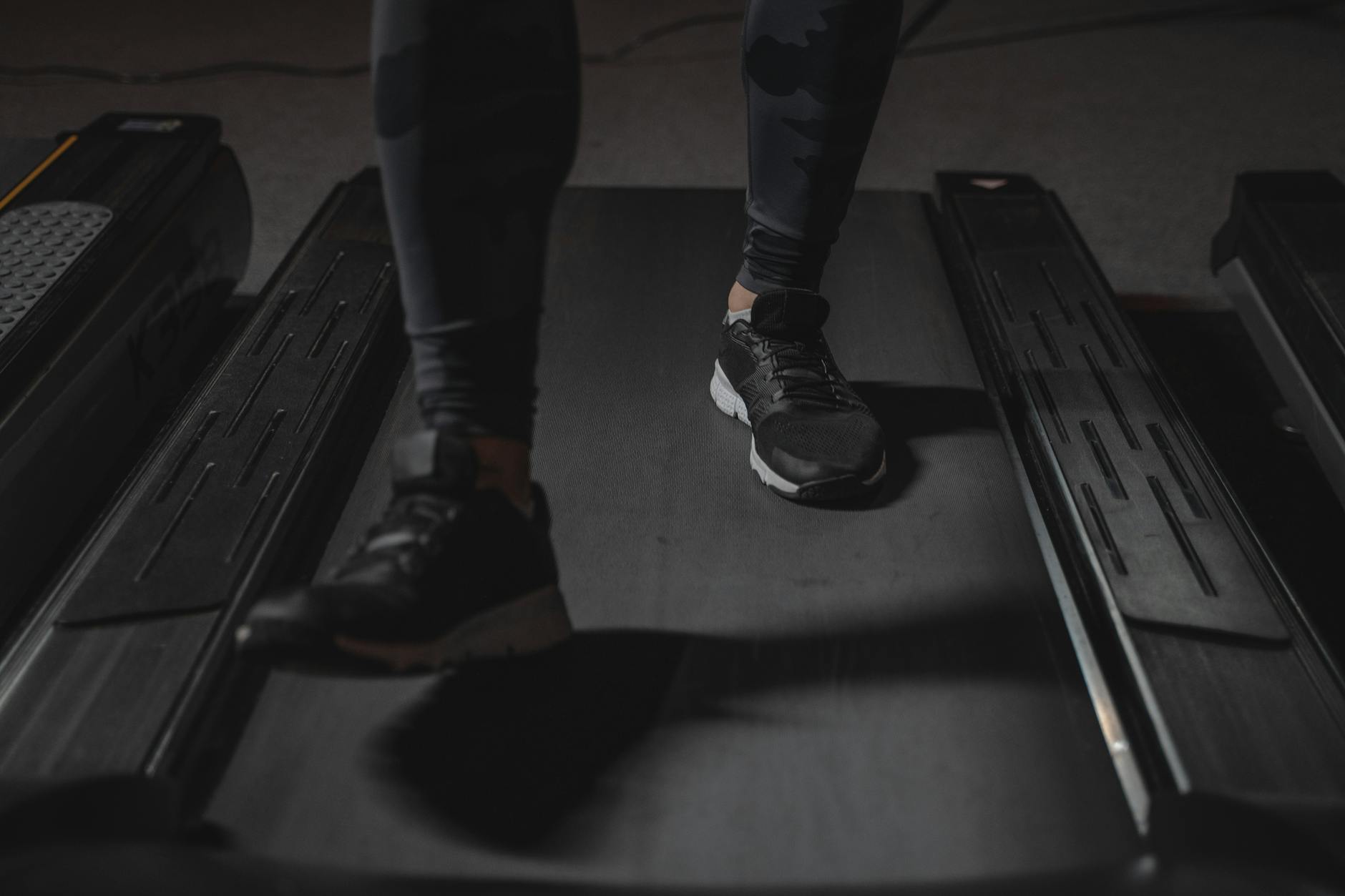
Treadmill Deck Firmness Settings and Their Effects
Many mid-range and premium treadmills offer adjustable cushioning settings, allowing runners to modify deck firmness. These settings typically range from “firm” or “road feel” to “soft” or “maximum cushion.” The firmness selection creates meaningful differences in impact characteristics””a treadmill set to firm mode might reduce impact by only 10 percent compared to concrete, while the same machine on soft mode might reduce impact by 35 percent. The adjustability provides training flexibility that static outdoor surfaces cannot match.
A runner might use soft settings for easy runs and recovery days, then switch to firm settings for tempo runs or race-specific workouts. This approach captures cushioning benefits when appropriate while still developing some tolerance for harder surface characteristics. For example, a runner preparing for a spring marathon might spend winter months on soft settings, then progressively firm the deck as outdoor training becomes feasible and race day approaches.
How to Prepare
- **Assess your current surface exposure honestly.** If more than 80 percent of your recent running has occurred on a treadmill, you need a deliberate transition plan. Log your last four weeks of training and calculate the percentage of miles completed on each surface type.
- **Begin with short outdoor segments within treadmill runs.** If you have access to both options in close proximity, try running 20 minutes on the treadmill, then 10 minutes outdoors, then returning to the treadmill. This introduces outdoor impact in manageable doses.
- **Choose your initial outdoor surfaces strategically.** Packed dirt trails or well-maintained cinder paths provide intermediate cushioning that eases the transition. Save concrete and asphalt for later in the adaptation process.
- **Monitor for warning signs during the transition.** New or unusual aches in the shins, feet, or knees during the first two weeks of increased outdoor running suggest you’re progressing too quickly. Return to more treadmill running and slow the transition rate.
- **Allow four to six weeks for full surface adaptation.** Even if you feel fine during runs, connective tissue adaptation occurs gradually. Warning: Attempting to rush this timeline is the most common mistake, and it frequently results in stress reactions or tendon injuries that require extended recovery time.
How to Apply This
- **Match surface selection to workout purpose.** Use cushioned surfaces like treadmills for high-volume aerobic work and recovery runs. Reserve harder outdoor surfaces for workouts requiring race-specific adaptation, such as goal-pace tempo runs or long runs during the final weeks before competition.
- **Adjust shoe cushioning to complement surface cushioning.** Running on a treadmill with maximum-cushion shoes creates combined shock absorption that some runners find excessive, leading to instability or reduced proprioceptive feedback. Consider using slightly firmer shoes on the treadmill and saving maximum-cushion models for outdoor running on hard surfaces.
- **Track cumulative surface stress across your training week.** A week with five outdoor runs on concrete creates very different joint stress than a week with three treadmill runs and two trail runs, even if total mileage matches. Balance your weekly surface exposure based on your body’s current tolerance and adaptation goals.
- **Use treadmill cushioning strategically during injury recovery.** When returning from lower-body injuries, starting on a cushioned treadmill reduces re-injury risk. Gradually introduce outdoor running only after demonstrating that you can handle increasing treadmill volume without symptom flares.
Expert Tips
- Save your hardest outdoor running for days when your legs feel fresh, and default to the treadmill when fatigue accumulates. Fatigued muscles absorb less impact, transferring more stress to bones and joints.
- Do not assume that expensive shoes compensate for hard surfaces. Even maximum-cushion shoes absorb far less impact than a quality treadmill deck, and shoe cushioning degrades significantly over 300 to 400 miles while treadmill decks maintain performance much longer.
- If you experience shin pain exclusively during outdoor running, this often indicates insufficient surface adaptation rather than a fundamental problem with your running mechanics. Reduce outdoor volume temporarily rather than abandoning it entirely.
- Consider surface cushioning when interpreting heart rate and pace data. Many runners find that treadmill running at a given heart rate produces slightly faster paces than outdoor running””part of this difference relates to the reduced muscular demand of stabilization on a consistent, cushioned surface.
- Do not ignore indoor air quality when relying heavily on treadmill running. Gym treadmills near weight areas or in poorly ventilated spaces expose you to air quality issues that outdoor running avoids. The cushioning benefits diminish if you’re inhaling problematic air for extended periods.
Conclusion
The cushioning difference between treadmill and outdoor running surfaces represents a significant variable in training stress that thoughtful runners can manipulate to their advantage. Treadmills reduce impact forces by 15 to 40 percent compared to concrete, making them valuable tools for building aerobic fitness while managing joint stress, recovering from injuries, and accumulating high-volume training during periods of low injury tolerance. However, this cushioning advantage comes with the responsibility of maintaining enough outdoor running exposure to develop the structural resilience necessary for racing and real-world running.
The optimal approach for most runners involves deliberate surface variation throughout training cycles. Lean on treadmill cushioning during base-building phases and recovery periods, then progressively shift toward outdoor running as race-specific preparation demands. Pay attention to how your body responds during surface transitions, adjust your timeline based on individual adaptation rates, and remember that the goal isn’t to avoid hard surfaces entirely but to expose yourself to them strategically and progressively.
Frequently Asked Questions
How long does it typically take to see results?
Results vary depending on individual circumstances, but most people begin to see meaningful progress within 4-8 weeks of consistent effort. Patience and persistence are key factors in achieving lasting outcomes.
Is this approach suitable for beginners?
Yes, this approach works well for beginners when implemented gradually. Starting with the fundamentals and building up over time leads to better long-term results than trying to do everything at once.
What are the most common mistakes to avoid?
The most common mistakes include rushing the process, skipping foundational steps, and failing to track progress. Taking a methodical approach and learning from both successes and setbacks leads to better outcomes.
How can I measure my progress effectively?
Set specific, measurable goals at the outset and track relevant metrics regularly. Keep a journal or log to document your journey, and periodically review your progress against your initial objectives.
When should I seek professional help?
Consider consulting a professional if you encounter persistent challenges, need specialized expertise, or want to accelerate your progress. Professional guidance can provide valuable insights and help you avoid costly mistakes.
What resources do you recommend for further learning?
Look for reputable sources in the field, including industry publications, expert blogs, and educational courses. Joining communities of practitioners can also provide valuable peer support and knowledge sharing.