Low-impact cardio absolutely counts as legitimate cardiovascular exercise, and several options deliver fitness benefits comparable to running without the joint stress. Swimming, cycling, elliptical training, rowing, and brisk walking all elevate heart rate into effective training zones while eliminating the repetitive ground strikes that make high-impact activities problematic for some people. A 155-pound person burns approximately 520 calories per hour cycling at moderate intensity, compared to 590 calories running at a 12-minute mile pace””a difference of only 12 percent while sparing joints from two to three times bodyweight impact with each stride. The misconception that low-impact means low-intensity persists partly because the fitness industry spent decades equating harder landings with harder workouts.
In reality, impact and intensity are separate variables. A competitive swimmer’s heart rate during interval training reaches the same zones as a track sprinter’s, yet water eliminates impact entirely. The key distinction is whether your feet leave the ground simultaneously (high-impact) versus whether at least one foot maintains contact with a surface or your body remains supported by water or equipment (low-impact). This article examines the most effective low-impact cardio options, explains the science behind why they deliver genuine fitness adaptations, and provides practical guidance for incorporating them into a training plan. You’ll learn how to match intensity levels with your goals, understand when low-impact choices are medically necessary versus simply preferable, and discover how to structure workouts that challenge your cardiovascular system without punishing your joints.
Table of Contents
- What Makes Low-Impact Cardio Options Count as Real Exercise?
- The Cardiovascular Benefits of Swimming and Aquatic Exercise
- Why Cycling Builds Genuine Cardiovascular Fitness
- Elliptical Training: The Middle Ground Between Walking and Running
- Rowing for Full-Body Cardio Without Joint Stress
- Walking Workouts That Deliver Cardiovascular Benefits
- How to Prepare
- How to Apply This
- Expert Tips
- Conclusion
- Frequently Asked Questions
What Makes Low-Impact Cardio Options Count as Real Exercise?
Cardiovascular exercise “counts” when it elevates heart rate sufficiently to create physiological adaptations in the heart, lungs, blood vessels, and muscles. The American College of sports Medicine defines moderate-intensity cardio as 64 to 76 percent of maximum heart rate, and vigorous intensity as 77 to 95 percent. Whether you reach these zones by running, swimming, or pedaling a bike, your body responds with the same beneficial adaptations: improved stroke volume, increased mitochondrial density, enhanced capillary networks, and better oxygen utilization. The confusion about low-impact exercise often stems from conflating impact with effort. Ground reaction forces during running reach approximately 2.5 times bodyweight, while walking produces forces closer to 1.2 times bodyweight. However, these forces measure skeletal stress, not cardiovascular demand.
A cyclist generating 200 watts of power experiences negligible impact but works at an intensity level equivalent to running a seven-minute mile. Research published in the British Journal of Sports Medicine found that regular cyclists had cardiovascular health markers nearly identical to runners of similar training volume. Where low-impact options differ is in muscle recruitment patterns and sport-specific adaptations. Running builds bone density more effectively than cycling due to those ground forces, and the eccentric loading from foot strikes creates distinct muscular adaptations. However, for pure cardiovascular conditioning””the pump-and-pipes system of heart and blood vessels””low-impact activities produce equivalent results when performed at equivalent relative intensities. A runner recovering from a stress fracture who maintains fitness through pool running or cycling will return to the sport with cardiovascular capacity intact, even if running-specific muscular endurance requires rebuilding.

The Cardiovascular Benefits of Swimming and Aquatic Exercise
Swimming offers a unique combination of total-body resistance and zero impact, making it arguably the most joint-friendly option that still delivers serious cardiovascular training. Water provides approximately 800 times the resistance of air, meaning every movement requires muscular effort, yet buoyancy supports body weight completely. Competitive swimmers routinely achieve VO2 max values comparable to elite runners, demonstrating that the absence of impact creates no ceiling on cardiovascular development. The horizontal position during swimming changes cardiovascular dynamics in interesting ways. Unlike upright activities where the heart works against gravity to return blood from the legs, swimming’s prone position reduces this gravitational challenge. This allows higher stroke volumes at lower heart rates, which is why swimming heart rate targets typically run 10 to 15 beats per minute lower than running targets for equivalent effort.
A swimmer working at 140 beats per minute may be exercising at the same relative intensity as a runner at 155 beats per minute. Failing to account for this difference leads many people to underestimate their swimming intensity or push into zones harder than intended. However, swimming has notable limitations as a primary cardio option. The technical demands mean beginners often cannot sustain continuous swimming long enough to accumulate meaningful cardiovascular stress. A novice swimmer might reach respiratory failure from inefficient breathing technique before achieving cardiac overload. Additionally, swimming doesn’t load bones, so individuals concerned about osteoporosis prevention may want to include some weight-bearing activity. Aqua jogging and water aerobics offer middle-ground alternatives that require less technique while still eliminating impact.
Why Cycling Builds Genuine Cardiovascular Fitness
Cycling delivers cardiovascular training through sustained muscular effort against resistance, and the ability to precisely control power output makes it an exceptionally trainable activity. Indoor cycling with power meters allows workout prescription accurate to the watt, enabling progressive overload with a precision impossible in most activities. Professional cyclists demonstrate the upper limits of human cardiovascular capacity, with VO2 max values exceeding 80 ml/kg/min””among the highest recorded in any sport. The seated, non-weight-bearing position makes cycling accessible to individuals with conditions that preclude running. People with arthritis, significant obesity, or lower-body injuries can often cycle comfortably when other activities cause pain. The circular pedaling motion involves less impact than even walking, yet the cardiovascular system cannot distinguish between effort generated pedaling and effort generated running.
Heart muscle fibers respond to sustained elevated demand regardless of which limbs create that demand. The limitation of cycling lies in its mechanical specificity. Cycling predominantly uses the quadriceps, glutes, and hip flexors in a concentric-focused pattern, while running requires eccentric control and more diverse muscle recruitment. Cyclists transitioning to running often have excellent cardiovascular engines but lack the muscular durability for running’s demands. Additionally, cycling requires either equipment investment or gym access, and outdoor cycling carries meaningful injury risk from traffic. For runners using cycling as cross-training, maintaining at least one running session weekly preserves the muscular adaptations specific to the primary sport.

Elliptical Training: The Middle Ground Between Walking and Running
Elliptical trainers replicate running’s general movement pattern while eliminating ground impact, creating a hybrid that feels more familiar to runners than cycling or swimming. The foot remains in constant contact with the pedal platform, gliding through an oval path that approximates running stride without the landing forces. Research from the University of Missouri found that oxygen consumption and heart rate during elliptical exercise closely matched treadmill running at equivalent perceived effort levels. The weight-bearing aspect of elliptical training offers advantages over fully supported activities like cycling. Standing on the machine while moving requires balance, core engagement, and load-bearing through the lower extremities.
This creates a more complete stimulus than seated exercise while remaining dramatically lower-impact than running. For runners managing injuries or returning from time off, the elliptical often serves as a stepping stone between pure non-impact cross-training and full running resumption. As an example, a runner with Achilles tendinopathy might find that running causes pain while the elliptical’s reduced tendon loading allows symptom-free training. Maintaining fitness on the elliptical during a two-month running reduction could preserve most cardiovascular capacity while allowing tissue healing. The specificity isn’t perfect””elliptical fitness doesn’t fully transfer to running performance””but it’s closer than alternatives that involve entirely different movement patterns. The machine’s adjustable resistance and incline settings allow progression from easy aerobic sessions to challenging interval workouts.
Rowing for Full-Body Cardio Without Joint Stress
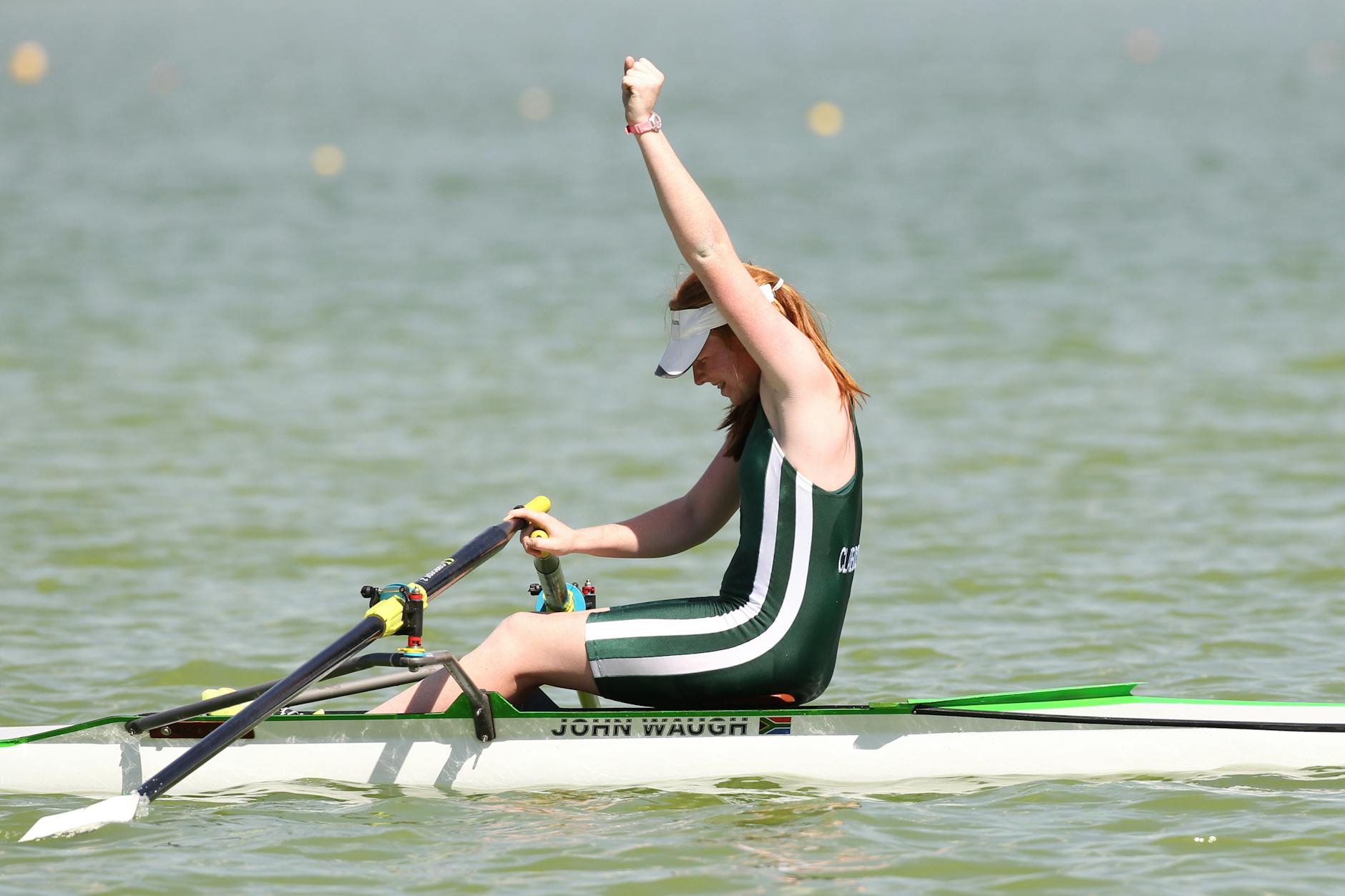
Rowing stands apart from other low-impact options by demanding significant upper-body contribution, making it a true full-body cardiovascular exercise. Each stroke engages legs for the drive phase, core for stability and power transfer, and back, shoulders, and arms for the pull. This distribution means fatigue spreads across multiple muscle groups rather than concentrating in the legs, potentially allowing longer sessions before local muscular failure limits the workout. The seated, sliding position eliminates lower-body impact while the resistance comes from air, water, or magnetic mechanisms in the machine. Unlike cycling’s circular motion, rowing involves a linear push-pull that some people find more intuitive. Heart rates during vigorous rowing match those achieved running, and studies comparing rowers to runners of similar training status find equivalent cardiovascular adaptations.
The 2000-meter rowing test, a standard fitness benchmark, correlates strongly with VO2 max measurements, confirming rowing’s effectiveness as cardiovascular training. The tradeoff with rowing involves the technical learning curve and the posterior chain emphasis. Proper rowing technique””the sequence of legs, back, then arms on the drive, and arms, back, then legs on the recovery””takes time to master. Poor form reduces efficiency and can strain the lower back. Additionally, rowing emphasizes pulling muscles while running emphasizes pushing, creating different muscular development patterns. Runners using rowing as cross-training maintain cardiovascular fitness but shouldn’t expect it to replicate running’s muscular adaptations in the hip flexors, calves, and anterior tibialis.
Walking Workouts That Deliver Cardiovascular Benefits
Walking often gets dismissed as too easy to count as real exercise, but structured walking workouts can achieve moderate cardiovascular intensity, particularly for individuals with lower baseline fitness or higher body weights. The key is understanding that walking operates on a different intensity continuum than running. A brisk 4.0 mph walking pace represents moderate intensity for most adults, and adding incline dramatically increases cardiovascular demand. Walking at 3.5 mph on a 12 percent incline requires energy expenditure equivalent to jogging on flat ground. Incline walking has gained popularity as “12-3-30” workouts (12 percent incline, 3.0 mph, 30 minutes), and while the specific parameters aren’t magical, the underlying principle is sound. Grade walking increases heart rate, respiration, and caloric expenditure without the impact of running.
For individuals significantly above their goal weight, walking eliminates the injury risk of running while still providing meaningful cardiovascular training. As fitness improves, pace and incline can progressively increase, creating a training stimulus that grows with the individual. The limitation is that walking’s intensity ceiling falls below running’s. A very fit runner cannot achieve high-intensity zones through walking regardless of incline or pace””at some point, faster walking biomechanics become less efficient than switching to a running gait. Walking serves better as a supplemental activity, active recovery, or primary modality for those whose fitness level or physical limitations make it appropriately challenging. For a deconditioned individual, walking may be the ideal starting point that eventually enables progression to higher-impact activities.
How to Prepare
- **Establish your baseline fitness metrics** by recording resting heart rate, determining your maximum heart rate (either through a field test or using 220 minus age as a rough estimate), and noting your current activity level. These benchmarks help you set appropriate intensity targets for new activities rather than guessing.
- **Learn proper technique before adding intensity** in skill-dependent activities like swimming or rowing. Spending the first few sessions focused on form, even if cardiovascular stress feels minimal, prevents ingrained bad habits and reduces injury risk. Consider even a single lesson with a qualified instructor to shortcut the learning process.
- **Gather appropriate equipment and secure access** to the activity. This might mean purchasing a quality pair of cycling shorts, finding a pool with lap swim hours that fit your schedule, or evaluating gym elliptical and rowing machine quality. Equipment friction discourages consistency.
- **Plan your weekly structure** by deciding which days will feature low-impact cardio, how these sessions fit with any remaining higher-impact activities, and what intensity distribution you’ll target. Most people benefit from approximately 80 percent of training at low to moderate intensity and 20 percent at high intensity.
- **Start conservatively with duration and intensity** despite feeling capable of more. New activities stress muscles, joints, and connective tissues in unfamiliar ways. A common mistake is letting enthusiasm drive excessive initial volume, leading to overuse injuries in structures not adapted to the new movement pattern. Build duration before intensity over the first three to four weeks.
How to Apply This
- **Match intensities to your goals using heart rate zones or perceived effort scales.** If your goal is general health, most sessions should feel conversational (60 to 70 percent of max heart rate). If you’re maintaining fitness during injury recovery, replicate the intensity distribution of your normal training using rate of perceived exertion to translate effort across activities.
- **Structure workouts with intention rather than defaulting to steady-state monotony.** Low-impact activities support the same workout structures as running: long slow sessions for aerobic base, tempo efforts at threshold intensity, intervals for VO2 max development, and easy recovery sessions. A cycling workout might include a 10-minute warmup, four 5-minute threshold intervals with 2-minute recoveries, and a 10-minute cooldown.
- **Track key metrics to ensure progressive overload over time.** This might mean recording average power on the bike, split times in the pool, or average pace at a given heart rate on the elliptical. Without measurement, it’s difficult to know whether fitness is improving or plateauing.
- **Integrate low-impact sessions strategically with higher-impact activities if you’re a runner using cross-training.** Low-impact days work well as recovery sessions between hard running workouts, as secondary aerobic sessions when running volume reaches safe limits, or as complete running substitutes during injury periods. Avoid adding low-impact work on top of full running volume without reducing running proportionally.
Expert Tips
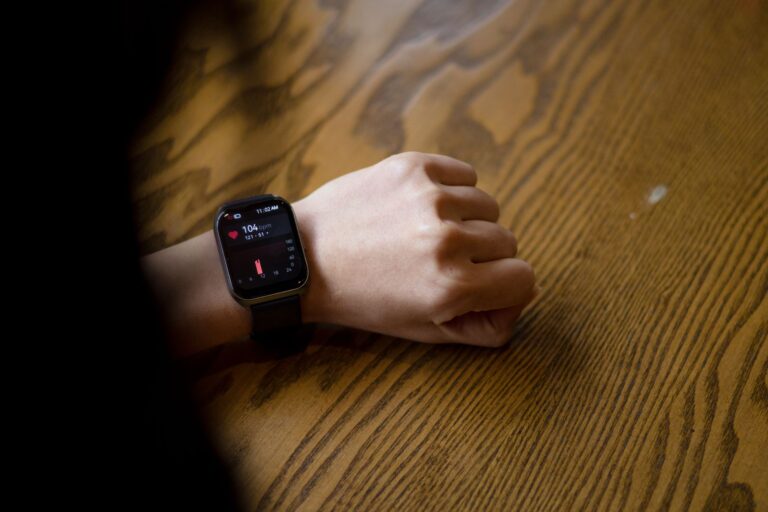
- Wear a heart rate monitor during low-impact activities to ensure you’re achieving intended intensity zones. Perceived effort calibration takes time in new activities, and heart rate provides objective feedback during the learning period.
- Don’t assume low-impact means you can train daily without rest. Cardiovascular stress and muscular fatigue accumulate regardless of impact, and recovery remains essential for adaptation. Overtraining occurs in cyclists and swimmers just as it does in runners.
- Combine multiple low-impact activities rather than relying on a single option. Variety distributes stress across different movement patterns, reduces overuse risk, and maintains motivation better than monotonous repetition.
- When returning from injury, resist the urge to immediately match pre-injury training volume on low-impact alternatives. The cardiovascular system may be ready for high volume, but muscles and connective tissues adapting to new movements need gradual loading.
- Keep at least one weight-bearing activity in your routine if bone health matters to you. Low-impact options, while joint-friendly, provide minimal stimulus for bone density maintenance. Even walking counts as weight-bearing and complements non-weight-bearing activities.
Conclusion
Low-impact cardio options deliver genuine cardiovascular fitness adaptations when performed at appropriate intensities. Swimming, cycling, elliptical training, rowing, and structured walking all elevate heart rate into training zones that stimulate beneficial adaptations in the heart, blood vessels, and aerobic energy systems. The absence of impact affects skeletal loading and sport-specific muscular demands but has no bearing on whether the cardiovascular system receives an effective training stimulus.
Choosing among low-impact options involves weighing factors like equipment access, technical requirements, personal enjoyment, and specific physical considerations. Someone with knee arthritis might find cycling more comfortable than elliptical work, while a runner seeking close replication of running mechanics might prefer the elliptical. The best low-impact activity is one you’ll actually perform consistently at appropriate intensities. Experiment with multiple options, track your body’s response, and build a sustainable practice that supports your long-term cardiovascular health without unnecessary joint stress.
Frequently Asked Questions
How long does it typically take to see results?
Results vary depending on individual circumstances, but most people begin to see meaningful progress within 4-8 weeks of consistent effort. Patience and persistence are key factors in achieving lasting outcomes.
Is this approach suitable for beginners?
Yes, this approach works well for beginners when implemented gradually. Starting with the fundamentals and building up over time leads to better long-term results than trying to do everything at once.
What are the most common mistakes to avoid?
The most common mistakes include rushing the process, skipping foundational steps, and failing to track progress. Taking a methodical approach and learning from both successes and setbacks leads to better outcomes.
How can I measure my progress effectively?
Set specific, measurable goals at the outset and track relevant metrics regularly. Keep a journal or log to document your journey, and periodically review your progress against your initial objectives.
When should I seek professional help?
Consider consulting a professional if you encounter persistent challenges, need specialized expertise, or want to accelerate your progress. Professional guidance can provide valuable insights and help you avoid costly mistakes.
What resources do you recommend for further learning?
Look for reputable sources in the field, including industry publications, expert blogs, and educational courses. Joining communities of practitioners can also provide valuable peer support and knowledge sharing.