
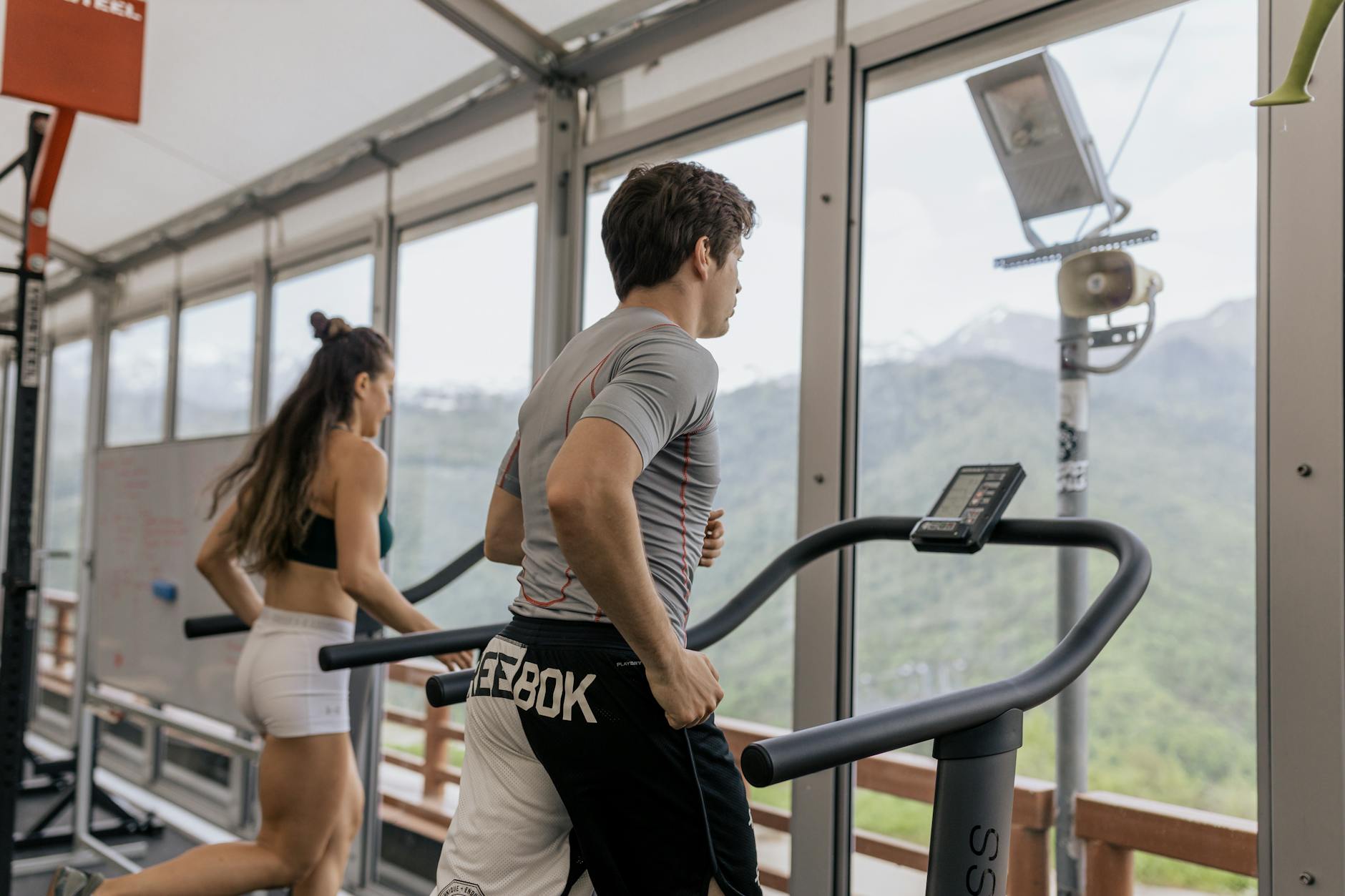
The real difference between treadmill and outdoor running shoes comes down to cushioning requirements, outsole durability, and traction design. Treadmill running occurs on a consistent, shock-absorbing belt that reduces impact forces by approximately 15-20 percent compared to concrete, which means you can often get away with lighter, less cushioned shoes indoors. Outdoor running demands more aggressive tread patterns for grip on variable surfaces, reinforced outsoles to withstand abrasive pavement, and typically more substantial midsole protection to handle the repetitive pounding of harder ground. A runner who logs 30 miles per week outdoors will wear through the same shoe significantly faster than someone doing identical mileage on a treadmill belt.
That said, many runners successfully use the same shoes for both environments, and shoe manufacturers rarely market “treadmill-specific” models. The differences matter most at the extremes: if you run exclusively indoors, you’re likely overpaying for durability features you don’t need, while using a lightweight racing flat designed for controlled surfaces on rocky trails is asking for trouble. This article breaks down the biomechanical differences between treadmill and outdoor running, explains which shoe features actually matter for each environment, and helps you decide whether you need separate pairs or can simplify with one versatile option. Understanding these distinctions can save you money in the long run and potentially reduce injury risk. We’ll examine how surface characteristics affect shoe wear, why some popular outdoor shoes perform poorly on treadmill belts, and what compromises make sense for runners who split their mileage between environments.
Table of Contents
- Do You Really Need Different Shoes for Treadmill and Outdoor Running?
- How Running Surface Affects Shoe Cushioning and Durability
- Traction and Outsole Design: Indoor vs Outdoor Requirements
- Breathability and Heat Management Differences
- Weight Considerations for Treadmill Performance
- When One Shoe Can Handle Both Environments
- How to Prepare
- How to Apply This
- Expert Tips
- Conclusion
- Frequently Asked Questions
Do You Really Need Different Shoes for Treadmill and Outdoor Running?
The honest answer is that most recreational runners don’t need entirely different shoes, but understanding the mechanical differences helps you make smarter choices. When you run on a treadmill, the belt moves beneath you and absorbs some impact energy through its suspension system. This means the cushioning in your shoes works less hard with each footstrike. Running on concrete or asphalt delivers the full force back into your legs, requiring your shoes to do more protective work. A practical comparison: take a daily trainer like the Brooks Ghost and use it for 500 miles on a treadmill versus 500 miles on city sidewalks.
The treadmill shoe will likely retain 60-70 percent of its original cushioning properties, while the outdoor shoe may be down to 40-50 percent. The outsole rubber tells an even starker story. Treadmill belts are essentially giant sheets of sandpaper-textured rubber, which creates friction without aggressively wearing down shoe rubber the way concrete’s irregular surface does. Where separation makes sense is at the performance end. If you’re doing speed work on a treadmill, a lighter shoe with minimal outsole rubber lets you feel the belt’s responsiveness and shed unnecessary weight. Taking that same minimalist shoe onto pavement for tempo runs means you’ll feel every pebble and burn through the thin outsole in weeks rather than months.

How Running Surface Affects Shoe Cushioning and Durability
Treadmill belts sit atop deck systems designed to flex and absorb impact. Higher-end commercial treadmills can reduce effective impact forces by up to 30 percent compared to concrete. This engineering reality means that the thick, dense midsole foam that feels protective on pavement can actually feel sluggish and unresponsive on a quality treadmill. Many runners report that their outdoor shoes feel “dead” during treadmill sessions, not because the shoes have degraded, but because the combined cushioning of shoe plus belt creates an overly soft, energy-sapping ride. However, if you run on a budget home treadmill with minimal deck cushioning, this equation changes significantly. Older or lower-end treadmills may have stiff, unyielding belts that transfer impact forces similar to hard outdoor surfaces.
In these cases, your outdoor shoes with full cushioning become appropriate. The key is understanding your specific equipment rather than assuming all treadmill running is inherently softer. Durability differences extend beyond the midsole to the upper materials. Outdoor shoes encounter rain, mud, UV exposure, and temperature extremes that break down synthetic materials faster. Treadmill shoes live in climate-controlled environments, protected from elements that cause material degradation. A runner using the same model indoors and outdoors shouldn’t be surprised when the outdoor pair shows visible wear twice as fast, even at identical mileage.
Traction and Outsole Design: Indoor vs Outdoor Requirements
Outdoor running shoes prioritize grip across unpredictable surfaces. Multi-directional lugs, varied rubber compounds, and aggressive tread patterns help you maintain traction on wet pavement, loose gravel, painted crosswalks, and uneven sidewalks. This traction design is essentially wasted on a treadmill belt, where the consistent texture and your fixed position relative to the moving surface make elaborate tread patterns unnecessary. Treadmill running actually demands a different kind of contact. A flatter, smoother outsole creates more surface area touching the belt, which can improve stability during faster efforts.
Some runners find that heavily lugged trail shoes or road shoes with deep flex grooves feel unstable on treadmills because the belt grabs at the raised portions of the sole. This creates a subtle but noticeable “catching” sensation, particularly during the push-off phase of the stride. For runners who do both indoor and outdoor running regularly, a middle-ground outsole works best. Road shoes with moderate tread depth and rubber coverage in high-wear zones offer enough outdoor traction without creating problems on the belt. Trail shoes, even light ones, tend to perform poorly on treadmills and should be reserved for their intended terrain.

Breathability and Heat Management Differences
Treadmill running presents a unique thermal challenge: you’re stationary relative to the air around you, eliminating the natural cooling effect of forward movement through space. Even with gym fans or air conditioning, your feet generate and retain more heat during treadmill sessions than during equivalent outdoor runs. This makes upper breathability more important for indoor running, where an enclosed, less ventilated shoe can lead to excessive sweating, discomfort, and accelerated bacterial growth. A runner doing a 45-minute treadmill session in a heavily padded stability shoe designed for winter outdoor running will likely experience significantly more foot moisture than running the same duration outside in 50-degree weather.
The outdoor runner benefits from airflow across the shoe’s surface, while the treadmill runner essentially bakes inside a stationary microclimate. Selecting shoes with mesh uppers and minimal overlays improves indoor comfort. Outdoor runners might choose shoes with more weather protection, water-resistant treatments, or reinforced toe caps that would be overkill indoors. If you use one shoe for both environments, prioritizing breathability usually makes more sense since you can always wear moisture-wicking socks outdoors, but you can’t add ventilation to an enclosed shoe.
Weight Considerations for Treadmill Performance
Shoe weight affects running economy, and the controlled treadmill environment allows you to push the boundaries of lightweight footwear without the durability and protection compromises that outdoor running demands. Racing flats and super-light trainers that would wear out in 150 miles on roads can last significantly longer when used exclusively on treadmill belts. This opens up options for runners who want the performance benefits of minimal shoes without the rapid replacement cycle. However, there’s a limitation to the “lighter is better” approach for treadmill running. If you’re logging high mileage indoors, going too minimal can still lead to overuse injuries.
The treadmill’s consistent surface eliminates terrain variability that naturally causes slight stride adjustments, meaning your legs absorb impact in nearly identical patterns mile after mile. Some cushioning remains protective even on forgiving surfaces, particularly for heavier runners or those with previous injury histories. The practical tradeoff: for easy treadmill miles, a moderately cushioned trainer around 9-10 ounces works well. For treadmill speed work and intervals, dropping to a 6-7 ounce shoe can improve leg turnover and responsiveness. Most runners don’t need different shoes for these purposes, but understanding where weight matters helps you choose one shoe that handles both adequately.

When One Shoe Can Handle Both Environments
Plenty of runners successfully use a single shoe for all their running, and unless you have specific performance goals or injury concerns, this simplified approach often makes sense. The ideal dual-purpose shoe typically features moderate cushioning (not maximum or minimal), a relatively flat outsole without aggressive lugs, breathable mesh uppers, and durable rubber in high-wear zones.
Daily trainers from major brands generally fit this profile. A shoe like the New Balance Fresh Foam 880 or Saucony Ride handles treadmill belts well while providing enough protection for road running. You sacrifice some optimization in each environment but gain the convenience and cost savings of maintaining one rotation.
How to Prepare
- Track your current mileage split between treadmill and outdoor running over at least two weeks, noting which environment dominates your training.
- Examine your current shoes for wear patterns, checking outsole rubber at the heel and forefoot, midsole compression, and any upper damage.
- Identify any recurring discomfort or injury issues that might relate to footwear, such as hot spots, blisters, or joint pain that correlates with specific running environments.
- Determine your budget and whether maintaining two pairs of shoes is financially practical, considering that splitting mileage extends the life of each pair.
- Visit a specialty running store to get your gait analyzed if you haven’t recently, since foot mechanics affect shoe selection more than running surface in many cases.
How to Apply This
- If treadmill running comprises more than 70 percent of your mileage, prioritize lightweight shoes with breathable uppers and less aggressive outsoles, accepting that outdoor runs may require more caution on wet or uneven surfaces.
- For predominantly outdoor runners who occasionally use treadmills, keep using your regular road shoes indoors without modification, since the treadmill will simply extend their lifespan slightly.
- When maintaining two separate shoes, designate your older or more worn pair for treadmill use, where reduced cushioning and worn outsoles matter less.
- Test any new shoe on both surfaces before committing to high-mileage training, running at least 15-20 minutes in each environment to identify any comfort issues.
Expert Tips
- Rotate between multiple pairs even within a single environment; this extends shoe lifespan and may reduce injury risk by varying the stress patterns on your legs.
- Do not use treadmill-only shoes for outdoor running in wet conditions, as the smoother outsoles designed for belt contact can become dangerously slick on wet pavement.
- Clean treadmill shoes less frequently than outdoor shoes; excessive washing breaks down materials faster, and indoor shoes accumulate less dirt.
- Consider retiring outdoor shoes to treadmill duty rather than throwing them away; they often have significant indoor life remaining.
- Pay attention to the treadmill belt’s condition; worn, slick belts affect traction regardless of shoe choice and may indicate equipment maintenance needs.
Conclusion
The difference between treadmill and outdoor running shoes is real but often overstated. Treadmills reduce impact forces and eliminate traction demands, allowing for lighter, less armored footwear. Outdoor running requires shoes built to withstand abrasive surfaces, variable terrain, and weather exposure.
For most runners, understanding these differences helps make smarter purchasing decisions rather than requiring entirely separate shoe collections. The practical approach is to start with a versatile daily trainer that performs acceptably in both environments, then add specialized options if your training demands justify the investment. A dedicated treadmill runner logging serious mileage might benefit from a lightweight, breathable indoor option, while a trail runner who occasionally uses treadmills for bad-weather days can stick with road shoes for belt work. Match your footwear decisions to your actual running patterns rather than theoretical optimization.
Frequently Asked Questions
How long does it typically take to see results?
Results vary depending on individual circumstances, but most people begin to see meaningful progress within 4-8 weeks of consistent effort. Patience and persistence are key factors in achieving lasting outcomes.
Is this approach suitable for beginners?
Yes, this approach works well for beginners when implemented gradually. Starting with the fundamentals and building up over time leads to better long-term results than trying to do everything at once.
What are the most common mistakes to avoid?
The most common mistakes include rushing the process, skipping foundational steps, and failing to track progress. Taking a methodical approach and learning from both successes and setbacks leads to better outcomes.
How can I measure my progress effectively?
Set specific, measurable goals at the outset and track relevant metrics regularly. Keep a journal or log to document your journey, and periodically review your progress against your initial objectives.
When should I seek professional help?
Consider consulting a professional if you encounter persistent challenges, need specialized expertise, or want to accelerate your progress. Professional guidance can provide valuable insights and help you avoid costly mistakes.
What resources do you recommend for further learning?
Look for reputable sources in the field, including industry publications, expert blogs, and educational courses. Joining communities of practitioners can also provide valuable peer support and knowledge sharing.
2 thoughts on “Treadmill vs Outdoor Running Shoes: What’s the Real Difference?”
Comments are closed.