Elliptical training earns intensity minutes through a combination of your heart rate elevation and workout duration, with most fitness trackers awarding one intensity minute for every minute spent above 50 percent of your heart rate reserve and double credit (two intensity minutes per actual minute) when you exceed 70 percent. For example, a 30-minute elliptical session at moderate effort might yield 30 intensity minutes, while that same session performed at vigorous intensity could register 60 intensity minutes toward your weekly goal. The key distinction is that intensity minutes measure cardiovascular effort rather than simply time spent exercising, which makes the elliptical particularly effective since it naturally engages both upper and lower body muscle groups to elevate heart rate efficiently.
Understanding this relationship between elliptical training and intensity minutes helps explain why the machine remains a staple in cardiovascular fitness despite being perceived as “easier” than running. The perceived ease often comes from reduced impact forces rather than lower cardiovascular demand. A well-executed elliptical workout can match or exceed the intensity minutes earned during a road run while placing significantly less stress on joints. This article covers how intensity minutes are calculated during elliptical sessions, strategies for maximizing your intensity minute accumulation, common tracking inaccuracies to watch for, and how to structure elliptical workouts that deliver meaningful cardiovascular benefits beyond simple calorie counting.
Table of Contents
- How Do Fitness Trackers Calculate Intensity Minutes on the Elliptical?
- The Cardiovascular Benefits of Elliptical Intensity Training
- Why Elliptical Resistance and Incline Affect Your Intensity Minutes
- Comparing Elliptical Intensity Minutes to Running and Cycling
- Common Tracking Errors That Inflate or Deflate Your Intensity Minutes
- Structuring Elliptical Workouts to Maximize Meaningful Intensity Minutes
- How to Prepare
- How to Apply This
- Expert Tips
- Conclusion
- Frequently Asked Questions
How Do Fitness Trackers Calculate Intensity Minutes on the Elliptical?
Fitness trackers calculate intensity minutes by monitoring your heart rate relative to your personal heart rate zones, which are typically derived from your maximum heart rate or heart rate reserve. When your heart rate crosses into the moderate zone (generally 50 to 69 percent of heart rate reserve), you begin accumulating intensity minutes at a one-to-one ratio with clock time. Cross into the vigorous zone (70 percent and above), and that ratio doubles. The elliptical’s unique biomechanics, combining leg movement with arm handles, often pushes heart rate into these zones faster than single-limb activities. The calculation varies slightly between manufacturers. Garmin uses a combination of heart rate data and activity type to award intensity minutes, while Fitbit relies primarily on heart rate with step cadence as a secondary factor.
Apple Watch calculates exercise minutes somewhat differently, crediting any activity equivalent to a brisk walk or higher. This means the same elliptical workout might register as 45 intensity minutes on one device and 52 on another. Neither is wrong; they simply use different algorithms. For consistency, pick one tracking method and stick with it rather than comparing across platforms. A practical example illustrates the difference: during a 40-minute elliptical session, if you spend the first 5 minutes warming up below moderate intensity, 20 minutes at moderate intensity, and 15 minutes at vigorous intensity, your total would be 0 plus 20 plus 30 (doubled), equaling 50 intensity minutes from 40 actual minutes of exercise. This explains why high-intensity interval training on the elliptical can accumulate a full week’s recommended 150 intensity minutes in fewer total workout hours.
The Cardiovascular Benefits of Elliptical Intensity Training
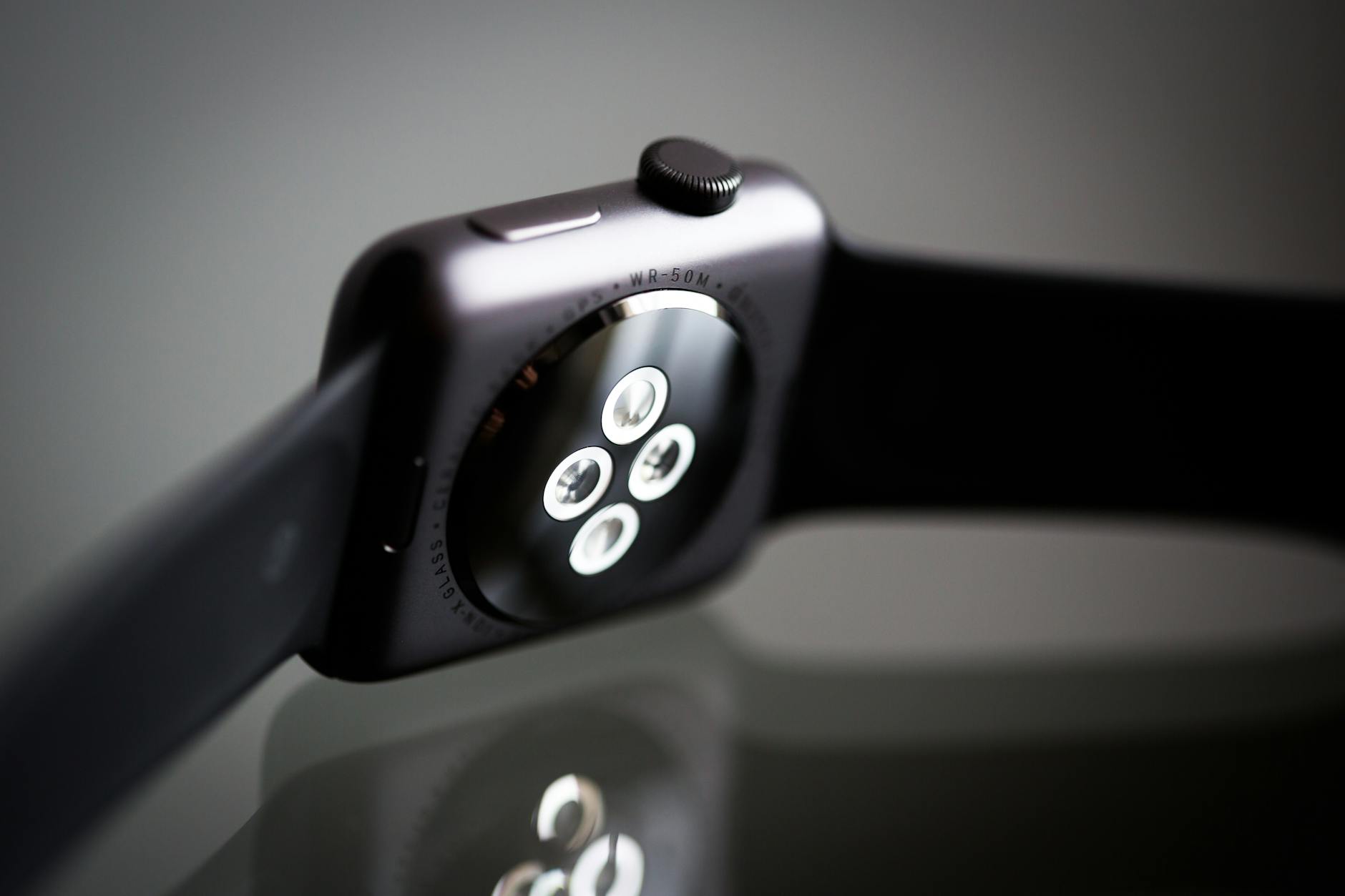
The elliptical machine provides cardiovascular conditioning comparable to running when performed at equivalent intensity levels, a finding supported by research comparing oxygen consumption and heart rate responses between the two activities. The non-impact nature of elliptical motion allows users to sustain higher intensities for longer durations without the muscular fatigue and joint stress that accumulates during running. This translates directly to intensity minute accumulation since you can spend more time in elevated heart rate zones before exhaustion forces you to stop. However, if you rely exclusively on the elliptical’s built-in heart rate sensors (the metal grips on the handles), your intensity minute calculations may be significantly inaccurate. These sensors are notoriously unreliable during actual exercise, often reading 10 to 20 beats per minute higher or lower than actual heart rate due to movement artifacts, sweaty palms, and poor contact.
A chest strap or optical arm band provides substantially more accurate data, which matters because intensity minutes depend entirely on heart rate accuracy. Wearing a dedicated heart rate monitor during elliptical sessions can reveal that you’ve been training in a different zone than you assumed. The cardiovascular adaptations from consistent elliptical training mirror those from other aerobic activities: improved stroke volume, enhanced capillary density in working muscles, better mitochondrial function, and reduced resting heart rate. These adaptations occur in response to time spent at elevated heart rates, which is precisely what intensity minutes measure. The elliptical simply provides a joint-friendly vehicle for accumulating that physiological stress.
Why Elliptical Resistance and Incline Affect Your Intensity Minutes
Resistance and incline settings fundamentally alter how your body works during elliptical exercise, directly influencing the heart rate response that determines intensity minutes. Increasing resistance forces muscles to contract harder with each stride, demanding more oxygen and elevating heart rate accordingly. Raising the incline shifts emphasis toward hip extensors and glutes, larger muscle groups that require greater cardiac output to fuel. Both adjustments can push a comfortable steady-state session into vigorous intensity territory. A specific example demonstrates this relationship: a 150-pound person exercising at resistance level 5 and zero incline might maintain a heart rate of 125 beats per minute. Raising resistance to level 10 while keeping the same stride rate could elevate heart rate to 145.
Adding a 10-degree incline might push it to 155 or higher. Each of these thresholds potentially represents a different intensity zone and therefore a different intensity minute multiplier. The same 30-minute workout could yield anywhere from 30 to 60 intensity minutes depending entirely on machine settings. The tradeoff involves sustainability. Higher resistance and incline settings accumulate intensity minutes faster but may limit how long you can maintain the effort. Someone grinding through 20 minutes at maximum settings might earn 40 vigorous intensity minutes but could have accumulated 45 minutes total by spending 45 minutes at moderate settings. The optimal approach depends on available time and training goals rather than chasing maximum intensity at all costs.

Comparing Elliptical Intensity Minutes to Running and Cycling
Direct comparisons between elliptical training and other cardio modalities reveal interesting patterns in intensity minute accumulation. Running typically generates the highest calorie burn per minute but also produces the highest perceived exertion and injury risk, while cycling allows extended duration but often at lower relative intensity unless specifically pushing pace. The elliptical occupies a middle ground: sustainable like cycling but with upper-body engagement that boosts heart rate closer to running levels. Research comparing identical heart rate responses across activities shows that intensity minutes should theoretically be equivalent when heart rate is matched. A 140 beats-per-minute workout earns the same intensity minutes whether you’re running, cycling, or using an elliptical.
The practical difference lies in achieving and maintaining that heart rate. Many people find reaching moderate intensity effortless on an elliptical due to the full-body movement pattern, while cycling might require deliberate effort to maintain comparable heart rates, especially on flat terrain. The limitation here involves muscle-specific fatigue. Running intensity is constrained by leg muscle endurance, cycling by quadriceps fatigue, and elliptical by a combination of upper and lower body capacity. Someone with strong legs but weaker arms might fatigue on the elliptical before reaching their cardiovascular limit, artificially capping intensity minute accumulation. Conversely, runners transitioning to elliptical training often find they can sustain higher heart rates longer because the movement distributes work across more muscle groups.
Common Tracking Errors That Inflate or Deflate Your Intensity Minutes
Several factors can cause significant discrepancies between your actual cardiovascular effort and the intensity minutes your device records. Incorrect maximum heart rate settings represent the most common issue. If your tracker believes your maximum heart rate is 180 but it’s actually 195, your intensity zones shift downward, causing moderate efforts to register as vigorous and inflating your totals. Conversely, an overestimated maximum heart rate makes vigorous exercise appear moderate. Wrist-based optical sensors struggle during elliptical exercise because arm motion can interfere with blood flow readings. The repetitive grip-and-release pattern on elliptical handles causes particular problems, sometimes producing wild heart rate spikes or complete dropouts.
These artifacts either add phantom intensity minutes or miss legitimate high-intensity efforts. One common warning sign: if your recorded heart rate graph shows sudden jumps of 30 beats or more within seconds, you’re likely seeing sensor error rather than actual physiological response. Environmental factors also play a role. Caffeine consumption before exercise elevates heart rate independent of workload, potentially awarding extra intensity minutes for the same actual effort. Dehydration, heat stress, and poor sleep similarly inflate heart rate response. While these situations do represent genuine cardiovascular stress, the intensity minutes may not reflect proportional fitness benefits. An artificially elevated heart rate from dehydration isn’t the same training stimulus as elevated heart rate from increased workload.

Structuring Elliptical Workouts to Maximize Meaningful Intensity Minutes
The goal shouldn’t be maximum intensity minutes at any cost but rather intensity minutes that represent genuine training stimulus. A well-structured elliptical workout progresses through intentional phases rather than maintaining constant output. Beginning with 5 to 10 minutes at low intensity allows cardiovascular system preparation and joint lubrication.
The main working period then targets specific heart rate zones based on workout goals: steady-state moderate intensity for aerobic base building or alternating moderate and vigorous intervals for metabolic conditioning. For example, a 45-minute session structured as 8 minutes warmup, 30 minutes alternating 3 minutes moderate with 2 minutes vigorous, and 7 minutes cooldown would yield approximately 45 intensity minutes (8 warmup minutes likely below threshold, 18 moderate minutes at 1:1, 12 vigorous minutes at 2:1 equals 42, plus partial credit during cooldown). This same time spent at steady moderate intensity would yield only about 30 to 35 intensity minutes. The interval structure delivers more intensity minutes and more diverse physiological stimulus.
How to Prepare
- **Verify your heart rate zones are correctly calibrated** by performing a field test or using a recent laboratory assessment rather than relying on age-based formulas. The common “220 minus age” calculation can be off by 10 to 15 beats in either direction, significantly skewing intensity zone calculations.
- **Use a dedicated heart rate monitor** rather than wrist-based sensors or machine-mounted grips. Chest straps provide the most reliable data, though arm-based optical sensors offer a reasonable compromise if chest straps feel uncomfortable.
- **Arrive properly hydrated and fueled** to ensure heart rate response reflects actual workload rather than physiological stress from inadequate preparation. Dehydration alone can elevate heart rate 10 to 15 beats per minute.
- **Allow adequate recovery between high-intensity sessions** to prevent accumulated fatigue from suppressing heart rate response. Paradoxically, overtraining can make vigorous exercise feel moderate because the cardiovascular system cannot respond normally.
- **Familiarize yourself with your elliptical’s specific resistance and incline characteristics** since machines vary considerably between manufacturers and even between units of the same model. A resistance level 8 on one machine might equal level 12 on another.
How to Apply This
- **Calculate your weekly intensity minute target** based on health guidelines (150 moderate-intensity minutes or 75 vigorous-intensity minutes minimum) and personal fitness goals. More ambitious targets like 300 minutes provide additional health benefits.
- **Distribute sessions across the week** to allow recovery while maintaining consistency. Three to five elliptical sessions per week works for most people, with each session contributing 30 to 60 intensity minutes depending on duration and structure.
- **Vary intensity across sessions** rather than performing identical workouts. Designate some sessions as moderate steady-state efforts and others as interval sessions with vigorous components. This variety prevents plateau and accumulates intensity minutes through different physiological pathways.
- **Track cumulative progress weekly** rather than obsessing over individual session totals. Some workouts will underperform due to fatigue, time constraints, or equipment issues. Weekly totals smooth out this variation and provide a more meaningful performance metric.
Expert Tips
- Focus on rate of perceived exertion alongside heart rate data, as perceived effort helps identify when technical factors are skewing heart rate readings either direction.
- Do not chase intensity minutes during recovery sessions, as deliberately keeping heart rate low serves an important physiological purpose even though it doesn’t accumulate intensity minutes.
- Experiment with stride length adjustments, as longer strides generally recruit more muscle mass and elevate heart rate more effectively than rapid short strides at the same resistance.
- Sync your elliptical machine data with your wearable when possible, cross-referencing built-in metrics against your personal tracker to identify calibration discrepancies.
- Schedule your most important intensity sessions when you’re freshest, typically earlier in the week or after rest days, to maximize your capacity for vigorous effort.
Conclusion
Elliptical training provides an effective pathway to accumulating weekly intensity minutes while minimizing joint stress and allowing sustained high-output sessions. The key insight is that intensity minutes reward cardiovascular effort rather than simply time spent exercising, making machine settings, heart rate accuracy, and workout structure all critically important factors. Understanding how your tracker calculates intensity minutes helps you make informed decisions about resistance, incline, interval structure, and session duration.
Moving forward, focus on validating your heart rate data accuracy, calibrating your intensity zones correctly, and structuring workouts with intentional variation between moderate and vigorous efforts. The 150-minute weekly minimum serves as a baseline rather than a ceiling, with additional benefits available at higher volumes. Use intensity minutes as one tool among several for assessing training load, recognizing that the number only carries meaning when it reflects genuine physiological work.
Frequently Asked Questions
How long does it typically take to see results?
Results vary depending on individual circumstances, but most people begin to see meaningful progress within 4-8 weeks of consistent effort. Patience and persistence are key factors in achieving lasting outcomes.
Is this approach suitable for beginners?
Yes, this approach works well for beginners when implemented gradually. Starting with the fundamentals and building up over time leads to better long-term results than trying to do everything at once.
What are the most common mistakes to avoid?
The most common mistakes include rushing the process, skipping foundational steps, and failing to track progress. Taking a methodical approach and learning from both successes and setbacks leads to better outcomes.
How can I measure my progress effectively?
Set specific, measurable goals at the outset and track relevant metrics regularly. Keep a journal or log to document your journey, and periodically review your progress against your initial objectives.
When should I seek professional help?
Consider consulting a professional if you encounter persistent challenges, need specialized expertise, or want to accelerate your progress. Professional guidance can provide valuable insights and help you avoid costly mistakes.
What resources do you recommend for further learning?
Look for reputable sources in the field, including industry publications, expert blogs, and educational courses. Joining communities of practitioners can also provide valuable peer support and knowledge sharing.