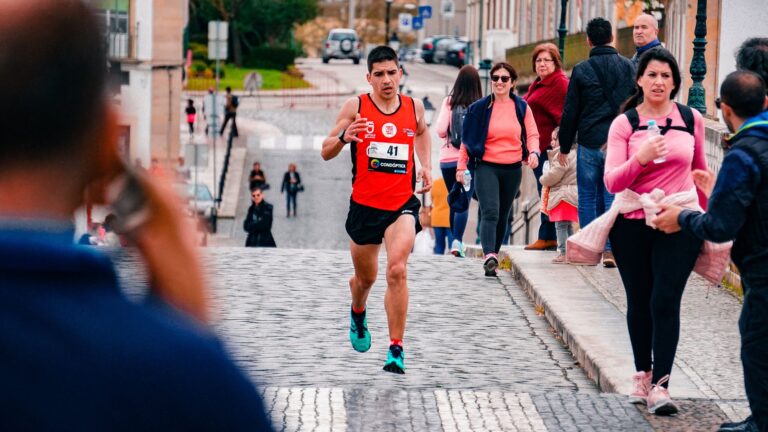
Before interval running, eat a small meal rich in easily digestible carbohydrates with a moderate amount of protein about 60 to 90 minutes beforehand. A banana with a tablespoon of peanut butter, a slice of toast with honey, or a small bowl of oatmeal will give you enough glycogen to power through high-intensity repeats without sitting heavy in your stomach. The worst thing you can do is show up to a track session on a full stomach or, just as bad, completely empty — both will wreck your performance in different ways. Interval running places unique demands on your fueling strategy compared to easy runs or long slow distance. The repeated surges to near-maximum effort mean your body pulls hard from glycogen stores while also diverting blood away from your digestive system.
A runner who can eat a burrito an hour before a steady six-miler may find that same meal causes serious distress during 800-meter repeats. This article covers the specific macronutrient balance you need before intervals, timing strategies based on meal size, foods that work well and foods to avoid, hydration considerations, and how to adjust your pre-workout nutrition when training in heat or doing early morning sessions. The goal is not complicated, but the details matter. Get the timing or food choice wrong, and you are either bonking on your fifth repeat or fighting nausea on the backstretch. Get it right, and you will notice a real difference in how you feel during the hard efforts and how quickly you recover between them.
Table of Contents
- Why Does Interval Running Require Different Pre-Run Fuel Than Easy Runs?
- How Timing Affects What You Can Get Away With
- The Best Pre-Interval Foods and What Makes Them Work
- Balancing Carbohydrates and Protein in Your Pre-Interval Meal
- Hydration Mistakes That Undermine Good Food Choices
- Adjusting Nutrition for Early Morning Interval Sessions
- Learning From Your Own Data Over Time
- Conclusion
- Frequently Asked Questions
Why Does Interval Running Require Different Pre-Run Fuel Than Easy Runs?
The fundamental difference between interval training and steady-state running comes down to energy system demands. During easy runs at conversational pace, your body relies heavily on fat oxidation and draws moderately from glycogen. During intervals — whether you are running 200-meter sprints or mile repeats — your muscles shift dramatically toward anaerobic glycolysis, burning through stored carbohydrate at a much faster rate. Research published in the Journal of Applied Physiology has shown that glycogen depletion rates during high-intensity intermittent exercise can be two to three times higher than during moderate continuous exercise of the same total duration. This means two things for your pre-run meal. First, you need adequate carbohydrate on board, because running out of glycogen mid-session will cause your pace to collapse on later repeats.
Second, the intensity itself creates a hostile environment for digestion. When you are running at 90 to 95 percent of your maximum heart rate, blood flow to the gut drops substantially as your body prioritizes the working muscles. Food that has not been sufficiently digested will sit there, causing cramping, bloating, or worse. A runner doing easy eight-minute miles can often tolerate a wider range of foods because their gut still receives reasonable blood flow at that effort level. The practical upshot is that your pre-interval meal needs to be smaller, simpler, and consumed with more careful timing than what you might eat before a standard training run. A 300-calorie snack built around simple carbohydrates is a better bet than the 600-calorie meal you might have before a long run.

How Timing Affects What You Can Get Away With
The general guideline is to eat a large meal three to four hours before intervals, a moderate snack two hours before, or a small easily digested snack 30 to 60 minutes before. However, these windows vary significantly from person to person, and the only reliable way to find your own tolerance is to experiment during lower-stakes training sessions rather than before a key workout or race. If you are eating a full meal — say, scrambled eggs with toast and fruit — you need at least two to three hours of digestion time. The protein and any fat in that meal slow gastric emptying, which is helpful for sustained energy but problematic if you hit the track too soon. On the other hand, if you only have 30 to 45 minutes, your options narrow considerably. At that point you are looking at something like a few dates, a handful of pretzels, or half a banana — foods that clear the stomach quickly and provide a rapid glucose bump.
Trying to eat a bowl of oatmeal with nuts 30 minutes before 400-meter repeats is a recipe for regret. One important caveat: if you train first thing in the morning, the rules shift. after an overnight fast, liver glycogen is partially depleted, but muscle glycogen is generally still adequate if you ate reasonably the night before. Some runners perform well fasted for shorter interval sessions of 20 to 30 minutes. Others find they fade badly without something in their system. If you are in the latter camp, a small piece of white bread with jam or a sports drink consumed 20 minutes before the warmup can be enough to bridge the gap.
The Best Pre-Interval Foods and What Makes Them Work
The ideal pre-interval food is high in simple or moderate-complexity carbohydrates, low in fat, low in fiber, and contains only a small amount of protein. White rice, white bread, bananas, applesauce, graham crackers, and pretzels all fit this profile. These foods break down quickly, deliver glucose to the bloodstream without much digestive burden, and are unlikely to cause gastrointestinal distress at high effort levels. A specific example that many competitive runners rely on: two slices of white toast with honey, eaten 75 minutes before the session, paired with eight ounces of water. This delivers roughly 250 to 300 calories, almost entirely from carbohydrate, with minimal fat or fiber.
The honey provides both glucose and fructose, which are absorbed through different intestinal transporters, allowing for slightly faster total carbohydrate delivery. Alternatively, a medium banana with a thin spread of almond butter gives you around 200 calories with a small dose of protein to blunt any blood sugar spike without meaningfully slowing digestion. Foods to avoid before intervals include anything high in fiber (beans, raw vegetables, bran cereals), high in fat (cheese, fried foods, heavy nut butters in large quantities), or known to cause individual GI issues. Dairy is a common offender — even runners who are not clinically lactose intolerant sometimes find that milk or yogurt before hard efforts causes bloating or loose stools. Spicy food is another frequent culprit. If you have never tested a food before hard running, do not try it before an important workout.
Balancing Carbohydrates and Protein in Your Pre-Interval Meal
The ratio that tends to work best for pre-interval fueling is roughly three to four grams of carbohydrate for every one gram of protein. This means if you are eating a 250-calorie snack, roughly 200 of those calories should come from carbs and around 50 from protein. That small protein contribution helps moderate the glycemic response and may reduce muscle protein breakdown during the session, but too much protein — say, a large chicken breast or a protein shake with 30 grams of whey — slows digestion and offers no additional performance benefit for a workout lasting under an hour. The tradeoff between carbohydrate types is worth understanding. Simple sugars like those in fruit, honey, or sports drinks provide the fastest available energy but can cause a blood sugar spike followed by a dip if consumed too far in advance.
Complex carbohydrates like oatmeal or whole grain bread provide more sustained energy but take longer to digest. For most interval sessions, a mix of both works well. A bowl of instant oatmeal with a drizzle of honey eaten 90 minutes out, for instance, gives you a moderate-speed carb source from the oats and a fast hit from the honey. Compared to marathon fueling, where fat adaptation and sustained energy release matter, interval pre-fueling is more about having accessible glycogen and an empty enough stomach to tolerate hard effort. You do not need to worry about calories per hour or carrying gels. The session is short enough — typically 30 to 60 minutes of actual work — that a single well-timed snack handles the job.
Hydration Mistakes That Undermine Good Food Choices
Even with perfect food timing and selection, poor hydration can torpedo an interval session. Starting a high-intensity workout even mildly dehydrated — a deficit of just two percent of body weight — has been shown to reduce performance in repeated sprint efforts. But the mistake many runners make is trying to fix the problem by drinking too much water in the hour before the workout, which can cause sloshing, bloating, and the urgent need for a bathroom mid-set. The better approach is to hydrate consistently throughout the day and then consume six to eight ounces of water about 30 minutes before your warmup. If you are training in hot conditions or tend to be a heavy sweater, adding an electrolyte tablet or a pinch of salt to that water helps with fluid retention.
Avoid chugging 16 ounces right before you start — your body cannot absorb it that quickly, and it will sit in your stomach during those first few hard repeats. One limitation to note: there is no universal hydration formula that works for every runner. Sweat rates range from roughly 0.5 liters to over 2.5 liters per hour depending on body size, fitness, heat acclimation, and genetics. A 130-pound runner in cool weather has very different needs than a 190-pound runner in July humidity. The color of your urine before the session is a crude but useful gauge — pale yellow means you are adequately hydrated, dark yellow means you need more fluid, and completely clear may actually indicate overhydration.

Adjusting Nutrition for Early Morning Interval Sessions
Early morning intervals present a specific challenge because most runners cannot wake up three hours early to eat a full meal. The practical solution is twofold: eat a carbohydrate-rich dinner the night before to ensure muscle glycogen is topped off, then consume a small fast-digesting snack 15 to 30 minutes before the workout. Something as minimal as a few swigs of apple juice or a single medjool date can provide enough blood glucose to sharpen your effort without requiring real digestion.
Some competitive runners — including several professional middle-distance athletes — have reported using flat cola or defizzed ginger ale as a pre-morning-session fuel. It sounds odd, but the combination of simple sugar, water, and a small amount of caffeine checks several boxes at once. This is not a universally recommended strategy, and the sugar content of soda makes it a poor everyday choice, but it illustrates how narrow the real requirement is: you need a small amount of fast carbohydrate and adequate fluid, and the delivery vehicle matters less than the timing.
Learning From Your Own Data Over Time
The most useful thing you can do beyond following general guidelines is to keep brief notes on what you ate, when you ate it, and how you felt during your intervals. After a few weeks, patterns emerge that no article can predict for you. You may find that you perform best with rice cakes 90 minutes out, or that you are one of those runners who does fine completely fasted for anything under 40 minutes. These individual differences are real and well-documented in sports nutrition research — a 2019 study in the International Journal of Sport Nutrition and Exercise Metabolism found wide variability in GI tolerance among endurance athletes even when consuming identical foods and quantities.
As your training evolves — moving from base-building phases with fewer intervals to sharpening phases with more — your fueling needs may shift too. Higher volume interval blocks demand more total carbohydrate intake across the day, not just in the pre-run window. Pay attention to how you feel on the last few repeats of a session, because that is where inadequate fueling reveals itself most clearly. If you are consistently fading hard at the end, the issue may not be fitness but fuel.
Conclusion
Eating before interval running comes down to a few reliable principles: choose easily digestible carbohydrates, keep fat and fiber low, time your intake based on meal size, and stay hydrated without overdoing it right before you start. A 200 to 300 calorie snack eaten 60 to 90 minutes before the session covers most runners most of the time. White toast with honey, a banana, rice cakes, or oatmeal made with water are all proven options that thousands of runners rely on.
Beyond these basics, the individual work is what separates runners who dread intervals from those who show up feeling sharp. Test foods during lower-priority sessions, take mental or written notes on what works, and respect the fact that your body’s tolerance may differ from what a training partner or online guide suggests. Nutrition is not the most glamorous part of run training, but getting it right for your hard sessions removes a variable that can quietly hold your performance back for months.
Frequently Asked Questions
Can I do interval training on an empty stomach?
For shorter sessions under 30 minutes, some runners perform fine in a fasted state, especially if they ate a carbohydrate-rich meal the evening before. However, most athletes notice a decline in power output during later repeats without any pre-run fuel, particularly for sessions involving six or more high-intensity efforts.
Is a protein shake a good pre-interval snack?
Generally no. Protein shakes, especially those with 25 or more grams of protein, digest slowly and can cause stomach discomfort during hard running. If you want some protein, keep it under 10 grams and pair it with a larger portion of simple carbohydrates.
How much should I eat before interval training?
Most runners do well with 200 to 300 calories consumed 60 to 90 minutes before the session. If your last full meal was within three hours, you may not need an additional snack at all. Eating more than 400 calories within 90 minutes of hard intervals increases the risk of GI distress significantly.
Should I use a sports drink instead of food before intervals?
Sports drinks work well as a quick fuel source, particularly for early morning sessions when solid food feels unappealing. A standard sports drink provides about 25 to 35 grams of carbohydrate per 16-ounce serving, which is adequate for most interval sessions under an hour.
What if I get side stitches during intervals despite eating early enough?
Side stitches are often linked to specific foods rather than timing alone. High-fat and high-fiber foods are common triggers. Try switching to simpler carbohydrate sources like white bread or pretzels. Breathing patterns and core stability also play a role, so the issue may not be entirely nutritional.
Does caffeine help before interval sessions?
Caffeine has strong evidence supporting its use for high-intensity exercise performance. A dose of three to six milligrams per kilogram of body weight taken 30 to 60 minutes before the session can improve power output and reduce perceived effort. However, caffeine can also increase gut motility, so test your tolerance during easier training first.