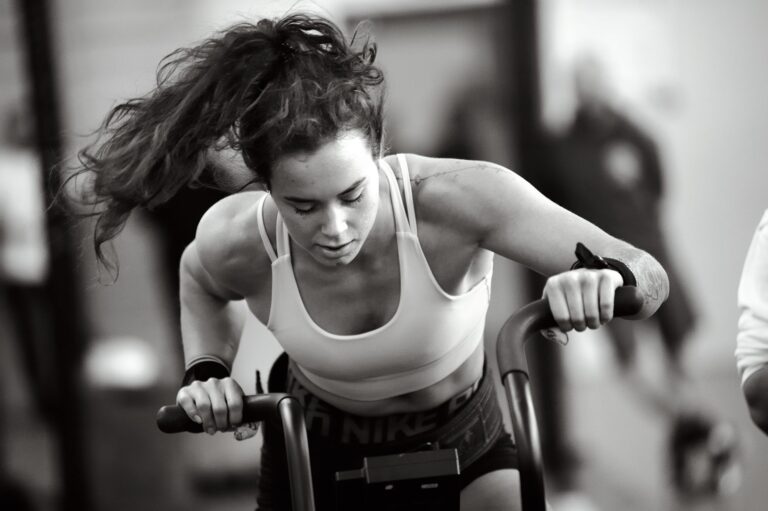
Regular cardiovascular exercise significantly improves sleep quality in adults over 50, with research showing that consistent aerobic activity can reduce the time it takes to fall asleep by up to 55 percent and increase total sleep duration by 30 to 60 minutes per night. The mechanism is straightforward: cardio elevates core body temperature during exercise, and the subsequent cooling process several hours later triggers drowsiness and promotes deeper sleep stages. For a 62-year-old who started walking briskly for 30 minutes each morning, the difference might mean falling asleep in 15 minutes instead of 45, experiencing fewer middle-of-the-night awakenings, and waking up feeling genuinely rested rather than groggy.
This relationship between cardiovascular fitness and sleep becomes increasingly important with age because sleep architecture naturally deteriorates over time. Older adults spend less time in slow-wave deep sleep, experience more fragmented rest, and often struggle with early morning waking. Cardio exercise doesn’t just mask these problems; it appears to partially reverse them by influencing circadian rhythm regulation, reducing anxiety and depression that interfere with sleep, and promoting the release of adenosine, a chemical that builds sleep pressure throughout the day. This article examines the specific types of cardio most effective for sleep improvement, optimal timing for exercise, potential pitfalls that can backfire on sleep quality, and how to adjust your approach based on individual health conditions common in aging populations.
Table of Contents
- How Does Cardiovascular Exercise Affect Sleep Cycles in Older Adults?
- The Best Types of Cardio for Sleep Enhancement in Aging Populations
- Timing Your Cardio: When Exercise Helps or Hurts Sleep
- Creating a Sleep-Supportive Cardio Routine After 50
- When Cardio Can Worsen Sleep: Common Pitfalls for Older Exercisers
- The Connection Between Cardio, Sleep Apnea, and Aging
- Long-Term Cardiovascular Fitness and Sleep Quality Through the Decades
- Conclusion
How Does Cardiovascular Exercise Affect Sleep Cycles in Older Adults?
The sleep improvements from cardio stem from multiple physiological pathways that work together. When you engage in sustained aerobic activity, your body releases endorphins that reduce stress hormones like cortisol, which is notorious for keeping people awake at night. Simultaneously, cardio promotes the natural production of melatonin, the hormone that regulates your sleep-wake cycle. Studies from the Journal of Clinical Sleep Medicine found that adults aged 55 to 79 who exercised aerobically four times per week for 16 weeks showed significant increases in sleep quality scores, with the most dramatic improvements in those who had the poorest sleep at baseline. The effects on sleep architecture are particularly notable.
Older adults who maintain cardiovascular fitness spend more time in slow-wave sleep, the deepest and most restorative phase. This is the stage where tissue repair occurs, immune function strengthens, and memory consolidation happens. A comparison between sedentary and moderately active adults over 60 reveals that active individuals often get 20 to 30 percent more slow-wave sleep per night. However, these benefits don’t appear overnight. Most research indicates that meaningful sleep improvements require at least four to six weeks of consistent aerobic exercise. Someone expecting immediate results after a single week of walking may become discouraged and quit before the physiological adaptations take hold.
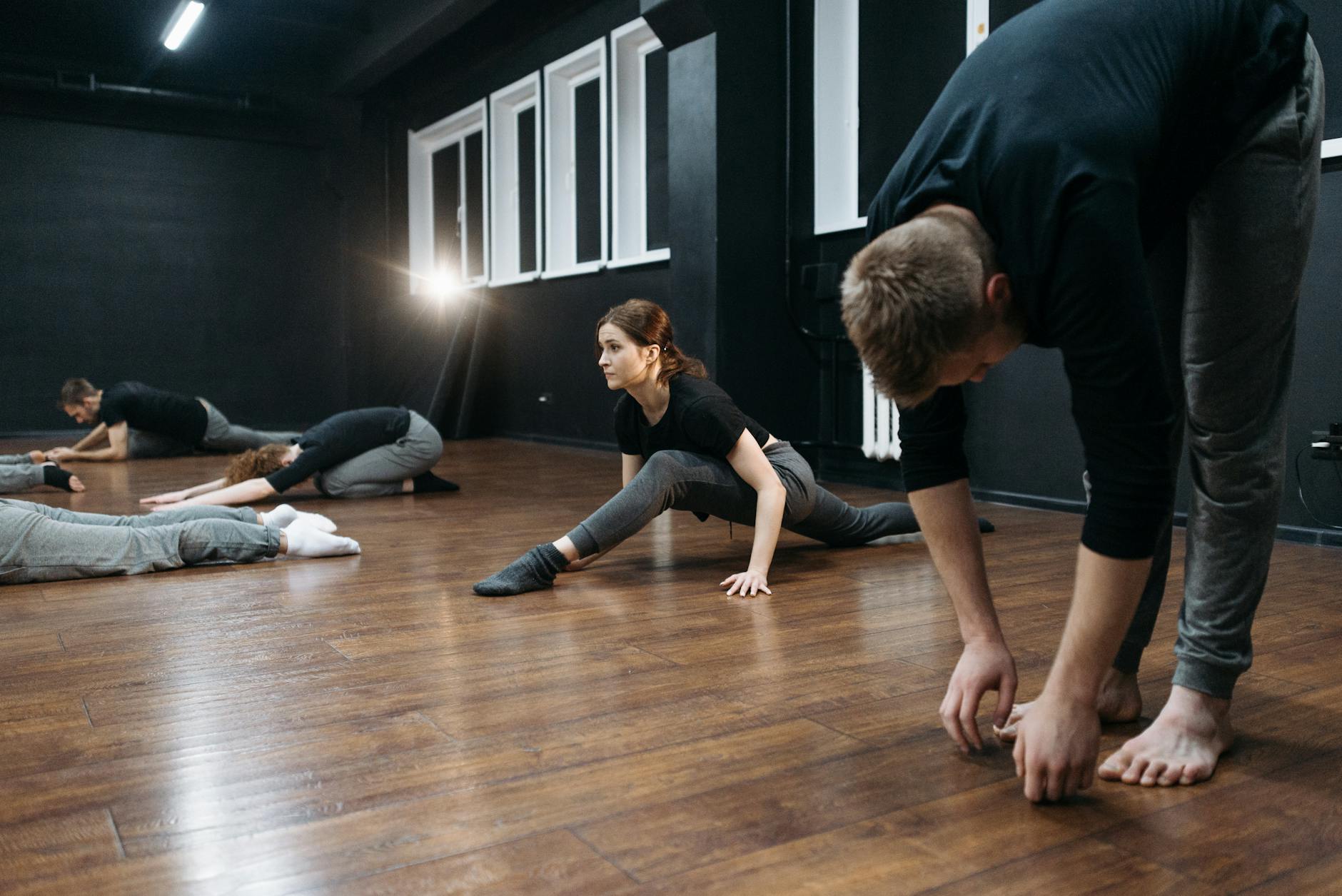
The Best Types of Cardio for Sleep Enhancement in Aging Populations
Not all cardiovascular exercise produces equal sleep benefits, and intensity matters more than many people realize. Moderate-intensity aerobic exercise, defined as activity that elevates heart rate to 50 to 70 percent of maximum, appears most effective for sleep improvement. This includes brisk walking, cycling on flat terrain, swimming at a comfortable pace, or using an elliptical machine. A 2019 study published in Sleep Medicine Reviews found that moderate aerobic exercise improved sleep quality more consistently than either light activity or high-intensity interval training in adults over 55. Walking remains the most accessible and well-studied option.
Research from the National Sleep Foundation showed that older adults who walked at least 150 minutes per week reported 65 percent fewer complaints about daytime sleepiness compared to non-walkers. Swimming offers an alternative that reduces joint stress while providing the thermal regulation benefits crucial for sleep; the body’s cooling process after exiting the pool can enhance evening drowsiness. High-intensity exercise presents a more complicated picture. While it offers cardiovascular benefits, vigorous activity within four hours of bedtime can elevate cortisol and adrenaline levels that interfere with falling asleep. If your schedule only allows evening workouts, moderate-intensity cardio is the safer choice for protecting sleep quality.
Timing Your Cardio: When Exercise Helps or Hurts Sleep
Exercise timing can make the difference between sleep improvement and sleep disruption, particularly for older adults whose circadian rhythms may already be shifted earlier. Morning cardio sessions, performed between 7 and 10 a.m., appear to produce the most reliable sleep benefits. Early exercise reinforces the natural cortisol awakening response, helps anchor circadian rhythms, and provides the maximum gap between the post-exercise temperature peak and bedtime cooling. Afternoon exercise, roughly between 1 and 5 p.m., also works well for most people. Body temperature naturally peaks in late afternoon, and exercise during this window can enhance that peak, leading to a more pronounced temperature drop during evening hours.
For someone who struggles with the post-lunch energy slump, a 3 p.m. walk or bike ride can maintain alertness during the day while still supporting nighttime sleep. Evening exercise requires more caution. While some individuals tolerate late-day workouts without sleep disruption, research indicates that vigorous cardio within three hours of bedtime can delay sleep onset by 30 minutes or more in adults over 50. The exception is gentle activities like slow walking or stretching, which may actually promote relaxation. If you’re an evening exerciser experiencing sleep difficulties, experiment with moving your workout earlier by even 90 minutes and track whether your sleep improves over two weeks.

Creating a Sleep-Supportive Cardio Routine After 50
Building a sustainable cardio routine that enhances sleep requires balancing consistency with recovery, especially as the body’s ability to bounce back from exercise diminishes with age. The most effective approach starts with three to four cardio sessions per week, each lasting 20 to 40 minutes at moderate intensity. This frequency provides enough stimulus for sleep benefits without accumulating fatigue that can paradoxically worsen rest. A practical weekly schedule might include Monday, Wednesday, and Friday morning walks of 30 minutes each, with an optional Saturday swim or bike ride. Compare this to the common mistake of weekend-warrior exercise, where someone does nothing Monday through Friday then attempts a two-hour Saturday hike.
This erratic pattern fails to establish the consistent circadian signals that promote good sleep and often results in muscle soreness and fatigue that disrupt the following week’s rest. The tradeoff between exercise volume and sleep quality deserves attention. More is not always better. Adults who increase their cardio too aggressively often experience a temporary worsening of sleep as their bodies struggle to recover. This is especially true for those new to exercise or returning after a long break. Gradual progression, adding no more than 10 percent weekly to duration or intensity, protects against this recovery-debt phenomenon.
When Cardio Can Worsen Sleep: Common Pitfalls for Older Exercisers
Despite its general benefits, cardiovascular exercise can undermine sleep under specific circumstances that older adults should recognize. Overtraining is the most common culprit. When exercise volume or intensity exceeds recovery capacity, the body remains in a stress state characterized by elevated resting heart rate, increased nighttime cortisol, and fragmented sleep. Warning signs include taking longer than usual to fall asleep after establishing a good routine, waking unrested despite adequate time in bed, and feeling worse rather than better as exercise continues. Medical conditions common in aging populations can also complicate the cardio-sleep relationship. Adults with heart failure may experience increased sleep-disordered breathing after exercise.
Those with arthritis might find that too much impact activity creates joint pain that disrupts sleep. Individuals taking beta-blockers for blood pressure may have blunted exercise responses that require different intensity targets. Caffeine use around exercise presents another hidden problem. Many older adults consume coffee or pre-workout beverages to enhance performance, not realizing that caffeine’s half-life extends with age. What cleared the system by bedtime at age 30 may linger until midnight at age 65. If you rely on caffeine for morning workouts, be aware that even early-day consumption can affect sleep in sensitive individuals, and this sensitivity often increases with age.

The Connection Between Cardio, Sleep Apnea, and Aging
Sleep apnea affects an estimated 30 to 50 percent of adults over 65, and cardiovascular exercise plays a complex role in this condition. Regular aerobic activity helps reduce the severity of obstructive sleep apnea, primarily through weight management and improved upper airway muscle tone.
A study from the American Journal of Respiratory and Critical Care Medicine found that 12 weeks of moderate aerobic exercise reduced apnea-hypopnea index scores by approximately 25 percent, even in participants who didn’t lose significant weight. Consider an example: a 67-year-old man with moderate sleep apnea who begins a cycling program might notice reduced snoring and fewer breathing interruptions within two months, even before seeing substantial changes on the scale. The cardiovascular exercise appears to reduce fluid accumulation in the neck and improve the neural control of throat muscles during sleep.
Long-Term Cardiovascular Fitness and Sleep Quality Through the Decades
Maintaining cardio fitness over the long term creates cumulative sleep protection that becomes increasingly valuable with advancing age. Adults who remain consistently active through their 50s, 60s, and 70s show slower rates of sleep architecture deterioration compared to those who become sedentary. A longitudinal study tracking exercise habits and sleep quality found that adults who maintained moderate cardio activity throughout their 60s reported sleep quality in their 70s comparable to sedentary individuals a decade younger.
The forward-looking perspective here is promising. As the population ages and sleep disorders become more prevalent, non-pharmacological interventions like structured cardio programs are gaining recognition in clinical settings. Some sleep medicine specialists now prescribe specific exercise protocols before turning to medications, recognizing that the benefits extend beyond sleep to include reduced cardiovascular disease risk, better cognitive function, and improved mood, all of which create a positive feedback loop supporting even better rest.
Conclusion
Cardiovascular exercise stands as one of the most effective and underutilized tools for improving sleep quality in aging adults. The benefits span from reduced time to fall asleep through increased deep sleep stages to fewer nighttime awakenings. Moderate-intensity activities like brisk walking, cycling, and swimming performed consistently three to four times per week deliver the most reliable results, with morning and afternoon timing preferable to late-evening sessions.
Success requires patience, appropriate pacing, and attention to individual factors including medications, underlying health conditions, and recovery capacity. Starting with modest goals, tracking sleep quality over at least four to six weeks, and adjusting based on results allows older adults to find the cardio approach that works for their specific situation. The investment pays dividends not just in sleep but across multiple dimensions of health that matter as the years accumulate.