
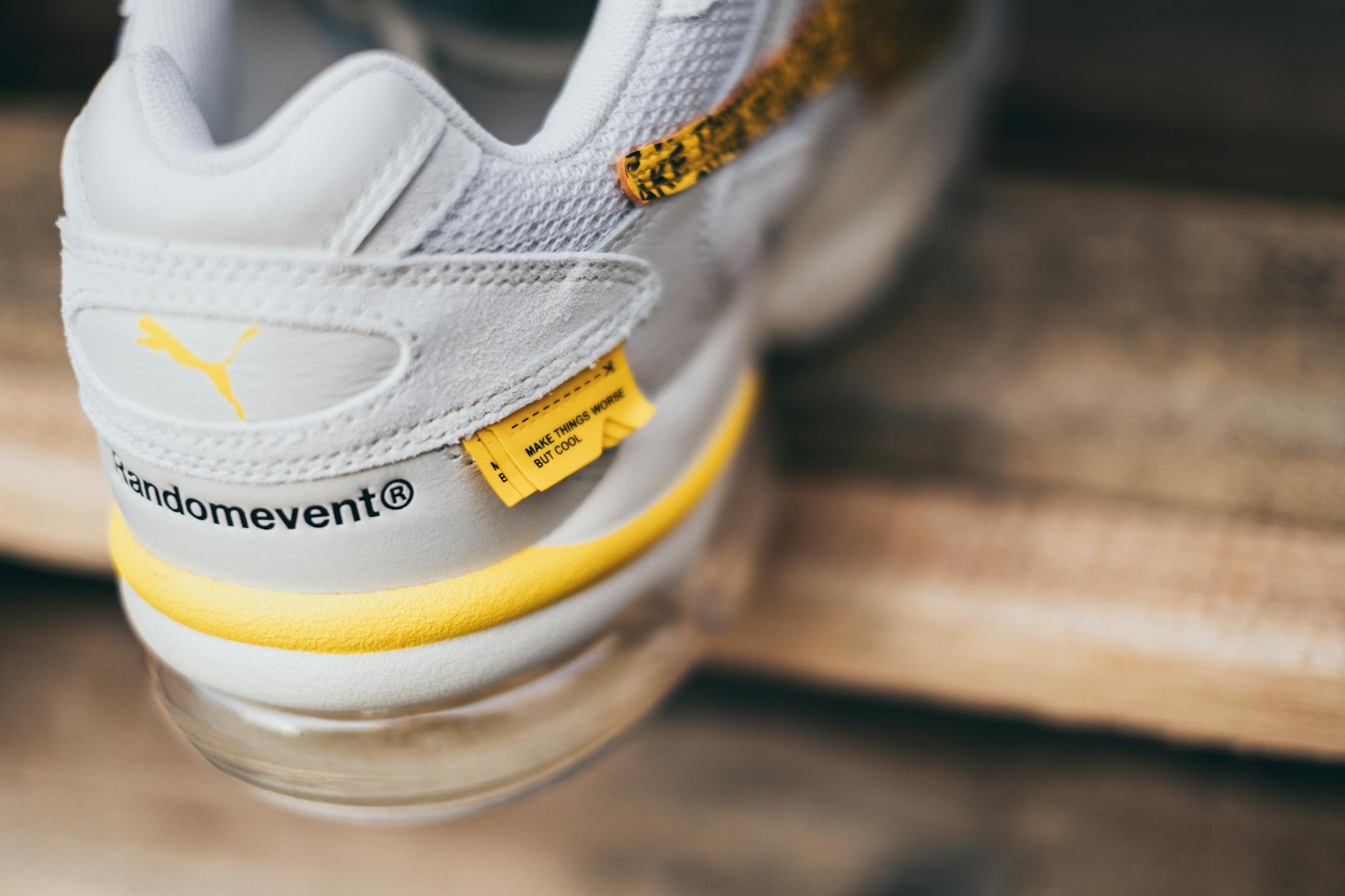
Finding the top cushioned max-cushion shoes for treadmill comfort can transform an ordinary indoor running session into a genuinely enjoyable experience that protects joints and extends training longevity. The repetitive nature of treadmill running places unique demands on footwear, with the consistent belt surface creating a distinct impact pattern that differs significantly from outdoor terrain. Unlike trail or road running where natural variations in surface help distribute stress across different muscle groups and joints, treadmill running delivers the same impact angle and force with every single footstrike, making superior cushioning not merely a comfort preference but a genuine injury prevention strategy. The treadmill running population has grown substantially over the past decade, with an estimated 50 million Americans using treadmills regularly for cardiovascular exercise. This surge in indoor running has prompted footwear manufacturers to develop increasingly sophisticated cushioning technologies specifically engineered for the demands of belt running.
Max-cushion shoes, typically featuring stack heights between 30mm and 40mm or more, incorporate advanced foam compounds, geometric midsole designs, and strategic placement of softer and firmer materials to absorb shock while maintaining responsiveness. Understanding how these technologies interact with treadmill running biomechanics helps runners select footwear that genuinely addresses their specific needs rather than simply choosing the thickest option available. This comprehensive guide examines what makes certain cushioned shoes excel on treadmills, how to identify quality max-cushion options, and what factors deserve consideration when matching footwear to individual running patterns. By the end, readers will understand the science behind modern cushioning technology, recognize which features matter most for treadmill use, and possess the knowledge needed to make informed purchasing decisions. Whether training for a marathon, recovering from injury, or simply seeking a more comfortable daily running experience, selecting appropriate max-cushion footwear represents one of the most impactful equipment choices a treadmill runner can make.
Table of Contents
- Why Do Runners Need Max-Cushion Shoes for Treadmill Running?
- Understanding Cushioning Technology in Modern Running Shoes
- Key Features of Treadmill-Specific Cushioned Footwear
- How to Choose the Best Max-Cushion Shoes for Your Treadmill Workouts
- Common Mistakes When Selecting Cushioned Treadmill Running Shoes
- Maintaining Max-Cushion Shoes for Extended Treadmill Performance
- How to Prepare
- How to Apply This
- Expert Tips
- Conclusion
- Frequently Asked Questions
Why Do Runners Need Max-Cushion Shoes for Treadmill Running?
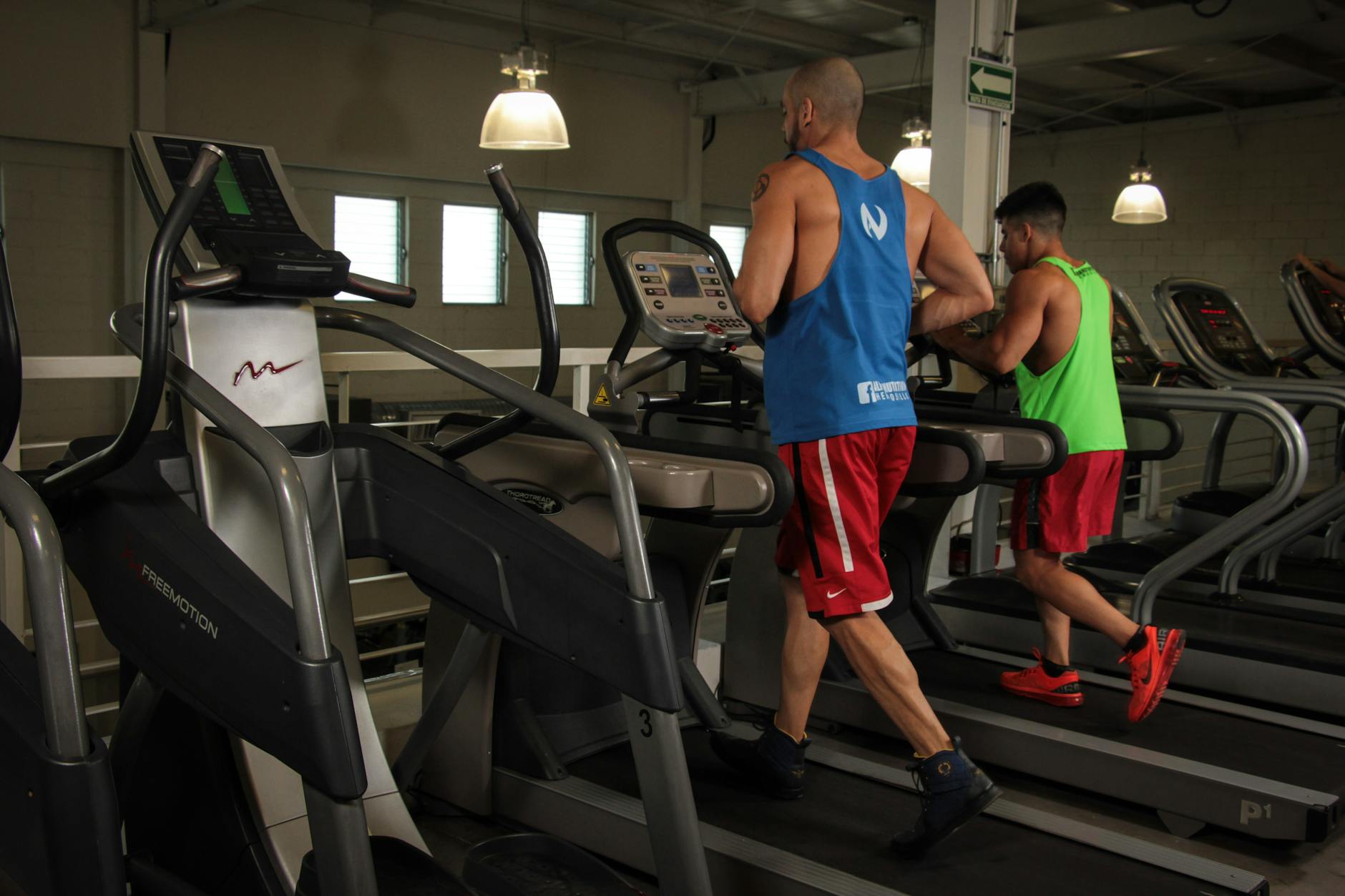
The biomechanical demands of treadmill running create a compelling case for enhanced cushioning that many runners underestimate. When running on a treadmill, the belt moves beneath the foot rather than the foot traveling across a stationary surface, subtly altering the landing mechanics and ground contact patterns. Research published in the Journal of Sports Sciences found that treadmill running typically produces 2-3% less vertical ground reaction force than overground running at equivalent speeds, but this small reduction becomes meaningless when considering that treadmill runners often log significantly more consecutive footstrikes without the natural breaks that outdoor terrain provides. A 45-minute treadmill session at moderate pace generates approximately 5,000-6,000 footstrikes, each delivering forces equal to 2.5-3 times body weight through the same impact zones.
Max-cushion shoes address this repetitive stress through multiple mechanisms beyond simple padding thickness. Modern max-cushion platforms typically employ dual-density or multi-density foam constructions that provide initial softness at ground contact while offering deeper, firmer support to prevent complete compression during the stance phase. This layered approach prevents the “bottoming out” sensation that occurs when cushioning fully compresses, a common problem with budget max-cushion shoes that rely on single-density foams. The geometric design of the midsole also contributes significantly, with rocker profiles and beveled heel sections helping facilitate smooth heel-to-toe transitions that reduce the braking forces associated with each landing.
- **Joint protection during extended sessions** – The knees, hips, and lower back absorb cumulative stress during treadmill running that max-cushion shoes help dissipate before it reaches sensitive structures
- **Reduced muscle fatigue in lower legs** – Adequate cushioning decreases the eccentric loading on calf muscles and Achilles tendons, allowing runners to maintain proper form longer into workouts
- **Enhanced proprioceptive feedback** – Quality max-cushion designs maintain ground feel despite increased stack height, helping runners maintain natural gait patterns rather than compensating for uncertain footing
Understanding Cushioning Technology in Modern Running Shoes
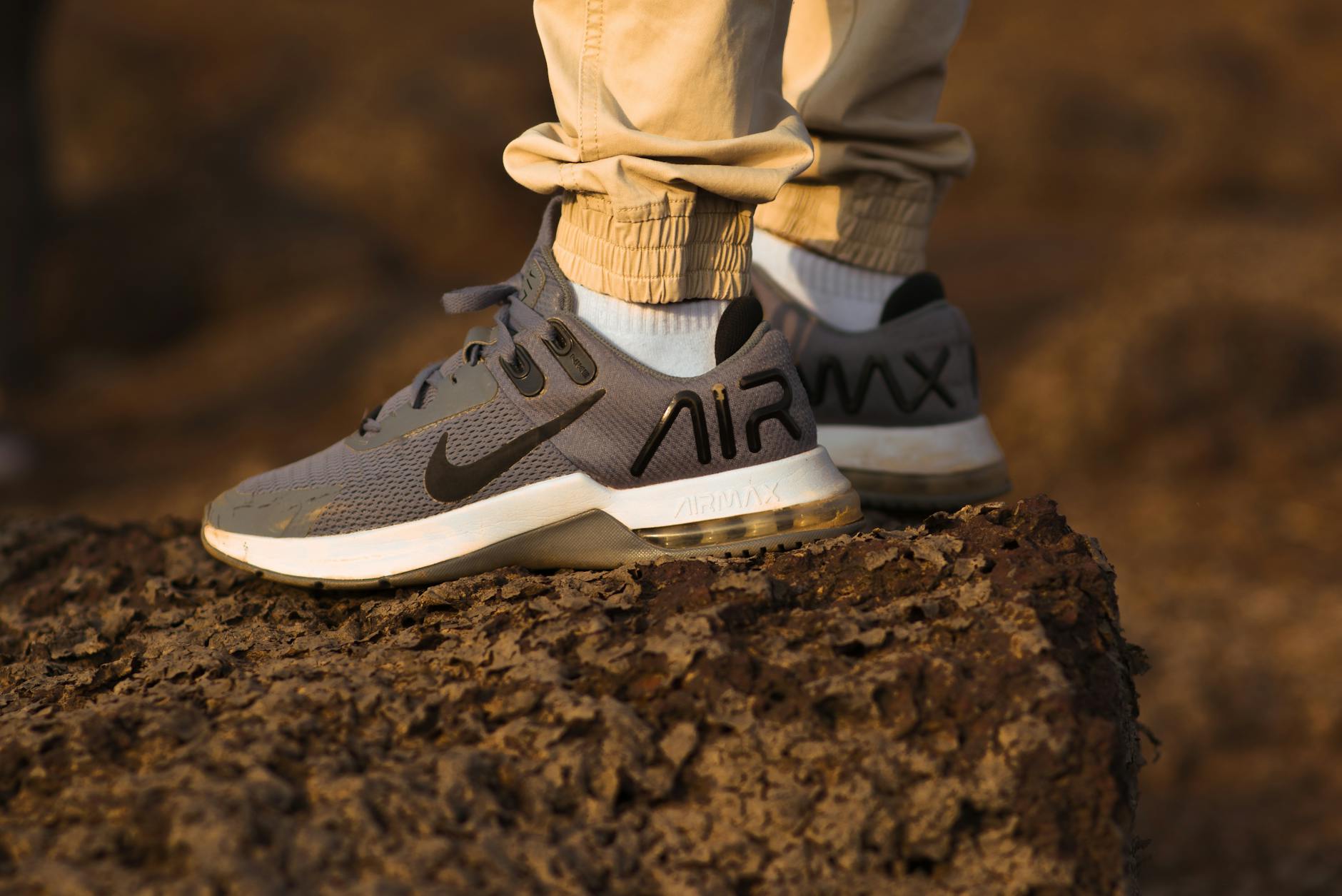
The cushioning landscape has evolved dramatically since the introduction of basic EVA foam midsoles in the 1970s, with contemporary max-cushion shoes featuring proprietary compounds that would have seemed impossible just a decade ago. most major manufacturers now utilize some form of nitrogen-infused or supercritical foam technology, creating materials that offer 15-30% more energy return than traditional EVA while maintaining equivalent or superior impact absorption. HOKA pioneered the max-cushion category in 2009 with their oversized midsole designs, but brands including Brooks, New Balance, Saucony, and Nike have since developed competing technologies that approach cushioning from different engineering perspectives. The primary foam compounds dominating the max-cushion market each offer distinct performance characteristics worth understanding.
TPU-based foams like Adidas Boost and Saucony PWRRUN+ deliver exceptional energy return but tend to feel firmer initially and perform best at faster paces. PEBA-based superfoams including Nike ZoomX and Saucony PWRRUN PB provide lighter weight with excellent responsiveness but carry premium price points and may compress more quickly over high mileage. Traditional EVA-derivative foams in shoes like Brooks Glycerin or ASICS Gel-Nimbus offer predictable, durable cushioning at more accessible prices, though they typically weigh more and provide less energy return than newer compounds. Understanding these distinctions helps runners match cushioning technology to their specific treadmill training needs.
- **Stack height measurements** – Max-cushion shoes typically feature heel stack heights of 32mm or greater, with some models exceeding 40mm, though treadmill runners should note that excessive height can reduce stability on the moving belt surface
- **Durometer ratings** – Foam firmness measured on the Asker C scale typically ranges from 30-45 for max-cushion midsoles, with lower numbers indicating softer initial feel
- **Energy return percentages** – Laboratory testing shows top superfoams returning 85-90% of impact energy, compared to 55-65% for traditional EVA compounds
Key Features of Treadmill-Specific Cushioned Footwear
While no major manufacturer produces shoes exclusively designed for treadmill use, certain features prove particularly valuable for belt running that buyers should prioritize during selection. Breathability ranks among the most critical treadmill-specific considerations, as indoor running typically occurs in climate-controlled environments where sweat accumulation exceeds outdoor conditions. The absence of wind cooling during treadmill running means feet generate and retain more heat, making engineered mesh uppers with strategic ventilation zones essential for maintaining comfort during longer sessions. Shoes with dense, unperforated toe boxes or waterproof membranes designed for trail running perform poorly on treadmills regardless of their cushioning quality.
The outsole design of max-cushion treadmill shoes deserves careful attention despite the seemingly uniform belt surface. Treadmill belts create a consistent friction environment that differs from asphalt or concrete, and shoes with aggressive lug patterns designed for trail traction often feel unstable or produce uncomfortable pressure points during indoor running. Flat, low-profile outsole patterns with moderate rubber coverage strike the optimal balance, providing sufficient grip without excessive weight or awkward surface interaction. Some runners prefer shoes with minimal outsole rubber coverage for treadmill use, reasoning that the belt surface generates less abrasion than outdoor running, though this approach may compromise durability for those who alternate between indoor and outdoor training.
- **Heel-toe drop considerations** – Standard 8-12mm drops suit most treadmill runners, while zero-drop options require gradual adaptation to avoid Achilles strain from the flat belt surface
- **Upper construction and lockdown** – Secure heel counters and midfoot saddles prevent internal foot movement that becomes amplified during the repetitive motion of treadmill running
- **Tongue and collar padding** – Adequate cushioning in these areas prevents friction irritation during extended sessions where foot swelling gradually increases
How to Choose the Best Max-Cushion Shoes for Your Treadmill Workouts
Selecting appropriate max-cushion footwear requires honest assessment of individual running characteristics, training patterns, and biomechanical tendencies. Body weight represents a fundamental consideration often overlooked in general shoe recommendations, as runners exceeding 180 pounds typically benefit from firmer, more supportive max-cushion platforms that resist compression, while lighter runners can exploit softer foams without experiencing instability. Running speed and cadence similarly influence optimal cushioning selection, with faster runners often preferring slightly firmer, more responsive max-cushion options that facilitate quick ground contact, while easy-pace joggers may prioritize maximum softness for pure comfort during zone-two training.
Foot strike pattern analysis provides essential information for matching cushioning distribution to individual needs. Heel strikers benefit most from max-cushion designs with robust rearfoot padding and smooth heel bevels that facilitate the transition to midstance, while midfoot strikers may find such designs unnecessary and prefer shoes with more uniform cushioning distribution. Most treadmill runners land with a heel strike at conversational paces due to the belt’s movement pattern, making generous heel cushioning valuable for the majority of indoor training applications. Gait analysis services offered by specialty running stores can identify strike patterns and pronation tendencies, though simple wet footprint tests and wear pattern examination on current shoes provide useful preliminary information.
- **Matching cushion level to training intensity** – Reserve maximum cushioning for easy and recovery runs, considering slightly firmer options for tempo or interval work on the treadmill
- **Pronation and stability requirements** – Overpronators should seek max-cushion shoes with medial post support or guidance rails rather than assuming neutral cushioned options will suffice
- **Break-in period expectations** – Quality max-cushion foams typically require 20-30 miles before reaching optimal performance characteristics, so initial runs may feel different than expected
Common Mistakes When Selecting Cushioned Treadmill Running Shoes
Even experienced runners frequently make preventable errors when choosing max-cushion footwear for treadmill use, leading to discomfort, injury, or premature shoe replacement. The most common mistake involves selecting shoes based solely on cushioning softness without considering stability requirements, resulting in wobbly, inefficient running mechanics that negate the protective benefits of the cushioning itself. Max-cushion shoes with excessive softness and inadequate midsole geometry can actually increase injury risk by allowing excessive foot motion within the shoe or creating unstable landing platforms that force compensatory muscle activation patterns. Runners should seek cushioning that feels supportive and controlled rather than merely soft.
Size selection errors plague max-cushion shoe purchases more than other categories due to the substantial midsole heights and the swelling that occurs during treadmill running. Feet typically expand by half a size or more during extended treadmill sessions due to heat and blood flow, and the elevated platform of max-cushion shoes amplifies the consequences of inadequate toe box room. Runners should fit max-cushion treadmill shoes in the afternoon or evening when feet have naturally expanded and should ensure a full thumbnail’s width between the longest toe and the shoe end. Purchasing based on brand size rather than actual fit measurement leads to countless cases of black toenails, numbness, and blisters that proper sizing would prevent.
- **Ignoring weight considerations** – Heavy max-cushion shoes can alter running mechanics and increase fatigue, making weight-to-cushioning ratio an important evaluation factor
- **Overestimating durability** – Max-cushion midsoles typically require replacement every 300-400 miles as foam compounds lose resilience, earlier than many runners expect
- **Neglecting the importance of testing** – Brief in-store jogs cannot replicate treadmill conditions, making generous return policies essential for confirming appropriate selection
Maintaining Max-Cushion Shoes for Extended Treadmill Performance
Proper care extends the functional lifespan of max-cushion treadmill shoes and maintains consistent performance characteristics throughout their use cycle. The foam compounds in modern max-cushion midsoles require recovery time between sessions to fully rebound from compression, making shoe rotation the single most effective maintenance strategy. Runners who use the same pair for consecutive daily sessions accelerate foam degradation by approximately 25-30% compared to those who alternate between two or more pairs, effectively making a two-shoe rotation less expensive than single-shoe use over time. This rotation strategy proves particularly valuable for treadmill runners who train frequently, as the consistent surface eliminates the natural recovery breaks that varied outdoor terrain provides.
Cleaning and storage practices significantly impact max-cushion shoe longevity, especially given the sweat accumulation inherent to treadmill running. Removing insoles after each session and allowing shoes to air dry in well-ventilated areas prevents the bacterial growth and material breakdown that moisture accelerates. Stuffing shoes with newspaper or using dedicated shoe dryers speeds drying while maintaining proper shape, important considerations for max-cushion designs where midsole integrity depends on consistent upper support. Avoid machine washing, which can damage foam compounds and adhesives, instead using gentle brush cleaning with mild soap and water when surface cleaning becomes necessary.
How to Prepare
- **Assess current running patterns and needs** – Document typical weekly treadmill mileage, preferred pace ranges, any current discomfort or injury concerns, and existing shoe preferences to establish baseline requirements before shopping. This self-assessment prevents impulsive purchases based on marketing claims or peer recommendations that may not align with individual circumstances.
- **Research cushioning technologies and brand options** – Spend time understanding the foam compounds, geometric features, and design philosophies of major max-cushion offerings before visiting stores or placing online orders. Reading professional reviews and user feedback for shoes under consideration helps identify potential fit issues or performance characteristics that specifications alone cannot reveal.
- **Get properly measured and analyzed** – Visit a specialty running store for accurate foot measurement including length, width, and arch characteristics, ideally with gait analysis on a treadmill if available. Many runners wear incorrect sizes due to measurements taken years earlier, and max-cushion shoes amplify the consequences of poor fit.
- **Plan for an adjustment period** – Schedule the transition to new max-cushion shoes during a reduced-intensity training week, beginning with shorter treadmill sessions of 20-30 minutes before progressing to normal training loads. The altered ground feel and platform height require neuromuscular adaptation that rushing can compromise.
- **Establish rotation and replacement protocols** – Purchase with the expectation of developing a multi-shoe rotation and set calendar reminders for mileage-based replacement assessment. Tracking cumulative miles through apps or training logs prevents running on degraded cushioning that provides false confidence about impact protection.
How to Apply This
- **Start with easy-paced sessions** – Begin using new max-cushion shoes during comfortable, conversational-pace treadmill runs where form remains natural and the altered ground feel can be properly assessed without the distraction of performance demands.
- **Monitor for unusual discomfort or gait changes** – Pay attention to any new pressure points, instability sensations, or compensatory movements during the first several weeks of use, addressing fit or selection issues before they develop into injury patterns.
- **Gradually incorporate varied workouts** – After establishing comfort at easy paces, progressively include tempo segments and interval work on the treadmill to confirm the cushioning performs appropriately across the full range of intended training intensities.
- **Compare performance metrics over time** – Use treadmill data and perceived exertion ratings to evaluate whether the new cushioning positively impacts training quality, making note of any improvements in comfort duration, post-run recovery, or workout consistency.
Expert Tips
- **Test shoes late in the day when feet have expanded** – Foot volume increases by 5-8% throughout the day due to gravity and activity, and testing max-cushion shoes when feet are at their largest prevents sizing errors that become apparent only during extended treadmill sessions.
- **Consider heel counter stiffness for stability** – Max-cushion shoes with overly soft heel counters allow excessive rearfoot movement that compromises the cushioning benefits, so prioritize models with structured heel support despite the focus on soft foam elsewhere.
- **Evaluate rocker geometry for your stride** – Aggressive rocker profiles that facilitate forward momentum outdoors may feel unnatural on treadmills where the belt provides this motion assistance, making moderate or minimal rocker designs often preferable for indoor running.
- **Account for treadmill incline training** – Runners who frequently use incline settings should ensure their max-cushion shoes provide adequate forefoot flexibility and toe box room, as uphill simulation increases forefoot loading and toe extension requirements.
- **Trust the cushioning rather than fighting it** – Runners transitioning from minimal or traditional shoes often unconsciously tense lower leg muscles as compensation for the unfamiliar ground feel, undermining the relaxed, efficient running that max-cushion designs enable.
Conclusion
The search for top cushioned max-cushion shoes for treadmill comfort ultimately comes down to matching advanced footwear technology with individual biomechanical needs and training patterns. Understanding the science behind modern cushioning compounds, recognizing which features matter most for indoor running, and avoiding common selection mistakes positions runners to make informed choices that genuinely improve their treadmill experience. The investment in appropriate max-cushion footwear pays dividends through extended training longevity, reduced injury risk, and the simple pleasure of running that feels good from first footstrike to last.
Moving forward, runners should approach max-cushion shoe selection as an ongoing process rather than a one-time decision. Bodies change, training loads evolve, and footwear technology continues advancing at remarkable pace. Regular reassessment of cushioning needs, maintenance of proper shoe rotation, and willingness to experiment with different options keeps treadmill running comfortable and sustainable across years of training. The perfect max-cushion shoe for any individual exists within the current market, requiring only the knowledge and patience to identify it among the many quality options available.
Frequently Asked Questions
How long does it typically take to see results?
Results vary depending on individual circumstances, but most people begin to see meaningful progress within 4-8 weeks of consistent effort. Patience and persistence are key factors in achieving lasting outcomes.
Is this approach suitable for beginners?
Yes, this approach works well for beginners when implemented gradually. Starting with the fundamentals and building up over time leads to better long-term results than trying to do everything at once.
What are the most common mistakes to avoid?
The most common mistakes include rushing the process, skipping foundational steps, and failing to track progress. Taking a methodical approach and learning from both successes and setbacks leads to better outcomes.
How can I measure my progress effectively?
Set specific, measurable goals at the outset and track relevant metrics regularly. Keep a journal or log to document your journey, and periodically review your progress against your initial objectives.
When should I seek professional help?
Consider consulting a professional if you encounter persistent challenges, need specialized expertise, or want to accelerate your progress. Professional guidance can provide valuable insights and help you avoid costly mistakes.
What resources do you recommend for further learning?
Look for reputable sources in the field, including industry publications, expert blogs, and educational courses. Joining communities of practitioners can also provide valuable peer support and knowledge sharing.