
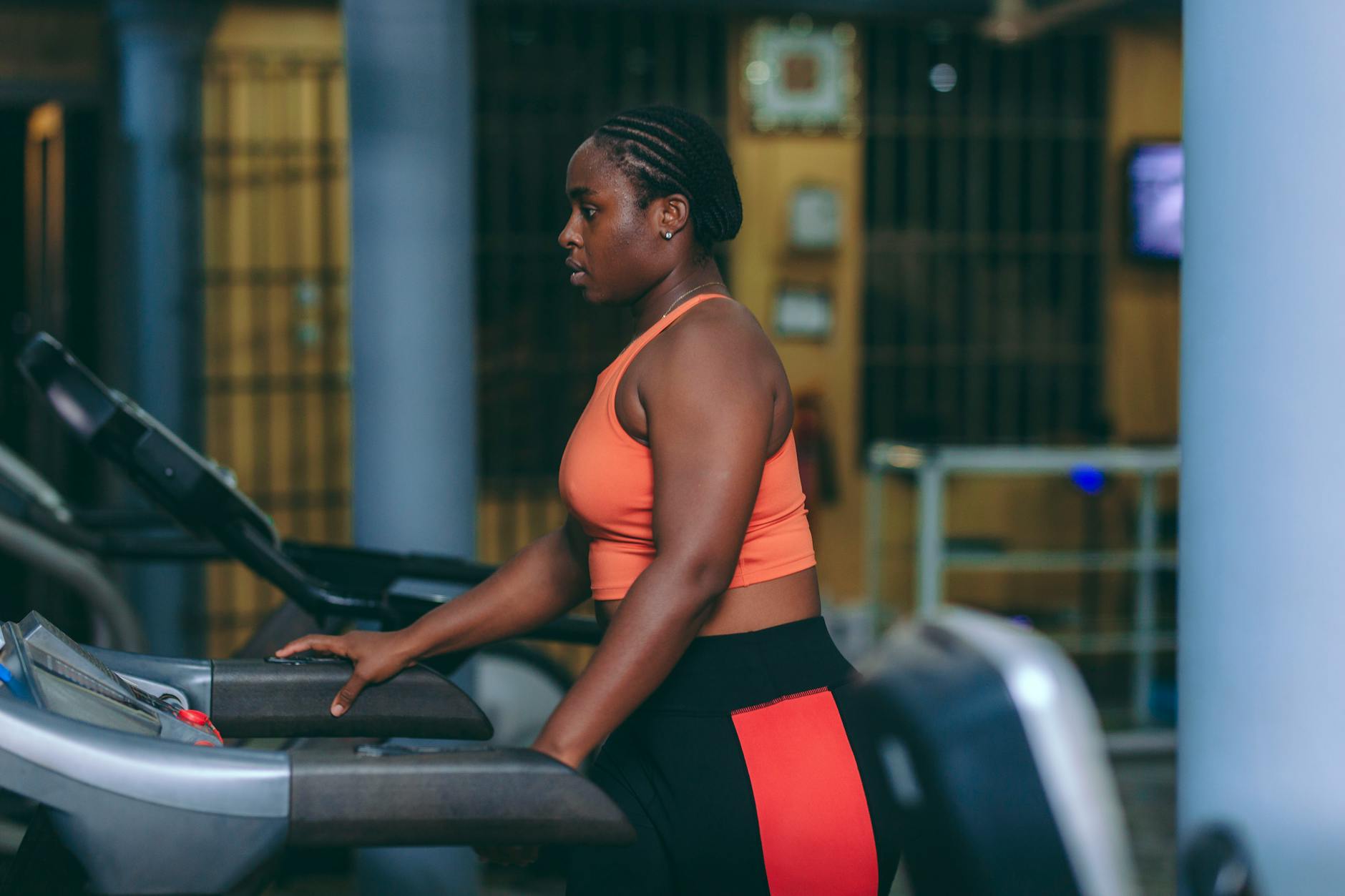
Finding the best neutral running shoes for treadmill workouts requires understanding both your biomechanics and the unique demands of indoor running surfaces. Unlike road running, where varied terrain and weather conditions play significant roles, treadmill running presents a consistent, cushioned belt that creates specific requirements for footwear. The controlled environment of a treadmill allows runners to focus purely on form and performance, making shoe selection particularly important for maximizing comfort and preventing injury during repetitive motion. Treadmill runners face distinct challenges that outdoor runners may not encounter.
The belt surface, while generally forgiving, creates a repetitive impact pattern that can amplify any biomechanical inefficiencies in your stride. Neutral runners””those whose feet neither overpronate nor supinate excessively””need shoes that provide balanced cushioning without corrective features that could interfere with their natural gait. The temperature-controlled indoor environment also means shoes must handle heat buildup and moisture management differently than trail or road shoes designed for variable conditions. By the end of this article, you will understand how to identify whether neutral shoes are appropriate for your running style, what specific features matter most for treadmill training, and how to evaluate different options based on your training goals. Whether you are logging easy recovery miles, pushing through interval sessions, or preparing for race day, the right neutral treadmill shoe can significantly impact both your performance and long-term joint health.
Table of Contents
- What Makes a Running Shoe “Neutral” and Why Does It Matter for Treadmill Training?
- Key Features of Treadmill-Specific Neutral Running Shoes
- How Treadmill Running Differs From Outdoor Running in Shoe Requirements
- Selecting the Right Neutral Shoe Based on Your Treadmill Workout Type
- Common Fit and Sizing Issues with Neutral Treadmill Shoes
- Maintaining Neutral Running Shoes for Optimal Treadmill Performance
- How to Prepare
- How to Apply This
- Expert Tips
- Conclusion
- Frequently Asked Questions
What Makes a Running Shoe “Neutral” and Why Does It Matter for Treadmill Training?
A neutral running shoe is designed for runners whose feet follow a natural pronation pattern””the slight inward roll of the foot during the gait cycle that helps absorb impact. Approximately 30 percent of runners fall into this category, with feet that neither roll inward excessively (overpronation) nor roll outward (supination). Neutral shoes provide cushioning and support without the medial posts, guide rails, or denser foam sections found in stability shoes. This allows the foot to move through its natural motion without correction or interference.
For treadmill training specifically, neutral shoe characteristics become even more relevant due to the predictable nature of the running surface. The treadmill belt provides consistent cushioning and a perfectly flat plane, which means the shoe’s midsole does all the work of managing impact forces. A well-designed neutral treadmill shoe typically features uniform density foam throughout the midsole, a relatively flexible forefoot for natural toe-off, and adequate heel-to-toe drop (typically 8-12mm) to encourage efficient forward momentum. Understanding your pronation type before selecting treadmill footwear prevents common training injuries and discomfort:.
- **Wet foot test**: Step on concrete with a wet foot to observe your arch imprint. A moderate curve on the inside indicates neutral pronation.
- **Wear pattern analysis**: Check your current shoes for even wear across the heel and forefoot, suggesting neutral gait mechanics.
- **Gait analysis**: Many specialty running stores offer free treadmill gait analysis using video technology to assess your pronation in real-time.
Key Features of Treadmill-Specific Neutral Running Shoes
The indoor treadmill environment creates specific demands that differentiate ideal treadmill shoes from general-purpose neutral trainers. Breathability ranks among the most critical features because indoor running typically generates more heat without wind or airflow to cool the feet. Premium treadmill-oriented shoes incorporate engineered mesh uppers with strategic ventilation zones, reducing internal temperatures by as much as 15 percent compared to denser upper materials. Cushioning technology varies significantly among neutral shoe options, and treadmill runners benefit from understanding these differences.
Foam compounds like Nike’s ZoomX, Saucony’s PWRRUN PB, and Brooks’ DNA LOFT v3 offer different balances of softness, energy return, and durability. For treadmill use, durability concerns become less pressing since the belt surface causes less abrasion than asphalt, allowing runners to prioritize responsiveness and comfort over longevity. Most quality neutral trainers provide between 400-500 miles of effective cushioning, though treadmill use may extend this range by 15-20 percent. Additional features worth evaluating include:.
- **Stack height**: Higher stack heights (30mm+) provide more cushioning for longer sessions but may reduce ground feel during speed work.
- **Outsole design**: Treadmills require less aggressive traction patterns, so smoother outsoles with minimal lugs reduce weight without compromising grip.
- **Heel counter stiffness**: A moderately structured heel counter helps maintain foot position during the consistent repetitive motion of treadmill running.
How Treadmill Running Differs From Outdoor Running in Shoe Requirements
The biomechanical differences between treadmill and outdoor running directly influence optimal shoe selection. Research published in the Journal of Sports Sciences indicates that treadmill running typically results in shorter stride lengths and higher cadence compared to overground running at equivalent speeds. This altered gait pattern affects how impact forces distribute through the shoe, with treadmill runners often landing more toward the midfoot and generating slightly lower peak impact forces. The treadmill belt itself provides approximately 15-20 percent more cushioning than concrete and 5-10 percent more than asphalt.
This built-in shock absorption means treadmill runners can often use lighter, less heavily cushioned shoes without increasing injury risk. Many runners find that shoes feeling slightly firm on roads feel perfectly comfortable during treadmill sessions. The consistent surface also eliminates the need for aggressive traction or protective features like rock plates, further expanding shoe options. Temperature and moisture management present unique indoor challenges:.
- **Heat retention**: Feet can reach temperatures 10-15 degrees higher during treadmill runs compared to outdoor running in moderate weather.
- **Sweat accumulation**: Without natural evaporation from wind, moisture builds up faster, increasing blister risk and bacterial growth.
- **Traction requirements**: The rubber treadmill belt provides consistent grip, making sticky outsole compounds less necessary than on wet or uneven outdoor surfaces.
Selecting the Right Neutral Shoe Based on Your Treadmill Workout Type
Different treadmill training sessions place varying demands on footwear, and serious runners benefit from matching shoe characteristics to workout intensity. Easy runs and recovery sessions prioritize comfort and cushioning, making maximalist neutral shoes with plush midsoles ideal choices. These workouts typically involve 60-75 percent of maximum heart rate and benefit from shoes that encourage relaxed, efficient movement without fatigue. Interval training and tempo runs require more responsive footwear that returns energy efficiently during faster paces.
Neutral trainers with firmer, more responsive foam compounds and lower stack heights allow for quicker turnover and better ground feel during speed work. The ideal interval shoe weighs under 10 ounces and features a snug midfoot fit to prevent internal slippage during pace changes. Many runners keep separate shoes for different treadmill workouts to optimize performance and extend the lifespan of each pair. Practical considerations for workout-specific shoe selection:.
- **Long runs (60+ minutes)**: Choose maximum cushioning with breathable uppers; consider sizing up half a size to accommodate foot swelling.
- **Speed intervals**: Select lightweight, responsive shoes with secure lockdown; minimal heel-toe drop (4-8mm) encourages forefoot striking.
- **Incline training**: Look for shoes with slightly stiffer forefoot flex to support the increased calf engagement during uphill work.
- **Recovery days**: Prioritize soft cushioning over responsiveness; this is the time for heavily cushioned, comfort-focused options.
Common Fit and Sizing Issues with Neutral Treadmill Shoes
Proper fit becomes especially critical for treadmill running because the repetitive, consistent motion amplifies any discomfort or fit issues that might go unnoticed during varied outdoor running. The most common mistake involves sizing too small, failing to account for the foot expansion that occurs during exercise. Feet typically swell 4-8 percent during running, and the warm treadmill environment accelerates this expansion. Most fitting experts recommend a thumb’s width (approximately 10-12mm) between the longest toe and the shoe’s end.
Width considerations vary significantly between manufacturers, and neutral runners should pay attention to brand-specific lasts. Brooks and New Balance generally offer wider toe boxes suitable for runners with broader feet, while Nike and Saucony tend toward narrower profiles. The heel cup should hold the foot securely without slippage while avoiding excessive pressure on the Achilles tendon. A properly fitting heel reduces the vertical movement that can cause blisters during extended treadmill sessions. Common fit-related problems and solutions include:.
- **Toe numbness**: Often indicates shoes that are too tight or laced too firmly across the top of the foot; try alternative lacing patterns that reduce pressure on the dorsal nerves.
- **Heel slippage**: May require heel lock lacing or trying a different brand with a narrower heel cup geometry.
- **Arch discomfort**: Neutral shoes with removable insoles allow for custom orthotic insertion if factory insoles provide insufficient support.
- **Hot spots**: Identify pressure points during shorter runs before committing to longer treadmill sessions; seamless interior construction reduces friction.

Maintaining Neutral Running Shoes for Optimal Treadmill Performance
Proper shoe maintenance extends lifespan and preserves the cushioning properties essential for comfortable treadmill running. The primary enemy of midsole foam is compression set””the permanent deformation that occurs when foam remains compressed for extended periods. Rotating between two or more pairs of running shoes allows foam to recover between sessions, extending effective cushioning life by up to 50 percent. This practice proves especially valuable for frequent treadmill runners logging four or more weekly sessions.
Moisture management after treadmill workouts prevents bacterial growth and material degradation. Remove shoes immediately after running and allow them to air dry in a well-ventilated area away from direct heat sources. Stuffing shoes with newspaper accelerates moisture absorption without damaging foam compounds. Machine washing is generally not recommended as it can break down adhesives and deform structural components, though most uppers tolerate gentle spot cleaning with mild soap and water.
How to Prepare
- **Assess your pronation pattern** through a professional gait analysis or self-evaluation using the wet foot test and wear pattern examination. Document your findings to reference when comparing shoe options, and consider having a running specialty store video your stride on their in-store treadmill for objective assessment.
- **Inventory your current training** by tracking your weekly treadmill mileage, typical workout types, and any recurring discomfort or injury patterns. This information helps identify whether you need maximum cushioning for high mileage, responsive foam for speed work, or a versatile trainer covering multiple workout types.
- **Measure both feet** late in the day when they are at their largest. Use a Brannock device or printable sizing chart to determine length and width, noting any asymmetry between feet. Always fit shoes to your larger foot, and remember that sizes vary between manufacturers by as much as half a size.
- **Research current neutral shoe options** from reputable running brands, reading professional reviews and user feedback specific to treadmill use. Create a shortlist of three to five models that match your requirements for cushioning level, weight, and price point.
- **Test shoes on a treadmill before purchasing** if possible, or buy from retailers with generous return policies that allow returns after indoor use. Plan to run at least 15-20 minutes at varied paces to evaluate comfort, responsiveness, and temperature management under realistic conditions.
How to Apply This
- **Break in new shoes gradually** by wearing them for shorter treadmill sessions of 20-30 minutes before attempting longer runs. This allows your feet to adapt and reveals any fit issues before they cause injury during extended workouts.
- **Match shoe selection to workout intensity** by using more cushioned options for easy runs and recovery sessions while reserving lighter, more responsive shoes for interval training and tempo work.
- **Monitor cushioning degradation** by tracking mileage and noting when impact sensation increases or post-run fatigue develops. Most neutral shoes require replacement between 300-500 miles, though individual experience varies based on runner weight, gait efficiency, and training intensity.
- **Implement a rotation system** using two or more pairs of shoes to extend lifespan and reduce injury risk. Alternating between shoes with different stack heights and cushioning properties also strengthens foot muscles through varied stimulus.
Expert Tips
- **Test shoes during your typical training time** because feet swell throughout the day and reach maximum size during the hours you normally run. A shoe that fits perfectly in the morning may feel restrictive during an evening treadmill session.
- **Pay attention to the break-in period** before judging a shoe’s performance. Most quality neutral trainers require 15-25 miles before the midsole foam fully activates and the upper conforms to your foot shape. Initial stiffness or minor discomfort often resolves with use.
- **Consider the treadmill surface temperature** when selecting upper materials. Some gym treadmills generate significant heat through the motor housing, making highly breathable mesh uppers essential for comfort during longer sessions.
- **Keep a dedicated pair for treadmill use only** to maximize lifespan and maintain consistent performance. The cleaner indoor environment reduces outsole wear and upper contamination, allowing these shoes to last longer than outdoor trainers subjected to road debris and weather.
- **Trust your proprioception over specifications** when evaluating shoe options. Stack heights, drop measurements, and foam densities provide useful starting points, but individual biomechanics vary enough that personal comfort and performance matter more than numerical comparisons.
Conclusion
Selecting the best neutral running shoes for treadmill workouts combines understanding your biomechanics, recognizing the unique demands of indoor running, and matching footwear characteristics to your specific training goals. The controlled treadmill environment allows runners to focus on cushioning quality, breathability, and fit without the durability and traction concerns that complicate outdoor shoe selection. By systematically evaluating your pronation pattern, training volume, and workout types, you can narrow down options to shoes that genuinely enhance your treadmill experience.
The investment in proper neutral running shoes pays dividends through improved comfort, reduced injury risk, and better training consistency. Start by assessing your current footwear and identifying any recurring issues during treadmill sessions, then use the criteria outlined above to evaluate potential replacements. Remember that the ideal shoe varies between individuals””what works for one runner may not suit another, regardless of reviews or recommendations. Take advantage of generous return policies to test options under real training conditions, and consider building a rotation of shoes to match different workout demands and extend overall footwear longevity.
Frequently Asked Questions
How long does it typically take to see results?
Results vary depending on individual circumstances, but most people begin to see meaningful progress within 4-8 weeks of consistent effort. Patience and persistence are key factors in achieving lasting outcomes.
Is this approach suitable for beginners?
Yes, this approach works well for beginners when implemented gradually. Starting with the fundamentals and building up over time leads to better long-term results than trying to do everything at once.
What are the most common mistakes to avoid?
The most common mistakes include rushing the process, skipping foundational steps, and failing to track progress. Taking a methodical approach and learning from both successes and setbacks leads to better outcomes.
How can I measure my progress effectively?
Set specific, measurable goals at the outset and track relevant metrics regularly. Keep a journal or log to document your journey, and periodically review your progress against your initial objectives.
When should I seek professional help?
Consider consulting a professional if you encounter persistent challenges, need specialized expertise, or want to accelerate your progress. Professional guidance can provide valuable insights and help you avoid costly mistakes.
What resources do you recommend for further learning?
Look for reputable sources in the field, including industry publications, expert blogs, and educational courses. Joining communities of practitioners can also provide valuable peer support and knowledge sharing.
1 thought on “Best Neutral Running Shoes for Treadmill Workouts”
Comments are closed.