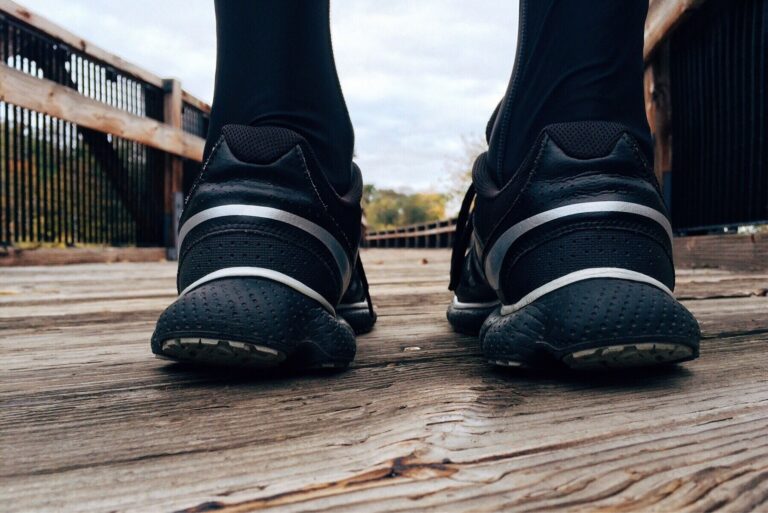
Lightweight treadmill running shoes for speed workouts have become essential gear for runners looking to maximize their performance during indoor training sessions. The controlled environment of a treadmill offers unique advantages for interval training, tempo runs, and speed development, but capitalizing on these benefits requires footwear specifically designed to complement the biomechanics of belt running. Unlike outdoor surfaces that demand aggressive traction and robust protection from debris, treadmill running allows athletes to prioritize minimal weight and responsive cushioning without sacrificing the support needed for high-intensity efforts. The question of proper footwear for treadmill speed work addresses a genuine gap in many runners’ training arsenals.
Too often, athletes default to using their everyday trainers or road shoes for indoor sessions, missing the performance gains available from purpose-selected lightweight options. Speed workouts on a treadmill present distinct challenges: the consistent surface eliminates natural terrain variation, heat buildup becomes more pronounced without airflow around the foot, and the repetitive motion patterns can expose fit issues that shorter runs might mask. Selecting the right shoe solves these problems while enabling faster turnover, reduced energy expenditure, and improved workout quality. By the end of this article, readers will understand the specific characteristics that define effective lightweight treadmill running shoes, how to evaluate options based on their individual biomechanics and training goals, and the practical steps for integrating proper footwear into a structured speed development program. The information covers everything from stack height and drop specifications to durability considerations and fit optimization, providing a complete framework for making informed footwear decisions that translate to measurable performance improvements.
Table of Contents
- Why Do Runners Need Specialized Lightweight Shoes for Treadmill Speed Training?
- Key Features of Lightweight Running Shoes Built for Treadmill Speed Sessions
- Matching Shoe Characteristics to Different Speed Workout Types
- How to Select Lightweight Treadmill Shoes Based on Running Mechanics
- Durability Considerations and Replacement Timing for Lightweight Speed Shoes
- The Role of Sock Selection in Maximizing Lightweight Shoe Performance
- How to Prepare
- How to Apply This
- Expert Tips
- Conclusion
- Frequently Asked Questions
Why Do Runners Need Specialized Lightweight Shoes for Treadmill Speed Training?
The biomechanics of treadmill running differ from outdoor running in ways that directly influence optimal footwear selection. Research published in the Journal of Sports Sciences indicates that runners on treadmills tend to have slightly shorter stride lengths and higher cadence compared to overground running at equivalent speeds. This altered gait pattern means shoes that perform well on roads may feel sluggish or unresponsive on a belt. Lightweight options designed for speed work capitalize on the treadmill’s consistent, cushioned surface by removing unnecessary material, allowing runners to maintain faster leg turnover with less muscular effort per stride. Heat management represents another critical factor specific to treadmill training. Without the cooling effect of forward motion through ambient air, feet generate and retain more heat during indoor sessions.
Speed workouts compound this issue by increasing metabolic heat production. Lightweight treadmill shoes typically feature more breathable upper constructions with engineered mesh panels that promote airflow, reducing the risk of blistering, discomfort, and the performance decrements associated with overheating extremities. Studies on thermal comfort in athletes demonstrate that excessive foot temperature can impair proprioception and increase perceived exertion. The psychological component of training with appropriate equipment also merits consideration. Runners report feeling faster and more engaged during speed sessions when wearing shoes that look and feel built for performance. This perception translates to tangible outcomes: a 2019 study in Frontiers in Psychology found that athletes’ beliefs about their equipment significantly influenced actual performance metrics during time trials. Lightweight treadmill running shoes designed for speed workouts create a mental framework that supports the intensity and focus required for quality interval training.
- Shorter stride length and higher cadence on treadmills favor lighter, more responsive footwear
- Reduced airflow indoors increases foot temperature, making breathability essential
- Purpose-built speed shoes provide psychological benefits that enhance workout quality

Key Features of Lightweight Running Shoes Built for Treadmill Speed Sessions
Weight specifications serve as the primary differentiator between standard trainers and dedicated speed shoes. Most daily training shoes weigh between 280 and 340 grams per shoe, while lightweight options designed for faster efforts typically fall in the 180 to 240 gram range. This reduction of 60 to 120 grams per foot accumulates significantly over the thousands of steps in a speed workout. Research from the University of Colorado Boulder established that every 100 grams of shoe weight requires approximately one percent more energy expenditure at a given pace. For a runner completing a 10-kilometer tempo run, this translates to meaningful differences in fatigue and sustainable speed. Midsole composition and geometry distinguish high-performance lightweight shoes from merely stripped-down versions of heavier models. Contemporary speed-oriented treadmill shoes often incorporate nitrogen-infused foams, TPU-based compounds, or Pebax-derived materials that deliver superior energy return compared to traditional EVA.
Stack heights for treadmill speed work generally range from 20 to 30 millimeters, providing enough cushioning for repetitive high-speed impacts while maintaining ground feel and responsiveness. Heel-to-toe drops between 4 and 8 millimeters are common, promoting a midfoot or forefoot strike pattern that aligns with efficient speed running mechanics. Upper construction balances minimal weight against adequate security during dynamic movements. Single-layer engineered mesh has largely replaced the multi-layer, heavily reinforced uppers of previous generations. Strategic reinforcement zones around the heel counter and midfoot provide lockdown during aggressive push-offs without adding unnecessary grams. Many treadmill-appropriate speed shoes eliminate traditional overlays in favor of printed or welded support structures that reduce weight while maintaining structural integrity. The absence of aggressive outsole lugs, unnecessary on a treadmill belt, allows for thinner rubber coverage and further weight savings.
- Target shoe weight for treadmill speed work falls between 180 and 240 grams
- Modern midsole foams deliver energy return rates exceeding 85 percent in premium models
- Minimalist upper designs with strategic reinforcement optimize the weight-to-support ratio
Matching Shoe Characteristics to Different Speed Workout Types
Interval training at high intensities demands footwear that can handle rapid accelerations and decelerations. Sessions involving short repeats of 200 to 800 meters at near-maximum effort require shoes with firm, responsive midsoles that translate force efficiently without collapsing under load. The repetitive nature of interval work, with runners hitting top speed multiple times per session, also necessitates adequate cushioning to prevent cumulative impact stress. Shoes in the 6 to 8 millimeter drop range tend to support the natural forward lean and forefoot-dominant mechanics of hard acceleration phases. Tempo runs and threshold workouts present different demands. These sustained efforts at lactate threshold pace, typically lasting 20 to 40 minutes, prioritize comfort and efficiency over pure explosiveness.
Slightly more cushioning becomes valuable for absorbing the steady accumulation of ground impacts. Runners performing tempo work on treadmills often prefer shoes with modest stack heights around 25 to 28 millimeters and somewhat softer foam compounds than pure racing flats. The extended duration makes breathability and fit security particularly important, as even minor discomfort amplifies over thousands of strides. Progressive runs and fartlek sessions that combine multiple paces within a single workout benefit from versatile lightweight shoes that handle both cruising speeds and faster surges. These shoes occupy a middle ground in the lightweight spectrum, typically weighing 210 to 240 grams with balanced cushioning profiles. The variability of pace changes requires consistent responsiveness across a range of foot strike patterns and loading forces. Runners frequently find that a slightly more accommodating fit works well for these mixed-intensity sessions, allowing natural foot swell and movement without compromising stability during faster segments.
- Interval training prioritizes responsiveness and efficient force transfer
- Tempo runs benefit from additional cushioning for sustained high-speed efforts

How to Select Lightweight Treadmill Shoes Based on Running Mechanics
Gait analysis provides the foundation for appropriate shoe selection. Runners with neutral pronation, where the foot rolls inward approximately 15 percent during the stance phase, have the widest range of lightweight options available. Overpronators who exhibit excessive inward rolling may require lightweight stability shoes that incorporate medial posts or guide rails without significantly increasing weight. Underpronators or supinators who land on the outer edge and lack sufficient inward roll typically need shoes with enhanced lateral cushioning. Many running specialty stores offer free gait analysis using video or pressure plate technology. Foot shape and volume influence fit in ways that affect performance during speed work.
Runners with wider forefeet should seek models with accommodating toe boxes that allow natural splay during push-off without constriction. Egyptian foot shapes with a longer first toe have different requirements than Greek shapes where the second toe extends furthest. High-volume feet may find some lightweight models too shallow, while low-volume feet can experience heel slippage in shoes designed for average dimensions. Testing multiple brands reveals meaningful differences in last shapes and fit characteristics. Strike pattern and cadence data inform midsole geometry decisions. Heel strikers typically benefit from slightly higher drops in the 6 to 10 millimeter range that accommodate their landing mechanics, while midfoot and forefoot strikers often prefer lower drops of 0 to 6 millimeters. Cadence data from running watches or treadmill displays helps calibrate cushioning needs: runners with cadences below 170 steps per minute tend to generate higher impact forces and may require more midsole protection, while those achieving 180 or more steps per minute generally distribute forces more efficiently and can tolerate firmer, more minimal designs.
- Neutral pronators have the most lightweight options; overpronators should seek lightweight stability models
- Foot shape variations require trying multiple brands to find optimal last geometry
- Strike pattern and cadence data guide decisions about drop and cushioning levels
Durability Considerations and Replacement Timing for Lightweight Speed Shoes
The tradeoff between minimal weight and longevity represents a fundamental reality of lightweight running shoe design. Materials that reduce weight, such as thinner midsole foams and minimal outsole coverage, inherently wear faster than their more substantial counterparts. Most lightweight treadmill speed shoes maintain optimal performance characteristics for 300 to 400 miles, compared to 400 to 500 miles for standard daily trainers. However, the consistent, low-abrasion surface of a treadmill belt actually extends shoe life compared to road or trail use. Runners who exclusively use their lightweight shoes on treadmills may achieve the higher end of these mileage ranges. Midsole degradation affects performance before visible wear becomes apparent. The foam compounds that provide cushioning and energy return gradually lose their resilience through repeated compression cycles.
Runners often notice this as a subtle flattening of the ride quality or increased post-run fatigue before any external signs appear. Tracking mileage through a running log or app helps identify when shoes approach their performance limits. Some athletes develop sensitivity to these changes and can feel when foam responsiveness drops below acceptable thresholds, while others benefit from predetermined replacement schedules based on accumulated distance. Rotation strategies extend the effective lifespan of speed shoe investments. Allowing 24 to 48 hours between uses gives midsole foams time to recover their original shape and properties. Research on foam recovery indicates that polymers compressed repeatedly without adequate rest periods experience accelerated breakdown. Maintaining two pairs of lightweight treadmill shoes used on alternating days can extend the total usable mileage by 20 to 30 percent compared to using a single pair consecutively. This approach also provides backup options when one pair reaches end of life.
- Lightweight speed shoes typically last 300 to 400 miles with optimal performance
- Midsole degradation affects ride quality before visible wear appears
The Role of Sock Selection in Maximizing Lightweight Shoe Performance
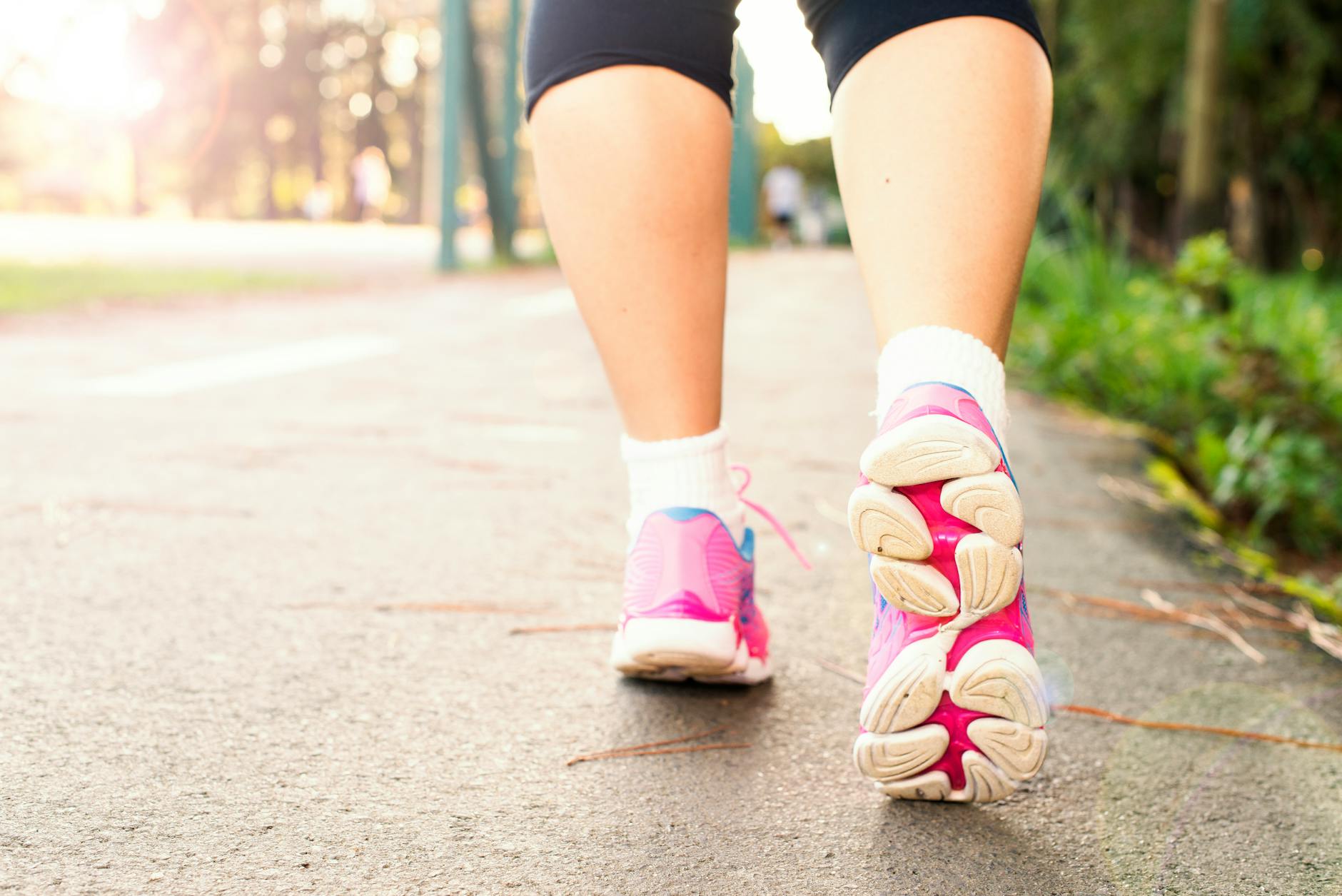
Footwear optimization extends beyond the shoe itself to include the interface between foot and shoe. Technical running socks designed for performance applications weigh between 20 and 40 grams per pair and feature moisture-wicking synthetic fibers or merino wool blends that manage sweat during intense treadmill sessions. Cotton socks, which retain moisture and add weight when wet, can negate the benefits of lightweight shoes while increasing blister risk. The thickness profile of socks also affects shoe fit, and runners should select their lightweight treadmill shoes while wearing the same sock type they intend to use during workouts.
Anatomical sock construction with left and right specific designs improves fit and reduces bunching during high-cadence efforts. Targeted cushioning zones under the heel and forefoot add protection without unnecessary bulk through the midfoot. Seamless toe boxes eliminate friction points that become problematic during extended speed sessions. Compression elements in the arch and ankle provide mild support that complements the lightweight shoe’s minimal structure. Investing in purpose-built running socks maximizes the performance potential of quality lightweight footwear while extending shoe life through improved moisture management.
How to Prepare
- Assess your current running mechanics by reviewing any available gait analysis data or scheduling an evaluation at a running specialty store. Note your pronation pattern, strike location, and natural cadence during speed efforts. This baseline information guides initial shoe category selection and narrows the field of appropriate options.
- Measure your feet accurately, including length, width, and arch height, ideally in the afternoon when feet have expanded to their largest daily dimensions. Compare these measurements against manufacturer size charts, recognizing that sizing varies significantly between brands. Document any asymmetry between left and right feet that might affect fit.
- Research shoes within your identified category by examining specifications including weight, stack height, drop, and midsole materials. Create a shortlist of three to five models that match your mechanical requirements and fall within your budget. Read reviews from runners with similar training patterns and body types.
- Visit a retailer that allows treadmill testing or has a generous return policy for running shoes. Try each shortlisted model in your typical running socks, lacing them with your preferred technique. Walk and jog to assess initial comfort, heel lockdown, and forefoot security before making any purchase.
- Conduct a trial period of two to three short treadmill runs in your selected shoes before committing to intensive speed work. Monitor for any hot spots, slippage, or discomfort during these initial sessions. Confirm that the shoes deliver the expected responsiveness and cushioning before integrating them into your primary speed workout rotation.
How to Apply This
- Introduce lightweight treadmill shoes gradually into your training by wearing them first for easier sessions and strides before progressing to full speed workouts. This allows feet and lower legs to adapt to the different feel and reduced cushioning typical of performance-oriented designs.
- Reserve your lightweight shoes exclusively for quality speed sessions on the treadmill rather than using them for easy runs or outdoor training. This targeted use maximizes the performance benefits when they matter most while extending overall shoe lifespan.
- Develop a consistent pre-run routine that includes checking lace tension and making any necessary adjustments for the specific demands of that day’s workout. Interval sessions may benefit from slightly snugger lacing than tempo runs where comfort over duration takes priority.
- Monitor and record performance metrics during treadmill speed sessions to establish baseline data for comparing different shoes over time. Note pace, heart rate, and perceived exertion to objectively assess whether your footwear choice supports your training goals.
Expert Tips
- Break in new lightweight shoes with two or three moderate sessions before race simulations or key workouts, as even minimal footwear requires adaptation time for optimal performance.
- Store speed shoes at room temperature away from direct heat sources, as exposure to high temperatures accelerates midsole foam degradation and reduces cushioning effectiveness.
- Clean treadmill belts regularly to remove dust and debris that can embed in outsole rubber and affect traction during high-speed efforts.
- Consider having your running gait re-analyzed annually or after any significant training changes, as biomechanics can shift over time and may warrant different shoe characteristics.
- Keep detailed mileage logs for each pair of lightweight shoes using a running app or spreadsheet, enabling accurate tracking of wear and timely replacement before performance suffers.
Conclusion
Selecting appropriate lightweight treadmill running shoes for speed workouts represents a meaningful investment in training quality and injury prevention. The controlled environment of indoor running creates ideal conditions for minimalist, responsive footwear that would be impractical on varied outdoor surfaces. Understanding the interplay between shoe characteristics, individual biomechanics, and specific workout demands allows runners to make informed decisions that enhance performance during the sessions that matter most for fitness development.
The principles outlined in this guide, from weight specifications and midsole materials to gait-based selection criteria, provide a framework for evaluating any lightweight shoe against individual requirements. As footwear technology continues advancing with new foam compounds and construction techniques, these foundational concepts remain constant. Runners who approach speed shoe selection systematically, test options methodically, and maintain their equipment properly will consistently extract more value from their treadmill training time.
Frequently Asked Questions
How long does it typically take to see results?
Results vary depending on individual circumstances, but most people begin to see meaningful progress within 4-8 weeks of consistent effort. Patience and persistence are key factors in achieving lasting outcomes.
Is this approach suitable for beginners?
Yes, this approach works well for beginners when implemented gradually. Starting with the fundamentals and building up over time leads to better long-term results than trying to do everything at once.
What are the most common mistakes to avoid?
The most common mistakes include rushing the process, skipping foundational steps, and failing to track progress. Taking a methodical approach and learning from both successes and setbacks leads to better outcomes.
How can I measure my progress effectively?
Set specific, measurable goals at the outset and track relevant metrics regularly. Keep a journal or log to document your journey, and periodically review your progress against your initial objectives.
When should I seek professional help?
Consider consulting a professional if you encounter persistent challenges, need specialized expertise, or want to accelerate your progress. Professional guidance can provide valuable insights and help you avoid costly mistakes.
What resources do you recommend for further learning?
Look for reputable sources in the field, including industry publications, expert blogs, and educational courses. Joining communities of practitioners can also provide valuable peer support and knowledge sharing.