
The most effective outdoor cardio options for aging adults are walking, cycling, swimming, and low-impact activities like tai chi and golf””exercises that elevate heart rate without punishing joints. For a 68-year-old looking to meet the CDC’s recommended 150 minutes of weekly moderate-intensity aerobic activity, this might look like five 30-minute brisk walks through a neighborhood park, or three cycling sessions combined with two water aerobics classes at an outdoor pool. These activities deliver measurable cardiovascular benefits while accommodating the physical realities of aging bodies. The research supporting outdoor cardio for older adults is substantial.
A 2024 meta-analysis examining 85 studies found that consistently active adults reduce their mortality risk by 30-40%, while those who become active later in life still enjoy a 20-25% reduction. Yet despite these compelling numbers, only 14% of adults 65 and older currently meet federal physical activity guidelines. This gap between what works and what people actually do represents both a public health challenge and an opportunity for individuals willing to step outside. This article covers the full range of outdoor cardio options suitable for aging bodies, from gentle walking programs to more demanding activities like tennis. We’ll examine the specific cardiovascular benefits backed by recent research, discuss how to choose activities based on individual limitations, and address common concerns about safety and sustainability.
Table of Contents
- What Are the Best Outdoor Cardio Options for Aging Adults?
- How Exercise Benefits Differ Between Men and Women After 65
- The Cardiovascular Benefits of Outdoor Activity for Seniors
- Getting Started: Practical Steps for Outdoor Cardio
- Gardening as Underrated Cardiovascular Exercise
- The Economic and Social Case for Staying Active
- Conclusion
What Are the Best Outdoor Cardio Options for Aging Adults?
walking remains the gold standard for older adults beginning or maintaining a cardio routine. It requires no special equipment beyond supportive shoes, can be done virtually anywhere, and scales easily from a gentle stroll to a heart-pumping power walk. Hiking offers similar benefits with added variety””the uneven terrain activates multiple muscle groups and the natural scenery provides mental health benefits that a treadmill cannot replicate. Research indicates that regular walking helps prevent heart disease, osteoporosis, and type 2 diabetes. Cycling ranks as another excellent option, particularly for those who find walking distances painful due to knee or hip issues. The seated position reduces joint stress while still delivering genuine cardiovascular work.
For older adults with back pain or balance concerns, recumbent bikes position the rider in a reclined seat that supports the lower back and lowers the center of gravity. However, traditional upright cycling does engage the core muscles responsible for balance maintenance, so those without back issues may prefer conventional bikes for this additional benefit. Swimming and water aerobics deserve special consideration for anyone dealing with mobility limitations or chronic pain. Water provides buoyant resistance that eases joint pressure while still challenging the cardiovascular system and improving circulation. The limitation here is access””not everyone lives near a suitable outdoor pool, lake, or ocean with safe swimming conditions. But for those who do have access, water-based exercise often allows cardio work that would be impossible on land.

How Exercise Benefits Differ Between Men and Women After 65
Recent research has uncyou-can-feel/” title=”Over 40 Fat Loss Requires Effort You Can Feel”>overed significant differences in how exercise benefits manifest between sexes. A 2024 NIH-supported study examining over 400,000 U.S. adults found that women who exercise regularly are 24% less likely to die from any cause compared to sedentary women, while men see a 15% reduction. The cardiovascular differences are even more pronounced: women experienced a 36% reduced risk for fatal cardiovascular events compared to just 14% for men. These findings don’t mean men benefit less in absolute terms””they suggest that women may have more to gain from initiating exercise programs, particularly regarding heart health.
Both sexes saw reduced mortality risk plateau at approximately 300 minutes (five hours) per week of moderate aerobic activity, indicating a point of diminishing returns. This means a 70-year-old woman walking briskly for 45 minutes six days per week would be approaching optimal benefit without needing to push further. However, if you’re a man reading this and feeling less motivated by the lower percentage improvements, consider the context. A 15% reduction in all-cause mortality and 14% reduction in cardiovascular death still represents substantial protection. The practical takeaway for both sexes is identical: consistent moderate activity delivers measurable, meaningful health benefits regardless of when you start.
The Cardiovascular Benefits of Outdoor Activity for Seniors
A 2025 systematic review published in the International Journal of General Medicine examined aerobic exercise in adults over 60 and found participants experienced lower blood pressure, lower resting heart rates, and better overall cardiorespiratory health than control groups. These improvements matter enormously for a population where cardiovascular disease remains the leading cause of death. Consider golf as a practical example. An 18-hole round covers up to four miles of walking, and carrying clubs adds resistance training to the cardio component. A retired accountant who plays golf three times weekly is accumulating significant cardiovascular work while enjoying social interaction and mental stimulation from the game itself.
The activity doesn’t feel like exercise in the way a gym session might, yet the physiological benefits are real and measurable. Tennis provides a different cardiovascular stimulus through high-intensity bursts that improve cardio endurance and lung capacity. The intermittent nature of tennis””short explosive efforts followed by recovery periods””mirrors interval training, which research consistently shows benefits heart health. The warning here involves joint stress: tennis requires lateral movement and sudden stops that may be problematic for those with knee or ankle issues. For such individuals, pickleball offers a smaller court and slower pace while retaining the interval-training benefits.
Getting Started: Practical Steps for Outdoor Cardio
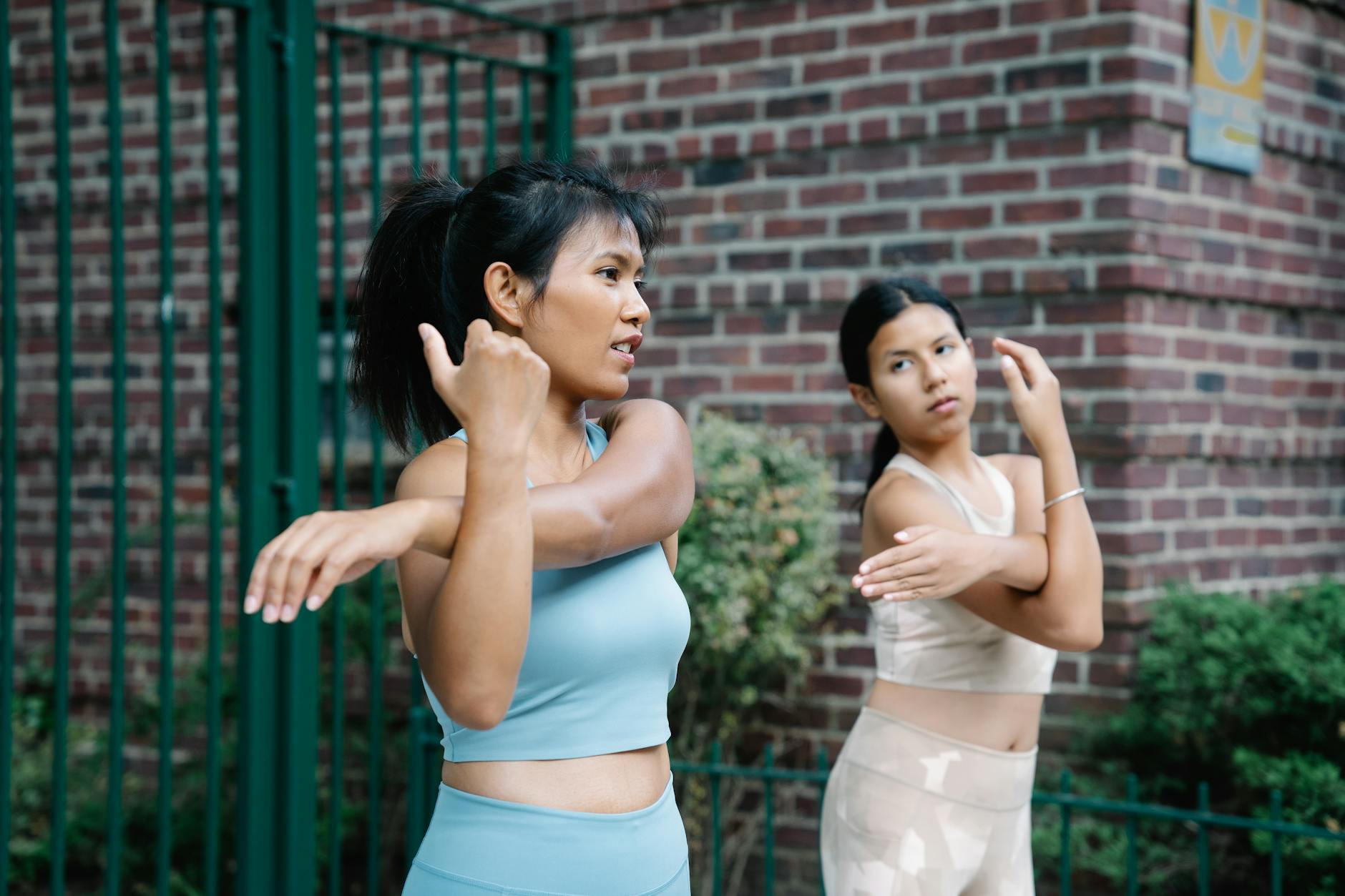
The transition from sedentary to active doesn’t require dramatic gestures. A 72-year-old who hasn’t exercised regularly in years should begin with 10-15 minute walks, gradually extending duration over weeks rather than days. The CDC recommends working toward 150 minutes of moderate-intensity activity weekly, but that target can take months to reach safely””and that’s perfectly acceptable. Tai chi offers an interesting comparison to more conventional cardio activities. Its slow, flowing movements might not appear cardiovascular in nature, yet research confirms benefits for heart health alongside its well-documented improvements to balance and fall prevention. For someone recovering from a cardiac event or managing severe arthritis, tai chi in a park might represent the most sustainable entry point into outdoor activity. By contrast, a relatively fit 65-year-old might find tai chi insufficiently challenging and prefer cycling or swimming for primary cardio work, perhaps adding tai chi for balance maintenance. The tradeoff between intensity and sustainability deserves careful consideration. Higher-intensity activities like tennis or vigorous hiking burn more calories and may produce faster cardiovascular improvements, but they also carry higher injury risk and may prove difficult to maintain long-term. Lower-intensity activities like walking or gentle cycling are more sustainable for most aging adults but require longer sessions to achieve equivalent benefits. The optimal choice depends on individual health status, preferences, and realistic assessment of what you’ll actually do consistently. ## Common Barriers and How to Address Them Weather presents the most obvious obstacle to outdoor cardio.
Unlike a gym, parks and trails don’t offer climate control. The practical solution involves flexibility: walk in the morning during summer heat, switch to midday during winter cold, and identify covered outdoor spaces like pavilions or building overhangs for light rain. However, some weather conditions””ice, extreme heat, lightning””genuinely preclude safe outdoor activity. Having an indoor backup option, even if it’s just walking laps inside a shopping mall, prevents weather from derailing an exercise habit entirely. Joint pain and mobility limitations require activity modification rather than abandonment. Someone with severe knee osteoarthritis may find walking painful after 15 minutes but can often cycle or swim for much longer. The key limitation to acknowledge: not every activity suits every body. A former runner may need to grieve the loss of that specific activity while discovering that cycling or water aerobics can provide equivalent cardiovascular benefits without the joint destruction. Fear of falling represents a significant psychological barrier, particularly for adults over 75 or those who’ve experienced previous falls. This fear isn’t irrational””falls cause serious injury and death in older populations. Balance-focused activities like tai chi directly address fall risk, and the CDC specifically recommends balance activities for older adults for this reason. Walking on flat, well-maintained surfaces with a companion provides both safety and social accountability. The warning here: don’t let fear eliminate activity entirely, as the deconditioning from inactivity actually increases fall risk over time.
Gardening as Underrated Cardiovascular Exercise
Gardening rarely appears on lists of cardio activities, yet research confirms genuine health benefits including reduced risk of osteoporosis, cancer, type 2 diabetes, depression, and heart disease. The constant movement””bending, reaching, carrying, digging””accumulates into meaningful physical work over a two-hour gardening session. A 67-year-old tending a vegetable garden three mornings per week is engaging in moderate physical activity whether or not they frame it as “exercise.” The advantage of gardening lies in its productive nature.
Unlike walking, which requires motivation to do something with no tangible output, gardening produces flowers, vegetables, or an attractive landscape. This built-in reward structure helps maintain consistency. The limitation involves seasonality””northern climates offer only a few months of outdoor gardening, requiring alternative activities during winter.

The Economic and Social Case for Staying Active
The World Health Organization estimates that physical inactivity will cost public health systems approximately $300 billion between 2020 and 2030 if current inactivity levels persist””roughly $27 billion annually. These costs manifest in higher rates of cardiovascular disease, diabetes, and other conditions that regular activity helps prevent. For individuals, staying active into older age often means reduced personal healthcare costs and maintained independence.
The social dimension of outdoor cardio shouldn’t be underestimated. Walking groups, cycling clubs, golf foursomes, and water aerobics classes all provide structured social interaction that becomes increasingly valuable as people age and workplace social networks disappear. This social component may partly explain why outdoor group activities often show better adherence than solitary indoor exercise. Looking ahead, communities that invest in accessible outdoor spaces””well-maintained walking paths, senior-friendly pools, safe cycling infrastructure””will likely see returns through healthier, more independent aging populations.
Conclusion
Outdoor cardio for aging adults encompasses far more options than most people initially consider. Walking, cycling, swimming, golf, tennis, tai chi, and even gardening all offer legitimate cardiovascular benefits supported by research. The 2024 and 2025 studies cited throughout this article consistently demonstrate reduced mortality, improved cardiovascular function, and lower blood pressure among active older adults””benefits available to anyone willing to put in the work, regardless of when they start.
The path forward involves honest assessment of your current fitness level, any physical limitations, and what activities you’ll realistically sustain over months and years. Start conservatively, build gradually toward the CDC’s 150-minute weekly target, and don’t hesitate to modify or switch activities as your body provides feedback. The 86% of adults 65 and older currently not meeting activity guidelines represent an opportunity to join a minority associated with longer, healthier lives.


