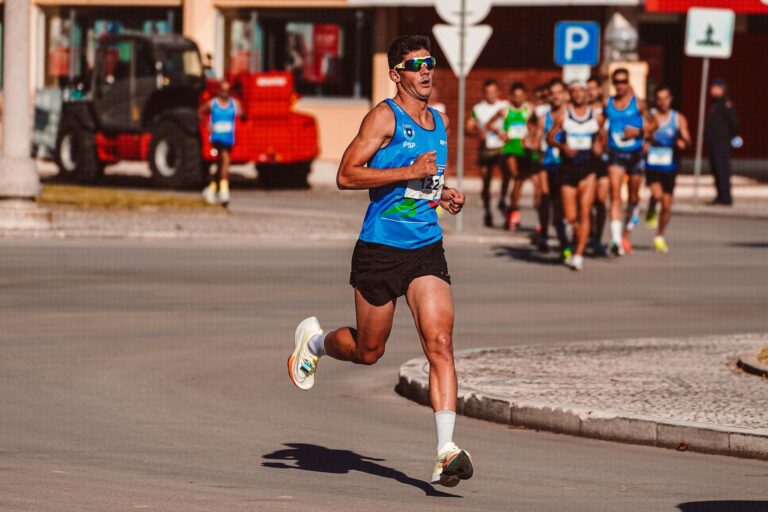
Fat loss after 40 requires more than steps, yet millions of adults continue to rely solely on their daily step count as their primary strategy for managing body composition. The assumption seems logical: walk 10,000 steps, burn calories, lose fat. But the physiological reality facing adults over 40 tells a different story, one where hormonal shifts, muscle loss, and metabolic adaptations conspire against simple arithmetic approaches to fat reduction. The problem extends beyond mere calorie deficits. Between ages 30 and 80, adults lose approximately 30 to 40 percent of their muscle mass through a process called sarcopenia, with the steepest declines beginning around age 40.
This muscle loss directly impacts metabolic rate, since each pound of muscle burns roughly six to seven calories at rest compared to two calories per pound of fat. When step-focused cardio becomes the only exercise modality, it often accelerates this muscle loss rather than preventing it, creating a metabolic environment that becomes progressively resistant to fat loss despite consistent effort. This article examines why traditional step-based approaches fall short for the over-40 population and what evidence-based strategies actually work. Readers will learn how hormonal changes affect fat storage patterns, why resistance training becomes non-negotiable rather than optional, how to structure cardio for metabolic benefit rather than muscle sacrifice, and what nutritional modifications support both fat loss and muscle preservation. The goal is not to dismiss walking or steps as worthless, but to place them in proper context within a comprehensive approach that accounts for the unique physiological terrain of midlife.
Table of Contents
- Why Don’t Steps Alone Produce Fat Loss After 40?
- How Hormonal Changes Impact Fat Loss After 40
- The Critical Role of Resistance Training for Midlife Fat Loss
- Building a Fat Loss Exercise Strategy Beyond Step Counting
- Common Mistakes in Fat Loss Approaches After 40
- Nutritional Considerations for Fat Loss After 40
- How to Prepare
- How to Apply This
- Expert Tips
- Conclusion
- Frequently Asked Questions
Why Don’t Steps Alone Produce Fat Loss After 40?
The step-counting phenomenon emerged from a 1960s Japanese marketing campaign for pedometers, not from clinical research on optimal fat loss strategies. The 10,000-step target was chosen because the Japanese character for 10,000 resembles a person walking, making it an attractive branding opportunity. While walking provides undeniable health benefits, including reduced cardiovascular disease risk and improved mental health, its effectiveness as a standalone fat loss tool diminishes significantly with age.
The primary issue involves something called metabolic adaptation. When the body experiences consistent caloric restriction through increased walking, it responds by downregulating non-exercise activity thermogenesis, reducing thyroid hormone output, and becoming more efficient at the movements being performed. Research published in the journal Obesity found that participants who relied primarily on walking for weight loss experienced metabolic rate reductions of 15 to 20 percent within six months, meaning they needed to walk progressively longer distances to achieve the same caloric expenditure.
- Walking burns approximately 80 to 100 calories per mile for a 160-pound person, requiring 35 miles of walking to burn one pound of fat in theory
- The body adapts to regular walking patterns within two to four weeks, reducing caloric expenditure by 10 to 15 percent for the same distance
- Step-based approaches do not provide sufficient mechanical stimulus to preserve muscle mass, which decreases metabolic rate over time
- Cortisol elevations from extended low-intensity cardio can promote abdominal fat storage, particularly in adults over 40

How Hormonal Changes Impact Fat Loss After 40
The hormonal landscape shifts dramatically during the fourth decade and beyond, creating metabolic conditions that make fat loss fundamentally different from what younger adults experience. For men, testosterone levels decline approximately one to two percent annually after age 30, reaching clinically low levels in roughly 20 percent of men by age 60. For women, the perimenopause transition typically begins in the early to mid-40s, marked by fluctuating and eventually declining estrogen and progesterone levels.
These hormonal changes directly affect where the body stores fat and how readily it releases it. Declining testosterone in men promotes visceral fat accumulation around the abdomen, while estrogen reduction in women shifts fat storage from hips and thighs to the midsection. Both scenarios increase insulin resistance, making it harder for cells to use glucose efficiently and promoting additional fat storage. A 2019 study in the Journal of Clinical Endocrinology and Metabolism found that postmenopausal women stored 36 percent more visceral fat than premenopausal women with identical body mass indexes.
- Growth hormone secretion decreases by approximately 14 percent per decade after age 30, reducing the body’s fat-burning and muscle-building capacity
- Declining testosterone reduces muscle protein synthesis rates by 15 to 25 percent in both men and women
- Estrogen decline impairs the body’s ability to use fat as fuel during exercise, shifting energy systems toward carbohydrate dependence
- Chronic stress in midlife elevates cortisol, which promotes muscle breakdown and abdominal fat storage while impairing sleep quality
The Critical Role of Resistance Training for Midlife Fat Loss
Resistance training transitions from optional to essential once adults reach 40, yet it remains the most commonly neglected component of fat loss programs in this demographic. The 2020 Physical Activity guidelines for Americans specifically recommends muscle-strengthening activities at least twice weekly for all adults, yet only 24 percent of adults over 45 meet this guideline. The consequences of this omission become particularly pronounced when attempting fat loss.
Progressive resistance training provides the mechanical tension necessary to signal muscle protein synthesis, directly countering the sarcopenic process that accelerates in midlife. A 2018 meta-analysis in Sports Medicine found that adults over 50 who combined caloric restriction with resistance training preserved 93 percent of their muscle mass during weight loss, compared to just 72 percent preservation in those who used diet and cardio alone. This muscle preservation means more metabolically active tissue remains after the diet, reducing the likelihood of weight regain.
- Resistance training increases resting metabolic rate by 7 to 8 percent through increased muscle mass and the metabolic cost of tissue repair
- Post-exercise oxygen consumption remains elevated for 24 to 48 hours following challenging resistance sessions, increasing total caloric expenditure
- Heavy resistance training stimulates growth hormone and testosterone release regardless of age, partially offsetting hormonal declines
- Compound movements like squats, deadlifts, and rows provide the greatest metabolic and hormonal stimulus per unit of training time

Building a Fat Loss Exercise Strategy Beyond Step Counting
Effective fat loss programming for adults over 40 requires strategic integration of multiple training modalities rather than reliance on any single approach. The optimal structure prioritizes resistance training as the foundation, uses strategic cardio for additional caloric expenditure and cardiovascular health, and incorporates recovery protocols that support adaptation rather than breakdown. The weekly framework should include three to four resistance training sessions targeting all major muscle groups through compound movements.
These sessions need not be lengthy; research indicates that 45 to 60 minutes of focused resistance work produces comparable results to longer sessions when intensity remains appropriate. High-intensity interval training can be incorporated two to three times weekly, providing superior fat oxidation and cardiovascular benefits compared to steady-state cardio in roughly half the time. Walking and general movement remain valuable for recovery, stress management, and general health, but should be viewed as supplementary rather than primary fat loss tools.
- Prioritize resistance training earlier in workouts when energy levels are highest and form quality matters most
- Schedule high-intensity interval sessions at least 48 hours after heavy resistance training to allow adequate recovery
- Use step goals as a minimum activity threshold rather than a primary fat loss mechanism
- Include one to two complete rest days weekly to support hormonal recovery and tissue repair
Common Mistakes in Fat Loss Approaches After 40
The most pervasive error among midlife adults attempting fat loss involves creating caloric deficits too aggressive for their age and activity level. While a 25-year-old might tolerate a 1,000-calorie daily deficit without significant metabolic consequences, adults over 40 typically experience pronounced muscle loss, hormonal disruption, and metabolic slowdown with deficits exceeding 500 to 700 calories. The resulting metabolic adaptation often leads to plateaus that prompt further caloric restriction, creating a destructive cycle that leaves people heavier and with less muscle than when they started. Another critical mistake involves avoiding intensity in favor of volume.
Many adults over 40 believe that gentler, longer exercise sessions protect against injury while still producing results. In reality, insufficient training intensity fails to provide the stimulus necessary for muscle preservation or metabolic adaptation. Research consistently demonstrates that appropriately intense resistance training is safe for older adults and produces superior outcomes compared to light-weight, high-repetition approaches. The key lies in proper progression, adequate recovery, and attention to movement quality rather than avoidance of challenge.
- Excessive cardio without resistance training accelerates muscle loss and metabolic slowdown
- Protein intake often falls below the 1.2 to 1.6 grams per kilogram body weight required for muscle preservation during fat loss
- Poor sleep quality impairs growth hormone release and increases cortisol, directly sabotaging fat loss efforts
- Chronic stress management is frequently overlooked despite cortisol’s documented role in abdominal fat accumulation

Nutritional Considerations for Fat Loss After 40
Protein requirements increase rather than decrease with age, yet most adults over 40 consume insufficient protein to support muscle preservation during caloric restriction. The recommended dietary allowance of 0.8 grams per kilogram represents a minimum to prevent deficiency, not an optimal intake for body composition. Research published in the American Journal of Clinical Nutrition suggests that adults over 40 attempting fat loss should consume 1.2 to 1.6 grams of protein per kilogram of body weight daily, distributed across at least three meals containing 30 to 40 grams each.
Meal timing also takes on increased importance in midlife. The anabolic resistance that develops with age means muscle tissue becomes less responsive to protein feeding, requiring larger protein doses per meal to achieve the same synthetic response. Front-loading protein intake toward breakfast and lunch, when insulin sensitivity tends to be highest, can improve both muscle preservation and blood sugar control. Limiting refined carbohydrates and emphasizing fiber-rich vegetables supports insulin sensitivity while providing the micronutrients necessary for metabolic function.
How to Prepare
- Establish your current baseline by tracking food intake for one week without modification, measuring body composition through methods like waist circumference and progress photos, and documenting current activity levels including steps, structured exercise, and sleep patterns.
- Calculate appropriate caloric and protein targets using a conservative deficit of 300 to 500 calories below maintenance and protein intake of at least 1.2 grams per kilogram of body weight, which for a 180-pound adult translates to approximately 100 grams of protein daily minimum.
- Design a resistance training program that includes compound movements for all major muscle groups, performed three to four days weekly with at least one full rest day between sessions targeting the same muscle groups.
- Select appropriate cardiovascular activities that complement rather than compete with resistance training, including two to three weekly sessions of high-intensity interval training lasting 15 to 25 minutes and daily walking for general health and recovery.
- Address recovery factors by establishing consistent sleep schedules targeting seven to nine hours nightly, implementing stress management practices, and planning active recovery activities for non-training days.
How to Apply This
- Begin each week with your resistance training sessions already scheduled as non-negotiable appointments, treating them with the same priority as important work meetings or medical appointments.
- Track protein intake for the first four weeks until adequate consumption becomes habitual, using a simple food tracking application or handwritten log to ensure each meal contains 30 or more grams of protein.
- Monitor progress through multiple metrics rather than scale weight alone, including waist measurements taken weekly at the navel, progress photographs taken monthly in consistent lighting and clothing, and strength improvements tracked in your training log.
- Adjust training and nutritional variables every four to six weeks based on objective progress markers, increasing resistance training volume or intensity when strength plateaus, modifying caloric intake when fat loss stalls for more than two weeks, and prioritizing recovery when fatigue accumulates.
Expert Tips
- Perform resistance training in the morning when testosterone and growth hormone levels peak naturally, maximizing the anabolic stimulus from each session and taking advantage of your body’s circadian rhythm.
- Consume 20 to 40 grams of protein within two hours following resistance training to capitalize on the enhanced muscle protein synthesis window that persists for 24 to 48 hours post-exercise.
- Implement weekly diet breaks where calories return to maintenance levels for one to two days, which helps prevent metabolic adaptation and provides psychological relief from restriction without derailing progress.
- Prioritize sleep optimization aggressively, as even mild sleep restriction of one to two hours nightly reduces testosterone, increases cortisol, and shifts weight loss from fat toward muscle loss according to multiple controlled studies.
- Use step counts as a floor rather than a ceiling, maintaining 7,000 to 10,000 daily steps for general health while recognizing that additional steps beyond this threshold provide diminishing returns for fat loss compared to investing that time in resistance training or recovery.
Conclusion
Fat loss after 40 demands a fundamentally different approach than the step-counting strategies that dominate popular fitness culture. The physiological changes of midlife, including hormonal shifts, muscle loss, and metabolic adaptation, require a comprehensive response that prioritizes resistance training, strategic cardio, adequate protein, and attention to recovery factors like sleep and stress management. Walking and daily steps remain valuable components of overall health but cannot serve as the primary engine of body composition change in this demographic.
The good news is that adults over 40 who implement evidence-based strategies often achieve results that exceed their expectations. Muscle tissue remains responsive to training stimulus at any age, metabolic rate can be increased through intelligent programming, and the discipline developed through decades of life experience provides an advantage in consistency that younger adults often lack. The path forward requires abandoning the simplistic step-counting approach in favor of a more sophisticated strategy, but the results justify the additional complexity. Beginning today with a focus on progressive resistance training, adequate protein intake, and realistic expectations positions any motivated adult for sustainable fat loss success regardless of their starting point or previous frustrations.
Frequently Asked Questions
How long does it typically take to see results?
Results vary depending on individual circumstances, but most people begin to see meaningful progress within 4-8 weeks of consistent effort. Patience and persistence are key factors in achieving lasting outcomes.
Is this approach suitable for beginners?
Yes, this approach works well for beginners when implemented gradually. Starting with the fundamentals and building up over time leads to better long-term results than trying to do everything at once.
What are the most common mistakes to avoid?
The most common mistakes include rushing the process, skipping foundational steps, and failing to track progress. Taking a methodical approach and learning from both successes and setbacks leads to better outcomes.
How can I measure my progress effectively?
Set specific, measurable goals at the outset and track relevant metrics regularly. Keep a journal or log to document your journey, and periodically review your progress against your initial objectives.
When should I seek professional help?
Consider consulting a professional if you encounter persistent challenges, need specialized expertise, or want to accelerate your progress. Professional guidance can provide valuable insights and help you avoid costly mistakes.
What resources do you recommend for further learning?
Look for reputable sources in the field, including industry publications, expert blogs, and educational courses. Joining communities of practitioners can also provide valuable peer support and knowledge sharing.