After 50, easy cardio stops working the way it used to, and millions of runners and fitness enthusiasts discover this frustrating reality every year. The walking routine that kept weight stable for decades suddenly seems ineffective. The light jogging that once improved energy levels now barely registers as exercise. This phenomenon is not imagination or lack of effort””it represents genuine physiological changes that alter how the body responds to low-intensity cardiovascular exercise. The human body at 50 and beyond operates under different metabolic rules than it did at 30 or 40.
Hormonal shifts, changes in muscle mass, decreased mitochondrial efficiency, and alterations in cardiovascular responsiveness all conspire to reduce the effectiveness of exercise that once delivered reliable results. Understanding these changes is essential for anyone hoping to maintain fitness, manage weight, and preserve cardiovascular health in the second half of life. This article examines the science behind why easy cardio becomes less effective after 50, what specific physiological mechanisms drive these changes, and most importantly, what strategies actually work to restore exercise effectiveness. Readers will learn how to modify their approach to cardiovascular fitness, which intensity levels produce results, how to safely progress training, and what complementary strategies maximize the benefits of every workout. The goal is not to work harder for the sake of suffering, but to work smarter based on how the body actually functions at this stage of life.
Table of Contents
- Why Does Easy Cardio Stop Working After 50?
- The Metabolic Slowdown After 50 and Its Impact on Cardio Results
- Heart Rate Zones and Exercise Intensity Changes for Older Adults
- Effective Cardio Modifications When Easy Exercise Stops Working After 50
- Common Mistakes When Cardio Results Plateau After 50
- The Role of Strength Training When Cardio Alone Falls Short
- How to Prepare
- How to Apply This
- Expert Tips
- Conclusion
- Frequently Asked Questions
Why Does Easy Cardio Stop Working After 50?
The decline in easy cardio effectiveness after 50 stems from multiple interconnected physiological changes that accumulate over time. The most significant factor is the natural decrease in muscle mass called sarcopenia, which begins around age 30 but accelerates notably after 50. Muscle tissue is metabolically active, burning calories even at rest, so less muscle means fewer calories burned during both exercise and daily activities. A person who has lost 10 pounds of muscle over two decades now requires fewer calories to maintain weight, making the same exercise routine progressively less impactful. Hormonal changes play an equally important role in this equation. Testosterone levels in men decline approximately 1-2% per year after age 30, while women experience dramatic estrogen changes during perimenopause and menopause. Both hormones influence muscle maintenance, fat distribution, metabolic rate, and exercise recovery.
Lower testosterone reduces the body’s ability to build and maintain muscle, while declining estrogen shifts fat storage toward the abdominal region and affects insulin sensitivity. These hormonal shifts mean the body responds differently to the same exercise stimulus it received for years. Cardiovascular system changes compound these effects. Maximum heart rate decreases predictably with age (roughly 220 minus age remains the standard estimate), which affects training zones and exercise intensity. The heart’s stroke volume and the blood vessels’ elasticity also decline, reducing the cardiovascular system’s overall efficiency. Additionally, mitochondria””the cellular powerhouses that produce energy””become less efficient and fewer in number with age. This mitochondrial decline means the body extracts less energy from the same exercise effort, requiring either longer duration or higher intensity to achieve comparable results.
- Sarcopenia reduces resting metabolic rate by 2-3% per decade after 50
- Hormonal changes alter how the body processes and stores energy
- Cardiovascular efficiency decreases, requiring greater stimulus for adaptation

The Metabolic Slowdown After 50 and Its Impact on Cardio Results
Metabolic rate changes after 50 represent one of the most significant factors in reduced cardio effectiveness, though the science reveals a more nuanced picture than commonly understood. Research published in Science in 2021 demonstrated that metabolism remains relatively stable from age 20 to 60, with the dramatic decline occurring primarily after 60. However, this finding reflects total metabolism, while the metabolically active tissue composition shifts considerably throughout middle age. The practical result is that easy cardio burns fewer total calories because the person performing it has less muscle mass driving that metabolism. The body’s thermic response to exercise also changes with age. Excess post-exercise oxygen consumption (EPOC)””the elevated calorie burn that continues after a workout ends””diminishes when exercise intensity remains low.
Easy cardio at a comfortable pace produces minimal EPOC at any age, but younger bodies compensate through higher baseline metabolic rates and more efficient recovery systems. After 50, the margin for error disappears. Low-intensity exercise that barely elevated heart rate now produces almost no metabolic after-effect, meaning calories burned during the workout represent the entire benefit. Insulin sensitivity changes add another layer to this metabolic puzzle. The body’s ability to efficiently process glucose and manage blood sugar typically decreases with age, a condition exacerbated by the loss of muscle tissue (which serves as a major glucose sink). Easy cardio provides some insulin sensitivity benefit, but research consistently shows that more intense exercise produces substantially greater improvements in glucose metabolism. For adults over 50 trying to manage weight and metabolic health, the intensity threshold required to produce meaningful change has shifted upward.
- Resting metabolic rate decline accelerates muscle loss effects
- EPOC benefits require higher intensity thresholds after 50
- Insulin sensitivity improvements demand more challenging exercise
Heart Rate Zones and Exercise Intensity Changes for Older Adults
Understanding heart rate zones becomes critical when easy cardio stops delivering results after 50. The traditional five-zone system divides exercise intensity from very light (Zone 1) to maximum effort (Zone 5), with easy cardio typically falling in Zones 1-2. While this foundation remains valid, the physiological response to each zone changes with age, and the zones themselves shift downward as maximum heart rate decreases. A 55-year-old working at what feels like moderate effort may actually be exercising in Zone 1, producing minimal cardiovascular adaptation. The concept of training threshold becomes particularly relevant for this age group. Below certain intensity levels, the body simply maintains its current state rather than adapting and improving.
Research on older adults consistently demonstrates that meaningful cardiovascular improvements require working at or above the ventilatory threshold””the point where breathing becomes noticeably harder and conversation becomes difficult. For most people over 50, this occurs around 70-80% of maximum heart rate, well above the comfortable pace that defines easy cardio. Heart rate monitoring takes on new importance in this context. Perceived exertion often becomes unreliable after 50, as the body’s signals and subjective experience diverge from actual physiological state. Many older adults report that exercise feels harder than heart rate data suggests, while others underestimate their effort. Using a heart rate monitor provides objective feedback about whether workouts reach the intensity levels necessary for adaptation. The goal is not constant high-intensity training, but ensuring that enough sessions reach the threshold required to produce change.
- Zone 2 training still provides base fitness benefits but requires accurate zone calculation
- Threshold training becomes essential for continued cardiovascular improvement
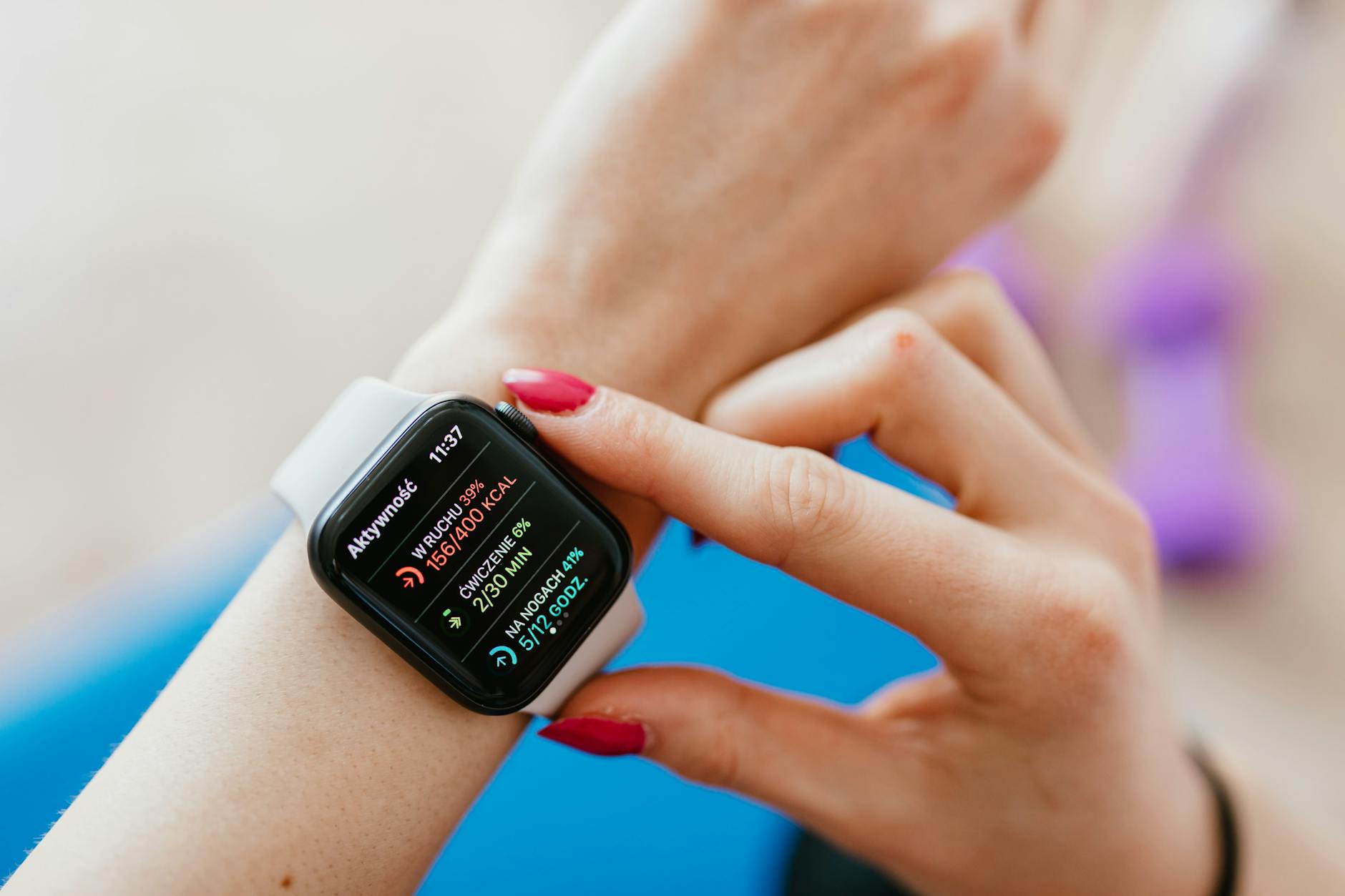
- Heart rate monitoring provides objective intensity feedback
Effective Cardio Modifications When Easy Exercise Stops Working After 50
Modifying cardio approaches after 50 requires strategic changes rather than simply exercising longer or pushing harder on every workout. The most effective modification is introducing interval training, which alternates between higher-intensity efforts and recovery periods. This approach has been extensively studied in older populations, with research consistently showing superior cardiovascular benefits compared to continuous moderate exercise. Even relatively gentle intervals””such as alternating brisk walking with normal pace””produce meaningful improvements that steady-state easy cardio cannot match. Progressive overload principles apply to cardiovascular training just as they do to strength training. The body adapts to demands placed upon it, then reaches equilibrium if those demands remain constant. After 50, the adaptation process slows while the equilibrium point occurs more quickly, creating a situation where the same routine becomes ineffective faster.
Systematically increasing either intensity, duration, or training volume over time ensures continuous adaptation. This might mean adding slightly steeper hills to a walking route, incorporating short running intervals into a jog, or extending the challenging portions of a workout while keeping total time constant. Cross-training becomes particularly valuable when single-modality cardio stops producing results. Different activities stress the cardiovascular system in different ways, recruiting different muscle groups and movement patterns. A runner who adds cycling, swimming, or rowing provides novel stimulus that the adapted-to-running body cannot ignore. This variety also reduces repetitive stress injuries, a critical consideration for joints and connective tissues that recover more slowly after 50. The goal is strategic variation that maintains cardiovascular challenge while respecting the body’s need for recovery.
- Interval training produces superior cardiovascular adaptations in older adults
- Progressive overload prevents adaptation plateaus
- Cross-training provides novel stimulus and injury protection
Common Mistakes When Cardio Results Plateau After 50
The most prevalent mistake when easy cardio stops working is simply doing more of the same. Adding another 30 minutes to an already-ineffective walking routine produces diminishing returns while increasing injury risk and requiring substantial time investment. The body has already adapted to this stimulus; more of it does not force further adaptation. This approach often leads to frustration, overuse injuries, and eventual abandonment of exercise altogether””the worst possible outcome for long-term health. Another common error is swinging to the opposite extreme and attempting high-intensity training without proper preparation. The enthusiasm to “finally get results” can lead to training loads that exceed the body’s recovery capacity, causing injury, excessive fatigue, or overtraining syndrome.
Connective tissues, which adapt more slowly than the cardiovascular system, are particularly vulnerable to rapid intensity increases. The principle of gradual progression exists for good reason””sustainable improvement requires respecting biological adaptation timelines. Neglecting recovery represents a third significant mistake. Sleep quality often decreases after 50, stress management becomes more challenging, and nutritional needs shift. All of these factors affect exercise recovery and adaptation. Training hard while sleeping poorly, eating inadequately, or carrying chronic stress produces inferior results compared to moderate training combined with excellent recovery practices. Many people discover that improving sleep quality or addressing nutritional gaps produces better fitness results than any training modification.
- More volume of ineffective exercise does not restore effectiveness
- Rapid intensity increases exceed adaptation capacity
- Poor recovery practices undermine training benefits

The Role of Strength Training When Cardio Alone Falls Short
When cardio stops delivering results after 50, strength training often provides the missing piece. Resistance exercise directly addresses sarcopenia, the muscle loss that reduces metabolic rate and diminishes cardio effectiveness. Building or maintaining muscle mass increases the number of calories burned both during exercise and at rest, restoring some of the metabolic advantage that declined with age. Research consistently shows that older adults who combine cardiovascular and resistance training achieve superior outcomes compared to those who focus on either modality alone. Strength training also improves cardiovascular exercise performance in ways that may surprise those who view these activities as separate domains. Stronger leg muscles generate more power during walking, running, or cycling, enabling higher work output at the same perceived effort level.
Core strength improves running economy and posture, reducing energy waste. Even upper body strength contributes by maintaining arm swing efficiency and reducing fatigue during longer cardiovascular sessions. This complementary relationship means that time spent strength training may actually improve cardio results more than additional cardio time would. The recommendation for adults over 50 is a minimum of two strength training sessions per week, targeting all major muscle groups. These sessions need not be lengthy or involve heavy weights””research demonstrates that moderate loads lifted with proper form produce significant benefits for this population. The key is consistency and progressive challenge over time. For those who have relied exclusively on cardio, adding strength training represents perhaps the single most impactful change they can make.
How to Prepare
- **Establish current baseline metrics** by tracking resting heart rate, typical exercise heart rate at your normal easy pace, and perceived exertion during workouts. Note whether you can easily hold a conversation throughout exercise, which indicates true Zone 2 effort, or whether current “easy” cardio actually challenges you more than realized.
- **Calculate accurate heart rate training zones** using your current maximum heart rate rather than outdated numbers from years past. If possible, conduct a field test under medical supervision to determine actual maximum heart rate, as the 220-minus-age formula becomes increasingly inaccurate with age and fitness variation.
- **Assess recovery capacity** by noting how long soreness lasts after challenging workouts, how sleep quality affects next-day energy, and whether you experience persistent fatigue. This information guides how aggressively to modify training intensity and how much recovery time to schedule between harder sessions.
- **Evaluate current strength and mobility** through basic assessments like timed chair stands, single-leg balance, and range of motion in major joints. These factors affect both injury risk and exercise effectiveness, highlighting areas that need attention alongside cardiovascular modifications.
- **Consult appropriate medical professionals** if you have cardiovascular risk factors, have been sedentary, or plan significant intensity increases. Exercise stress testing can reveal issues that might not appear during easy cardio but could become problematic at higher intensities.
How to Apply This
- **Replace one or two weekly easy cardio sessions with interval training**, starting with very gentle intervals such as 30 seconds of brisk effort followed by 90 seconds of easy recovery, repeating for 15-20 minutes. Progress by gradually increasing the challenging intervals and decreasing recovery time over weeks.
- **Add two strength training sessions per week** on non-consecutive days, focusing on compound movements like squats, hinges, pushes, pulls, and carries. Begin with bodyweight or light resistance, emphasizing form and range of motion before adding significant load.
- **Monitor heart rate during remaining steady-state cardio** to ensure you actually reach Zone 2 (approximately 60-70% of maximum heart rate) rather than the very easy Zone 1 effort that produces minimal adaptation. Adjust pace, terrain, or exercise modality as needed to achieve appropriate intensity.
- **Implement progressive overload systematically** by increasing either intensity, duration, or frequency by no more than 10% per week. Track workouts in a simple log to ensure gradual progression rather than haphazard intensity variation.
Expert Tips
- **Prioritize consistency over intensity initially.** Establishing the habit of varied-intensity training matters more than any single workout. Missing sessions due to injury or burnout sets progress back further than starting conservatively.
- **Use the talk test as a practical intensity guide.** During easy cardio, you should be able to speak in complete sentences. During threshold work, you should be able to speak only in short phrases. During intervals, conversation becomes impossible.
- **Schedule recovery as deliberately as workouts.** Plan at least one complete rest day per week and ensure hard sessions are followed by easy days or rest. Recovery is when adaptation occurs, not during the workout itself.
- **Address sleep quality aggressively.** Poor sleep undermines all training adaptations. Improvements in sleep hygiene often produce better fitness results than training modifications alone.
- **Expect adaptation to take longer than it did at younger ages.** Meaningful cardiovascular improvements may require 8-12 weeks of consistent training rather than the 4-6 weeks typical for younger adults. Patience and persistence matter more than aggressive progression.
Conclusion
The reality that easy cardio stops working after 50 represents a significant but entirely manageable challenge for anyone committed to maintaining cardiovascular fitness. Understanding the physiological mechanisms behind this change””sarcopenia, hormonal shifts, metabolic adaptations, and cardiovascular system changes””provides the foundation for intelligent modification. Rather than simply accepting declining fitness or blindly increasing exercise volume, strategic changes in intensity, variety, and complementary training restore exercise effectiveness.
The key principles remain consistent across individual circumstances: introduce appropriate intensity through intervals or threshold work, add resistance training to address muscle loss, ensure accurate training zone calculation and monitoring, and respect recovery needs that change with age. These modifications do not require extreme measures or uncomfortable training””they require informed adjustments based on how the body actually functions after 50. Those who make these changes typically report not just restored results, but often breakthrough improvements that exceed what years of easy cardio ever provided. The body remains highly adaptable at any age; it simply requires appropriate stimulus to demonstrate that capacity.
Frequently Asked Questions
How long does it typically take to see results?
Results vary depending on individual circumstances, but most people begin to see meaningful progress within 4-8 weeks of consistent effort. Patience and persistence are key factors in achieving lasting outcomes.
Is this approach suitable for beginners?
Yes, this approach works well for beginners when implemented gradually. Starting with the fundamentals and building up over time leads to better long-term results than trying to do everything at once.
What are the most common mistakes to avoid?
The most common mistakes include rushing the process, skipping foundational steps, and failing to track progress. Taking a methodical approach and learning from both successes and setbacks leads to better outcomes.
How can I measure my progress effectively?
Set specific, measurable goals at the outset and track relevant metrics regularly. Keep a journal or log to document your journey, and periodically review your progress against your initial objectives.
When should I seek professional help?
Consider consulting a professional if you encounter persistent challenges, need specialized expertise, or want to accelerate your progress. Professional guidance can provide valuable insights and help you avoid costly mistakes.
What resources do you recommend for further learning?
Look for reputable sources in the field, including industry publications, expert blogs, and educational courses. Joining communities of practitioners can also provide valuable peer support and knowledge sharing.