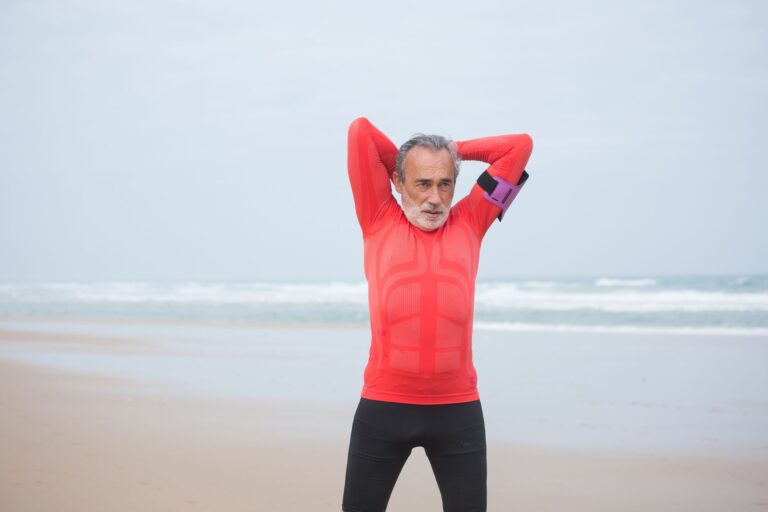
The growing body of research on why longevity studies favor effort, not just activity, represents a fundamental shift in how scientists understand the relationship between exercise and lifespan. For decades, public health guidelines emphasized simply moving more, counting steps, and avoiding sedentary behavior. While that advice remains valid, recent investigations into cardiovascular health and mortality reveal a more nuanced picture: the intensity of your physical exertion matters as much as, if not more than, the total volume of movement accumulated throughout the day. This distinction carries profound implications for runners and anyone pursuing cardiovascular fitness with long-term health in mind.
The difference between a leisurely walk and a challenging tempo run extends far beyond calories burned in that single session. Emerging evidence suggests that higher-effort exercise triggers specific physiological adaptations, from improved mitochondrial function to enhanced cardiac remodeling, that lower-intensity movement simply cannot replicate. These adaptations appear to translate directly into reduced mortality risk, fewer cardiovascular events, and better preservation of physical function into advanced age. By the end of this article, you will understand the scientific mechanisms that explain why effort-based exercise produces superior longevity outcomes, how researchers measure and classify exercise intensity, what specific intensity thresholds appear most beneficial, and how to practically apply these findings to your own training. Whether you are a seasoned marathoner or someone just beginning to take running seriously, grasping this effort-versus-activity distinction will help you train smarter and potentially add healthy years to your life.
Table of Contents
- What Do Longevity Studies Actually Measure When Comparing Effort and Activity?
- The Physiological Mechanisms Behind Effort-Driven Longevity Benefits
- How Much Vigorous Effort Do Longevity Studies Recommend?
- Practical Ways to Increase Training Effort for Longevity Benefits
- Common Misconceptions About Activity Versus Effort in Longevity Research
- The Role of Cardiorespiratory Fitness as a Longevity Biomarker
- How to Prepare
- How to Apply This
- Expert Tips
- Conclusion
- Frequently Asked Questions
What Do Longevity Studies Actually Measure When Comparing Effort and Activity?
Understanding how researchers differentiate between effort and mere activity requires familiarity with several key metrics. Activity, in most studies, refers to total movement volume, often expressed as steps per day, minutes of physical activity, or metabolic equivalent minutes (MET-minutes) accumulated weekly. These measurements capture whether someone is sedentary or active but tell an incomplete story.
Effort, by contrast, involves exercise performed at elevated intensities, typically defined as moderate (50-70% of maximum heart rate) or vigorous (70-85% of maximum heart rate), where the cardiovascular and metabolic systems experience genuine stress. Large-scale prospective cohort studies, such as those drawing from the UK Biobank or the Copenhagen City Heart Study, now routinely stratify participants not just by how much they move but by how hard they work during that movement. Accelerometers worn on the wrist or hip can detect not only total movement but also the acceleration patterns that indicate higher-intensity efforts. When researchers analyze mortality outcomes against these intensity-stratified data, a consistent pattern emerges: individuals who accumulate significant time at moderate-to-vigorous intensity levels show substantially lower all-cause and cardiovascular mortality than those who move frequently but gently.
- **Metabolic Equivalents (METs)**: One MET equals resting metabolic rate. Walking slowly registers around 2-3 METs, while running at a moderate pace reaches 8-10 METs. Studies increasingly weight exercise by MET level.
- **Heart Rate Reserve**: Many studies use percentage of heart rate reserve to classify intensity, providing a more individualized assessment than absolute heart rate alone.
- **Rate of Perceived Exertion (RPE)**: Some research incorporates subjective effort ratings, which correlate well with physiological measures and capture the personal challenge an activity presents.

The Physiological Mechanisms Behind Effort-Driven Longevity Benefits
The body responds to physical effort through a cascade of adaptations that low-intensity activity fails to trigger with equal potency. When you run at a pace that elevates your heart rate significantly and makes conversation difficult, you impose a stimulus that forces adaptation. Your heart muscle strengthens, increasing stroke volume so it pumps more blood per beat. Your blood vessels become more compliant and responsive, improving their ability to dilate and regulate blood pressure. Your skeletal muscles develop additional capillary networks, enhancing oxygen delivery and waste removal.
At the cellular level, vigorous effort activates pathways that influence longevity directly. High-intensity exercise stimulates mitochondrial biogenesis, the creation of new mitochondria within cells, more powerfully than gentle movement. Since mitochondrial dysfunction is implicated in aging and age-related disease, this represents a plausible mechanism linking effort to extended healthspan. Additionally, intense exercise promotes autophagy, the cellular housekeeping process that clears damaged proteins and dysfunctional organelles. This cleanup function appears crucial for maintaining tissue health over time.
- **VO2max Improvement**: Vigorous exercise is the most effective way to increase maximal oxygen uptake, and VO2max stands as one of the strongest predictors of longevity, more powerful than smoking status or blood pressure in some analyses.
- **Hormonal Signaling**: High-effort exercise triggers robust releases of growth hormone, brain-derived neurotrophic factor (BDNF), and other compounds associated with tissue repair and cognitive protection.
- **Inflammatory Modulation**: While acute intense exercise briefly elevates inflammatory markers, regular vigorous training reduces chronic systemic inflammation, a key driver of cardiovascular disease and aging.
How Much Vigorous Effort Do Longevity Studies Recommend?
Quantifying the ideal dose of high-intensity exercise remains an active area of investigation, but several consistent findings have emerged. A landmark 2022 study published in Circulation examined over 100,000 participants and found that replacing just 15-20 minutes of light activity with vigorous activity daily was associated with a 16-17% reduction in mortality risk. Notably, the benefits of vigorous activity continued accumulating well beyond minimum recommended thresholds, with no apparent upper limit observed in the data for recreational exercisers.
Current physical activity guidelines from organizations like the World Health Organization and the American Heart Association recommend 150-300 minutes of moderate-intensity or 75-150 minutes of vigorous-intensity aerobic activity weekly. However, emerging research suggests these may represent minimums rather than optima. Data from the Copenhagen City Heart Study indicated that runners who logged even modest weekly distances at genuine running paces, not shuffling jogs, experienced substantially lower mortality than non-runners or those who walked equivalent distances.
- **The 75-Minute Threshold**: Accumulating at least 75 minutes of vigorous activity weekly appears to confer the majority of mortality reduction benefits, though more may be better.
- **Vigorous Intensity Definition**: For most adults, vigorous intensity corresponds to activities where you cannot speak more than a few words without pausing for breath.
- **Diminishing Returns Curve**: Benefits accumulate rapidly at first, with the greatest relative risk reduction occurring when moving from sedentary to minimally active, then continue more gradually with additional effort.

Practical Ways to Increase Training Effort for Longevity Benefits
Translating research findings into actionable training modifications need not involve dramatic overhauls of your routine. For runners, the most straightforward approach involves incorporating structured higher-intensity sessions within an otherwise moderate training week. This might mean adding one tempo run, where you sustain a challenging but controlled pace for 20-40 minutes, and one interval session, where you alternate between hard efforts and recovery periods, to your weekly schedule.
Heart rate monitoring provides objective feedback on whether your efforts genuinely qualify as vigorous. If you lack a heart rate monitor, the talk test offers a reliable proxy: during vigorous exercise, speaking should feel difficult, and you should prefer to remain silent. Many recreational runners underestimate how slowly they can run while still accumulating volume, which means their easy runs drift into an unproductive middle zone, too hard to recover from quickly but too easy to stimulate significant adaptation.
- **Polarized Training Model**: Elite endurance athletes often train using a polarized approach, with roughly 80% of training at low intensity and 20% at high intensity, minimizing time in the moderate zone.
- **Progressive Overload**: Gradually increasing the duration or intensity of hard sessions over weeks and months allows the body to adapt without excessive injury risk.
- **Recovery Emphasis**: High-effort training demands adequate recovery. Ensuring sufficient sleep, nutrition, and easy days between hard sessions maximizes the adaptive response.
Common Misconceptions About Activity Versus Effort in Longevity Research
One persistent misunderstanding holds that step counts alone capture exercise quality. While reaching 8,000-10,000 daily steps correlates with reduced mortality, this association partly reflects the fact that achieving high step counts often requires some brisk walking or running, which introduces effort. Two individuals with identical step counts may have radically different mortality risk profiles if one accumulates steps through leisurely strolling and the other includes vigorous running.
Another misconception involves the belief that vigorous exercise becomes inappropriate or dangerous as people age. While older adults should approach high-intensity training with appropriate caution and ideally medical clearance, research consistently shows that vigorous effort benefits extend across age groups. Studies of masters athletes, those competing in running and other sports into their 60s, 70s, and beyond, document cardiovascular function and metabolic health far superior to sedentary age-matched peers. The key lies in gradual progression, proper form, and listening to warning signs rather than avoiding effort altogether.
- **The More-Is-Always-Better Fallacy**: Extreme volumes of high-intensity exercise, as seen in some ultramarathon runners, may produce diminishing or even negative returns. Balance remains important.
- **Equating Fatigue with Effort**: Feeling tired does not guarantee you trained at beneficial intensities. Fatigue can result from insufficient sleep, poor nutrition, or overreaching without adequate recovery.

The Role of Cardiorespiratory Fitness as a Longevity Biomarker
Beyond exercise habits themselves, the fitness level those habits produce serves as a powerful predictor of longevity. Cardiorespiratory fitness, typically measured as VO2max during a graded exercise test, integrates the function of lungs, heart, blood vessels, and muscles into a single metric. Individuals in the top quartile of fitness for their age group show dramatically lower mortality rates than those in the bottom quartile, with some studies suggesting that moving from low to moderate fitness provides mortality reduction comparable to quitting smoking. This perspective reframes exercise as a means to an end rather than an end in itself.
The goal is not simply to check a box indicating you exercised but to build and maintain a high level of cardiovascular function. Vigorous effort, more than low-intensity activity, drives VO2max improvements. A 2018 meta-analysis found that high-intensity interval training produced greater VO2max gains than moderate continuous training in healthy adults, older adults, and those with various chronic conditions. For runners seeking longevity benefits, tracking fitness improvements over time may prove more meaningful than logging total miles or minutes.
How to Prepare
- **Establish Your Baseline Fitness Level**: Consider a VO2max test at a sports medicine facility, or use a fitness watch estimate based on heart rate and pace data. Knowing your starting point allows you to track progress and set realistic intensity targets.
- **Determine Your Heart Rate Zones**: Calculate your maximum heart rate (the formula 220 minus age provides a rough estimate, though individual testing is more accurate) and establish zones. Vigorous intensity typically corresponds to 70-85% of maximum heart rate.
- **Assess Your Current Training Distribution**: Log a typical week of training and categorize sessions by intensity. Many runners discover they spend excessive time at moderate intensity without enough truly easy or truly hard sessions.
- **Identify Opportunities for Intensity**: Look at your schedule for days when you can accommodate a harder session followed by adequate recovery. Most runners can safely include 2-3 higher-intensity sessions weekly.
- **Address Limiting Factors**: If musculoskeletal issues, poor running form, or inadequate aerobic base prevent you from running hard safely, address these first. Building a foundation makes high-effort training sustainable.
How to Apply This
- **Replace One Easy Run With a Tempo Session**: Select a pace you could sustain for about an hour in a race. Run 20-30 minutes at this pace after a warmup. This introduces genuine cardiovascular effort without excessive strain.
- **Add Interval Training Weekly**: After warming up, run 4-6 repetitions of 3-5 minutes at a pace that feels hard but controlled, with equal recovery jogs between. This format efficiently accumulates time at high intensity.
- **Monitor and Record Intensity Metrics**: Use a heart rate monitor or track rate of perceived exertion for each session. Over weeks, ensure your hard sessions are actually hard and your easy sessions are genuinely easy.
- **Periodize Your Training**: Alternate between phases emphasizing different qualities. A base-building phase might focus on volume, while a sharpening phase increases the proportion of vigorous work. This variation promotes adaptation while managing fatigue.
Expert Tips
- **Use the 80/20 Guideline as a Starting Point**: Aim for roughly 80% of training time at low intensity and 20% at high intensity. This ratio appears near-optimal for improving fitness while minimizing injury and burnout risk.
- **Do Not Neglect Easy Running**: Paradoxically, running easier on easy days allows you to run harder on hard days. Truly low-intensity recovery sessions enhance adaptation from previous efforts.
- **Warm Up Thoroughly Before Intense Sessions**: A minimum of 10-15 minutes of progressive warmup prepares the cardiovascular and musculoskeletal systems for hard work and reduces injury risk.
- **Consider Hill Repeats as Effort Training**: Running uphill naturally increases intensity while reducing impact forces compared to flat sprinting. Hills provide an effective and joint-friendly way to accumulate vigorous effort.
- **Track Your Resting Heart Rate and Recovery Metrics**: A rising resting heart rate or prolonged heart rate recovery after exercise may signal overreaching, indicating you need more recovery before your next hard session.
Conclusion
The evidence that longevity studies favor effort over mere activity continues to accumulate, reshaping how we should think about exercise prescription for long-term health. While any movement beats none, and total sedentary time remains a legitimate concern, the research increasingly points toward intensity as a key variable that separates those who age with robust cardiovascular function from those who decline prematurely. For runners, this represents encouraging news: the challenging work you put into tempo runs, intervals, and races likely contributes to your lifespan and healthspan in ways that equivalent time spent strolling would not.
Applying these findings requires neither extreme training volumes nor reckless disregard for recovery and injury prevention. Modest amounts of vigorous effort, 75 minutes or more weekly, integrated thoughtfully into a balanced training plan, appear sufficient to capture most longevity benefits. The practical implication is clear: rather than simply moving more, focus some of your exercise time on moving harder. Track your fitness over time, ensure your hard sessions challenge your cardiovascular system genuinely, and trust that each demanding workout is an investment in your future self.
Frequently Asked Questions
How long does it typically take to see results?
Results vary depending on individual circumstances, but most people begin to see meaningful progress within 4-8 weeks of consistent effort. Patience and persistence are key factors in achieving lasting outcomes.
Is this approach suitable for beginners?
Yes, this approach works well for beginners when implemented gradually. Starting with the fundamentals and building up over time leads to better long-term results than trying to do everything at once.
What are the most common mistakes to avoid?
The most common mistakes include rushing the process, skipping foundational steps, and failing to track progress. Taking a methodical approach and learning from both successes and setbacks leads to better outcomes.
How can I measure my progress effectively?
Set specific, measurable goals at the outset and track relevant metrics regularly. Keep a journal or log to document your journey, and periodically review your progress against your initial objectives.
When should I seek professional help?
Consider consulting a professional if you encounter persistent challenges, need specialized expertise, or want to accelerate your progress. Professional guidance can provide valuable insights and help you avoid costly mistakes.
What resources do you recommend for further learning?
Look for reputable sources in the field, including industry publications, expert blogs, and educational courses. Joining communities of practitioners can also provide valuable peer support and knowledge sharing.