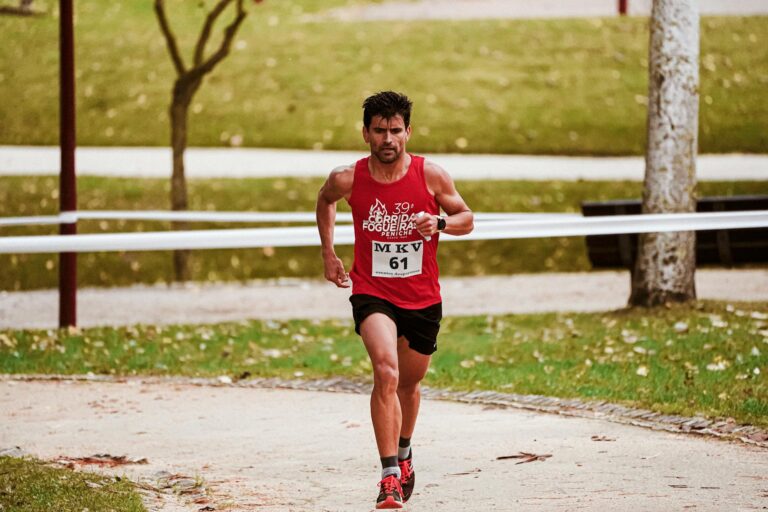
Cardiovascular exercise improves circulation in aging bodies through several interconnected mechanisms: it strengthens the heart muscle so it pumps blood more efficiently, maintains the elasticity of arterial walls that naturally stiffen with age, stimulates the growth of new capillaries in muscle tissue, and reduces the viscosity of blood itself. These adaptations directly counteract the circulatory decline that begins as early as the mid-thirties and accelerates after fifty. A person in their sixties who maintains a regular cardio routine””whether that’s brisk walking, swimming, or cycling””can demonstrate cardiovascular function comparable to sedentary individuals decades younger. Consider the case of masters runners, athletes who compete past age forty.
Research has historically shown that lifelong exercisers maintain significantly greater arterial compliance and endothelial function than their inactive peers, sometimes matching metrics seen in people twenty or thirty years their junior. This isn’t about reversing the clock entirely, but about dramatically slowing the rate at which circulatory capacity diminishes. This article examines the specific physiological changes that make cardio so effective for aging circulation, from structural adaptations in blood vessels to improvements in the blood itself. We’ll also address practical considerations: which types of cardio offer the most benefit, how much exercise is enough, what limitations exist for certain conditions, and how to start safely if you’ve been sedentary.
Table of Contents
- What Happens to Circulation as We Age Without Exercise?
- How Regular Cardio Remodels the Vascular System
- The Heart’s Adaptation to Aerobic Training
- Capillary Growth and Improved Oxygen Delivery
- Choosing Between Cardio Types for Circulation Benefits
- Blood Viscosity and the Risks of Too Little or Too Much
- When Medical Conditions Complicate the Picture
- The Long-Term Outlook for Exercise and Vascular Aging
- Conclusion
What Happens to Circulation as We Age Without Exercise?
Before understanding how cardio helps, it’s worth examining what aging does to the circulatory system when left unchallenged. Beginning in early adulthood, arteries gradually lose their elasticity as collagen replaces the flexible elastin fibers in vessel walls. This arterial stiffening, called arteriosclerosis, forces the heart to work harder to push blood through increasingly rigid pipes. Simultaneously, the endothelium””the single-cell layer lining all blood vessels””becomes less responsive, producing less nitric oxide, the molecule that signals vessels to dilate. The heart itself changes too.
The left ventricle wall thickens, the maximum heart rate decreases by roughly one beat per minute per year past age twenty, and the heart’s ability to fill and empty efficiently declines. Capillary density in muscle tissue decreases, meaning cells receive less oxygen and nutrient delivery even when blood flow is adequate in larger vessels. Blood composition shifts as well, with increased fibrinogen and other factors that make blood more prone to clotting. However, and this is the critical point, these changes are not purely the result of biological aging. Much of what we attribute to getting older is actually the result of decreased physical activity. Longitudinal studies comparing active and sedentary older adults have consistently found that exercise status often predicts cardiovascular function better than chronological age alone.

How Regular Cardio Remodels the Vascular System
Aerobic exercise triggers a cascade of vascular adaptations that directly oppose age-related circulatory decline. During cardio, increased blood flow creates shear stress against arterial walls, stimulating endothelial cells to produce more nitric oxide. Over time, with regular exposure to this stimulus, the endothelium becomes more responsive and vessels dilate more readily””a phenomenon called improved endothelial function. Arterial compliance also improves with consistent cardio training.
While the collagen-for-elastin swap that stiffens arteries can’t be fully reversed, regular exercise appears to slow this process and may partially restore flexibility in vessel walls. Studies have generally found that older adults who begin moderate aerobic exercise programs show measurable improvements in arterial stiffness within weeks to months, though individual responses vary considerably. There’s an important limitation here: very high-intensity exercise, particularly in people with existing cardiovascular disease or long-standing hypertension, may not produce the same benefits and could potentially stress compromised vessels. The dose-response relationship between exercise intensity and vascular health isn’t linear, and more intense isn’t always better for older adults focused on circulation. Moderate-intensity cardio””the kind where you can maintain a conversation but not sing””appears to offer the most consistent benefits for vascular remodeling with the lowest risk profile.
The Heart’s Adaptation to Aerobic Training
The heart responds to regular cardio by becoming more efficient rather than simply larger or stronger in the way skeletal muscle does. Cardiac output””the volume of blood the heart pumps per minute””improves primarily through increased stroke volume rather than increased heart rate. The left ventricle learns to fill more completely and eject blood more efficiently, meaning more oxygen-rich blood reaches tissues with each heartbeat. This efficiency gain is particularly significant for aging bodies because it partially compensates for the decline in maximum heart rate that occurs with age. An older person whose heart rate caps out at 160 beats per minute can still achieve excellent cardiac output if each beat moves a larger volume of blood.
Resting heart rate typically decreases with cardio training as well, a sign that the heart doesn’t need to work as hard to meet the body’s baseline demands. One illustrative example comes from comparing recreational masters swimmers with sedentary controls. Research has historically found that older swimmers maintain cardiac dimensions and function more similar to younger adults than to age-matched inactive individuals. Their hearts show less of the stiffening and diastolic dysfunction””the impaired ability to relax and fill””that characterizes sedentary aging. This doesn’t mean swimming is uniquely beneficial; similar patterns appear across endurance activities. The key factor is consistent aerobic demand over years.

Capillary Growth and Improved Oxygen Delivery
Beyond the heart and major arteries, cardio training stimulates angiogenesis””the formation of new capillaries in muscle tissue. This capillary proliferation increases the surface area available for oxygen and nutrient exchange at the cellular level. For aging muscles that have lost capillary density through years of reduced activity, this represents a meaningful restoration of local circulatory capacity. The process works through growth factors released during exercise, particularly vascular endothelial growth factor (VEGF).
When muscles experience the metabolic stress of aerobic work, they signal the body to expand the vascular network serving them. This adaptation takes time””generally weeks to months of consistent training””but persists as long as the exercise stimulus continues. The practical benefit extends beyond exercise performance. Greater capillary density in leg muscles, for example, means better circulation to extremities that often suffer from diminished blood flow in older adults. People who complain of cold feet or slow-healing minor wounds may find improvement through regular walking or cycling, though this is not a substitute for medical evaluation of circulation problems that could indicate peripheral artery disease.
Choosing Between Cardio Types for Circulation Benefits
Not all cardiovascular exercise affects circulation identically, and understanding the tradeoffs helps in selecting activities appropriate for older bodies. Weight-bearing cardio like walking, jogging, and hiking provides the mechanical stress that helps maintain bone density alongside circulatory benefits””a meaningful consideration since osteoporosis risk increases with age. However, these activities also create impact forces that may be problematic for people with joint issues, particularly in the knees and hips. Non-weight-bearing options like swimming and cycling eliminate impact stress while still providing robust cardiovascular stimulus. Swimming offers the additional benefit of hydrostatic pressure from water immersion, which actually assists venous return and may be particularly comfortable for people with mild circulation problems or varicose veins.
The tradeoff is that swimming doesn’t load bones and requires access to a pool, which can be a logistical barrier. Rowing, whether on water or on an ergometer, provides a full-body cardiovascular workout that includes both upper and lower body engagement. This distributed workload may be easier to sustain than activities that tax the legs exclusively. However, rowing has a steeper technique learning curve than walking or cycling, and poor form can strain the lower back. For most older adults seeking circulation benefits, the best activity is ultimately the one they’ll actually do consistently””whether that’s daily walks, water aerobics classes, or stationary cycling while watching television.

Blood Viscosity and the Risks of Too Little or Too Much
Exercise affects the blood itself, not just the vessels and heart. Regular cardio tends to reduce blood viscosity””the thickness of blood””primarily by increasing plasma volume and improving the deformability of red blood cells. Thinner blood flows more easily through small vessels and places less demand on the heart. This may partially explain why regular exercisers have lower rates of blood clots and strokes. However, acute exercise temporarily increases blood viscosity due to fluid loss through sweat and shifts in blood composition during exertion.
For most healthy individuals, this transient change is harmless and quickly corrected through normal rehydration. But for older adults with existing cardiovascular disease, particularly those on blood-thinning medications, this temporary viscosity increase””combined with elevated blood pressure during exercise””creates a window of elevated risk. This is why medical clearance before starting exercise programs matters more for older adults than for younger ones. It’s also why hydration before, during, and after cardio is particularly important for aging bodies. The circulation benefits of exercise are substantial but must be balanced against acute risks that proper precautions can minimize.
When Medical Conditions Complicate the Picture
Certain health conditions common in older adults require modified approaches to cardio for circulation benefits. Peripheral artery disease (PAD), characterized by arterial plaque buildup in the legs, causes pain with walking that might seem like a reason to avoid exercise. Counterintuitively, supervised walking programs are a primary treatment for PAD, though they must be structured differently than general fitness walking””typically involving shorter bouts with rest periods when claudication pain occurs. Atrial fibrillation, heart valve disorders, and heart failure each require individualized exercise prescriptions.
These conditions don’t preclude cardiovascular exercise””indeed, cardiac rehabilitation programs emphasize exercise for most heart conditions””but intensity, duration, and monitoring needs vary substantially. Someone with controlled atrial fibrillation might exercise safely at moderate intensity, while another person with the same arrhythmia but additional complicating factors might need closer supervision. The consistent finding across cardiac rehabilitation research is that appropriately prescribed exercise improves outcomes for most heart conditions, but “appropriate” requires medical input. Self-prescribed high-intensity interval training is not advisable for someone with uncontrolled hypertension or recent cardiac events, even if such training shows impressive results in healthy populations.
The Long-Term Outlook for Exercise and Vascular Aging
Emerging research continues to refine our understanding of how exercise interacts with vascular aging. Areas of active investigation include the role of exercise in maintaining cognitive function through cerebral blood flow, the potential for exercise to influence the genetic and epigenetic factors in arterial aging, and optimal exercise prescriptions for people at different stages of cardiovascular decline.
What seems increasingly clear is that the circulatory benefits of exercise extend beyond what was appreciated even a decade or two ago, while the risks of inactivity appear even more damaging than previously thought. For older adults, maintaining some form of regular cardio isn’t about athletic performance””it’s about preserving the fundamental infrastructure that delivers oxygen and nutrients to every cell in the body. The exact optimal dose and type remain subjects of ongoing research, but the basic principle that moving is dramatically better than not moving is well established.
Conclusion
Cardiovascular exercise improves circulation in aging bodies through multiple reinforcing mechanisms: enhanced endothelial function, maintained arterial elasticity, improved cardiac efficiency, expanded capillary networks, and beneficial changes to blood composition. These adaptations directly counteract the circulatory decline that would otherwise accelerate with each passing decade, offering a degree of protection that no medication or supplement can replicate.
Starting or maintaining a cardio routine in later life requires attention to individual health status, appropriate activity selection, and often medical input””but these considerations shouldn’t become barriers. The circulation benefits are available to people beginning exercise at any age, though they take consistent effort over weeks and months to develop. For aging bodies, regular cardiovascular exercise isn’t optional if the goal is to maintain circulation adequate for an active, independent life.