The physical signals you notice running 6 miles indoors differ substantially from outdoor running, creating a unique sensory experience that every treadmill runner eventually learns to interpret. Indoor running at this distance””roughly 45 to 60 minutes for most recreational runners””pushes the body through multiple physiological phases while eliminating the natural environmental cues that typically regulate pace and effort. Understanding these signals becomes essential for anyone training seriously on a treadmill, whether due to weather constraints, safety concerns, or personal preference. Running 6 miles represents a middle-distance effort that demands enough time to reveal the body’s full range of responses to sustained cardiovascular work.
Unlike a quick 2-mile run where you might not break a significant sweat, or a 10-mile effort that ventures into glycogen depletion territory, the 6-mile indoor run occupies a sweet spot where heat accumulation, hydration needs, mental focus, and muscular fatigue all become pronounced without pushing into extreme territory. This distance forces runners to confront the reality of indoor conditions: stagnant air, consistent belt speed, and the psychological challenge of running without moving through space. By the end of this article, you will understand exactly what physical responses to expect during each phase of a 6-mile indoor run, why these signals occur differently than outdoors, and how to respond appropriately to each one. This knowledge transforms indoor running from an uncomfortable necessity into a training tool you can use with precision, allowing you to interpret your body’s feedback and adjust accordingly rather than simply enduring the experience.
Table of Contents
- What Physical Signals Should You Expect When Running 6 Miles on a Treadmill?
- Understanding Heat Accumulation During Indoor Running
- Cardiovascular Drift and Heart Rate Signals During 6-Mile Indoor Runs
- Muscular Feedback and Biomechanical Signals on the Treadmill
- Breathing Patterns and Air Quality Signals Indoors
- Mental and Neurological Signals During Extended Indoor Running
- How to Prepare
- How to Apply This
- Expert Tips
- Conclusion
- Frequently Asked Questions
What Physical Signals Should You Expect When Running 6 Miles on a Treadmill?
The first mile of an indoor 6-mile run typically produces signals of thermal adjustment and cardiovascular warm-up. Your heart rate climbs from resting levels toward your aerobic zone, breathing deepens and becomes more rhythmic, and your body begins redirecting blood flow toward working muscles. Most runners notice their legs feeling heavy or stiff during this initial phase, particularly if they skipped a proper warm-up. The absence of wind resistance becomes immediately apparent””your face feels warmer than it would outside, and sweat begins forming earlier than expected. Between miles two and four, the body settles into steady-state running but simultaneously begins accumulating heat at an accelerated rate. Core temperature rises more quickly indoors because the lack of airflow eliminates convective cooling””the process that dissipates heat when air moves across sweating skin.
Runners typically notice sweat dripping rather than evaporating, which signals that the cooling system is working but struggling against environmental constraints. Heart rate may drift upward by 5-10 beats per minute even at constant pace, a phenomenon called cardiovascular drift that occurs as plasma volume decreases and the heart compensates by beating faster. The final two miles reveal the accumulated effects of indoor conditions. Muscular fatigue becomes more pronounced, often manifesting as heaviness in the quadriceps and tightness in the hip flexors””both exacerbated by the unchanging surface and repetitive motion of treadmill running. Mental focus typically wavers during this phase, and many runners report heightened awareness of physical discomfort including hot spots on feet, friction from damp clothing, and the sensation of breathing warm, humid air. These signals are normal responses to sustained indoor effort and indicate that the body is working hard to maintain performance under challenging thermal conditions.

Understanding Heat Accumulation During Indoor Running
Heat accumulation represents the most significant physiological difference between indoor and outdoor running at the 6-mile distance. The human body generates approximately 75-80% waste heat during running, with only 20-25% of metabolic energy actually propelling you forward. Outdoors, this heat dissipates through radiation, convection, and evaporative cooling.
Indoors, convection drops dramatically because you’re not moving through air””the treadmill belt moves beneath you while you remain stationary relative to the room’s atmosphere. Core temperature during a 6-mile indoor run can rise by 1.5 to 2.5 degrees Fahrenheit in a climate-controlled gym, compared to 0.5 to 1.5 degrees for equivalent outdoor running in moderate conditions. This temperature elevation triggers a cascade of physical signals: increased sweat production, peripheral vasodilation causing flushed skin, and elevated heart rate. Many runners notice that their perceived exertion feels higher indoors even when their pace matches outdoor efforts, and research confirms this isn’t imaginary””the thermal stress genuinely increases the physiological cost of running.
- Core temperature rises 30-50% faster indoors due to reduced convective cooling
- Sweat rates can exceed 1.5 liters per hour in warm gym environments
- Heart rate typically runs 5-15 beats higher at equivalent paces compared to outdoor running
- Skin temperature on the face and torso may reach 95-100°F during sustained indoor effort
Cardiovascular Drift and Heart Rate Signals During 6-Mile Indoor Runs
cardiovascular drift describes the gradual increase in heart rate that occurs during prolonged exercise even when pace and effort remain constant. During a 6-mile indoor run, this phenomenon becomes particularly noticeable because the contributing factors””dehydration and thermal stress””are both amplified by indoor conditions. The mechanism involves a reduction in plasma volume as you sweat, which decreases stroke volume (the amount of blood pumped per heartbeat) and forces the heart to beat faster to maintain adequate blood flow to working muscles.
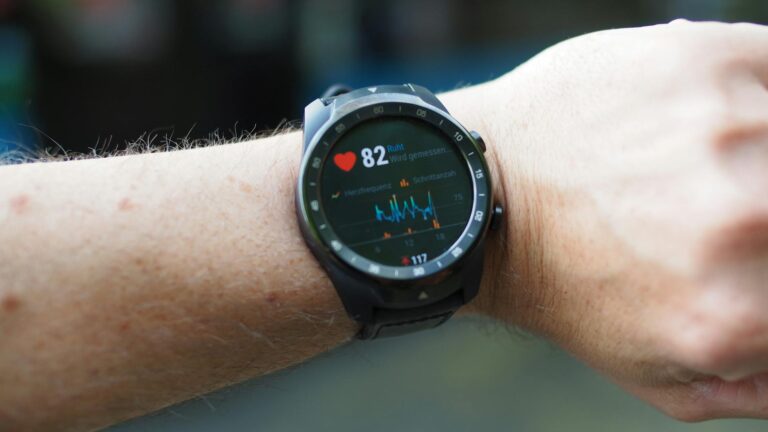
Runners monitoring heart rate during indoor 6-mile efforts typically observe a 5-15 beat elevation between the first and final miles, assuming pace stays constant. This drift signals several things: the body is experiencing thermal stress, hydration status is declining, and the cardiovascular system is working harder to maintain the same output. The signal itself isn’t problematic””it’s a normal physiological adaptation””but recognizing it helps runners make informed decisions about pacing and hydration during longer indoor sessions.
- Heart rate drift of 3-5% from baseline is normal during indoor running
- Drift exceeding 10% may indicate significant dehydration or excessive heat stress
- Individual factors including fitness level, hydration status, and acclimatization affect drift magnitude
- Cooling strategies like fans can reduce drift by 20-40% by improving convective heat loss

Muscular Feedback and Biomechanical Signals on the Treadmill
The treadmill’s perfectly flat, consistent surface creates muscular feedback patterns distinct from outdoor running. The belt assists leg turnover by pulling your foot backward after landing, which reduces hamstring and gluteal workload while potentially increasing quadriceps engagement. Over 6 miles, this altered biomechanical pattern produces specific signals: quadriceps fatigue often appears earlier and more intensely than during outdoor running, while hamstring and calf fatigue may be less pronounced.
Hip flexor strain represents another common signal during longer treadmill runs. The repetitive motion without terrain variation keeps hip flexors in a consistent pattern of engagement, and many runners notice tightness or mild aching in the front of the hip by miles four or five. This signal indicates accumulated stress on muscles that don’t get the micro-recovery opportunities that varied outdoor terrain naturally provides. Foot hotspots also develop more readily indoors because the consistent surface creates repetitive pressure patterns without the subtle variations that outdoor running distributes across the foot.
- Quadriceps fatigue typically appears 15-25% earlier during indoor running at equivalent effort
- Hip flexor engagement remains constant, unlike outdoor running where terrain changes provide variation
- Foot temperature and friction increase due to concentrated pressure patterns
- Proprioceptive signals diminish because the surface provides no feedback about terrain
Breathing Patterns and Air Quality Signals Indoors
Breathing during a 6-mile indoor run delivers information about both effort level and environmental conditions. The air in most gyms carries higher humidity levels than outdoor air, particularly near banks of treadmills where multiple runners are simultaneously exhaling and sweating. This elevated humidity makes breathing feel more labored because humid air is less efficient at cooling the respiratory tract and the evaporative cooling that normally occurs during inhalation is reduced.
Many runners notice that indoor air feels “thick” or “heavy” during longer efforts. This perception reflects several factors: reduced oxygen density in warm air, accumulated carbon dioxide in poorly ventilated spaces, and the psychological impact of breathing recycled air. While oxygen levels remain adequate in properly ventilated facilities, the subtle changes in air composition can affect perceived exertion. Gym air quality varies significantly””facilities with high ceilings and good HVAC systems provide a vastly different breathing experience than basement gyms with minimal ventilation.
- Respiratory rate may increase 10-15% during indoor running compared to outdoor efforts at the same pace
- Humid air reduces respiratory cooling efficiency by 30-40%
- Carbon dioxide levels in busy gym environments can rise to 1000-1500 ppm, compared to 400 ppm outdoors
- Proper ventilation reduces perceived breathing difficulty significantly

Mental and Neurological Signals During Extended Indoor Running
The psychological and neurological signals during 6-mile indoor runs deserve attention because they directly affect performance and perceived exertion. The absence of changing scenery, the monotonous sound of the treadmill motor, and the static visual environment create a unique mental landscape. Most runners experience heightened time awareness””each minute feels longer than during outdoor running because the brain receives fewer novel stimuli to process.
Proprioceptive confusion represents another neurological signal common during treadmill running. The visual system perceives no forward movement while the vestibular system and leg muscles register running motion, creating a mild sensory conflict. This mismatch can produce subtle dizziness in some runners, particularly when dismounting, and contributes to the general sense that treadmill running feels “different” or “harder” than equivalent outdoor effort. The signal serves as a reminder that running is not purely a physical activity””the nervous system plays a crucial role in coordinating movement and regulating effort.
- Time perception typically slows by 20-30% during indoor running compared to outdoor equivalents
- Visual monotony increases perceived exertion independent of physical workload
- Proprioceptive signals from feet and ankles diminish due to consistent surface
- Mental fatigue often precedes physical fatigue during longer indoor sessions
How to Prepare
- **Set up adequate airflow before starting** – Position a fan directly in front of your treadmill, angled toward your torso and face. The artificial wind doesn’t fully replicate outdoor convective cooling, but studies show it reduces core temperature rise by 0.5-1.0°F and decreases heart rate drift by several beats per minute. Large floor fans provide better airflow than the small built-in fans on most treadmills.
- **Pre-hydrate with electrolytes** – Consume 16-20 ounces of fluid with electrolytes in the two hours before your run. Indoor running produces higher sweat rates than outdoor running at equivalent intensities, so starting with optimal hydration status gives your body more buffer before cardiovascular drift becomes pronounced.
- **Choose moisture-wicking clothing** – Select technical fabrics designed to move sweat away from skin. Cotton absorbs moisture and holds it against your body, which actually increases heat retention and creates friction as the fabric becomes saturated. Minimalist clothing that exposes skin to airflow improves cooling efficiency.
- **Perform a dynamic warm-up off the treadmill** – Spend 5-10 minutes on leg swings, hip circles, and light jogging in place before stepping on the belt. This elevates muscle temperature and lubricates joints without accumulating additional heat in the indoor environment, allowing you to start your actual run with muscles primed but body temperature still near baseline.
- **Stage hydration within reach** – Position water bottles where you can access them without breaking stride. Unlike outdoor running where you might wait for a water fountain, indoor running provides the advantage of continuous hydration access””use it strategically by sipping small amounts every 10-15 minutes rather than gulping large volumes infrequently.
How to Apply This
- **Monitor heart rate response throughout your run** – Check heart rate at regular intervals rather than relying solely on pace. If heart rate begins drifting upward beyond 10% of your baseline for that pace, consider slowing down, improving cooling, or increasing fluid intake.
- **Interpret sweat patterns as thermal feedback** – Pay attention to whether sweat is evaporating or simply dripping. If your clothing becomes saturated and sweat runs freely, your cooling system is overwhelmed””this signals the need for better airflow, reduced pace, or both.
- **Adjust pace based on indoor-specific perceived exertion** – Accept that indoor running at equivalent outdoor paces will feel harder due to thermal load. Rather than rigidly maintaining target pace, use perceived exertion or heart rate zones to guide effort level.
- **Address discomfort signals promptly** – When you notice hot spots on feet, hip flexor tightness, or other localized discomfort, make small adjustments immediately rather than ignoring signals until they become problematic. Slight incline changes, brief speed variations, or form adjustments can redistribute stress.
Expert Tips
- **Use the 1% incline setting to approximate outdoor energy expenditure.** Research shows that a slight incline compensates for the lack of wind resistance and the assistance from the moving belt, making treadmill effort more closely match outdoor running at the same pace.
- **Break the run into mental segments to manage monotony.** Rather than thinking about 6 miles as a single block, divide it into 1-mile or 10-minute segments with different music, different focal points, or planned small adjustments. This approach addresses the neurological signals of boredom without requiring external entertainment.
- **Position yourself near climate control vents when possible.** HVAC airflow provides supplemental cooling that reduces thermal stress. Treadmill placement matters””corner units far from ventilation often feel significantly warmer than those positioned in airflow patterns.
- **Practice dismount awareness to manage proprioceptive confusion.** Slow the treadmill gradually over 30-60 seconds at the end of your run rather than stopping abruptly. This allows your vestibular system to recalibrate and reduces the dizziness some runners experience when stepping off after longer indoor sessions.
- **Schedule indoor runs during off-peak gym hours when possible.** Fewer runners means lower ambient temperature and humidity, better air quality, and more access to optimal treadmill positions and fan equipment. The difference in environmental conditions between peak and off-peak hours can be substantial.
Conclusion
The physical signals experienced during 6-mile indoor runs””heat accumulation, cardiovascular drift, muscular fatigue patterns, altered breathing, and neurological responses””represent your body’s intelligent feedback system communicating about conditions that differ meaningfully from outdoor running. Learning to recognize, interpret, and respond to these signals transforms indoor training from mere survival into productive, purposeful work. The runner who understands why heart rate climbs despite constant pace, why sweat patterns indicate cooling efficiency, and why perceived exertion increases independent of fitness changes gains the ability to train effectively regardless of environment.
Indoor running at this distance serves as both a practical training tool and an educational opportunity about your own physiology. The controlled environment actually provides advantages for understanding your body’s signals because variables like wind, terrain, and temperature remain constant, isolating the effects of effort duration and intensity. Approach your next 6-mile indoor run with curiosity about the signals your body produces rather than simply enduring the experience. The feedback you receive contains valuable information about fitness, hydration status, heat tolerance, and mental resilience that applies to all your running, indoor and outdoor alike.
Frequently Asked Questions
How long does it typically take to see results?
Results vary depending on individual circumstances, but most people begin to see meaningful progress within 4-8 weeks of consistent effort. Patience and persistence are key factors in achieving lasting outcomes.
Is this approach suitable for beginners?
Yes, this approach works well for beginners when implemented gradually. Starting with the fundamentals and building up over time leads to better long-term results than trying to do everything at once.
What are the most common mistakes to avoid?
The most common mistakes include rushing the process, skipping foundational steps, and failing to track progress. Taking a methodical approach and learning from both successes and setbacks leads to better outcomes.
How can I measure my progress effectively?
Set specific, measurable goals at the outset and track relevant metrics regularly. Keep a journal or log to document your journey, and periodically review your progress against your initial objectives.
When should I seek professional help?
Consider consulting a professional if you encounter persistent challenges, need specialized expertise, or want to accelerate your progress. Professional guidance can provide valuable insights and help you avoid costly mistakes.
What resources do you recommend for further learning?
Look for reputable sources in the field, including industry publications, expert blogs, and educational courses. Joining communities of practitioners can also provide valuable peer support and knowledge sharing.