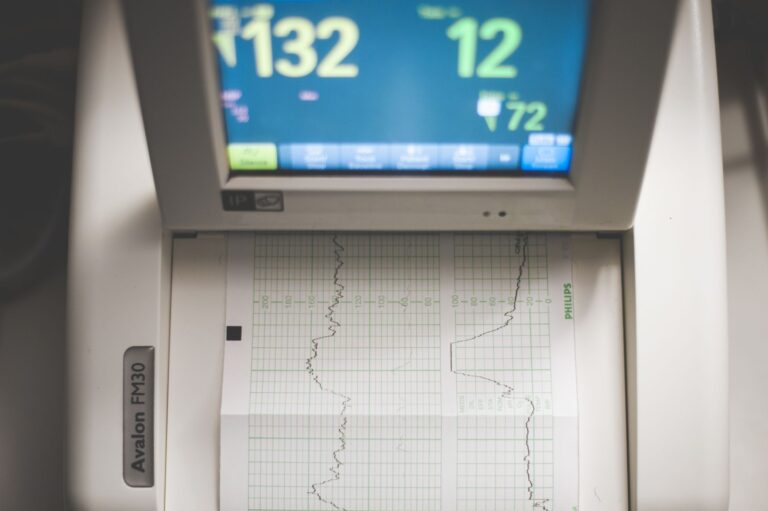
Understanding why your heart rate spikes when you first start running is one of the most fundamental concepts in cardiovascular fitness, yet it remains a source of confusion and anxiety for many new runners. That sudden jump from a resting heart rate of 60-70 beats per minute to 150 or even 170 bpm within the first few minutes of a run can feel alarming, especially when you’re just beginning your running journey. This physiological response, however, is entirely normal and represents your body’s sophisticated system for meeting increased oxygen demands during physical exertion. The initial heart rate spike addresses a critical biological need: delivering oxygenated blood to working muscles at a rate that matches their suddenly increased metabolic requirements.
When you transition from standing still to running, your muscles require up to 20 times more oxygen than they did at rest. Your cardiovascular system must respond immediately to this demand, and the fastest way to increase oxygen delivery is to pump blood faster. This explains why even experienced runners see their heart rates climb rapidly in those opening minutes, though the degree of spike and how quickly it stabilizes varies considerably based on fitness level, warm-up protocol, and individual physiology. By the end of this article, you’ll understand the exact mechanisms behind early-run heart rate elevation, learn why some runners experience more dramatic spikes than others, and discover practical strategies for managing your cardiovascular response during the critical first miles. Whether you’re a complete beginner worried about seeing high numbers on your fitness watch or an intermediate runner looking to optimize your training, this knowledge forms the foundation for smarter, more effective cardiovascular training.
Table of Contents
- What Causes Your Heart Rate to Spike at the Beginning of a Run?
- The Physiology Behind Elevated Heart Rate During Early Running
- How Fitness Level Affects Heart Rate Spikes When Starting to Run
- Practical Strategies to Manage Heart Rate Spikes at the Start of Your Run
- Common Concerns About High Heart Rate When Beginning a Running Program
- The Role of Environmental Factors in Running Heart Rate Response
- How to Prepare
- How to Apply This
- Expert Tips
- Conclusion
- Frequently Asked Questions
What Causes Your Heart Rate to Spike at the Beginning of a Run?
The spike in heart rate when you first start running stems from a cascade of physiological responses collectively known as the cardiovascular drift phenomenon combined with what exercise physiologists call the anticipatory response. Before you even take your first stride, your nervous system begins preparing your body for exertion. The sympathetic nervous system activates, releasing adrenaline and noradrenaline, which immediately begin increasing heart rate and priming blood vessels for the work ahead. This explains why some runners notice their heart rate climbing just from standing at the starting line of a race.
Once movement begins, the oxygen demands of your leg muscles, core, and respiratory muscles increase dramatically within seconds. Your working muscles shift from aerobic metabolism at rest to a combination of aerobic and anaerobic energy production. The heart responds by increasing both the rate of contraction (heart rate) and the force of each contraction (stroke volume). In the first 2-3 minutes, heart rate does most of the heavy lifting because stroke volume takes longer to optimize. Research published in the Journal of Applied Physiology shows that heart rate can increase by 50-70% within the first 60 seconds of moderate-intensity running.
- **Oxygen debt accumulation**: Your muscles begin working before your cardiovascular system has fully ramped up oxygen delivery, creating an immediate oxygen deficit that triggers rapid heart rate increases
- **Catecholamine release**: Stress hormones like adrenaline directly stimulate the sinoatrial node of the heart, accelerating the natural pacemaker function
- **Mechanoreceptor activation**: Sensors in your muscles and joints detect movement and send signals to your brain that trigger cardiovascular adjustments
- **Blood redistribution**: Your body begins shunting blood away from digestive organs toward working muscles, requiring increased cardiac output to maintain adequate circulation throughout

The Physiology Behind Elevated Heart Rate During Early Running
The cardiovascular system operates on a supply-and-demand model that becomes particularly apparent during the transition from rest to exercise. At rest, your heart pumps approximately 5 liters of blood per minute (cardiac output). During intense running, this can increase to 20-25 liters per minute in trained individuals and 15-20 liters in recreational runners. This four to five-fold increase in cardiac output must happen rapidly, and in the early moments of exercise, elevated heart rate is the primary mechanism for achieving it.
Stroke volume, which represents the amount of blood pumped per heartbeat, also increases during exercise but requires more time to optimize. The Frank-Starling mechanism allows the heart to pump more blood per beat as more blood returns to it, but this process depends on increased venous return from working muscles. Until the muscle pump is fully engaged and blood volume redistributes appropriately, heart rate compensates by running higher than it might need to later in your run. Studies from the American College of Sports Medicine demonstrate that stroke volume typically plateaus within 5-10 minutes of steady-state exercise, after which heart rate may actually decrease slightly while maintaining the same pace.
- **Cardiac output equation**: Your cardiac output equals heart rate multiplied by stroke volume, so when stroke volume cannot immediately increase, heart rate must rise proportionally higher
- **Venous return dynamics**: The skeletal muscle pump in your legs requires consistent rhythmic contractions to effectively return blood to the heart, which takes several minutes to fully engage
- **Myocardial oxygen consumption**: Your heart muscle itself requires significantly more oxygen during intense pumping, creating additional demand on the cardiovascular system
- **Temperature regulation**: Even before core temperature rises significantly, your body begins preparing thermoregulatory responses that affect heart rate and blood distribution
How Fitness Level Affects Heart Rate Spikes When Starting to Run
Cardiovascular fitness dramatically influences both the magnitude of your initial heart rate spike and how quickly your heart rate stabilizes during a run. Trained endurance athletes typically experience smaller initial spikes and faster cardiovascular stabilization compared to beginners. This difference stems from multiple physiological adaptations that develop over months and years of consistent aerobic training. A well-trained heart can pump more blood per beat (higher stroke volume), reducing the need for extremely elevated heart rates to achieve the same cardiac output.
Beginning runners often see their heart rates jump to 80-90% of maximum within the first few minutes of running, even at modest paces. This occurs because their cardiovascular systems haven’t yet developed the efficiency adaptations that come with training. Their hearts have smaller left ventricles, lower stroke volumes, and less developed capillary networks in the muscles. As a result, the heart must beat faster to deliver adequate oxygen. Research from the European Journal of Applied Physiology indicates that 12 weeks of consistent running training can reduce the initial heart rate spike by 10-15 beats per minute at the same running pace.
- **Stroke volume adaptation**: Trained runners develop larger left ventricles capable of pumping 100-120ml of blood per beat compared to 70-80ml in untrained individuals
- **Resting heart rate differences**: Lower resting heart rates in fit individuals (often 50-60 bpm versus 70-80 bpm) provide more “headroom” before reaching high percentages of maximum heart rate
- **Faster parasympathetic recovery**: Trained cardiovascular systems more quickly downregulate the initial stress response, allowing heart rate to stabilize sooner

Practical Strategies to Manage Heart Rate Spikes at the Start of Your Run
Managing your heart rate during the early minutes of running requires a combination of proper warm-up protocols and pacing discipline. The most effective strategy involves a graduated warm-up that allows your cardiovascular system to increase output incrementally rather than demanding immediate maximum performance. Starting with 5-10 minutes of brisk walking or very light jogging before reaching your target pace gives your heart time to increase stroke volume and allows blood to redistribute to working muscles. Pacing strategy matters significantly during the first mile.
Many runners, particularly beginners, start too fast because their perceived exertion doesn’t match their cardiovascular strain in those opening minutes. Your muscles haven’t yet accumulated significant fatigue, and your breathing hasn’t become labored, so a pace that feels easy might actually be pushing your heart rate into zones that aren’t sustainable. Heart rate monitors become valuable tools here, providing objective feedback that can override misleading perceived exertion signals. Deliberately starting 10-15 seconds per mile slower than your target pace and gradually accelerating over the first mile can prevent excessive early heart rate spikes.
- **Progressive warm-up protocol**: Begin with 3-5 minutes of walking, followed by 3-5 minutes of jogging at 60-65% of your target pace before settling into your intended training pace
- **First-mile pacing discipline**: Consciously hold back during the first 8-10 minutes, trusting that your cardiovascular system will catch up and your pace will feel easier
- **Heart rate zone targeting**: Use a heart rate monitor to cap your intensity during warm-up, keeping heart rate below 70% of maximum until your body has fully transitioned to exercise mode
- **Breathing pattern awareness**: Establish controlled, rhythmic breathing early in your run to help regulate autonomic nervous system responses and prevent hyperventilation-induced heart rate elevation
Common Concerns About High Heart Rate When Beginning a Running Program
New runners frequently worry that their high heart rates indicate poor health or that they’re exercising dangerously. While extremely high heart rates deserve attention, the spike experienced when first starting to run is almost always a normal physiological response rather than a warning sign. The critical distinction lies in whether heart rate eventually stabilizes at a sustainable level and whether recovery occurs appropriately after exercise ends. A healthy cardiovascular system should show heart rate decreasing by at least 20 beats within the first minute after stopping exercise.
Age-related changes in maximum heart rate complicate matters for older new runners. The traditional formula of 220 minus age provides only a rough estimate of maximum heart rate, and individual variation can exceed 20 beats per minute in either direction. An older runner might see their heart rate spike to 160 bpm and worry they’re at 95% of maximum, when their actual maximum might be 175 bpm, putting them at a much more reasonable 91%. Understanding your individual cardiovascular response through gradual exposure and possibly formal testing provides context that generic formulas cannot. Symptoms like chest pain, extreme dizziness, or irregular heartbeat sensations warrant medical evaluation, but high heart rates alone, particularly during the initial adjustment period, typically reflect normal cardiovascular demand.
- **Rate of perceived exertion disconnect**: Early in a run, RPE often underestimates actual cardiovascular strain because muscular and respiratory fatigue haven’t developed yet
- **Individual maximum heart rate variation**: Population-based formulas can be off by 10-20 bpm, making personal baseline data essential for accurate intensity monitoring
- **Recovery heart rate importance**: How quickly your heart rate drops after exercise provides more health information than absolute peak values during exercise

The Role of Environmental Factors in Running Heart Rate Response
External conditions significantly influence how dramatically your heart rate spikes when beginning a run. Heat and humidity place additional demands on your cardiovascular system that compound the normal exercise response. When ambient temperature exceeds 70°F (21°C), your body must simultaneously support exercise metabolism and thermoregulation, directing blood toward the skin for cooling while muscles demand increased blood flow for oxygen delivery. This competition for blood volume forces heart rate higher to maintain adequate circulation to all tissues.
Altitude presents another environmental challenge that elevates initial heart rate responses. At elevations above 4,000 feet, reduced atmospheric pressure means less oxygen is available in each breath. Your cardiovascular system compensates by increasing heart rate to circulate blood faster, attempting to deliver adequate oxygen despite lower saturation levels. Runners traveling from sea level to mountain destinations often notice their easy-run heart rates elevated by 10-20 beats per minute until partial acclimatization occurs over 1-2 weeks. Even humidity alone, without extreme heat, can elevate heart rate by impairing the evaporative cooling mechanism of sweat, forcing increased cardiovascular work for temperature regulation.
How to Prepare
- **Complete a dynamic warm-up before running**: Spend 5-7 minutes performing leg swings, walking lunges, high knees, and butt kicks to gradually elevate heart rate and increase blood flow to working muscles before demanding running-pace output from your cardiovascular system.
- **Hydrate appropriately in the hours before running**: Proper hydration maintains blood volume, making it easier for your heart to pump adequate blood without excessive rate increases. Consume 16-20 ounces of water in the 2-3 hours before running, with another 8 ounces 20-30 minutes before starting.
- **Time your pre-run meal correctly**: Digestion requires significant blood flow to the gut. Running within 60-90 minutes of a substantial meal means your cardiovascular system must support both digestion and exercise, driving heart rate higher. Allow 2-3 hours after larger meals or limit pre-run eating to small, easily digestible snacks.
- **Account for environmental conditions**: Check temperature, humidity, and if applicable, altitude before your run. Plan to start even more conservatively on hot, humid days and accept that your heart rate will run 5-15 beats higher than normal in challenging conditions.
- **Establish a consistent pre-run routine**: Psychological stress and anticipatory anxiety elevate heart rate before and during early running. A familiar pre-run routine signals to your nervous system that the upcoming activity is normal and manageable, reducing excessive sympathetic nervous system activation.
How to Apply This
- **Start every run with a walk-jog progression**: Begin with 2-3 minutes of brisk walking, then 3-5 minutes of easy jogging at conversational pace before attempting your target training pace. Monitor your heart rate during this progression and don’t advance until heart rate stabilizes at each stage.
- **Use the first mile as extended warm-up**: Treat the opening mile of every run as part of your warm-up rather than your workout. Run 15-20 seconds per mile slower than your target pace and focus on relaxed, efficient form rather than hitting specific split times.
- **Practice cadence-based pacing**: Rather than watching pace or heart rate obsessively in early miles, focus on maintaining a consistent, comfortable cadence (steps per minute). This prevents the common pattern of starting too fast and provides a rhythm that helps regulate breathing and heart rate.
- **Review post-run heart rate data for patterns**: After each run, examine your heart rate curve to understand your individual cardiovascular response. Note how long it takes for your heart rate to stabilize and whether that duration is improving over weeks of consistent training.
Expert Tips
- **Resist the urge to stop when heart rate spikes high**: Unless you’re experiencing concerning symptoms, continuing at an easy pace allows your cardiovascular system to stabilize, while stopping and starting repeatedly triggers the spike response each time.
- **Train consistently at low intensity to build aerobic base**: The most effective way to reduce initial heart rate spikes over time is accumulating easy miles that develop stroke volume and capillary density. Eighty percent of your running should be at conversational pace.
- **Consider a chest strap monitor for accuracy**: Optical wrist-based heart rate monitors can lag significantly and show erratic readings during the arm movement of running. Chest straps provide more accurate real-time data for pacing decisions.
- **Don’t compare your heart rate numbers to other runners**: Individual maximum heart rates vary by 30+ beats per minute between people of the same age and fitness level. Your heart rate zones are personal and should be based on your own testing, not generic formulas or others’ data.
- **Accept that some days will be harder than others**: Sleep quality, stress levels, hydration status, and cumulative training fatigue all affect heart rate response. A run that felt easy with a heart rate of 145 last week might push you to 155 this week under different circumstances.
Conclusion
The heart rate spike experienced when first starting to run represents your cardiovascular system’s sophisticated response to suddenly increased metabolic demands. This response involves complex interactions between your nervous system, heart, blood vessels, and working muscles, all coordinating to deliver oxygen where it’s needed most. Understanding that this spike is normal, temporary, and manageable removes unnecessary anxiety from the early minutes of running and allows you to focus on sustainable pacing and proper form.
Improving your cardiovascular response to running requires consistent training, appropriate warm-up protocols, and patience with the adaptation process. Over weeks and months of regular running, your heart becomes more efficient, your blood vessels more responsive, and your muscles better equipped to extract and utilize oxygen. The dramatic spike you experience today will gradually diminish as your fitness improves. Focus on the process of gradual progression, listen to your body’s signals beyond just heart rate numbers, and trust that every run, even ones that feel cardiovascularly challenging, contributes to long-term adaptation.
Frequently Asked Questions
How long does it typically take to see results?
Results vary depending on individual circumstances, but most people begin to see meaningful progress within 4-8 weeks of consistent effort. Patience and persistence are key factors in achieving lasting outcomes.
Is this approach suitable for beginners?
Yes, this approach works well for beginners when implemented gradually. Starting with the fundamentals and building up over time leads to better long-term results than trying to do everything at once.
What are the most common mistakes to avoid?
The most common mistakes include rushing the process, skipping foundational steps, and failing to track progress. Taking a methodical approach and learning from both successes and setbacks leads to better outcomes.
How can I measure my progress effectively?
Set specific, measurable goals at the outset and track relevant metrics regularly. Keep a journal or log to document your journey, and periodically review your progress against your initial objectives.
When should I seek professional help?
Consider consulting a professional if you encounter persistent challenges, need specialized expertise, or want to accelerate your progress. Professional guidance can provide valuable insights and help you avoid costly mistakes.
What resources do you recommend for further learning?
Look for reputable sources in the field, including industry publications, expert blogs, and educational courses. Joining communities of practitioners can also provide valuable peer support and knowledge sharing.