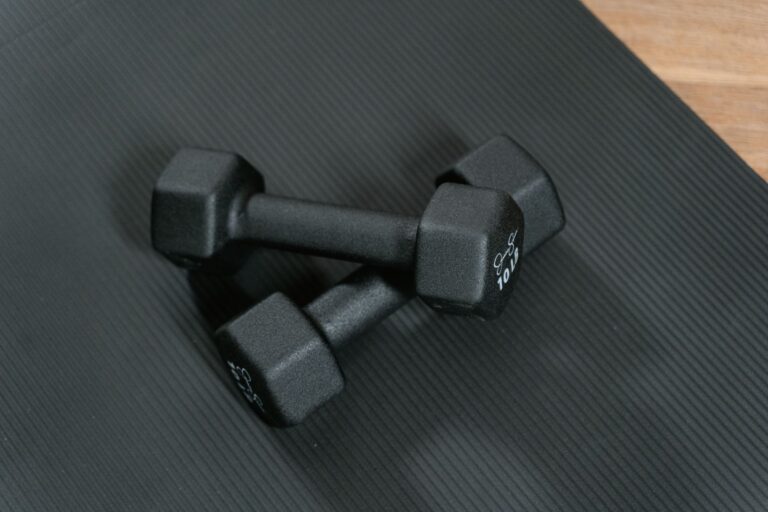
The best cross-training exercises to support your running cardio form an essential component of any well-rounded fitness program, yet many runners neglect this crucial aspect of their training. Running places repetitive stress on specific muscle groups, joints, and energy systems, and without complementary activities, this narrow focus can lead to muscle imbalances, overuse injuries, and performance plateaus that frustrate even dedicated athletes. Cross-training provides the variety and balance that running alone cannot deliver, strengthening underused muscles while giving overworked tissues time to recover and adapt. The question of how to supplement running with other forms of exercise addresses several persistent challenges that runners face. Knee pain, shin splints, IT band syndrome, and plantar fasciitis affect roughly 50 to 80 percent of runners each year, according to research published in the British Journal of Sports Medicine.
Many of these injuries stem from the cumulative impact of running without adequate muscular support or recovery time. Beyond injury prevention, runners often hit cardiovascular and performance ceilings that additional running mileage alone cannot break through. Cross-training offers a path to continued improvement without the injury risk of simply adding more miles. By the end of this article, readers will understand which cross-training activities provide the greatest benefits for runners, how to integrate these exercises into a weekly schedule, and what specific physiological adaptations each activity produces. The information covers everything from low-impact cardiovascular alternatives to strength training protocols designed specifically for running performance. Whether training for a first 5K or chasing a marathon personal record, the principles outlined here apply across experience levels and goals.
Table of Contents
- Why Do Runners Need Cross-Training to Support Running Cardio?
- The Most Effective Cardio Cross-Training Exercises for Runners
- Strength Training Exercises That Boost Running Performance
- How to Structure a Weekly Cross-Training Schedule for Running Cardio
- Common Cross-Training Mistakes That Undermine Running Goals
- Seasonal Cross-Training Considerations for Year-Round Runners
- How to Prepare
- How to Apply This
- Expert Tips
- Conclusion
- Frequently Asked Questions
Why Do Runners Need Cross-Training to Support Running Cardio?
Running is an extraordinarily efficient form of exercise, but that efficiency comes with a significant limitation: it relies on a narrow band of muscle fibers working in a single plane of motion. The primary muscles involved in running-the quadriceps, hamstrings, calves, and hip flexors-move the body forward, but they receive little assistance from the lateral stabilizers, upper body, and core muscles that provide stability and power transfer. Over time, this creates an imbalance where the running muscles become strong but tight, while supporting muscles remain weak and underutilized.
Cross-training exercises address these imbalances by engaging muscle groups that running neglects. Swimming, for example, develops upper body strength and promotes full-body coordination that runners rarely achieve through their primary sport. Cycling builds quadriceps endurance in a different range of motion than running, targeting muscle fibers that remain dormant during typical running strides. Strength training for the glutes and hip stabilizers-muscles that control lateral movement and pelvic alignment-can correct biomechanical faults that contribute to common running injuries.
- **Reduced injury risk**: Varying movement patterns distributes stress across different tissues, preventing the repetitive strain that causes overuse injuries
- **Maintained cardiovascular fitness during recovery**: Low-impact alternatives allow runners to maintain aerobic capacity while recovering from minor injuries or high-mileage training blocks
- **Enhanced running economy**: Stronger accessory muscles improve biomechanics and reduce the energy cost of running at any given pace

The Most Effective Cardio Cross-Training Exercises for Runners
Among the cardio-based cross-training options available, several stand out for their specific benefits to running performance and injury prevention. Cycling remains the most popular choice among competitive runners because it builds leg strength and cardiovascular endurance without the impact stress of running. Studies from the Norwegian School of Sport Sciences found that runners who replaced 30 percent of their running volume with cycling maintained their VO2 max while reporting fewer overuse injuries. The cycling motion also promotes hip flexor flexibility and quadriceps development that translates directly to running power. Swimming and pool running offer zero-impact cardiovascular training that allows injured runners to maintain fitness during recovery.
Pool running, performed with a flotation belt in deep water, closely mimics the running motion and can maintain running-specific fitness for extended periods. Research published in the Journal of Sports Medicine and Physical Fitness demonstrated that runners who pool-ran during a six-week injury layoff returned to their previous performance levels within two weeks of resuming road running. The aquatic environment also provides natural resistance training for the core and upper body. Rowing machines deliver a full-body cardiovascular workout that develops the posterior chain-the hamstrings, glutes, and back muscles-that running underemphasizes. Elite running programs increasingly incorporate rowing as a supplement because it builds the hip extension power that drives running speed.
- **Cycling**: 30-45 minutes at moderate intensity provides cardiovascular benefits equivalent to running with dramatically less impact stress
- **Swimming**: Develops upper body strength and breathing control while providing active recovery for running muscles
- **Elliptical training**: Mimics running motion without ground impact, making it ideal for maintaining running-specific fitness during minor injuries
Strength Training Exercises That Boost Running Performance
The relationship between strength training and running performance has been extensively documented in sports science literature. A meta-analysis published in Sports Medicine found that runners who incorporated heavy resistance training improved their running economy by 2 to 8 percent-a significant margin that translates to faster times without increased cardiovascular effort. The key lies in targeting the muscle groups that stabilize the pelvis, absorb impact, and generate propulsive force during the running stride.
Single-leg exercises prove particularly valuable for runners because running itself is essentially a series of single-leg hops. Bulgarian split squats, single-leg deadlifts, and step-ups develop the balance and unilateral strength that running demands. These exercises also reveal and correct left-right strength imbalances that can contribute to asymmetrical gait patterns and injury. Hip-focused movements like clamshells, lateral band walks, and hip thrusts strengthen the gluteus medius, a muscle that controls pelvic stability during the stance phase of running.
- **Squats and deadlifts**: Build foundational leg and hip strength that increases stride power and reduces ground contact time
- **Plyometric exercises**: Box jumps, bounding, and jump squats develop the elastic recoil properties of tendons and muscles that store and release energy during running

How to Structure a Weekly Cross-Training Schedule for Running Cardio
Integrating cross-training into a running program requires balancing the benefits of variety against the need for adequate recovery. The most effective approach treats cross-training as complementary work that supports running goals rather than competing with them for time and energy. Most running coaches recommend scheduling cross-training on easy or recovery days, when the low-impact nature of alternative exercises allows running muscles to repair while still providing cardiovascular stimulus.
A typical week for a recreational runner training five to six days might include three running sessions of varying intensity, one or two cross-training cardio sessions, and one strength training workout. The cross-training sessions fit naturally on the day after hard running efforts, when the body needs active recovery rather than complete rest. Strength training works best when placed at least 48 hours before key running workouts, preventing residual muscle fatigue from compromising running quality. During high-mileage training blocks or race preparation, the cross-training volume may decrease to prioritize running-specific adaptations.
- **Easy days**: Low-intensity cycling, swimming, or elliptical for 30-45 minutes promotes blood flow and recovery without additional running stress
- **Recovery weeks**: Replacing one or two running sessions with cross-training reduces cumulative impact while maintaining fitness
- **Injury periods**: Cross-training becomes the primary training mode, with volume and intensity adjusted to match the runner’s fitness level
Common Cross-Training Mistakes That Undermine Running Goals
Despite the clear benefits of cross-training, many runners make errors that reduce its effectiveness or even harm their running performance. The most common mistake involves treating cross-training sessions as opportunities to push maximum effort. When runners approach cycling or swimming with the same intensity they bring to track workouts, they convert recovery sessions into additional hard training that increases cumulative fatigue. The purpose of cross-training on easy days is to enhance recovery, not to add training stress.
Another frequent error involves neglecting the specificity principle. While all cardiovascular exercise contributes to general fitness, the adaptations differ significantly between activities. A runner who spends most of their cross-training time on upper-body-intensive activities like rowing or swimming may develop excellent general fitness but limited transfer to running performance. The most effective cross-training programs prioritize activities that share movement patterns, muscle recruitment, or energy system demands with running.
- **Overemphasizing intensity**: Cross-training intensity should match the intended purpose of the session-easy days should feel easy regardless of the activity
- **Ignoring running-specific strength**: General gym routines often neglect the hip stabilizers and single-leg balance that runners need most
- **Substituting too much running volume**: Cross-training supplements running but cannot fully replace the neuromuscular adaptations that running produces

Seasonal Cross-Training Considerations for Year-Round Runners
Training schedules often shift with the seasons, and cross-training provides flexibility that keeps runners progressing throughout the year. Winter months in cold climates may limit outdoor running options, making indoor cross-training more practical and sometimes safer than icy outdoor runs. This period offers an opportunity to emphasize strength training and alternative cardio modes that receive less attention during peak running season.
Many elite runners use the off-season to build a foundation of general strength that supports the running-specific work of the competitive season. Summer heat poses different challenges, with high temperatures increasing the cardiovascular strain of running and raising injury risk from dehydration and heat stress. Pool running and swimming become particularly valuable during heat waves, allowing runners to maintain cardiovascular fitness without the thermal stress of outdoor running. Transitional seasons like spring and fall often represent the best time to maximize running volume while maintaining minimal cross-training for recovery and balance.
How to Prepare
- **Evaluate current injury history and weak points**: Runners with knee problems benefit most from low-impact options like swimming and cycling, while those with hip weakness should prioritize strength training for glutes and stabilizers. A physical therapist or sports medicine professional can provide specific guidance based on individual biomechanics.
- **Assess available equipment and facilities**: Cross-training options depend on access to pools, bikes, gyms, and other resources. Home-based alternatives like resistance bands, bodyweight exercises, and stationary cycling make cross-training accessible without gym memberships or expensive equipment.
- **Identify current training phase and priorities**: Runners in base-building phases can afford more cross-training volume, while those in peak race preparation should minimize activities that compete with running adaptation. Match cross-training emphasis to the current training block’s goals.
- **Select two to three primary cross-training activities**: Focusing on a limited number of activities allows development of competence and prevents the overwhelm of trying to do everything. Choose at least one cardio alternative and one strength-focused option.
- **Schedule cross-training sessions around key running workouts**: Place cross-training on days when running is either planned as easy or not scheduled at all. Ensure that strength training does not immediately precede important running sessions that require fresh legs.
How to Apply This
- **Start with one cross-training session per week**: Adding a single 30-45 minute cycling, swimming, or elliptical session on a recovery day introduces cross-training without disrupting established running patterns. Evaluate how the body responds before adding more sessions.
- **Add strength training with running-specific exercises**: Begin with two sets of 8-12 repetitions of squats, lunges, step-ups, and hip-focused movements. Perform this workout once weekly, gradually increasing to twice weekly as adaptation occurs.
- **Monitor recovery and running quality**: The purpose of cross-training is to support running performance. If running workouts suffer or fatigue accumulates, reduce cross-training volume or intensity. The running should feel better, not worse, as a result of complementary training.
- **Adjust the mix based on training phase**: During high-mileage periods, emphasize low-impact cardio alternatives for recovery. During base-building or off-season periods, increase strength training emphasis to build the foundation for future running development.
Expert Tips
- **Match cross-training intensity to running intensity**: If your running plan calls for an easy day, your cross-training should also be easy. Heart rate monitors help ensure that recovery sessions remain in the appropriate zone regardless of activity type.
- **Prioritize hip and glute strength over quad dominance**: Runners typically have well-developed quadriceps but underdeveloped glutes and hip stabilizers. Cross-training should target these weak links rather than further strengthening already dominant muscles.
- **Use cross-training for mental freshness**: Beyond physical benefits, varying activities prevents the psychological staleness that affects runners who train year-round. The mental engagement of learning new movement patterns contributes to long-term training consistency.
- **Consider running cadence during cycling**: Cycling at 90-100 revolutions per minute approximates the leg turnover rate of efficient running, making the neuromuscular patterns more transferable between activities.
- **Schedule strength training early in the week**: Placing strength sessions Monday or Tuesday allows adequate recovery before weekend long runs or races, maximizing the benefit of both training modalities.
Conclusion
Cross-training represents one of the most underutilized tools available to runners seeking improvement and longevity in the sport. The evidence strongly supports incorporating complementary activities that build strength in underused muscles, provide cardiovascular training without impact stress, and allow the primary running muscles to recover between demanding workouts. Runners who commit to a balanced program that includes cycling, swimming, strength training, or other cross-training modalities consistently report fewer injuries, better running performance, and greater enjoyment of their training.
The path forward involves starting modestly and building cross-training habits that integrate smoothly with existing running routines. Beginning with a single weekly session of alternative cardio and one strength workout provides enough stimulus to produce benefits without overwhelming schedules or recovery capacity. Over time, refining the mix based on individual response, training phase, and running goals creates a personalized system that supports years of healthy, progressive running. The runners who thrive decade after decade are rarely those who run exclusively-they understand that becoming a better runner sometimes means doing something other than running.
Frequently Asked Questions
How long does it typically take to see results?
Results vary depending on individual circumstances, but most people begin to see meaningful progress within 4-8 weeks of consistent effort. Patience and persistence are key factors in achieving lasting outcomes.
Is this approach suitable for beginners?
Yes, this approach works well for beginners when implemented gradually. Starting with the fundamentals and building up over time leads to better long-term results than trying to do everything at once.
What are the most common mistakes to avoid?
The most common mistakes include rushing the process, skipping foundational steps, and failing to track progress. Taking a methodical approach and learning from both successes and setbacks leads to better outcomes.
How can I measure my progress effectively?
Set specific, measurable goals at the outset and track relevant metrics regularly. Keep a journal or log to document your journey, and periodically review your progress against your initial objectives.
When should I seek professional help?
Consider consulting a professional if you encounter persistent challenges, need specialized expertise, or want to accelerate your progress. Professional guidance can provide valuable insights and help you avoid costly mistakes.
What resources do you recommend for further learning?
Look for reputable sources in the field, including industry publications, expert blogs, and educational courses. Joining communities of practitioners can also provide valuable peer support and knowledge sharing.
Related Reading
- How to Run Long Distances Without Burning Out
- Surprising Benefits of Running No One Talks About
- How to Run Smarter – Not Harder – to Improve VO2 Max
- Strength + Running: The Ultimate Cardio-Fitness Combo
- 5 Mistakes That Are Holding Back Your Cardio Progress