
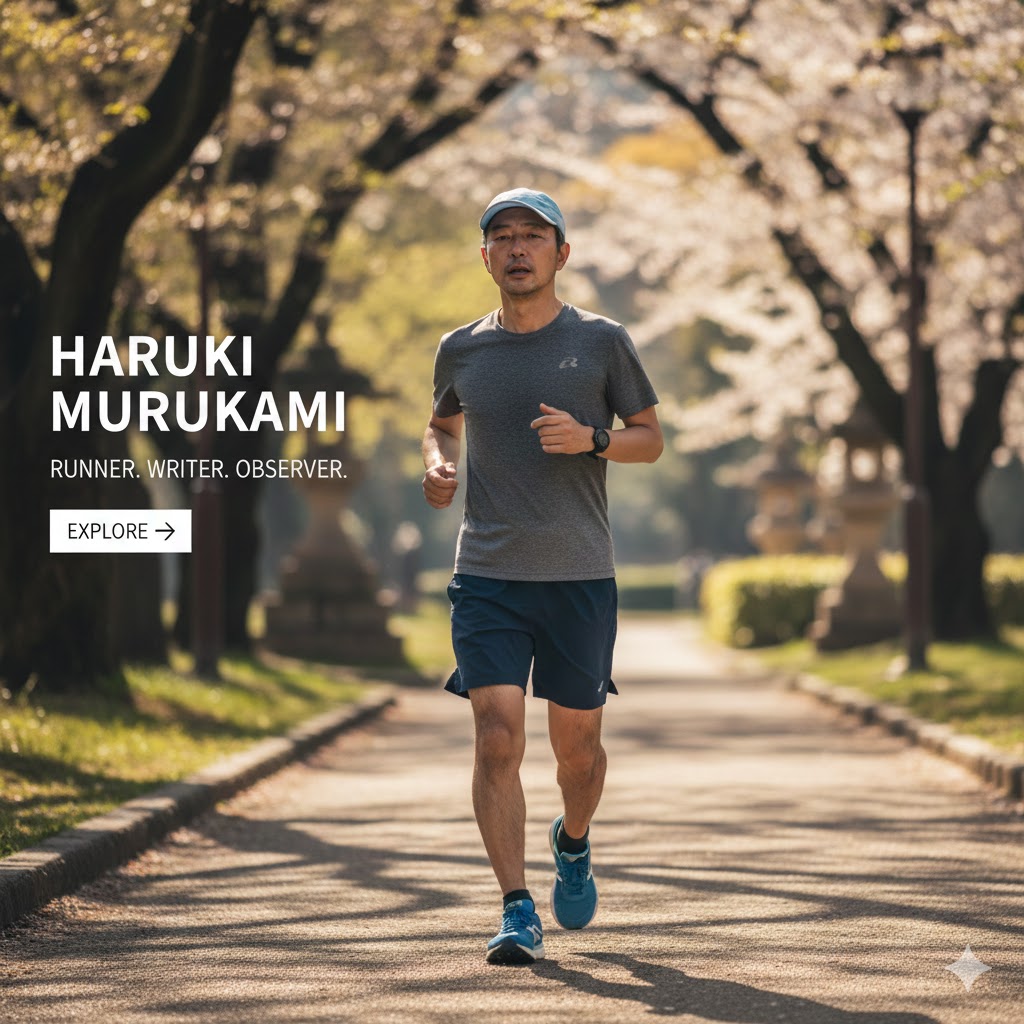
Running five miles consistently can help older adults sleep better by strengthening their body’s natural sleep rhythms and reducing nighttime wake-ups. This simple habit taps into how exercise boosts key hormones and deep rest stages that often weaken with age.
Many seniors face choppy sleep from shifting body clocks and lower energy at night. Regular runs fix this by adjusting melatonin, the hormone that signals bedtime. Morning or early afternoon five-mile runs around seven a.m. or one to four p.m. shift melatonin release earlier, making evenings sleepy and days alert. Evening runs might delay it, so stick to daytime for best results.[1]
Studies show one-hour moderate runs like a steady five-mile pace raise melatonin peaks by about twenty-five percent at night while cutting daytime levels. This creates a sharper day-night split, leading to more deep sleep and fewer breaks in rest. In one group of older adults, similar training cut nighttime awakenings by twenty-eight percent and stretched peak melatonin by thirty minutes.[1]
The runs also build sleep pressure through steady effort. Brisk walking for thirty minutes four times a week helped people with light sleep issues over four months, and seniors saw gains from regular exercise. A five-mile run amps this up as a full cardio session that tires the body just right for solid nights.[2][5]
Timing matters for older runners. Early day activity links to better heart and lung fitness, which ties to stronger sleep. Consistent runs improve oxygen use and resilience, helping the body handle daily stress and recover faster at night.[3][4]
Deep sleep grows with this routine too. Cardio like running clears brain waste, repairs cells, and calms inflammation, all key for sharp minds and steady health in later years. It boosts time in restorative stages, easing into sleep and staying there longer.[6]
Start slow if new to running. Build to five miles over weeks with walk-run mixes, aiming for most days but resting as needed. Pair with seven to nine hours of sleep nightly for max gains. Outdoor runs add sunlight to lock in rhythms even more.[2][5]
Sources
https://www.frontiersin.org/journals/neuroscience/articles/10.3389/fnins.2025.1696673/full
https://nfpt.com/why-sleep-and-recovery-is-important/
https://www.runnersworld.com/health-injuries/a69811804/running-for-mental-health-benefits/
https://www.aol.com/research-finds-most-important-factors-140000508.html
https://medbox.com/how-many-hours-of-sleep-do-seniors-need/
https://www.medicaldaily.com/deep-sleep-benefits-how-sleep-longevity-rem-health-quietly-shape-how-long-you-live-474339
https://pmc.ncbi.nlm.nih.gov/articles/PMC12728405/
https://www.sciencedaily.com/releases/2025/12/251228020012.htm
Check the New post