
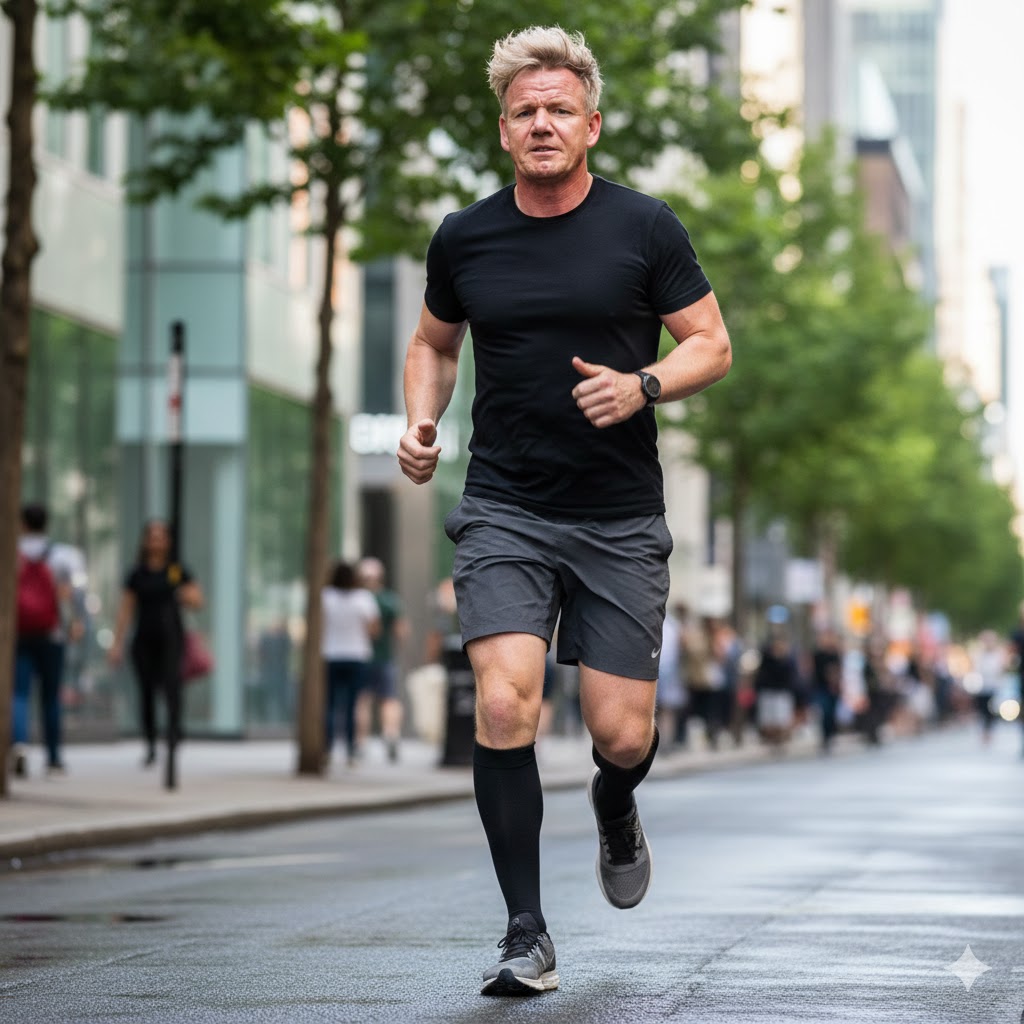
Strengthening Bones: The Impact of Regular 5-Mile Runs for Seniors
Many seniors worry about weak bones as they age, but regular running can help build stronger ones. A 5-mile run, done a few times a week, puts just the right stress on bones to make them denser and tougher.
Bones are living parts of the body that grow stronger when they face weight-bearing loads, like the impact from running. Each step during a run sends a force through your legs that is two to three times your body weight. This signals bones to add more density, much like muscles grow from lifting weights.[1] Runners often have better bone mineral density than people who do not run, which lowers the risk of breaks and osteoporosis.[1]
For seniors, this is key because bone density starts to drop after age 30, speeding up after 60, especially for women after menopause.[4] High-impact activities like running beat low-impact ones, such as swimming, for bone health. Studies show running boosts bone thickness in the knees and hips, key spots for fractures in older adults.[1][2]
A 5-mile run takes about 50 to 70 minutes at a steady pace for most seniors, depending on fitness. It is aerobic exercise that also strengthens heart health and muscles, helping with balance to cut fall risks.[3] The repeated ground impacts during these runs thicken cartilage too, which cushions joints and may protect against arthritis.[1]
Start slow if new to running. Build up from shorter distances, like 1 or 2 miles, and aim for three sessions a week on flat paths. Pair it with strength moves, like squats, for even better results. Morning runs might work best, as early exercise ties into body rhythms that aid bone building.[2]
Seniors who run regularly keep more independence. They move easier, stay active longer, and face fewer bone issues. Real science backs this: runners hold onto bone strength that others lose with age.[1][3]
Sources
https://www.the-independent.com/life-style/health-and-families/running-exercise-age-how-old-benefits-b2890351.html
https://pmc.ncbi.nlm.nih.gov/articles/PMC12702709/
https://www.enhabit.com/resource/exercise-and-older-adults/
https://time.com/7323121/strength-training-exercises-aging-health-benefits/
https://functionsmart.com/healthy-aging-vs-normal-aging-you-have-more-control-than-you-think/
https://healthybonesaustralia.org.au/your-bone-health/exercise-bone-health/