Why consistency matters more than speed for running cardio longevity
Many people jump into running with a focus on going fast right away. They push hard during a cardio workout to burn calories and lose weight quickly. But this approach often leads to burnout or injury. Instead, sticking with regular, steady running builds real long-term gains in cardio health.
Research shows that making exercise a daily habit is key to lifelong benefits. One study found that short bursts of vigorous activity work well, but only if done consistently, not just once in a while.https://www.the-independent.com/health-and-fitness/exercise-more-effective-walking-heart-health-b2878666.html Professor Emmanuel Stamatakis stresses that active behaviors need to become routine, like brushing your teeth. This regular pattern strengthens your heart over time without overwhelming your body.
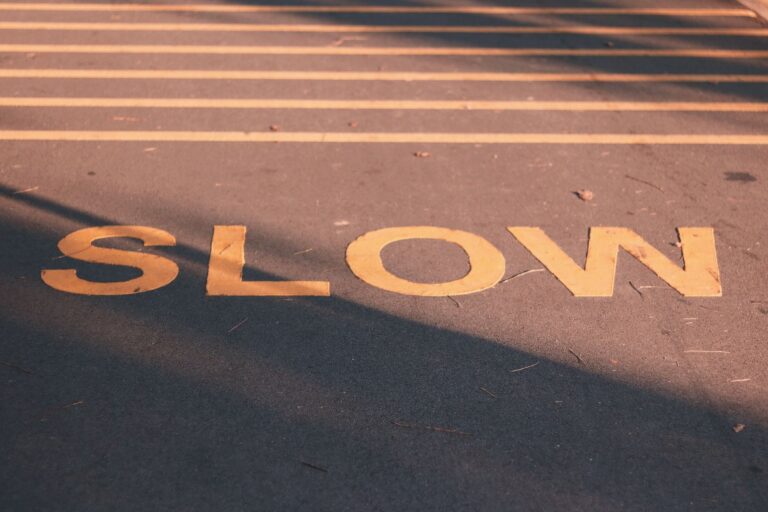
For new runners, consistent running beats chasing speed every time.https://www.youtube.com/watch?v=YfZOCygUb7I Speed pushes your limits short-term, but steady miles improve your aerobic base. This base supports better oxygen use and endurance, which ties directly to cardio longevity. Slow running trains your cardio, respiratory, and muscular systems to work together more efficiently. It even boosts mitochondria in your cells, helping your body use oxygen better for sustained energy.https://run.outsideonline.com/training/slow-running-benefits/
Runners who stay consistent see bigger improvements in weekly mileage and overall effort.https://www.runnersworld.com/training/a69500586/redefining-what-it-means-to-run-fast/ Evaluate your routine honestly: rest, recovery, nutrition, and easy-paced runs all add up when done week after week. Less variation and more reliable training often yield better results than mixing in too much speed too soon.https://www.triathlete.com/training/is-variation-overrated/
When your goal is losing weight through running, consistency keeps the calorie burn steady without risking overtraining. A reliable cardio workout schedule supports fat loss and heart health over months or years. Pushing speed sporadically might feel good at first, but it fades without the habit to back it up. Build that base with regular runs, and your body adapts for the long haul. Slow paces actually enhance aerobic capacity, a top predictor of performance in any distance.https://therunningchannel.com/run-slow-get-fast/ Over time, this leads to natural speed gains while protecting your cardio system.