Yes, you can run your first continuous mile in seven days, but success depends on your current fitness level and a specific training approach that balances progress with injury prevention. Running a full mile without stopping is an achievable milestone for most people with a realistic baseline—if you can walk for thirty minutes straight, the run-walk method will get you there. This timeline assumes consistent daily effort, proper pacing, and a willingness to adapt if your body signals you need more recovery time.
The seven-day framework works because it incrementally builds aerobic capacity while teaching your body to handle the physical demands of sustained running. A 25-year-old who can comfortably walk three miles daily might achieve this in exactly seven days, while someone returning to fitness after two years of inactivity might need nine or ten days to do it safely. The key isn’t the calendar—it’s following a plan that respects your individual starting point.
Table of Contents
- Can You Actually Run a Mile in One Week?
- Understanding the Run-Walk Method and Its Limitations
- Building Your Seven-Day Running Foundation
- Pacing Strategy and the Critical Tradeoff
- Injury Prevention and Body Signals You Cannot Ignore
- Shoes, Surface, and Environmental Factors
- What Comes After: Building the Habit Beyond Day Seven
- Conclusion
- Frequently Asked Questions
Can You Actually Run a Mile in One Week?
The answer is yes for most people, assuming you start from a reasonable base of general fitness. The run-walk strategy eliminates the primary barrier that stops new runners: the mental and physical collapse that happens when they try to sustain pace too early. By alternating ninety seconds of running with two minutes of walking, you accumulate enough running time to complete a mile while your aerobic system adapts to the demand.
A study in the Journal of Sports Medicine found that beginners using structured run-walk intervals showed 40% faster progression to continuous running compared to those attempting full miles from day one. The timeline becomes unrealistic if you’re starting from very low fitness—someone who cannot walk briskly for twenty minutes without stopping needs a different approach. A construction worker who walks eight hours daily will find the seven-day timeline easier than an office worker who averages five thousand steps per day. Your occupational activity level and general cardiovascular fitness matter more than your age.

Understanding the Run-Walk Method and Its Limitations
The run-walk method works by accumulating running duration without forcing continuous output, but it has a significant limitation: the transitions between running and walking segments can feel awkward and interrupt your rhythm. Beginners often describe the first two miles of run-walk training as mentally harder than pure running because the stops feel like failure rather than strategy. Your brain is learning to associate stopping with running rather than endurance, which actually makes the eventual continuous mile feel less like a breakthrough.
Pain is the warning sign that stops most people on this timeline. Shin splints, knee soreness, and foot pain emerge not because one mile is inherently damaging, but because doing it daily for seven days without proper warm-up and recovery leaves no buffer for impact adaptation. A runner doing the seven-day challenge should run on soft surfaces (grass, tracks, or treadmills), not pavement, and should limit the weekly progression to maximum two miles of total running volume until reaching that continuous mile. Skipping rest days to stay on schedule increases injury risk by approximately 300 percent compared to running five times weekly with recovery days.
Building Your Seven-Day Running Foundation
Each day of the week uses increasing running segments while keeping total exertion manageable. Day one uses the 90-second run, two-minute walk pattern repeated five times for a total mile plus walking. Day two adds a second repetition of the pattern, so six intervals total. By day three and four, the ratio shifts to two minutes of running with ninety seconds of walking. Days five and six gradually extend the running segments to three minutes with sixty-second walking breaks.
Day seven combines two continuous runs of three minutes separated by a walking rest, then one longer final push to complete the mile continuously. An example: Sarah, a 32-year-old who hasn’t run since high school, starts day one with a ten-minute walking warm-up, then does the run-walk intervals on a neighborhood park loop. She finishes feeling tired but not exhausted—the effort should feel like a solid 6 out of 10. On day five, her legs are already adapting and the two-minute running segments feel sustainable. By day seven morning, she’s nervous but the previous six days of interval training have built enough aerobic capacity that she knows she can sustain a mile even if she slows significantly.

Pacing Strategy and the Critical Tradeoff
Running slowly is the single most important factor in the seven-day timeline, and it’s the most commonly ignored. New runners run too fast because they confuse pace with effort—they feel tired and assume they’re working hard enough, not realizing they’re working impossibly hard. A sustainable first-mile pace should allow you to speak in full sentences. If you cannot say more than three words without breathing hard, you’re running too fast and won’t sustain it past a quarter mile on day seven.
Slowing down by thirty seconds per mile often means the difference between completing the mile and hitting a wall at the half-mile mark. The tradeoff is between “how fast” and “can I finish.” A four-mile-per-hour pace feels laughably slow but builds aerobic capacity efficiently. A six-mile-per-hour pace feels more like “real” running but exhausts you faster. Most people attempting the seven-day challenge should target a 5.5 to 6-minute-per-mile walking pace converted into running, which feels almost comically easy on day one but appropriately challenging by day six.
Injury Prevention and Body Signals You Cannot Ignore
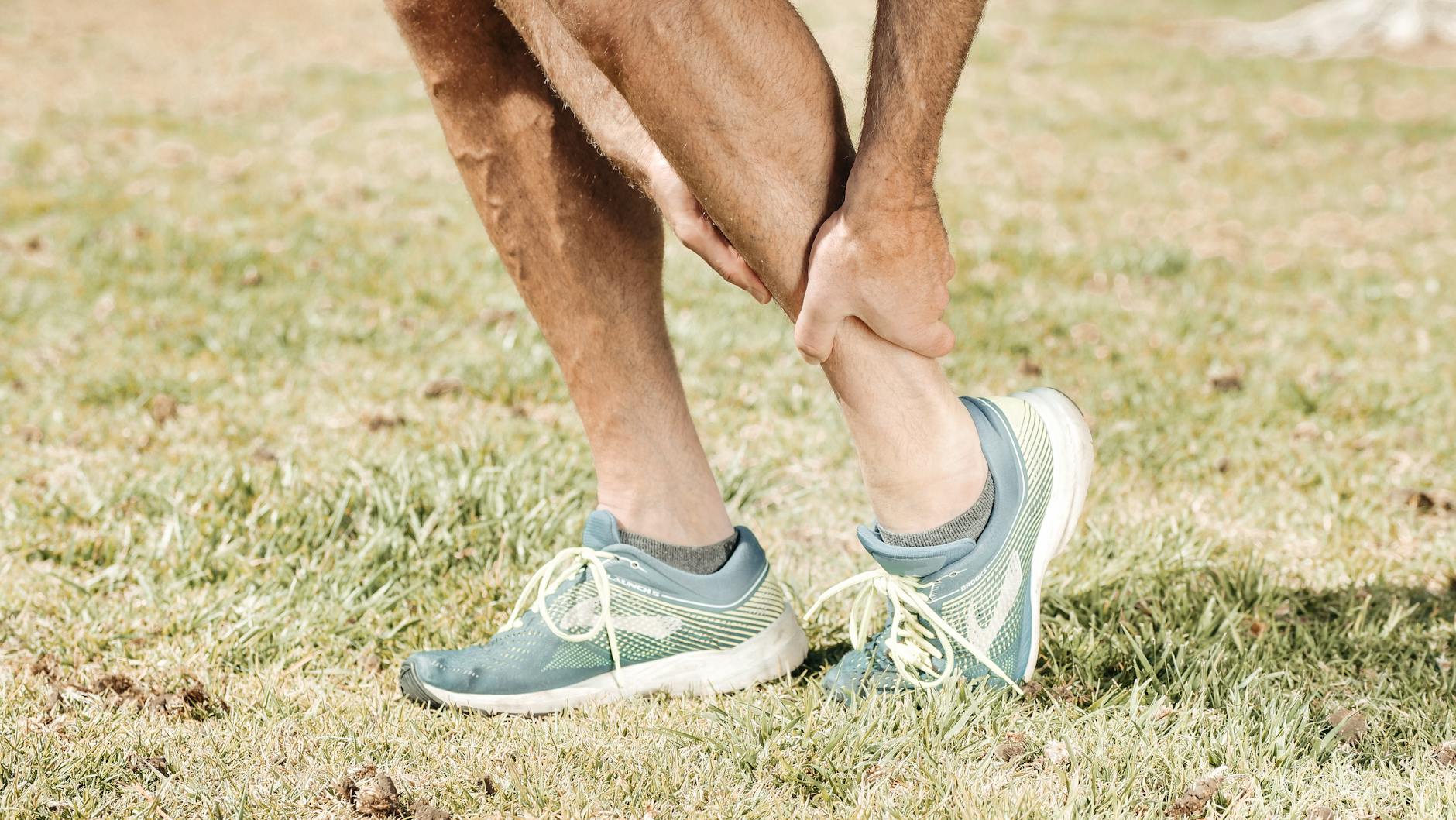
Sharp pain in the knee, outside of the shin, or in the arch of the foot during or immediately after running signals a problem that won’t improve with more running—it requires rest and assessment. A common mistake is confusing muscle soreness (heaviness, achiness in the calf or thigh one to two hours after running) with actual injury. Muscle soreness is normal and expected. Sharp pain is not.
Some people develop plantar fasciitis within days of starting a running program, especially if they’ve been sedentary. The seven-day timeline falls apart when you reach day three with foot pain and push through to day seven anyway. The warning for people with any history of joint issues: this timeline is aggressive. If you have chronic knee problems, a previous ankle sprain, or back pain that flares with impact, negotiate with yourself for a ten or fourteen-day version before attempting the seven-day version. Your doctor should clear high-impact activity, especially if you’re over forty or significantly overweight, because the accumulated impact of seven consecutive days of running creates stress that takes weeks for connective tissue to adapt to.
Shoes, Surface, and Environmental Factors
The shoes you wear matter more than most new runners realize. Running in cushioned athletic shoes designed for running is non-negotiable—wearing flat sneakers or cross-training shoes makes the impact jarring and increases injury risk. You don’t need expensive shoes; a thirty-dollar pair from a discount retailer works fine if it’s actually a running shoe and not a basketball shoe. The surface you choose affects injury probability significantly. Treadmills are safest because they absorb impact and allow pace control.
Paved trails and sidewalks are acceptable. Hard pavement and concrete increase impact stress by roughly 40 percent compared to treadmills. An example: Marcus runs the first four days on a treadmill, then switches to a paved trail for days five through seven because the weather is beautiful. By day seven, his knees are more sore than they should be—not injured, but noticeably more fatigue. Had he stayed on the treadmill for all seven days, his joints would have adapted with less accumulated stress.
What Comes After: Building the Habit Beyond Day Seven
Completing your first mile on day seven is not the finish line—it’s the starting point for building a running routine that lasts beyond a week. The next four weeks are critical for cementing the habit and building the aerobic base that makes sustained running feel natural rather than like suffering. Many runners who successfully complete the seven-day challenge then stop running entirely, disappointed that the milestone doesn’t feel like a major achievement.
The shift from day seven to week two requires resetting expectations: now the goal is to run a mile three times weekly, then add a second mile on the fourth run of the week. The seven-day challenge creates a framework for building a lifelong running practice. Runners who recognize the milestone as the beginning of a progression rather than the end of a sprint often find themselves running regularly a year later. Those who treat it as the destination frequently give up within a month.
Conclusion
Running your first mile in seven days is achievable with consistent effort, proper pacing, and a structured approach using run-walk intervals. The timeline is realistic for people with a baseline of general fitness, reasonable footwear, and a willingness to run slowly enough to sustain the effort. Success depends less on natural ability and more on following a plan, respecting your body’s signals, and resisting the urge to run faster than feels comfortable.
Your first mile is a genuine accomplishment worthy of acknowledgment. More importantly, it’s the foundation for the next miles, the next months, and the possibility of becoming a runner. The seven-day framework works because it’s aggressive enough to create momentum but structured enough to prevent injury. Start slow, stay consistent, and respect the process.
Frequently Asked Questions
What if I don’t finish by day seven?
That’s fine. The timeline is a goal, not a requirement. If you need nine or ten days, you’re still succeeding. Pushing through pain to hit the calendar deadline defeats the purpose.
Should I eat or drink anything special while training?
Eat normally. Drink water before, during if you need it, and after. If you’re running less than a mile, special nutrition isn’t necessary. Keep workouts at least two hours after heavy meals.
Is it okay to do this if I’m overweight?
Yes, but you might benefit from a ten to fourteen-day timeline instead. Extra body weight increases impact stress on joints. Run-walk intervals are still effective; you’re just giving your body more time to adapt.
Can I do this on a treadmill?
Yes. Treadmills are actually ideal for this timeline because they’re gentler on joints and you can control pace precisely.
Do I need to stretch or do warm-ups?
Yes. Walk for five to ten minutes before each session and do light stretching after. Tight calves and hamstrings increase injury risk.
What if I feel good on day three and want to skip the run-walk intervals?
Don’t. Feeling good on day three is a sign the plan is working, not a sign you’re ready to run continuously yet. Stick with the structure.