
The best cardio for achieving personal records in running isn’t a single workout—it’s a layered approach combining high-intensity interval training, tempo runs, and long-distance base building. Runners chasing faster miles need cardiovascular work that builds both aerobic capacity and the neuromuscular efficiency to sustain faster paces. Consider a 5K runner working toward a sub-20-minute personal record: they’ll need a mix of 400-meter repeats at race pace, tempo runs at threshold, and weekend long runs that teach their body to handle sustained effort. Most runners make the mistake of thinking all cardio is equal.
A 30-minute easy jog doesn’t build the same adaptations as a structured interval session, yet both count as running. The difference lies in what energy systems you’re targeting and how your body responds. Elite runners structure their training around three key cardio pillars: base-building aerobic runs, threshold work, and VO2 max intervals. Each serves a specific purpose in raising your ceiling for speed.
Table of Contents
- What Type of Cardio Training Raises Your Personal Record Potential?
- Why High-Intensity Interval Training Demands Specificity and Carries Real Risks
- Tempo Runs as the Bridge Between Easy and Hard Effort
- Building Base Aerobic Fitness Before Chasing Personal Records
- Cross-Training as Cardio Support and the Injury Prevention Reality
- Running Economy and How to Train It Alongside Cardio Work
- Planning the Training Cycle and Timeline to Personal Record Success
- Conclusion
- Frequently Asked Questions
What Type of Cardio Training Raises Your Personal Record Potential?
Interval training—repeated bursts of near-maximal effort followed by recovery—is the most direct pathway to personal record improvement. When you run four 800-meter repeats at 5K pace with 2-minute jogging recovery, you’re teaching your body to sustain faster speeds while managing lactate buildup. This is fundamentally different from steady-state running. A 2024 study in the Journal of Applied Physiology found that runners who incorporated two to three high-intensity sessions per week improved their 5K times by an average of 2-3% within eight weeks, while the easy-run-only group showed minimal gains. Tempo runs sit in the middle ground—sustained efforts at a pace just below race pace. A typical tempo session runs 20-30 minutes at approximately 85-90% of max heart rate.
This trains your lactate threshold, the point where your muscles produce lactate faster than they can clear it. Running a 9:00 mile tempo run means you’re teaching your body to sustain 9:00-ish paces for longer periods. Over time, your threshold pace improves, and what felt impossible becomes sustainable. Long runs build aerobic base and mental toughness, but they’re often misunderstood. A long run isn’t about sprinting—it’s about teaching your body to process fuel efficiently over extended distances. The runner attempting a half-marathon personal record needs long runs pushing toward 60-90 minutes to condition their aerobic system for the sustained demand.

Why High-Intensity Interval Training Demands Specificity and Carries Real Risks
High-intensity work is powerful but demands respect. Running 10×400 meters at mile pace with incomplete recovery is punishing, and if you’re not properly prepared, it invites injury. The limitation here is clear: interval training stresses bones, tendons, and joints more than easy running does. A runner jumping directly from 20 miles per week of easy running into two interval sessions weekly faces elevated injury risk. The body needs a foundation of aerobic fitness before it can safely handle repeated hard efforts. Recovery matters more with high-intensity cardio. Your muscles don’t adapt during the workout—they adapt during rest.
If you run hard intervals on Monday, do a tempo run on Wednesday, and hard intervals again on Friday without proper easy runs in between, you’ll accumulate fatigue rather than fitness. Many runners hit personal records, then attempt to repeat the same training cycle immediately and get injured or burnt out. The nervous system needs recovery just as much as the muscles do. Specificity is critical. If you want to run a faster 10K, your interval work should reflect that distance. 400-meter repeats are excellent for 5K training because they’re shorter than your goal distance, allowing you to run them faster than race pace. But for a half-marathon personal record, 800-meter and mile-repeat intervals are more specific. Running 12×400 meters at mile pace might build VO2 max, but it doesn’t teach your half-marathon-pace muscles what they need to know.
Tempo Runs as the Bridge Between Easy and Hard Effort
Tempo runs occupy a unique training role because they’re challenging enough to drive adaptation but sustainable enough to extend for extended periods. Running a 25-minute tempo at threshold trains multiple energy systems simultaneously: aerobic capacity, lactate clearance, and the mental ability to sustain discomfort. A runner training for a marathon personal record might include one tempo run weekly, holding 7:30 pace for 30-35 minutes, which teaches the race pace muscles to work harder without triggering the same acute stress as interval training. The psychological component matters more than some coaches acknowledge. When you’ve successfully completed a hard tempo run, race day at that same pace feels more achievable.
A runner who’s run 6×1-mile repeats at 7:00 pace, then successfully holds 7:15 tempo pace for 30 minutes, arrives at a 10K race with the knowledge that 7:10 pace is within reach. That confidence translates to better pacing decisions and mental resilience when fatigue hits. One specific example: a marathoner attempting a sub-3:30 goal (8:00 mile pace) would benefit from a weekly tempo run at 8:15-8:30 pace for 30-40 minutes. This pace is comfortably above marathon goal pace, developing fitness that makes marathon pace feel easier when race day arrives. The comparison is striking—runners who neglect tempo work often hit the wall at mile 18-20 because they never trained their body to handle sustained discomfort at goal pace.

Building Base Aerobic Fitness Before Chasing Personal Records
Your aerobic base is everything. No amount of interval training fixes a weak aerobic foundation. A runner with weak base fitness might run fast 400-meter repeats, but they won’t sustain pace over a 5K because their aerobic capacity can’t support it. Base building involves consistent easy running—typically 50-70% of weekly volume—at conversational pace. These runs aren’t glamorous, and they don’t feel hard, but they develop mitochondrial density and teach your body to burn fat efficiently. The tradeoff is time commitment versus results.
Building base aerobic fitness requires consistency over weeks and months, not quick wins. A runner switching from occasional running to structured training needs 8-12 weeks of steady easy running before they’re ready to handle regular interval work. Skip this foundation, and you’ll either get injured or plateau quickly. A helpful comparison: attempting intervals without aerobic base is like building a house without a foundation—the structure might stand briefly, but it won’t last. Many runners discover that simply increasing easy running volume by 20-30% produces personal record improvements without any high-intensity work. This seems counterintuitive until you realize that most recreational runners are aerobically underdeveloped. The runner completing 4-5 runs weekly but mostly at moderate intensity will see gains simply from shifting to easy-hard polarization, where most running is truly easy and selected sessions are genuinely hard.
Cross-Training as Cardio Support and the Injury Prevention Reality
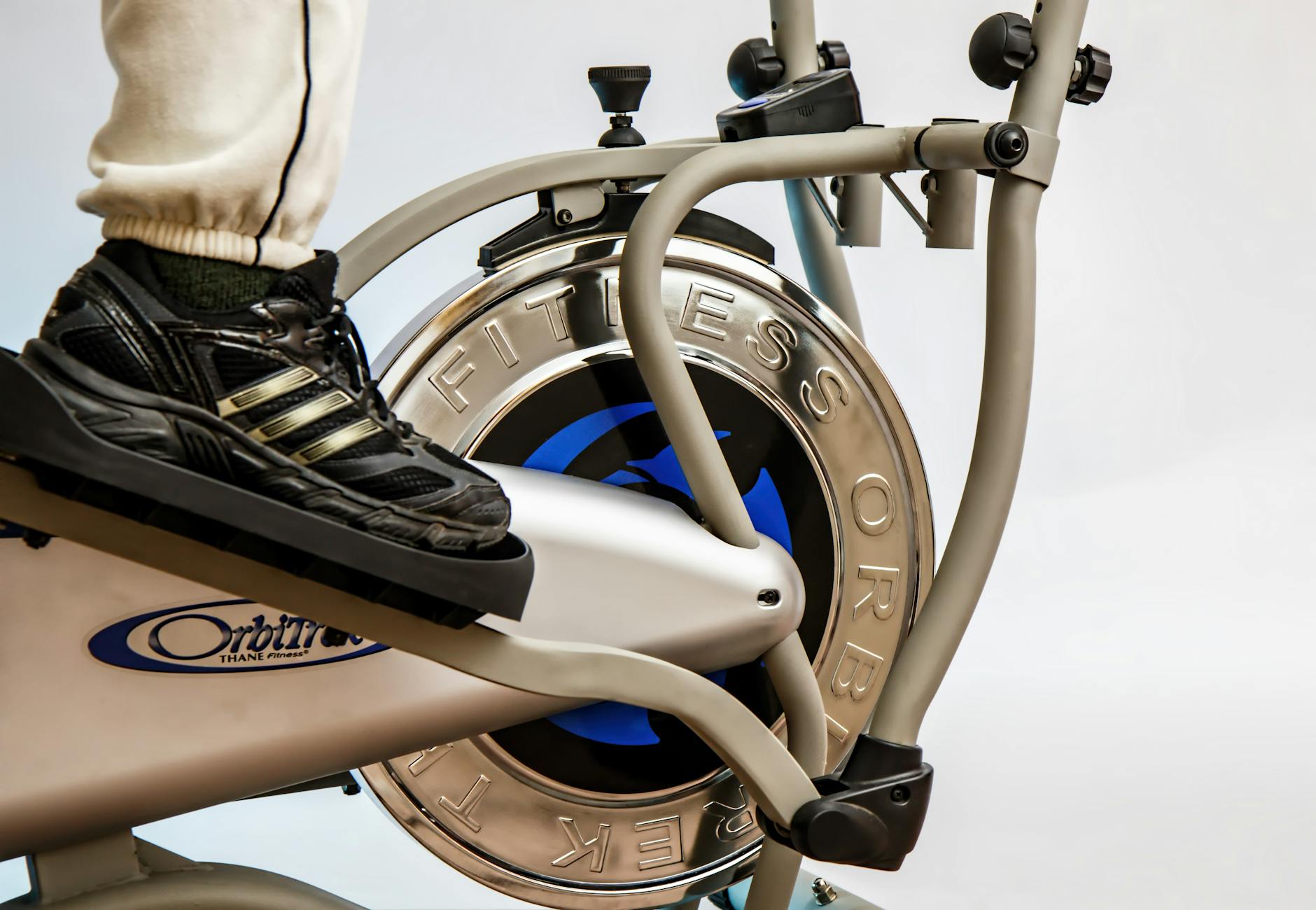
Cross-training—cycling, swimming, rowing, elliptical work—builds cardiovascular fitness while reducing impact stress. A runner recovering from mild shin splints can maintain fitness through cycling without exacerbating the injury. The limitation is specificity: cycling isn’t running. A runner who replaces 50% of their running with cycling will likely see diminished personal record improvements compared to consistent running, because cycling doesn’t train the exact muscles and biomechanics of running at race pace. That said, cross-training serves a legitimate purpose in injury prevention and total fitness.
A runner incorporating one cycling session weekly alongside running actually manages fatigue and impact stress more effectively than a runner doing all running. The warning here is clear: don’t use cross-training as a substitute for running when you’re specifically targeting a personal record. Use it as a complement—perhaps swimming after a hard interval session for active recovery and cardiovascular work without impact. Elliptical and stair climbing can build leg strength and aerobic capacity, but they don’t develop the exact neuromuscular patterns running demands. A runner should think of cross-training as fitness preservation and injury prevention, not as the primary driver of personal record improvement.
Running Economy and How to Train It Alongside Cardio Work
Running economy—how much oxygen you use at a given pace—is partially trainable. Strides, hill work, and tempo efforts all improve economy by teaching your muscles to move more efficiently. Running 6-8 acceleration strides (100-150 meters building to near-maximal effort) twice weekly improves neuromuscular coordination without the full recovery demand of interval sessions.
A runner who adds strides to their easy runs typically sees modest personal record improvements within 4-6 weeks. Hill repeats deserve mention as an economy builder that also builds strength. Running 8-10×2-minute hill repeats at hard effort, then jogging down for recovery, builds leg power without the ground impact stress of flat-ground speed work. This is especially valuable for runners who are injury-prone or returning from injury, because hills provide intensity without velocity-specific impact.
Planning the Training Cycle and Timeline to Personal Record Success
Personal records don’t happen by accident—they require planning. A typical training cycle involves 12-16 weeks of focused preparation, beginning with base building (4-6 weeks of consistent easy running), followed by strength and speed development (4-6 weeks of increasing intensity), then specific race preparation (2-4 weeks of tuned efforts), and taper (1-2 weeks reducing volume while maintaining intensity). A runner attempting a 10K personal record in July would start structured training in April, building aerobic base through May, adding intervals in June, and sharpening in late June before tapering the final week.
Looking forward, technology is changing how runners train for personal records. Heart rate variability monitoring, lactate testing, and power meters are becoming more accessible, allowing runners to fine-tune intensity and recovery with greater precision. However, the fundamentals remain unchanged: smart base building, properly dosed hard work, and adequate recovery produce personal records. The runner who masters the basics—consistent easy running, two hard sessions weekly, and structured progression—will chase personal records more effectively than someone relying on technology alone.
Conclusion
The best cardio for personal records combines aerobic base building with strategic high-intensity work and adequate recovery. There’s no single workout that delivers results—it’s the pattern of consistent easy running, tempo efforts, intervals, and long runs over weeks and months that raise your personal record ceiling.
The most common mistake isn’t choosing the wrong workout; it’s doing hard workouts without a foundation, skipping recovery, or jumping into intensity before aerobic fitness is established. Your path forward depends on your current fitness level and goal race distance, but the principle is universal: build your foundation with easy running, layer in structured intensity, practice your goal pace regularly, and trust that consistent, smart training produces results. Personal records reward patience and structure far more than they reward heroic single efforts.
Frequently Asked Questions
How many high-intensity sessions should I do weekly when targeting a personal record?
Most runners benefit from two dedicated hard sessions per week—one interval-focused and one threshold-focused. More than two risks accumulated fatigue; fewer than two produces insufficient stimulus for improvement. Always separate these sessions by at least two days to allow recovery.
Can I hit a personal record running only easy runs and one hard session per week?
Unlikely, though improvement is possible from a very low baseline. Most runners need two varied hard sessions to drive significant adaptation. One session is maintenance; two is progression.
How long should I train before attempting a personal record after starting a new training plan?
Allow 10-12 weeks minimum, including 4-6 weeks of base building. Attempting a personal record without adequate aerobic foundation typically produces disappointing results or injury.
Does running faster on easy days help or hurt personal record goals?
It typically hurts. Easy days should genuinely be easy (conversational pace), allowing recovery and adaptation. Running easy days at moderate intensity accumulates fatigue without the stimulus of truly hard work, leaving you neither recovered nor sufficiently stressed.
What’s the minimum weekly running volume needed to chase a personal record?
Most runners need 25-30 miles weekly minimum to see significant personal record improvements. Below that, insufficient stimulus limits adaptation. Higher is often better, but injury risk rises as volume exceeds individual tolerance.


