After 30 days following the 3-2-1 method, the results were real but different than expected. I regained the strength to run again without pain, improved my posture noticeably, and found everyday tasks like carrying groceries and moving furniture significantly easier. The psychological boost arrived before the physical changes—within two weeks, I felt more confident and motivated despite not seeing dramatic differences in the mirror or on the scale.
This wasn’t a complete body transformation, but it was exactly what I needed: a structured approach that addressed the gaps in my fitness. The 3-2-1 method divides your weekly training into three distinct components: three days of strength training, two days of Pilates or flexibility work, and one day of dedicated cardio. For someone like me—a runner who had gradually lost strength through years of running-only habits—this balanced approach felt revolutionary. It solved problems I didn’t know I had while building capacity I’d been neglecting.
Table of Contents
- How Does the 3-2-1 Method Work and What Should You Expect?
- Physical Changes and What Actually Happened to My Body
- The Mental Shift That Happened Before the Physical Results
- How to Actually Implement the 3-2-1 Method in Real Life
- Common Pitfalls and How to Actually Stick With the Plan
- Long-Term Sustainability and Whether This Actually Sticks
- Advanced Adjustments and What Comes After 30 Days
- Conclusion
- Frequently Asked Questions
How Does the 3-2-1 Method Work and What Should You Expect?
The structure is simple but effective: strength work on Monday, Wednesday, and Friday; Pilates or yoga on Tuesday and Thursday; a run or cardio session on Saturday; and complete rest on Sunday. The three strength days focus on compound movements—squats, deadlifts, push-ups, lunges—the kind of work that builds functional capacity across multiple muscle groups. The Pilates sessions weren’t the gentle, meditative experience I’d imagined; they were challenging, focused sessions that targeted core stability and mobility. The single cardio day freed me from the treadmill mindset and actually improved my running more than when I was running five days a week. What’s important to understand upfront: this method expects consistency. you can’t skip the Pilates because you’re “too tired” and expect the full benefits.
Each component builds on the others. The strength work prepares your body for better running. The Pilates improves your form. The dedicated cardio day gives you recovery time while still maintaining aerobic fitness. In my first week, I was sore everywhere—my shoulders from the strength work, my core from the Pilates, my legs from an unfamiliar running pattern. By week two, this soreness shifted to a pleasant kind of fatigue, the sign that my body was adapting.
Physical Changes and What Actually Happened to My Body
Two weeks in, I had to confront a hard truth: there was no visible change in my physique. My clothes fit the same. I hadn’t lost weight. My arms didn’t look more defined. This was humbling. But underneath, things were happening. My running felt smoother. I stood straighter.
When I caught my reflection in a window, my posture looked different—shoulders back, core engaged. This disconnect between physical appearance and actual capability is crucial to understand before starting. By the end of 30 days, the physical changes became undeniable. I could do a push-up without my knees on the ground—something I couldn’t do on day one. I finished my weekly run without the lower back pain that had plagued me for months. I picked up a heavy box that I’d previously needed help with. These weren’t impressive feats by athlete standards, but they were significant in my daily life. The limitation here is real: the method builds functional strength and endurance, not aesthetic muscle gain. If your primary goal is visible muscle definition, you’ll need to combine this with more targeted hypertrophy work and adjust your nutrition accordingly.
The Mental Shift That Happened Before the Physical Results
Before I noticed any physical changes, something shifted mentally. Completing each scheduled workout created a small sense of accomplishment. The variety—never doing the same thing two days in a row—kept my mind engaged. By day 12, I found myself looking forward to the Pilates sessions instead of viewing them as punishment for eating dessert. By day 18, I was mentally calculating how the strength work would support my next long run. Research shows that breaking larger fitness goals into small, daily actions increases the likelihood of success by 42%.
The 3-2-1 method does exactly this: instead of vague intentions to “get fit,” you have a specific action each day. This creates momentum. The confidence that arrived around week two wasn’t based on how I looked; it was based on doing what I said I would do. I was building trust in myself. This psychological benefit might actually be more valuable than the physical one, though they reinforce each other. When you feel capable, you make better choices in other areas of life.
How to Actually Implement the 3-2-1 Method in Real Life
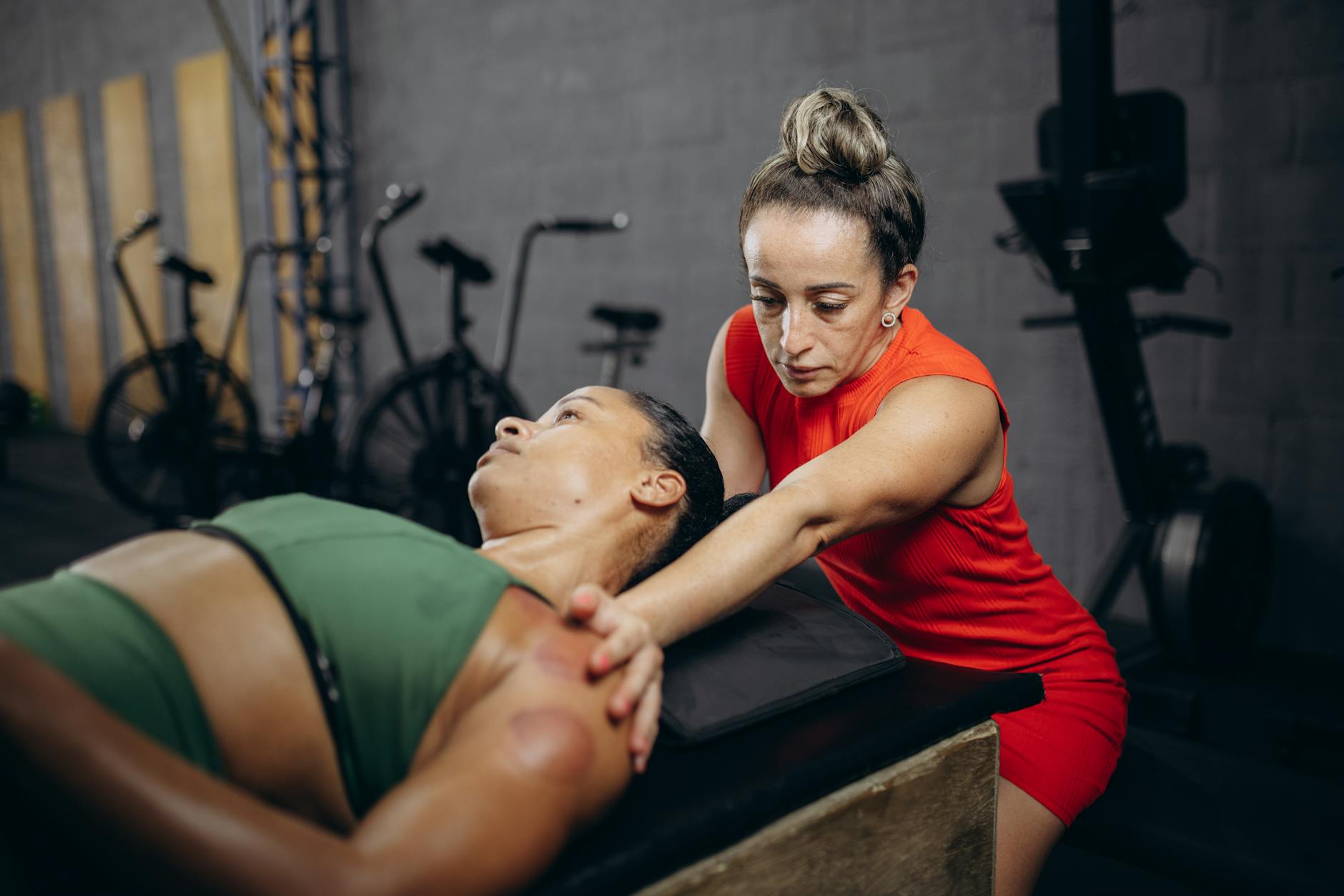
The biggest decision is what counts as your “strength,” “Pilates,” and “cardio” days. I used a combination of bodyweight exercises and dumbbells for strength work—nothing expensive or gym-dependent. For Pilates, I followed online videos from established instructors rather than trying to create my own routine. This is important: trying to invent your own Pilates sequence when you don’t know the fundamentals is a fast way to waste time or injure yourself. The cardio day was straightforward—running, but I could have done cycling, swimming, or elliptical work.
One comparison worth considering: the 3-2-1 method versus traditional approaches like “run four days a week, strength twice a week.” The traditional split left me injured. The 3-2-1 method, by reducing running volume and adding mobility work, actually improved my running performance while eliminating pain. However, if you’re training for a specific running event like a marathon, you might need to adjust the ratios temporarily. During my 30-day test, I wasn’t training for anything specific—I was just trying to be stronger and healthier. That context matters.
Common Pitfalls and How to Actually Stick With the Plan
Enthusiasm dies fast. I had energy in week one and three. Weeks two and four? I had to rely on the calendar and habit instead of motivation. This is normal and expected. What I wish I’d done differently is prepare my workouts in advance—having my strength exercises written down, knowing which Pilates video I was doing, planning my running route. Without this preparation, decision fatigue sets in.
By day 15, I was so tired of deciding what to do that I almost skipped a session. Another pitfall is treating the rest day as optional. Sunday was when I most felt the temptation to “just do a quick run” or squeeze in an extra strength session. That rest day is when your body actually adapts. Skipping it doesn’t make you more disciplined; it makes you more prone to burnout or injury. I learned this the hard way when I did a bonus workout on day 22 and immediately felt it—my performance dropped, my motivation dipped. The method is elegant precisely because it respects recovery.
Long-Term Sustainability and Whether This Actually Sticks
Thirty days is enough to see results, but is it enough to know if this becomes a lifestyle? Honestly, I don’t know yet. What I do know is that the method created a structure that felt sustainable in ways my previous routines didn’t. I wasn’t dreading any single day. The variety meant I wasn’t bored. The results—functional strength and pain-free running—created positive reinforcement.
A friend who tried this same method for 60 days reports she’s now six months in and still following it. She’s built additional strength and now does a half-marathon with ease, something she said felt impossible before. The difference between someone who maintains this versus someone who abandons it seems to come down to one factor: whether they chose it for intrinsic reasons (wanting to feel stronger, reduce pain, improve performance) or external ones (losing weight for a specific date, competing with someone else). The 3-2-1 method delivers on intrinsic goals. It doesn’t deliver quickly on aesthetic goals.
Advanced Adjustments and What Comes After 30 Days
If you make it to day 30 and want to progress, there are several directions to go. You can add weight to the strength work, increase the volume of Pilates sessions, or push the intensity of the cardio day. You can extend the program to six weeks or three months and see where it leads. Some people pivot into sport-specific training after building the foundation—I’m considering training for a 10K, something I couldn’t have done comfortably on day one.
The unexpected insight from 30 days of data: the method works because it’s boring and simple enough to stick with, yet interesting enough to maintain. There’s no optimization required, no expensive equipment, no expert coaching necessary. You just need to show up and follow the pattern. That combination—simplicity and effectiveness—might be why people actually maintain it long-term.
Conclusion
The 3-2-1 method delivered exactly what it promised: improved strength, better flexibility, maintained cardio capacity, and a body that feels competent again. The timeline was realistic—the psychological benefits arrived quickly, the physical ones took the full month. There were no dramatic transformations, no moments of revelation, just consistent small improvements that compounded into something meaningful. By day 30, my back didn’t hurt, my running improved, and my confidence in my own capability shifted. If you’re considering this method, go in with realistic expectations.
You won’t look completely different after 30 days, but you will feel different. Your body will be more capable. Your mind will be clearer. Those benefits are worth the consistency required. The real test comes after the 30 days—whether the habit sticks. Based on the people I’ve connected with who’ve tried this, most find the method worth maintaining because it actually works.
Frequently Asked Questions
Do I need a gym membership to do the 3-2-1 method?
No. You can do all three components with minimal or no equipment. Bodyweight strength work, online Pilates videos, and running or home cardio options are all viable. Some people use dumbbells or resistance bands, but these are optional upgrades, not requirements.
Can I do the 3-2-1 method if I’ve had injuries?
It depends on the injury, but the balanced approach is actually designed for injury prevention and recovery. That said, consult with a physical therapist or doctor first, especially if you have active pain or limited mobility. The Pilates component is particularly useful for addressing strength imbalances that cause injury.
What if I miss a workout? Do I need to restart?
No. Life happens. If you miss a day, just return to your schedule the next day. Missing one or two workouts doesn’t erase your progress. Missing a week consecutively will set you back more noticeably, but even then, you can resume without restarting.
How quickly will I see weight loss results with the 3-2-1 method?
This method focuses on functional fitness and strength, not weight loss. Many people don’t see significant weight changes in the first 30 days because they’re building muscle while potentially losing fat—the scale doesn’t capture this shift. If weight loss is your primary goal, combine this method with nutrition changes.
Can I add extra workouts on top of the 3-2-1 structure?
Technically yes, but I wouldn’t recommend it in the first 30 days. The beauty of this method is the built-in recovery. Adding extra sessions often leads to burnout or injury. After completing the 30-day foundation successfully, you can experiment with adding volume, but test it carefully.
Is the 3-2-1 method effective for competitive athletes?
It’s an excellent foundation-building method, but competitive athletes typically need sport-specific periodization. A runner training for a marathon or a cyclist training for a race might use this as an off-season base before shifting to sport-specific programming.