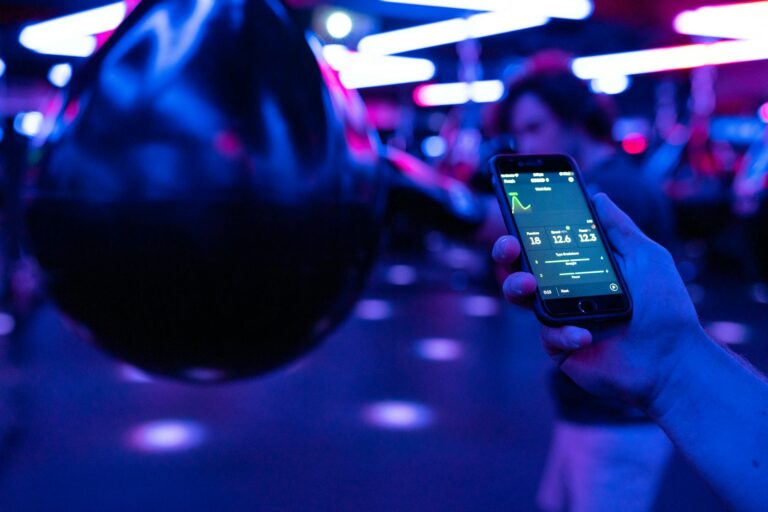
Most people overestimate their intensity minutes because they confuse the feeling of effort with actual cardiovascular intensity. When you’re breathing hard or sweating during a run, your body feels like it’s working hard—but that doesn’t necessarily mean you’ve reached the heart rate threshold that fitness trackers define as “intensity.” A runner might complete what feels like a grueling 5-mile run and expect a high intensity minute count, only to discover their device recorded far fewer minutes than anticipated. This gap between perception and measurement is the core reason why intensity minutes are so commonly inflated in people’s fitness tracking records. The primary culprit is a fundamental misunderstanding of how intensity is measured.
Fitness devices like smartwatches, fitness trackers, and running apps rely on specific physiological markers—primarily heart rate—to determine whether you’ve entered an intense exercise zone. Most devices define intensity as sustained activity at 70% or higher of your maximum heart rate, though some use different thresholds. Simply feeling tired or working hard doesn’t automatically meet these objective criteria. A 30-year-old runner might think they’re training intensely at 130 beats per minute, but if their max heart rate is 190, they’re actually only at 68% intensity—just below the threshold where most devices start counting.
Table of Contents
- What Exactly Counts as Intensity Minutes in Fitness Tracking?
- The Gap Between How Hard You Feel and What Your Heart Rate Actually Shows
- How Device Sensors and Algorithms Contribute to the Overestimation Problem
- Understanding Heart Rate Zones and Why Your Max Heart Rate Calculation Matters
- Common Mistakes That Make People Count Too Many Intensity Minutes
- The Impact of Device Choice and Personal Factors on Recorded Intensity
- How to Get More Accurate Intensity Minute Readings and What They Actually Mean
- Conclusion
- Frequently Asked Questions
What Exactly Counts as Intensity Minutes in Fitness Tracking?
intensity minutes aren’t abstract—they’re tied to measurable physiological responses that most modern fitness devices track using heart rate data. The concept originated with health guidelines from organizations like the American Heart Association, which recommends at least 150 minutes of moderate-intensity aerobic activity per week. Devices adapted this into a trackable metric, defining moderate intensity as roughly 50-70% of maximum heart rate and vigorous intensity as 70%+ of maximum heart rate. However, different manufacturers have different thresholds, which creates the first layer of confusion.
For example, a Apple Watch might count intensity minutes differently than a Garmin, which tracks differently than a Fitbit. One device might use a 70% threshold while another uses 75%, or they might incorporate additional metrics like movement patterns beyond heart rate. This means two people running the same workout pace could log significantly different intensity minutes depending on their device. A runner using an older fitness tracker might see inflated numbers because the device uses a lower threshold, while the same run on a newer model might show fewer intensity minutes despite identical effort.
The Gap Between How Hard You Feel and What Your Heart Rate Actually Shows
The human perception of exercise intensity is notoriously unreliable. Factors like ambient temperature, humidity, hydration level, caffeine intake, stress, and sleep quality all affect how hard an activity feels—but none of these factors change your actual heart rate response to the intensity. You might feel absolutely exhausted on a hot day during an easy run, experiencing the sensation of maximum effort, while your heart rate stays relatively low. Conversely, you might do a moderately paced run on a cool morning and feel relatively comfortable, even though your heart rate is elevated.
This perception gap becomes a critical limitation when people self-assess their training intensity. A common mistake is confusing lactate threshold—the point where your body can’t clear lactate fast enough—with cardiovascular intensity. You might feel a burning sensation in your legs during a tempo run and believe you’re in a vigorous intensity zone, but if your heart rate hasn’t reached the threshold, your device won’t count those minutes. Additionally, perceived exertion varies significantly based on fitness level. An untrained runner might hit their 70% max heart rate at a 10-minute-per-mile pace and feel moderately intense, while a trained runner wouldn’t reach that threshold until 6 minutes per mile.
How Device Sensors and Algorithms Contribute to the Overestimation Problem
Wrist-based heart rate sensors have improved dramatically over the past few years, but they’re still not as accurate as chest straps or medical-grade equipment. Movement artifacts—the motion of your arm and wrist during running—can cause the sensor to misread your heart rate by 5-15 beats per minute in either direction. If you’re running a moderate pace that actually puts you at 68% of max heart rate, a sensor error could push the reading to 73%, crossing the intensity threshold and causing minutes to be counted that shouldn’t be.
The algorithms fitness companies use to translate raw heart rate data into intensity metrics also introduce variability. Some devices smooth out heart rate spikes to filter out sensor noise, which can either undercount or overcount intensity depending on how the algorithm is calibrated. A workout might have multiple brief spikes above your threshold that the algorithm ignores, or conversely, the algorithm might interpret gradual increases as sustained intensity when they’re actually just normal fluctuations. One study comparing multiple popular fitness devices found that intensity minute counts for the same workouts varied by as much as 40% between devices, highlighting how much the measurement methodology itself contributes to inconsistency and perceived overestimation.
Understanding Heart Rate Zones and Why Your Max Heart Rate Calculation Matters
The accuracy of intensity minute tracking depends entirely on knowing your true maximum heart rate, and this is where most people go wrong. The standard formula for estimating max heart rate is 220 minus your age, but this formula has a standard error of ±10-12 beats per minute. A 40-year-old person using this formula would estimate a max heart rate of 180, but their actual max could legitimately be anywhere between 168 and 192. If your true max is 192 but you’re using 180, you’re overestimating what 70% intensity actually is, which means your device will count more minutes as “intense” than they actually are.
This error compounds throughout your training. Someone with an actual max heart rate of 192 would need to sustain 134 bpm for vigorous intensity, but if they’re using the 180 estimate, they think 126 bpm is vigorous. If they run at a sustained 130 bpm, they’ll see it counted as intense minutes when they should actually be hitting 134. Over a week of training, this could mean 30-50 extra intensity minutes being logged that don’t represent truly vigorous work. The only way to get an accurate reading is to either perform a maximal effort test with proper medical monitoring or use sport-specific formulas that account for your fitness level and running experience—something most casual runners never do.
Common Mistakes That Make People Count Too Many Intensity Minutes
One widespread error is switching between different devices without understanding their different calibration standards. You might wear a smartwatch that’s somewhat lenient with intensity minute counting, see inflated numbers, and believe you’re training harder than you actually are. When you eventually upgrade or change devices, the new device might show significantly fewer intensity minutes for the same efforts, creating the false impression that your fitness has declined. Another common mistake is not accounting for interval workout structure.
During a typical interval session, you might warm up for 10 minutes, do six 3-minute repetitions at a hard pace with 2-minute recoveries, then cool down. Your device might count the hard intervals but miss nuances in how those minutes accumulate. Some people assume that because they did hard intervals, the entire workout was “intense,” but if your recovery periods drop below the intensity threshold—which they should, by definition—those minutes don’t count, even though the overall workout structure was appropriate for building fitness. This discrepancy creates the mistaken belief that your device is undercounting when it’s actually working as designed.

The Impact of Device Choice and Personal Factors on Recorded Intensity
Your device choice dramatically affects how many intensity minutes you’ll record for identical running. A person using an Apple Watch might consistently see higher intensity minute counts than someone running the same paces with a Garmin or Fitbit, simply because of how each company’s algorithm interprets heart rate data. This isn’t fraud—it’s just different engineering choices about how conservative or generous to be with the threshold crossing.
Personal factors also influence the results independently of actual training intensity. Someone with a naturally higher resting heart rate might hit intensity thresholds more easily than someone with a lower resting heart rate, even if they’re doing identical workouts at identical paces. Cold weather increases heart rate during running, so the same effort in winter might generate more intensity minutes than the same effort in summer. These environmental and physiological variables mean that comparing your intensity minutes to another person’s, or to your own from a different season, can be misleading without understanding these underlying factors.
How to Get More Accurate Intensity Minute Readings and What They Actually Mean
If accuracy matters for your training, several approaches can improve the reliability of your intensity minute counting. First, invest in a chest strap heart rate monitor instead of relying solely on wrist sensors. Chest straps provide significantly more accurate heart rate data and reduce the device algorithm’s need to estimate, resulting in more reliable intensity classification.
Second, determine your actual maximum heart rate through a controlled maximal effort test or use sport-specific prediction equations rather than the age-based formula. Moving forward, it’s worth reframing what intensity minutes actually represent: they’re a rough indicator of how much time you spend in demanding aerobic zones, useful for tracking general training volume but not precise enough for exact comparisons or rigid adherence to guidelines. Rather than aiming for a specific number of intensity minutes, use them as one data point among many—alongside pace, perceived effort, training structure, and long-term fitness improvements—to assess whether your training is appropriate.
Conclusion
Most people overestimate their intensity minutes because they conflate the subjective sensation of effort with objective physiological thresholds, rely on imprecise wrist-based sensors, misunderstand how devices calculate these metrics, and often get maximum heart rate estimation wrong. The gap between what you think is intense and what your device actually counts as intense is typically 15-40%, depending on your device, your fitness level, and factors like environmental conditions and sensor accuracy.
Rather than treating intensity minutes as absolute truth, use them as a directional guide for your training volume. Focus on understanding what actual intensity feels like at your measured heart rate zones, verify your max heart rate through testing if possible, and remember that the most important metric is whether your training structure and consistency are building the fitness you want—something no device will ever fully capture.
Frequently Asked Questions
Why does my fitness tracker show fewer intensity minutes than I expected for a workout that felt really hard?
Perceived effort doesn’t equal actual intensity. You might have been working at 65-68% of your maximum heart rate, just below most devices’ 70% intensity threshold. Additionally, if you’re using an estimated maximum heart rate that’s too low, your threshold calculation is off, making it harder to reach what the device considers “intense.”
Should I trust my device’s intensity minute count as a measure of training quality?
No, not entirely. Use it as one reference point among many. A better approach is understanding your heart rate zones, monitoring your actual pace and perceived effort, and tracking long-term fitness improvements. The number itself is less important than the training structure.
Can I compare my intensity minutes to someone else’s to see who trains harder?
No. Different devices count differently, people have different maximum heart rates, and environmental conditions vary. Comparing intensity minutes between people is like comparing scores from different games—the numbers don’t translate.
Why do different fitness watches give me different intensity minute counts for the same run?
Different manufacturers use different heart rate sensors, data smoothing algorithms, and intensity thresholds. A 5-15 beat-per-minute variation from sensor error alone can push you over or under the intensity threshold, and algorithmic differences compound this variation.
How can I improve the accuracy of my intensity minute tracking?
Use a chest strap heart rate monitor instead of wrist-based sensors, determine your actual maximum heart rate through testing rather than using the age-based formula, run on consistent routes where you can track real improvements, and understand that accuracy to within 5-10% is excellent for consumer devices.
Are intensity minutes useful for anything if they’re this inaccurate?
Yes, they’re useful for tracking relative volume over time and noting trends in your own data. If you consistently increase your weekly intensity minutes and simultaneously see improvements in pace or race results, the minutes are serving their purpose—just not as an absolute measure of training quality.