More from Running Cardio: Home | Weekly Intensity Minutes Log
Chafing occurs when friction between skin and fabric—or between two areas of skin—creates irritation, redness, and sometimes painful blisters during running. To avoid chafing while running, you need to reduce friction through three main strategies: wearing moisture-wicking clothing with smooth seams, applying protective lubrication to vulnerable areas, and keeping your skin dry and properly conditioned. Most runners experience chafing at least once, whether it’s on the inner thighs, nipples, or feet, but with the right preventive approach, you can eliminate it entirely from your training and racing.
The key is understanding that chafing isn’t inevitable—it’s a problem with a clear solution. A runner training for a marathon might experience painful chafing on their inner thighs during a 12-mile training run, yet that same runner can run a full 26 miles without any irritation by switching to seamless shorts, applying an anti-chafe balm beforehand, and staying mindful of moisture management. Chafing prevention starts well before you lace up your shoes.
Table of Contents
- What Causes Chafing and Why Friction Happens During Running
- Choosing the Right Fabrics and Clothing to Prevent Chafing
- Using Anti-Chafe Products and Protective Lubrication
- Skin Preparation and Conditioning Techniques
- High-Risk Body Areas and Targeted Prevention Strategies
- Treatment and Recovery When Chafing Occurs
- Long-Term Prevention and Building a Chafe-Free Running Routine
- Conclusion
- Frequently Asked Questions
What Causes Chafing and Why Friction Happens During Running
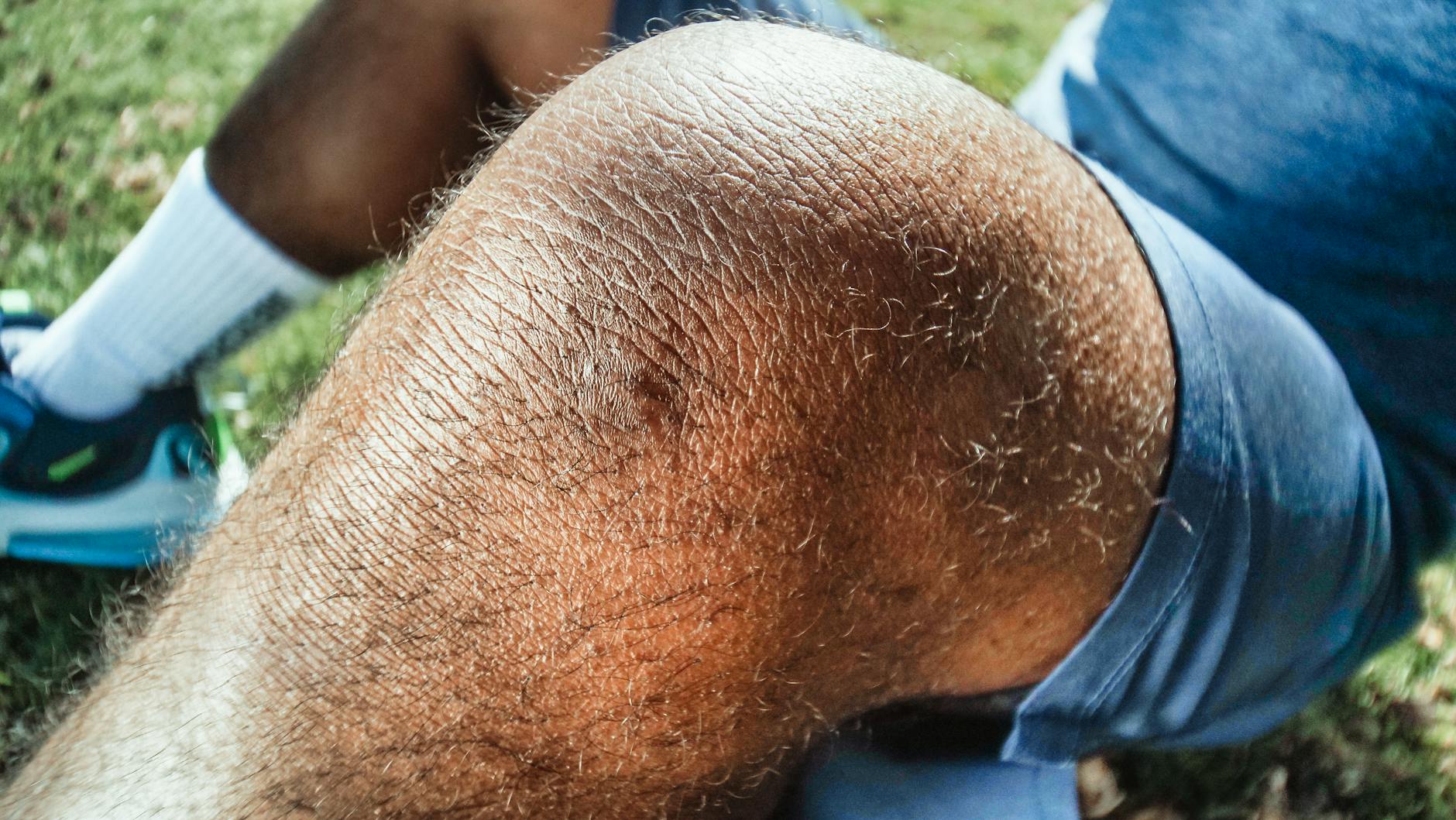
chafing develops specifically during running because of the combination of repetitive motion, moisture, and heat. Every step you take multiplies the friction between skin and fabric or between skin surfaces rubbing together. A typical 5-mile run involves thousands of strides, and each one creates micro-movements that gradually wear down the skin’s protective barrier. When sweat adds moisture—which reduces the skin’s ability to slide smoothly and increases friction—the stage is set for irritation. The body parts most vulnerable to chafing are those that experience the most movement relative to clothing or adjacent skin. Inner thighs chafe because they move back and forth with each stride.
Nipples chafe because they rub constantly against shirt fabric with no cushioning beneath. Underarms and groin areas chafe because they’re warm, moist zones where fabric naturally sits more snugly. Understanding these high-risk zones helps you target prevention efforts where they matter most. Another often-overlooked factor is the skin’s current condition. If your skin is already irritated, sunburned, or dry, it’s far more susceptible to chafing. A runner with dry skin on their feet is much more likely to develop blisters from friction than a runner who moisturizes regularly. Additionally, body weight and running gait affect chafing risk—heavier runners or those with a wider stride may experience more inner-thigh friction, while runners with certain gaits might put extra pressure on specific areas of their feet.
Choosing the Right Fabrics and Clothing to Prevent Chafing
The fabric your running clothes are made from directly determines how much friction develops during a run. Cotton is the worst choice for running because it absorbs sweat and holds moisture against your skin, creating a wet surface that increases friction dramatically. A runner wearing a cotton t-shirt might feel comfortable for the first mile, but by mile three, the shirt is soaked and clinging to their chest, rubbing with every stride. Moisture-wicking synthetic fabrics like polyester, nylon, and specialized blends designed for athletic wear move sweat away from your skin to the fabric’s outer layer, where it can evaporate. This keeps your skin relatively dry and reduces friction significantly. Merino wool is another excellent option—it naturally wicks moisture, regulates temperature, and resists odor. many runners find that switching from cotton to a quality moisture-wicking shirt eliminates chest and torso chafing entirely.
However, the limitation here is that moisture-wicking fabrics are more expensive and require proper care to maintain their properties; washing in hot water or using fabric softener can damage the moisture-wicking coating. Seam placement and construction matter equally. Seamless or flat-seam designs dramatically reduce chafing compared to traditional raised seams. Raised seams create a direct line of pressure and friction along sensitive areas, while flat seams distribute force more evenly. Running bras for women should have completely flat seams or be seamless under the arms where the bra sits against the ribcage. Shorts and tights should have seam-free construction in the groin and inner-thigh areas. For men, seams in the crotch area can be particularly problematic, making seamless compression shorts a worthwhile investment.
Using Anti-Chafe Products and Protective Lubrication
Anti-chafe balms, BodyGlide, and similar friction-reducing products create a protective barrier between skin and fabric or skin and skin. These products work by allowing the fabric or skin to slide smoothly over the underlying layer rather than gripping and pulling. Applied before a run to areas prone to chafing, a quality anti-chafe product can be the difference between a comfortable race and one where every step brings irritation. Different products work better for different situations. Stick-based products like BodyGlide are convenient for pre-run application and don’t feel wet; they work well for inner thighs, feet, and torso. Heavier creams and balms offer more lasting protection for longer runs and tend to work better in very wet conditions.
Petroleum jelly is inexpensive and effective, though it can stain clothing and attract dirt. The trade-off is that any product adds a layer that some runners find uncomfortable, and some people develop sensitivities to certain formulations. A runner who’s never used anti-chafe products before might find them sticky or unpleasant at first, but almost all runners adapt quickly once they experience chafe-free running. The timing and application method matter. Products should be applied to completely clean, dry skin—applying them to sweaty or damp skin reduces their effectiveness. For runs longer than 90 minutes, consider whether you’ll need to reapply products mid-run or at aid stations, since the product may wash away with sweat. During marathons and ultra-marathons, many runners keep anti-chafe products with them specifically to apply at miles 10, 15, and 20 to maintain protection as sweat accumulates.
Skin Preparation and Conditioning Techniques
Your skin’s baseline condition significantly affects chafing susceptibility. Well-moisturized skin is more resilient and resistant to friction damage than dry, irritated skin. Runners who moisturize daily, particularly in areas prone to chafing, experience fewer problems. This is especially important if you run year-round in dry climates where skin naturally dries out faster. A simple nighttime routine of applying a quality moisturizer to inner thighs, feet, and torso takes two minutes and provides meaningful protection. Exfoliating gently once or twice weekly helps remove dead skin cells that can make chafing worse. Dead skin creates a rougher surface that increases friction; removing it leaves smoother skin that slides more easily against fabric.
However, the limitation is that excessive exfoliation can damage the skin barrier and make chafing worse. A runner who exfoliates too aggressively or too frequently might end up with irritated, raw skin that’s even more prone to chafing. Gentle chemical exfoliants or soft scrubs are better than harsh physical scrubbing. Another important consideration is breaking in new running gear before using it in training runs or races. A new sports bra, shorts, or shoes should be worn for at least one practice run before attempting a long run. This allows you to identify problem areas—places where seams rub, where fabric fits too tightly, or where the material creates unexpected friction. Many runners have learned this the hard way by wearing brand-new shorts in a half-marathon only to discover mid-race that the inner seam causes painful chafing. One practice run could have prevented hours of discomfort.
High-Risk Body Areas and Targeted Prevention Strategies
Inner-thigh chafing is the most common complaint among runners, particularly in longer distances. This area experiences thousands of repetitive back-and-forth motions during a run, and sweat accumulates in the fold of skin between the thighs. Prevention requires a combination of moisture-wicking shorts with no inner seam, anti-chafe balm applied pre-run, and sometimes specifically designed inner-thigh bands or compression shorts. Some runners find that maintaining a fit, lean physique reduces inner-thigh friction because there’s less skin-to-skin contact, while heavier runners might need to rely more heavily on products and specially designed clothing. Nipple chafing primarily affects male runners, though some women experience it even in sports bras. The repetitive rubbing of fabric against nipples creates painful irritation that can bleed and become infected. The simplest solution is applying a small amount of anti-chafe balm, BodyGlide, or even a bandage over each nipple before running. Many male runners use adhesive bandages or medical tape to create a barrier.
For women, a properly fitted sports bra is essential—one that doesn’t move excessively or pull on the skin. The warning here is that ignoring nipple chafing can lead to serious infection or scarring, so prevention or immediate treatment is necessary. Foot chafing typically occurs at the heel, on the sides of the foot, or between toes. This often results from poorly fitting shoes, moisture accumulation in socks, or blisters that form from friction. Unlike other types of chafing, foot chafing is usually a shoe and sock problem. Investing in properly fitted running shoes and moisture-wicking socks designed specifically for running can eliminate foot chafing. The limitation is that finding the perfect shoe fit can take time and trial-and-error; what works for one runner’s foot shape won’t work for another. Additionally, even the best shoes can cause chafing in the first few weeks before they’re broken in properly.

Treatment and Recovery When Chafing Occurs
If you do develop chafing despite preventive efforts, immediate care prevents it from worsening. Stop running if possible, clean the area gently with mild soap and water, pat dry, and apply an antiseptic if the skin is broken. Avoid further friction by changing into clean, dry clothing. A hydrocortisone cream or other topical anti-inflammatory can reduce inflammation. For the next few days, wear loose clothing in the affected area and avoid running until the skin heals—typically 3-7 days depending on severity. Some runners make the mistake of trying to run through severe chafing, thinking they’ll toughen up the skin.
This approach risks infection and permanent skin damage. A runner with bleeding, raw chafing who runs again the next day almost always makes the problem worse and extends recovery time. Instead, waiting a few days for initial healing, then gradually returning to running with enhanced prevention measures, gets you back to consistent training faster. For preventing chafing from returning to the same location, you need to address what caused it in the first place. If previous chafing happened during a specific run distance or in specific conditions, analyze what was different about that run. Were you wearing new gear? Did you skip anti-chafe products? Had you been training through an unusually wet or humid period? A runner who develops nipple chafing during a 10-mile run in hot, humid weather might prevent it in future humid-weather runs by applying extra anti-chafe balm and considering a running shirt with a smoother, tighter weave.
Long-Term Prevention and Building a Chafe-Free Running Routine
The best runners develop a systematic approach to chafing prevention that becomes automatic. This means having a go-to set of running clothes that you know won’t chafe, maintaining consistent skin care, and applying anti-chafe products habitually before longer runs. Over time, this routine requires no extra thought—you’re simply protecting your skin the same way you would protect your feet by wearing shoes. Building a chafe-free running habit also means staying aware of changes.
As seasons change, humidity and temperature shift, which affects how much you sweat and how your skin responds to friction. A runner in a hot, humid summer climate might need stronger anti-chafe products than they do in a cool, dry winter. Similarly, if you gain or lose weight, your running gait might change, potentially affecting which areas chafe. Staying flexible and adjusting your prevention strategy as conditions change keeps you ahead of potential problems. This forward-looking approach—anticipating issues before they become painful—is what separates runners who experience recurring chafing from those who solve it once and move on.
Conclusion
Chafing is preventable through a combination of moisture-wicking clothing, anti-chafe products, proper skin care, and awareness of high-risk areas. Most runners can eliminate chafing entirely by implementing even a few of these strategies consistently. The investment in quality running gear and a few inexpensive anti-chafe products pays for itself through comfortable, uninterrupted training and racing.
Your next step is identifying your personal chafing risk factors—your running distance, body type, climate, and sensitivity level—then building a prevention routine tailored to those factors. Start by evaluating your current running clothes and considering whether they truly wick moisture effectively. Then add an anti-chafe product to your running routine for your next longer run. Most runners find that these simple changes transform their running experience from a battle against irritation to genuinely comfortable miles.
Frequently Asked Questions
How far into a run does chafing typically start?
For most runners, chafing develops gradually over the course of a run, with symptoms becoming noticeable around 45 minutes to an hour into running, depending on conditions and individual sensitivity. Longer runs, warmer weather, and new gear all accelerate the onset. Some runners experience it earlier if they’re not using preventive measures.
Can I prevent chafing with just anti-chafe products and no special clothing?
Many runners do prevent chafing this way, especially for runs under 60 minutes. However, for longer runs or in hot, humid conditions, combining anti-chafe products with moisture-wicking clothing and seamless construction works more reliably. Relying solely on products becomes less effective as runs get longer because the product washes away or the accumulated moisture overwhelms it.
Is expensive running gear necessary to prevent chafing?
Not entirely. You can prevent chafing with mid-range moisture-wicking clothing and inexpensive anti-chafe products. However, high-end running brands often have better seam construction and fabric quality that makes prevention easier. The best approach is investing in one or two pieces of reliable gear for key areas (shorts, sports bra, undershirts) and using cheaper anti-chafe products.
How often should I replace my running shorts if they’re causing chafing?
If shorts consistently cause chafing despite preventive efforts, try replacing them immediately. Worn fabric loses its moisture-wicking properties and seams can fray, increasing friction. However, ensure the new shorts are actually seamless or flat-seam in problem areas—simply buying new shorts of the same problematic design won’t fix the issue.
Can I use regular body lotion as an anti-chafe product?
Body lotion can work temporarily, but it typically doesn’t last as long as products specifically designed for anti-chafing. Lotion also tends to absorb into skin quickly, whereas anti-chafe balms create a longer-lasting barrier. For emergencies, lotion is better than nothing, but dedicated products are more effective for regular running.
Is there a specific time of year when chafing is worst?
Summer and humid seasons are typically worst for chafing because increased sweat production and moisture overwhelm prevention strategies. Cold, dry seasons bring their own challenge: dry skin is more fragile and prone to irritation from friction. Most runners find they need stronger prevention measures in summer and better skin moisturizing routines in winter.