More from Running Cardio: Home | Weekly Intensity Minutes Log
Yes, you can run with chafing, but whether you should depends on the severity and your approach to managing it. Minor chafing—the kind where your skin feels raw but isn’t bleeding or severely inflamed—is manageable during a run if you take precautions. Many runners complete their workouts with mild chafing by applying lubricant, adjusting their form, or slowing their pace.
For example, a distance runner who notices inner-thigh chafing at mile three can usually continue by coating the area with an anti-chafe balm, which creates a protective barrier that reduces friction for the remaining miles. However, running with significant chafing carries real risks. If your chafing has progressed to open wounds, bleeding, or severe burning that affects your gait, continuing to run can deepen the injury, introduce infection, and extend your recovery time substantially. The decision to keep running should be based on honest assessment of your discomfort level and the condition of your skin.
Table of Contents
- What Happens to Your Skin When You Run with Chafing?
- The Risk of Infection and Complications
- How to Modify Your Running Technique
- Anti-Chafe Products and Their Effectiveness
- Knowing When to Stop Running
- Recovery Strategies After Running with Chafing
- Long-Term Prevention Over Repeated Management
- Conclusion
What Happens to Your Skin When You Run with Chafing?
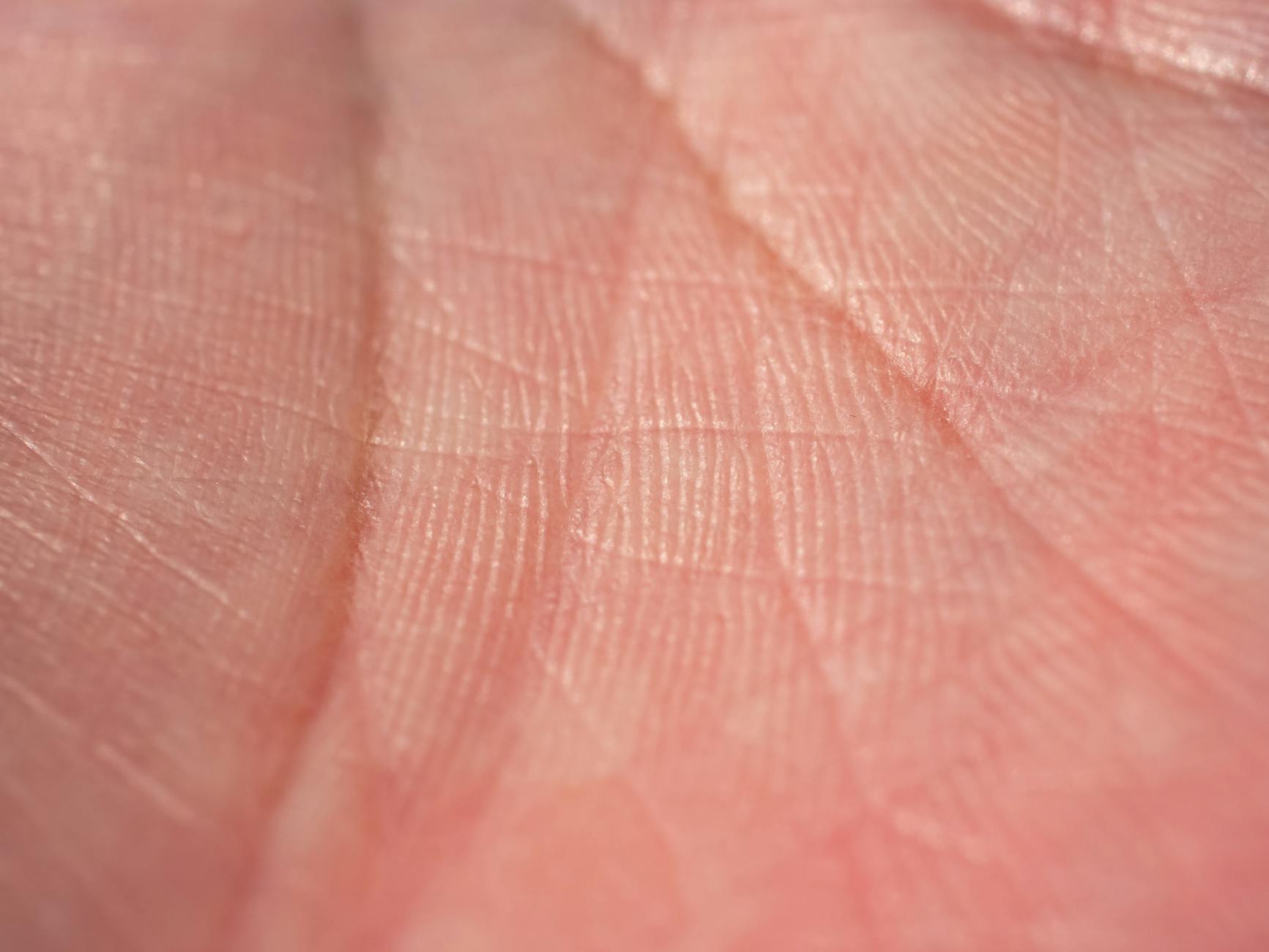
chafing occurs when repeated friction breaks down the outer layer of skin, causing irritation, redness, and sometimes bleeding. When you run, the repetitive motion continues that friction, potentially worsening the damage. The longer you run with existing chafing, the deeper the wound can become, moving from surface irritation into the dermis (the layer beneath your epidermis). This progression isn’t just uncomfortable—it can take weeks to fully heal instead of days.
Moisture and sweat accelerate chafing, which is why the problem compounds during a run. Your perspiration softens the skin, making it more susceptible to breakdown, while also creating a salty environment that stings exposed chafed areas. A runner who starts a 10-kilometer run with mild thigh chafing might find it significantly worse by the finish line if they haven’t addressed it, because the run itself has intensified the friction and moisture exposure. The good news is that if your chafing is truly mild—just redness without any breakdown of the skin—running is less risky, though you should still take steps to prevent it from worsening.
The Risk of Infection and Complications
Once chafing breaks the skin barrier, you’ve created an opening for bacteria to enter, which is where the real danger begins. Sweat, bacteria from clothing, and the warm, moist environment created by running create ideal conditions for infection. While most chafing doesn’t become infected, even a small cut can develop cellulitis or folliculitis if contaminated.
This is the critical limitation of running with chafing: it’s not just about finishing your workout today, it’s about the health consequences over the next week. The warning here is stark: infected chafing requires antibiotic treatment and can keep you from running for far longer than simply resting during the initial injury. A runner who ignored chafing and developed a bacterial infection might find themselves benched for two weeks instead of the three to five days rest that mild chafing typically demands. Additionally, scarring from deep chafing can become a chronic issue, with some runners experiencing recurring problems in the same spots during long runs even after full healing.
How to Modify Your Running Technique
If you decide to continue running with mild chafing, changing your gait and pace can significantly reduce friction. Shorter, quicker strides reduce the amount of skin-on-skin or skin-on-fabric rubbing compared to the longer, powerful strides you might use in a normal run. A runner dealing with inner-thigh chafing might notice that jogging at a slower pace with a more upright posture reduces the problem more than pushing their normal speed would.
Posture matters too. Leaning slightly forward, maintaining a neutral pelvis, and keeping your arms at a controlled angle reduces unnecessary movement that can aggravate chafed areas. For example, if you have chafing around your sports bra line or shoulders, deliberately relaxing your shoulder tension and avoiding the exaggerated arm swing you might use during a tempo run will minimize friction in those zones. These adjustments take conscious effort and will feel slower or less efficient, but they’re necessary compromises if you’re determined to complete your run.

Anti-Chafe Products and Their Effectiveness
Anti-chafe balms, body glides, and similar products work by creating a slick layer between skin and fabric or between skin and skin, reducing friction significantly. However, their effectiveness varies depending on the product and the severity of your chafing. A quality balm like Squirrel’s Nut Butter or Chamois Butt’r can reduce friction enough to let you finish a run comfortably, whereas a less effective product might only delay the problem until mile five.
The trade-off with anti-chafe products is that they require reapplication during longer runs—something that isn’t always practical—and they can transfer to your clothes, which some runners find annoying. Additionally, some products are water-resistant but not waterproof, meaning they wash away if you’re running in rain or on a very hot day. Comparing options, petroleum-based products tend to last longer but feel heavier, while silicone-based options feel lighter but rinse off more easily. The best approach is to have tested your preferred product during training runs before relying on it during a race or long run where chafing appears.
Knowing When to Stop Running
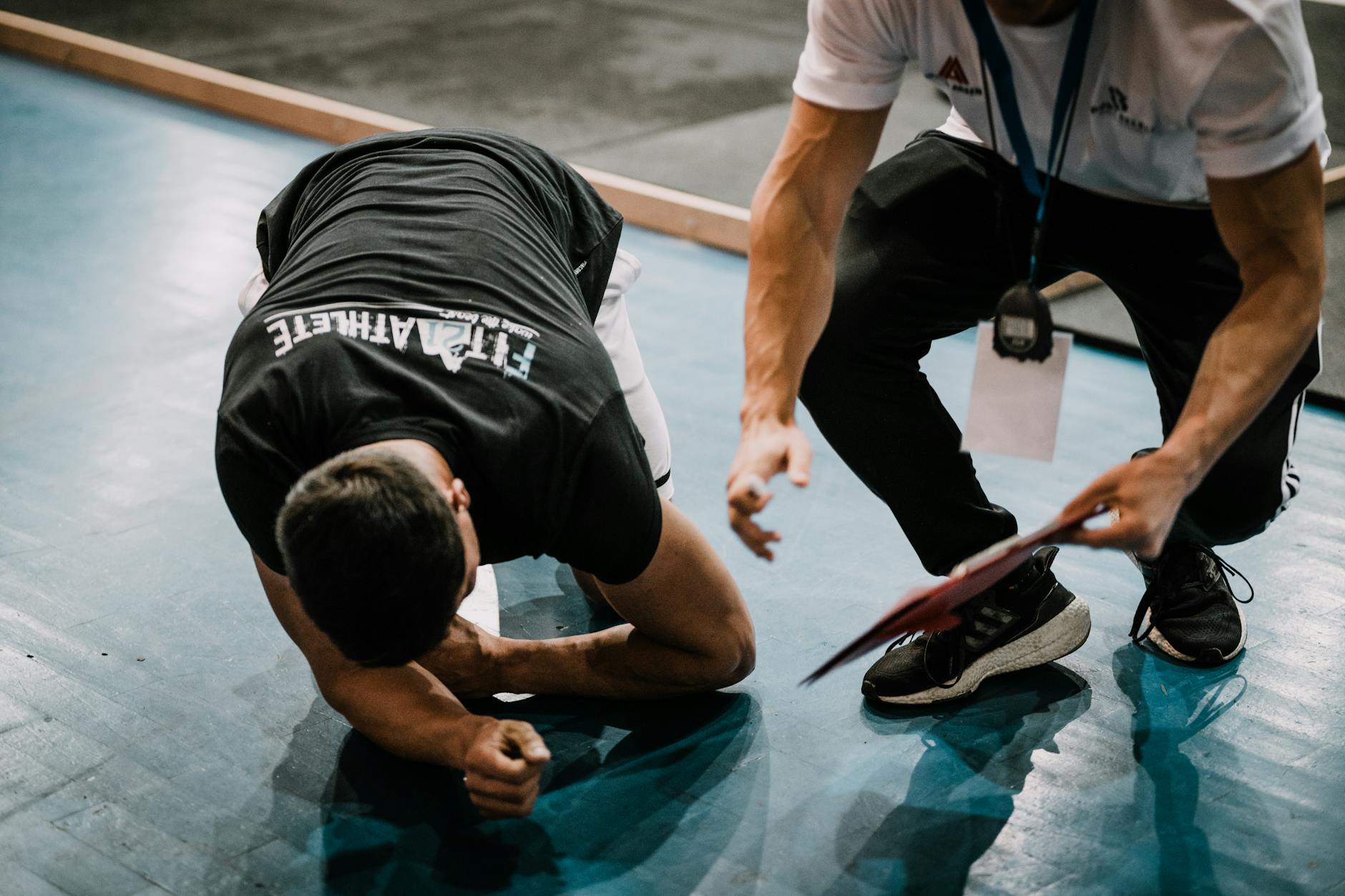
Your body will usually signal when chafing has crossed from manageable to serious. If you notice bleeding, severe burning that makes you alter your gait significantly, or pain that radiates beyond the chafed area, it’s time to stop. These are signs that continued running will create deeper damage and infection risk.
Additionally, if you find yourself limping or favoring one side to avoid friction, you’re not just risking your skin—you’re also risking compensatory injuries in other areas like your knees, hips, or the other leg. The warning: continuing to run through severe chafing isn’t a sign of toughness or commitment; it’s a fast way to spend more time injured. Many experienced runners learn this the hard way, spending weeks recovering from infections or extensive chafing damage that could have been prevented by stopping early. A missed single run is always better than a missed two weeks of training due to infection or deep tissue damage.
Recovery Strategies After Running with Chafing
Once you’ve finished your run, swift action can minimize further damage and speed healing. Clean the chafed area gently with mild soap and cool water, then apply an antibiotic ointment and a loose, breathable bandage if the skin is broken. Avoid tight clothing in the chafed area for at least 48 hours, and consider taking a break from running that specific route or intensity until the skin has fully healed.
Some runners use hydrocolloid bandages (the same type used for blister healing) over chafed areas, which create a moist healing environment that reduces pain and speeds recovery. For example, an inner-thigh chafing injury often heals in three to four days with proper bandaging and rest, compared to five to seven days without protection. The key is avoiding re-injury by maintaining that protected barrier while the skin rebuilds.
Long-Term Prevention Over Repeated Management
Rather than repeatedly managing chafing during runs, the smarter approach is preventing it from happening in the first place. Investing in quality running gear—properly fitted shorts without seams in problem areas, moisture-wicking fabrics, and sports bras designed specifically for running—eliminates many chafing problems before they start.
As running technology continues to improve, brands are increasingly designing gear with anti-chafe construction, meaning this is a solvable problem for most runners. Looking forward, the trend in running apparel is toward seamless construction and friction-reducing fabrics, which suggests that chafing may become a rare problem for runners who use modern gear. The investment in good equipment is an investment in your ability to run consistently without these interruptions.
Conclusion
Running with chafing is possible if the irritation is minor and you take protective measures, but it requires honest self-assessment about pain levels and skin damage. Applying lubricant, modifying your pace and technique, and accepting that your run will be slower or shorter can help you finish without worsening the injury. The key is distinguishing between manageable discomfort and genuine damage—bleeding, severe pain, or signs of infection are all signals to stop.
The long-term answer to chafing is prevention through proper gear selection, body awareness, and early intervention. By recognizing chafing early and addressing it immediately rather than pushing through, you’ll spend far more time running and less time managing injuries. Your next run should include an honest assessment of whether continuing is safe, application of protective products if you choose to keep going, and a commitment to solving the underlying problem so it doesn’t happen again.