Understanding the ideal heart rate zones for a 5-mile run after 40, 50, and 60 represents one of the most practical applications of exercise physiology for masters runners. As the body ages, cardiovascular capacity shifts, maximum heart rate declines, and the zones that once defined easy, moderate, and hard efforts require recalibration. Runners who ignore these changes often find themselves working harder than necessary on easy days, unable to recover properly, or pushing into dangerous territory during tempo runs without realizing it. The challenge facing runners in their fourth, fifth, and sixth decades goes beyond simple mathematics. While formulas exist to estimate maximum heart rate and training zones, individual variation becomes more pronounced with age.
A 55-year-old runner with thirty years of consistent training will have markedly different cardiac fitness than someone who picked up running at 50. Medications, particularly beta-blockers, can artificially suppress heart rate regardless of effort level. Heat, humidity, sleep quality, and stress all exert greater influence on heart rate response in older athletes, making the numbers on a watch less reliable as absolute indicators. By the end of this article, you will understand how to calculate age-appropriate heart rate zones, interpret what your heart rate data actually means during a 5-mile run, and adjust your training to account for the realities of an aging cardiovascular system. You will learn the physiological reasons behind heart rate changes after 40, specific zone targets for each decade, and practical strategies for using heart rate monitoring to run smarter rather than harder. The goal is not to chase numbers from your younger years but to optimize your training for the body you have now.
Table of Contents
- Why Do Heart Rate Zones Change for Runners Over 40, 50, and 60?
- Calculating Your Personal Heart Rate Zones for a 5-Mile Run
- Specific Heart Rate Targets by Decade During a 5-Mile Run
- How to Use Heart Rate Data During Your 5-Mile Training Runs
- Common Heart Rate Monitoring Mistakes Runners Over 40 Make
- The Role of Heart Rate Variability in Training for Older Runners
- How to Prepare
- How to Apply This
- Expert Tips
- Conclusion
- Frequently Asked Questions
Why Do Heart Rate Zones Change for Runners Over 40, 50, and 60?
Maximum heart rate declines with age at a relatively predictable rate of approximately 0.7 to 1 beat per minute per year after age 20. This decline occurs regardless of fitness level, though trained athletes may experience a slightly slower decrease. The traditional formula of 220 minus age provides a rough estimate, but research suggests more accurate formulas such as 208 minus 0.7 times age or 206.9 minus 0.67 times age. For a 40-year-old, this translates to estimated maximum heart rates between 175 and 180 beats per minute. By age 60, that ceiling drops to roughly 155 to 165 beats per minute. This reduction in maximum heart rate stems from several physiological changes.
The sinoatrial node, the heart’s natural pacemaker, loses some of its intrinsic firing capacity over time. The heart muscle itself becomes slightly stiffer, affecting its ability to fill rapidly between beats. Arterial compliance decreases, meaning blood vessels do not expand as readily to accommodate blood flow during exercise. These changes collectively mean that the same percentage of maximum heart rate represents a different absolute workload compared to younger years. The practical consequence for 5-mile running is significant. A run at 150 beats per minute might represent 80% of maximum heart rate for a 40-year-old but could approach 95% of maximum for a 60-year-old. Training in the wrong zones leads to predictable problems:.
- Chronic fatigue from running too hard on recovery days
- Inability to hit appropriate intensity during quality workouts
- Increased injury risk from inadequate recovery
- Plateaued performance despite consistent mileage

Calculating Your Personal Heart Rate Zones for a 5-Mile Run
Accurate zone calculation requires either laboratory testing or a properly executed field test. Laboratory measurement through a graded exercise test with gas analysis provides the most precise maximum heart rate and lactate threshold data, but this option remains inaccessible for most recreational runners. Field testing offers a practical alternative, though it requires honest maximal effort and carries some cardiovascular risk for previously sedentary individuals beginning exercise programs. The most reliable field test for runners over 40 involves a progressive effort over approximately 20 to 30 minutes.
After a thorough warmup, run a sustained hard effort for 20 minutes at the fastest pace you can maintain consistently. Your average heart rate during the final 10 minutes approximates your lactate threshold heart rate, which typically falls at 85 to 90 percent of maximum. From this number, you can back-calculate estimated maximum heart rate and establish training zones. For a 50-year-old runner who averages 155 beats per minute during the final 10 minutes of this test, estimated maximum heart rate would fall between 172 and 182, with threshold sitting at that 155 mark. Once you establish your personal maximum heart rate, training zones follow a consistent pattern regardless of age:.
- Zone 1 (Recovery): 50-60% of maximum, suitable for warmup and cooldown
- Zone 2 (Aerobic Base): 60-70% of maximum, the foundation of distance running
- Zone 3 (Tempo): 70-80% of maximum, comfortably hard sustainable effort
- Zone 4 (Threshold): 80-90% of maximum, race pace for distances from 10K to half marathon
- Zone 5 (VO2max): 90-100% of maximum, brief intervals only
Specific Heart Rate Targets by Decade During a 5-Mile Run
For runners in their 40s, a typical 5-mile training run should maintain heart rate between 126 and 140 beats per minute for easy efforts, assuming a maximum heart rate around 175 to 180. Tempo runs targeting race pace for a 5-mile distance will push into the 150 to 165 range. These runners still possess substantial cardiac reserve and can tolerate higher intensity training, though recovery takes longer than it did at 30. Most 5-mile runs should remain in Zone 2 or low Zone 3, with only dedicated quality sessions pushing into Zones 4 and 5. Runners in their 50s experience a noticeable compression of their training zones. With maximum heart rates typically falling between 160 and 170, easy 5-mile runs should target 105 to 125 beats per minute.
This number often feels deceptively slow to runners accustomed to judging effort by pace rather than physiological response. Threshold runs will occur at 130 to 150 beats per minute, and truly maximal efforts may not exceed 160 regardless of perceived exertion. The narrower range between zones makes heart rate monitoring simultaneously more important and more challenging, as small variations in heart rate represent larger percentage changes in effort. By the 60s, maximum heart rate of 150 to 160 becomes typical even for well-trained runners. Easy 5-mile runs should maintain heart rate between 95 and 115 beats per minute, while threshold efforts peak around 125 to 140. These numbers require particular attention because:.
- The difference between easy and hard efforts becomes smaller in absolute terms
- Cardiac drift during longer runs represents a larger percentage increase
- External factors like heat and dehydration produce more dramatic heart rate elevation
- Recovery between hard efforts takes substantially longer
How to Use Heart Rate Data During Your 5-Mile Training Runs
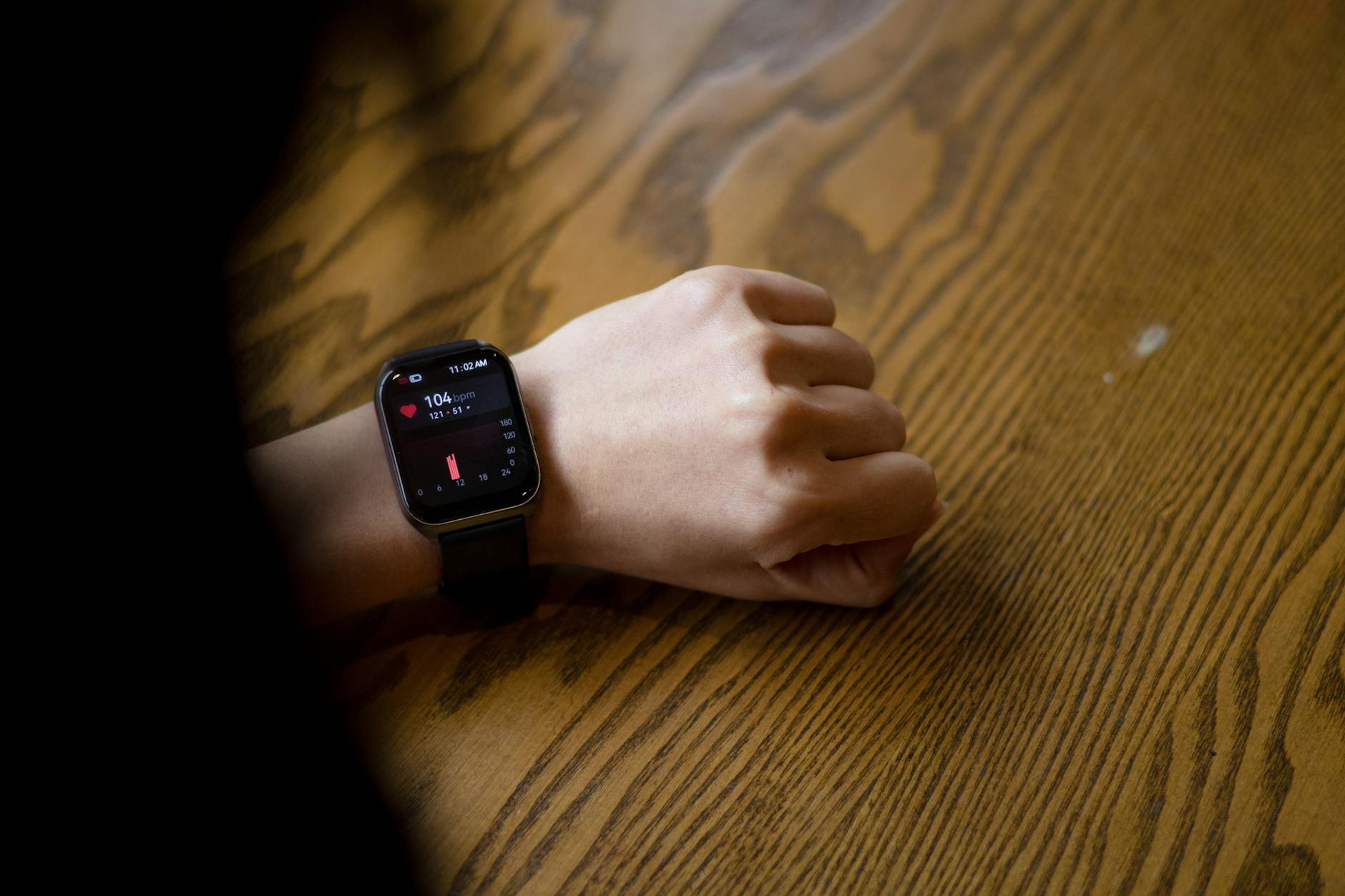
Heart rate monitoring during a 5-mile run provides valuable information only when interpreted correctly. The first mile typically shows elevated heart rate due to the lag between muscular oxygen demand and cardiovascular response, combined with residual stress hormones from pre-run anticipation. Judging workout quality by first-mile heart rate leads to consistently incorrect conclusions. Most runners should wait until 8 to 10 minutes into a run before evaluating whether heart rate aligns with intended effort. Cardiac drift describes the gradual increase in heart rate during sustained exercise even when pace remains constant.
This phenomenon results from progressive dehydration, increased core temperature, and shifting blood volume from central circulation to the skin for cooling. During a 5-mile run, heart rate may drift upward by 10 to 15 beats per minute from the first mile to the last, even on flat terrain at steady pace. Runners over 50 often experience more pronounced drift due to decreased plasma volume and less efficient thermoregulation. A run that starts at 130 beats per minute and finishes at 145 does not indicate declining fitness but rather normal physiological response to sustained exercise. Practical application of heart rate data during 5-mile runs should follow these principles:.
- Set alerts for upper heart rate limits on easy days rather than pace targets
- Use average heart rate for the middle three miles as the most reliable metric
- Compare heart rate data across runs of similar conditions rather than absolute values
- Track heart rate recovery at fixed intervals post-run as a fitness indicator
Common Heart Rate Monitoring Mistakes Runners Over 40 Make
The most prevalent error among masters runners involves attempting to match heart rate targets from younger years or from generic training plans designed for 25-year-olds. A training plan prescribing easy runs at 145 to 155 beats per minute may represent appropriate Zone 2 effort for a 30-year-old but pushes a 55-year-old into Zone 4 threshold territory. Following such plans leads to chronic overtraining, persistent fatigue, and eventual injury or illness. Every training plan must be adjusted for age-appropriate heart rate zones, not merely adopted wholesale. Medication effects represent another common source of confusion.
Beta-blockers, prescribed for hypertension, arrhythmias, and anxiety, directly suppress heart rate response to exercise. A runner taking metoprolol may have maximum heart rate artificially limited to 130 beats per minute regardless of effort. Attempting to reach zone targets calculated from standard formulas becomes impossible and potentially dangerous. Runners on beta-blockers should rely primarily on rating of perceived exertion, with heart rate providing secondary confirmation. Other medications including certain antidepressants, antihistamines, and stimulants can elevate resting and exercise heart rate, further complicating interpretation. Additional monitoring mistakes include:.
- Trusting optical wrist sensors without periodic chest strap validation
- Ignoring environmental factors that elevate heart rate independent of effort
- Comparing heart rate data across different monitor brands or models
- Failing to account for illness, sleep deprivation, or life stress effects

The Role of Heart Rate Variability in Training for Older Runners
Heart rate variability measures the variation in time between consecutive heartbeats, reflecting autonomic nervous system balance between sympathetic (fight-or-flight) and parasympathetic (rest-and-digest) activity. Higher variability generally indicates better recovery status and readiness for training, while suppressed variability suggests accumulated fatigue or stress. For runners over 40, tracking morning heart rate variability provides objective data about recovery that complements subjective feelings of readiness. Research indicates that heart rate variability tends to decrease with age, making baseline establishment particularly important for masters runners.
A 60-year-old should not expect the same HRV numbers as a 30-year-old but should track personal trends over time. When HRV drops significantly below personal baseline, reducing training intensity or taking an additional rest day may prevent overtraining. Many running watches and smartphone apps now provide HRV tracking, though consistency in measurement timing and conditions proves essential for meaningful data. Morning measurements taken before rising from bed yield the most reliable and comparable results.
How to Prepare
- **Acquire reliable monitoring equipment** by investing in a chest strap heart rate monitor for testing purposes, as optical wrist sensors frequently produce inaccurate readings during high-intensity efforts. The Polar H10, Garmin HRM-Pro, and Wahoo TICKR represent established options with proven accuracy. Pair the chest strap with your watch or phone app before testing day.
- **Establish resting heart rate baseline** by measuring heart rate each morning for one week before testing. Take measurements while still lying in bed, before any activity or stimulant consumption. Record the lowest stable value from each day and calculate the average. This baseline helps determine zone boundaries and provides ongoing fitness tracking reference.
- **Select appropriate test day conditions** by choosing a day with mild weather, adequate sleep, no residual fatigue from recent hard training, and no time pressure. Avoid testing after travel, illness, or unusual life stress. The course should be flat or use a treadmill to eliminate grade variables.
- **Execute the threshold test protocol** by warming up thoroughly for 15 minutes at easy effort, then running 20 minutes at the hardest pace you can sustain consistently throughout. This should feel like race effort for a distance slightly longer than you could maintain this pace. Record average heart rate from the final 10 minutes as your threshold estimate.
- **Calculate training zones** using your threshold heart rate as approximately 85-90% of maximum. Back-calculate estimated maximum heart rate, then derive zones as percentages. Retest every six months or after significant fitness changes to maintain accuracy.
How to Apply This
- **Program zone-based workouts into your training week** by assigning each run a target heart rate zone before starting. Easy 5-mile runs should remain in Zone 2, with strict upper limits set on your watch to prevent unintentional intensity creep. Allow only designated quality sessions to enter Zones 4 and 5.
- **Monitor and record heart rate data from every run** by reviewing average heart rate, maximum heart rate, and time in each zone after each workout. Compare these values against intended targets to evaluate pacing discipline. Track trends over weeks and months to identify fitness improvements or developing overtraining.
- **Adjust pace to maintain appropriate heart rate** rather than running predetermined paces regardless of physiological response. On hot days, hilly terrain, or when fatigued, maintaining correct heart rate zone requires slowing down. Accept slower paces when conditions demand them rather than forcing heart rate into unsafe ranges.
- **Use heart rate recovery as a fitness indicator** by recording heart rate at one minute and two minutes after stopping exercise. Faster recovery rates indicate better cardiovascular fitness. Track these values over time to observe training adaptations without requiring repeated maximal testing.
Expert Tips
- **Warm up until heart rate stabilizes before evaluating any workout** because the first 8 to 10 minutes of running produces artificially elevated and variable heart rate. Begin assessing effort only after heart rate settles into a consistent range reflecting actual metabolic demand.
- **Create separate heart rate zone profiles for different seasons** since the same effort produces higher heart rate in summer heat than winter cold. A 10 to 15 beat adjustment between summer and winter zones prevents winter overtraining and summer undertraining.
- **Track morning resting heart rate as an early warning system** because elevation of 5 or more beats above baseline often precedes illness, indicates incomplete recovery, or suggests accumulated training stress. Use this simple metric to guide daily training decisions.
- **Validate wrist-based optical heart rate against chest strap periodically** because optical sensors frequently fail during high-intensity intervals, fail to detect rapid changes, and produce erratic readings during certain arm movements. Annual comparison testing maintains confidence in your data.
- **Accept that heart rate zones represent ranges rather than precise targets** since daily variation of 5 to 10 beats in either direction at the same effort level falls within normal physiological fluctuation. Focus on staying within appropriate zones rather than hitting exact numbers.
Conclusion
Training by heart rate zones transforms 5-mile running from guesswork into science, particularly for runners navigating the physiological changes that accompany the 40s, 50s, and 60s. The declining maximum heart rate, compressed training zones, and increased sensitivity to external factors that characterize masters running demand more thoughtful approaches to training intensity. Runners who establish personal zones through testing, apply them consistently during training, and adjust them as circumstances change will train more effectively and sustain their running careers longer than those relying on pace alone or ignoring physiological feedback entirely.
The path forward involves establishing accurate baseline data through field testing, programming workouts by heart rate zone rather than pace, and remaining flexible when conditions require adjustment. External validation through periodic retesting ensures zones remain accurate as fitness changes. Heart rate variability tracking adds another layer of insight into recovery status and training readiness. For the masters runner committed to running well for decades rather than merely running hard today, heart rate zone training provides the framework for sustainable, progressive improvement regardless of chronological age.
Frequently Asked Questions
How long does it typically take to see results?
Results vary depending on individual circumstances, but most people begin to see meaningful progress within 4-8 weeks of consistent effort. Patience and persistence are key factors in achieving lasting outcomes.
Is this approach suitable for beginners?
Yes, this approach works well for beginners when implemented gradually. Starting with the fundamentals and building up over time leads to better long-term results than trying to do everything at once.
What are the most common mistakes to avoid?
The most common mistakes include rushing the process, skipping foundational steps, and failing to track progress. Taking a methodical approach and learning from both successes and setbacks leads to better outcomes.
How can I measure my progress effectively?
Set specific, measurable goals at the outset and track relevant metrics regularly. Keep a journal or log to document your journey, and periodically review your progress against your initial objectives.
When should I seek professional help?
Consider consulting a professional if you encounter persistent challenges, need specialized expertise, or want to accelerate your progress. Professional guidance can provide valuable insights and help you avoid costly mistakes.
What resources do you recommend for further learning?
Look for reputable sources in the field, including industry publications, expert blogs, and educational courses. Joining communities of practitioners can also provide valuable peer support and knowledge sharing.
Related Reading
- Is Your Heart Rate Too High on a 5-Mile Run? Age-Based Benchmarks
- 5-Mile Run Heart Rate Guide: 30s, 40s, 50s, and 60+
- How You Should Feel the Day After a Proper 5-6 Mile Treadmill Run
- Body Signals That Tell You Your 6-Mile Run Is Building Endurance
- What Your Heart Rate Should Be During a 5-Mile Run at Any Age