
Running After 60 Real Cardio Data Intensity Minutes
running regularly and increasing distance at age 62
I’ve been running for years. My regular distance was 3.5 miles – not easy, not hard, just comfortable.
About a year and half ago, I decided to add 1.5 miles. It took time before it felt like a routine, but the results honestly blew my mind. I still can’t believe the transformation that happened to both my body and my mindset.
Long story short. Then I added another mile to my regular runs and another one. As of now I can run 7 miles per exercise.
If you don’t know where to start or want to improve your exercise Cardio Benchmarks Calculators are here:
Latest Articles

Why Running 5 Miles Might Be the Most Powerful Longevity Habit
Running 5 miles regularly can be one of the most powerful habits for longevity because it significantly improves cardiovascular health, boosts aerobic fitness, and supports weight management. Running is a form of cardio workout that strengthens the heart and lungs,…
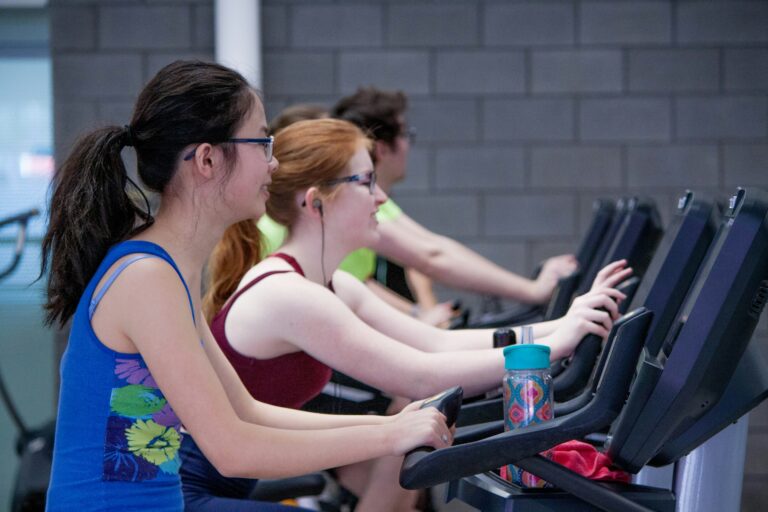
The Ideal Pace for Maximum Fat Burning During Long Runs
The ideal pace for maximum fat burning during long runs is generally a slower, steady pace where your body primarily uses fat as fuel rather than carbohydrates. This pace is often described as a comfortable, conversational speed that keeps your…

How Long Runs Boost Metabolism for Hours After You Finish
Running is one of the most popular forms of cardio, and it does more than just burn calories while you’re out on the road or treadmill. When you finish a long run, your body keeps working hard for hours after…

Why Long Runs Burn More Fat Than Short Workouts
Long runs burn more fat than short workouts because they primarily use the aerobic energy system, which relies heavily on fat as a fuel source. When you engage in running or any cardio workout for an extended period, your body…

Runners recover faster from physical tasks, non-runners feel worn out longer.
Runners Recover Faster From Physical Tasks: Why Non-Runners Feel Worn Out Longer When you watch a runner finish a tough workout and bounce back the next day while your non-running friend is still sore and exhausted, you’re witnessing the real…
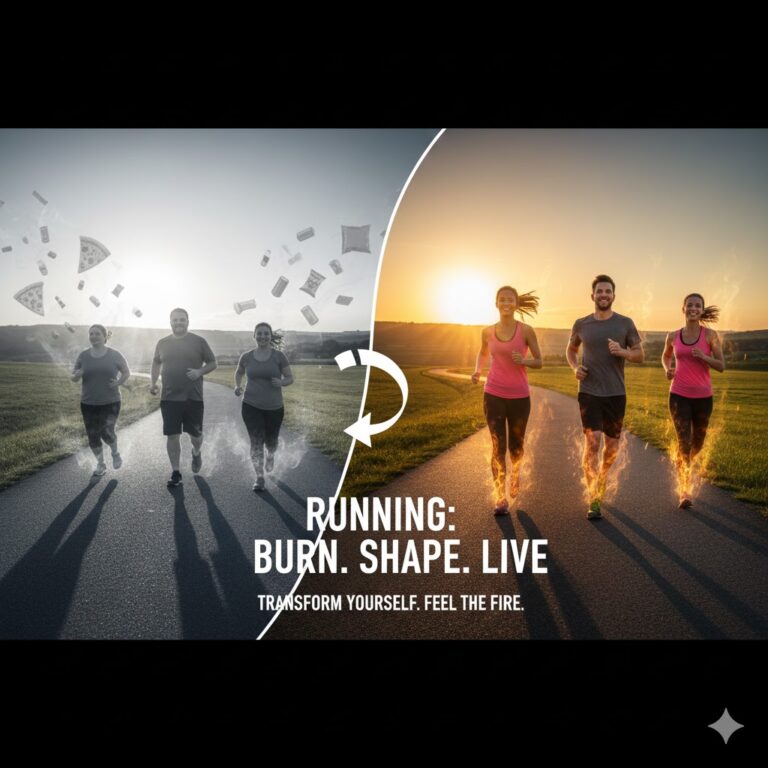
Running keeps joints loose and flexible, sitting stiffens muscles and reduces mobility.
Running plays a key role in keeping joints loose and flexible, while sitting for long periods tends to stiffen muscles and reduce mobility. When you run, your joints experience cyclical loading that stimulates the production and movement of synovial fluid,…
Trusted health & fitness resources
Helpful sources for exercise, heart health, strength and stamina
Mayo Clinic
Reliable medical information and patient resources
CDC Guidelines
Official U.S. guidance on activity levels for all ages
ACSM
Research and recommendations for exercise science
American Heart Association
Resources for heart health and cardio exercise