

What Happens to the Body After a Certain Age Without Regular Exercise
What Happens to the Body After a Certain Age Without Regular Exercise As people hit their mid-30s, the body starts to lose strength and fitness even if they stay somewhat active, but skipping regular exercise makes this decline much worse…

Small distance increases that quietly build running cardio longevity
Small, steady increases in distance while running quietly build lasting cardio longevity by improving aerobic capacity, reducing injury risk through gradual adaptation, and making consistent cardio workouts more sustainable over years. Why small distance increases work – Progressive overload…
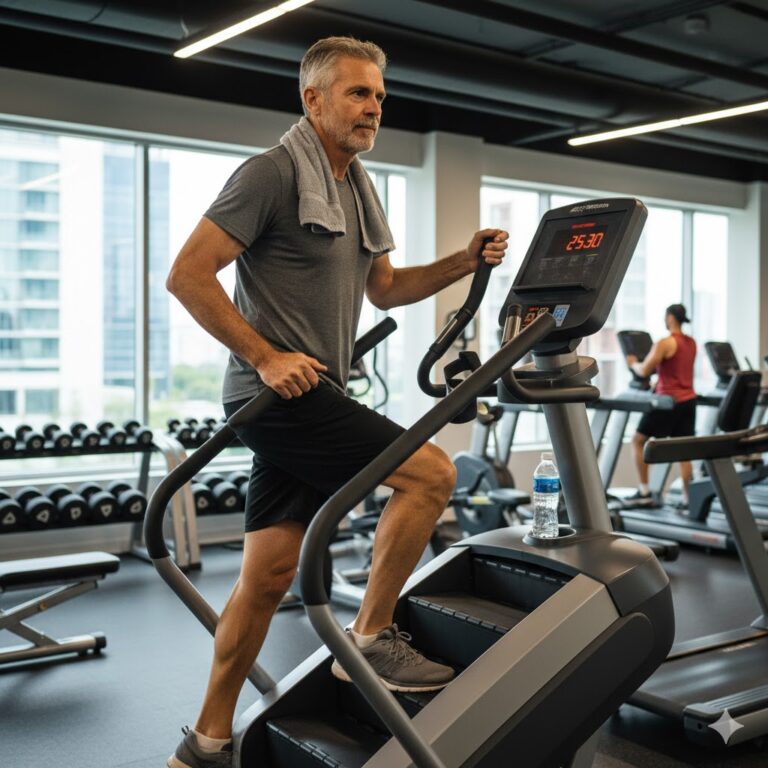
What science says about aerobic running and longevity
Science shows that aerobic running, a key form of cardio, links to longer life by cutting death risk and boosting heart health. Studies point to running as one of the top activities for longevity, even when people start later in…

Why sustainable volume beats hard workouts for long life
Sustainable, moderate-volume training tends to support longer life better than frequent hard workouts because it is easier to keep doing, builds broad aerobic capacity, and minimizes wear-and-tear and recovery deficits that can raise long-term risk. Why steady volume often…

Running cardio longevity without racing: training for life, not medals
Running cardio longevity without racing: training for life, not medals Most people think running means pushing hard to win races or beat personal records. But you can build a lifetime of health through running as a cardio workout focused on…
How mental clarity improves alongside consistent aerobic running
How consistent aerobic running sharpens mental clarity Regular running improves attention, planning, and memory by increasing blood flow and oxygen delivery to the brain, supporting the growth of new neural connections and reducing inflammation that can cloud When you…